Transistor
- Category:
- Release date:
- Game Genre:RPG, science fiction, Isometric view, indie games, action RPG
- Developer:
- Release:ElAmigos
- Platform:PC
- Languages (subtitles):English, French, Italian, German, Spanish, Russian, Polish, Portuguese-Brazil, Japanese, Simplified Chinese
- Dubbing/Audio:English
- Crack:3DM, Ali213, Codex
- Game size:2.32GB
Game Description
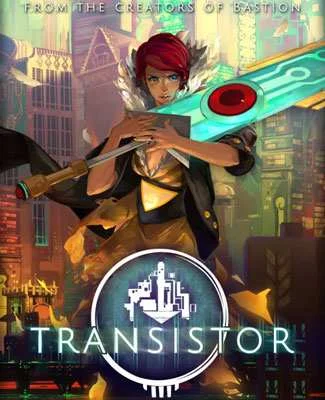
Transistor PC is a sci-fi action RPG from Supergiant Games, built around isometric combat, tactical planning, and a tightly authored story in the futuristic city of Cloudbank. The current PC storefront still uses the original name Transistor; no verified rebrand, definitive edition, or renamed replacement has taken its place.
Real-time combat with a tactical pause
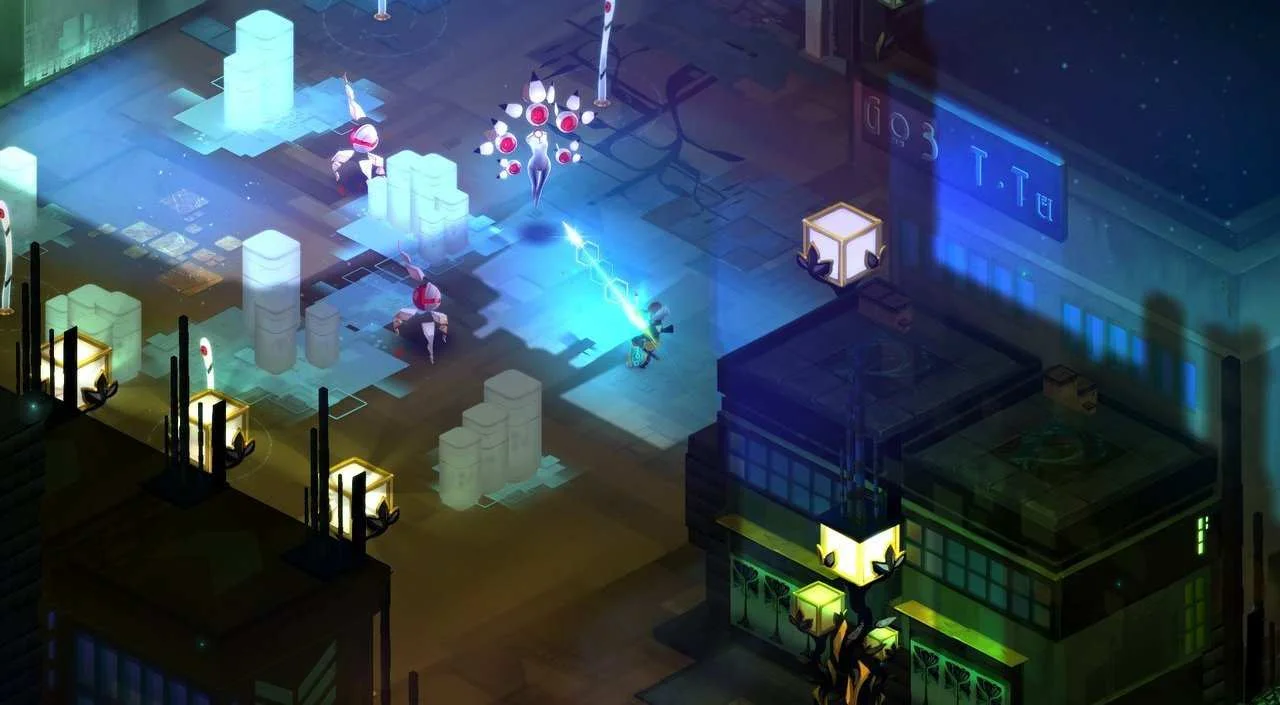
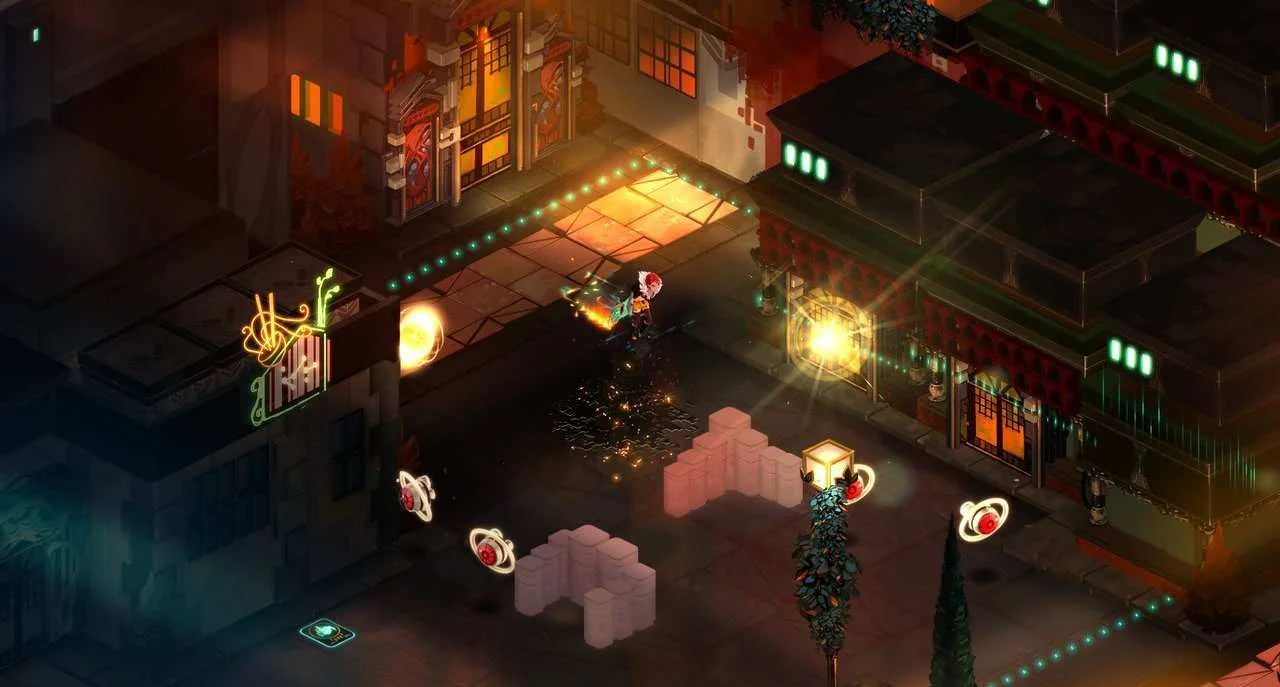
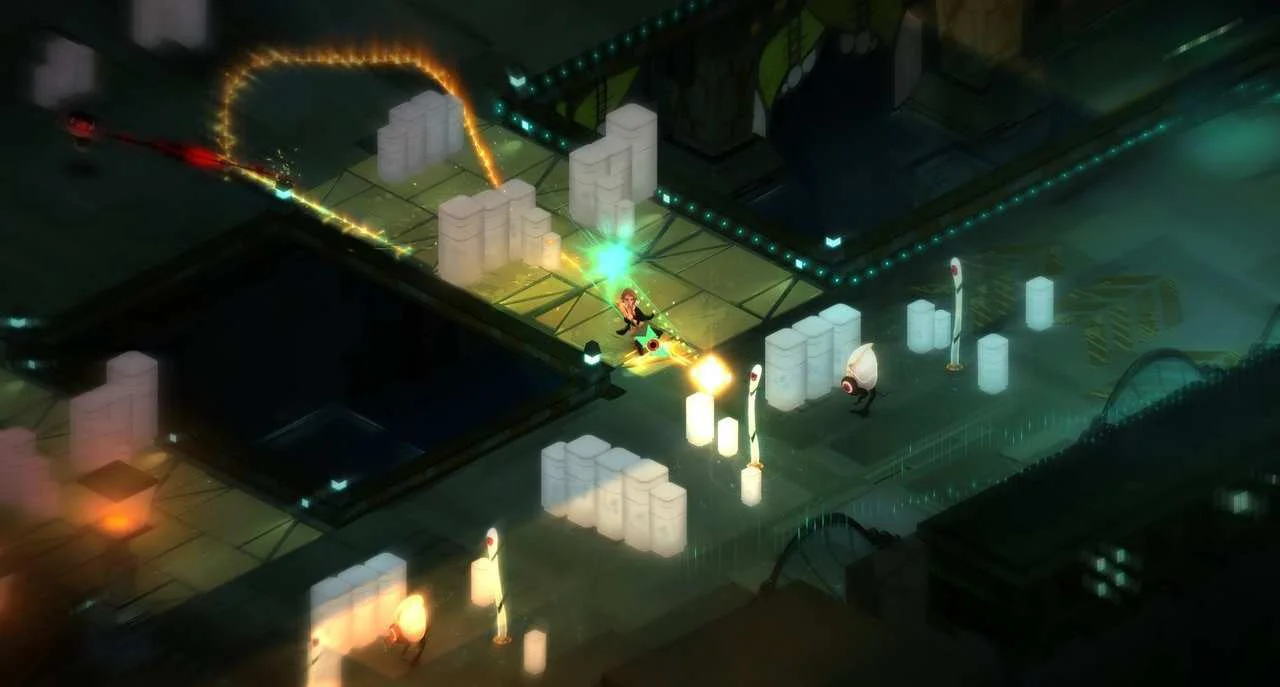
Transistor combines responsive action with a planning system that lets Red stop the flow of battle and queue a sequence of attacks through Turn(). Movement, positioning, and attack order all matter, especially when several enemies are active at once.
Outside Turn(), Red can move freely, strike with equipped Functions, evade attacks, and reposition around the battlefield. Activating Turn() freezes enemy activity while you map out a route and assign actions, then releases the sequence in one controlled burst. The result is not traditional turn-based combat; it is a hybrid system where real-time reactions and deliberate tactical execution support each other.
The Transistor is both Red's weapon and the foundation of her combat build. Its abilities are called Functions, and each one can be installed as an active attack, a passive effect, or a modifier attached to another Function. This gives every ability several possible uses instead of reducing the weapon to a fixed list of skills.
Functions, upgrades, and build experimentation
Function combinations are the main RPG system. A damaging ability can be altered to add range, area coverage, status effects, or another secondary behavior, while passive Functions can change how Red moves, survives, or recovers after attacking.
Each Function also consumes a specific amount of memory, so the strongest setup is not simply a matter of equipping every powerful option. You must decide which attacks deserve active slots, which effects are better used as passive support, and how much capacity to reserve for utility.
Some combinations reward direct aggression, while others favor mobility, crowd control, damage over time, or carefully planned bursts through Turn(). Experimentation is encouraged because the game lets you reconfigure the Transistor between encounters rather than locking Red into a permanent class.
The upgrade system also connects combat abilities to the people and events Red encounters in Cloudbank. Functions are more than anonymous loot drops: each one is tied to a character identity and expands the setting through descriptions and optional details. That connection between build customization and worldbuilding is one of Transistor's most distinctive design choices.
Cloudbank, the Process, and the story structure
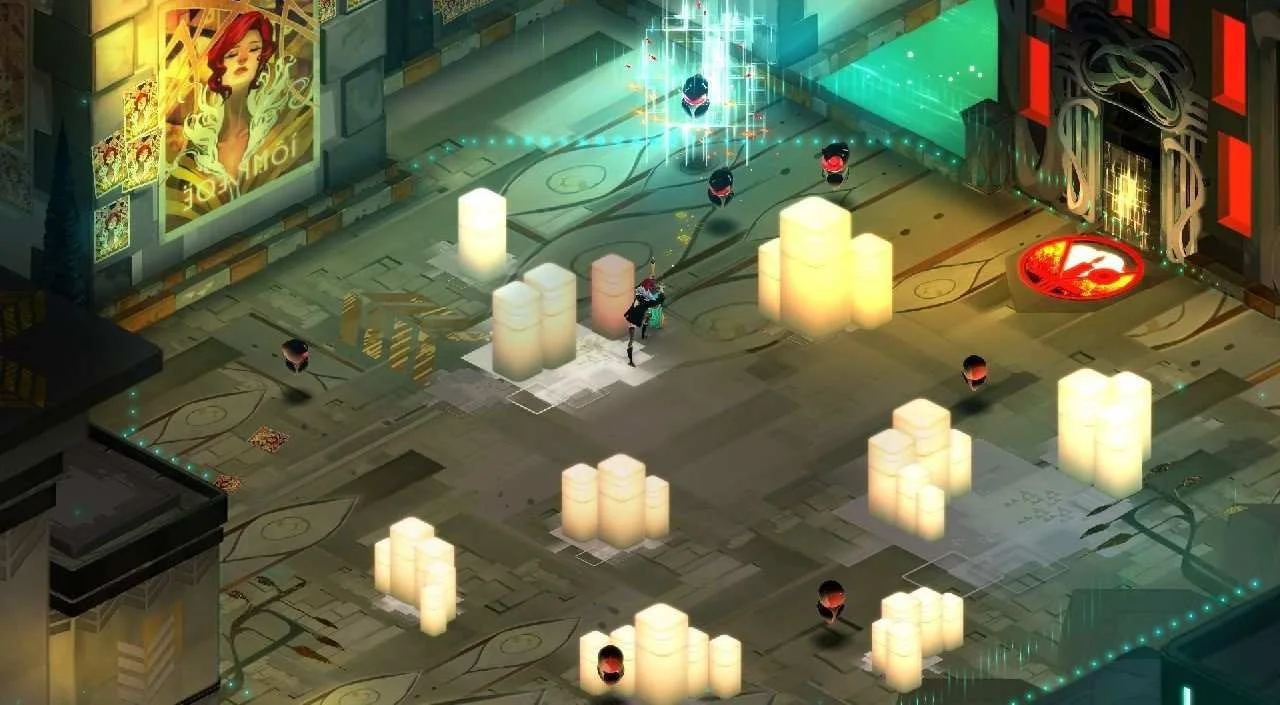
Red travels through Cloudbank, a stylized digital metropolis threatened by the Process, a hostile force that reshapes spaces and deploys increasingly dangerous enemies. The city is presented through hand-painted environments, strong color contrasts, and a soundtrack that changes dynamically as the action develops.
The story follows Red, a singer who survives an attack and becomes linked to the talking Transistor. The weapon's voice provides context while Red investigates the mystery surrounding the attack, the Process, and the organization known as the Camerata.
Exploration is structured around connected combat spaces, short stretches of travel, optional terminals, and environmental observations. Transistor does not use a large open world or a conventional quest-log structure. Its strength is controlled pacing, where combat, music, narration, and visual storytelling are arranged as parts of the same progression.
Players who value authored narrative and unusual worldbuilding may also appreciate story-driven tactical RPGs such as Pyre, although Pyre replaces Transistor's weapon-building combat with team-based Rites and branching consequences.
Campaign content and post-story replay
The main experience is a single-player campaign with a fixed narrative arc, progressively broader Function options, optional lore, and increasingly demanding encounters. Its progression loop is based on mastering the combat system and understanding how different Functions interact, rather than collecting an endless stream of randomized gear.
After completing the story, Recursion introduces procedural battles built around replayable combat challenges. This gives the game a second layer for players who want to test builds, refine Turn() sequences, and revisit the combat system after seeing the campaign through.
Recursion is not a separate multiplayer mode or a live-service endgame. It is a post-story option focused on combat replayability and build experimentation. Players looking for a traditional campaign with a large amount of optional map content should set expectations accordingly.
The commercial model is straightforward. The PC base game is a paid single-player release, and the current Steam content panel lists the Transistor Original Soundtrack as the only separate add-on. There is no verified season pass, gameplay expansion pack, or collection of paid character and weapon DLC attached to the current listing.
Who Transistor is for
Transistor is a strong fit for players who enjoy isometric action RPGs, tactical pause systems, compact campaigns, authored science-fiction settings, and character builds that reward experimentation instead of grinding.
It especially suits players who like to pause before a difficult encounter, identify the most dangerous target, plan a route through multiple enemies, and watch the entire sequence resolve in a single coordinated attack.
The game may be less suitable if you want co-op, competitive multiplayer, procedural campaign generation from the beginning, or a large open-world RPG with extensive side quests. Transistor is deliberately focused. Its replay value comes from combat mastery, alternate Function combinations, optional discoveries, and Recursion rather than from a huge map.
Its music and visual presentation are also central rather than decorative. The soundtrack, reactive voiceover, character writing, and interface design all contribute to the atmosphere, so players who prefer story-light combat sandboxes may find the pacing more deliberate than expected.
PC features, controls, and localization
The PC version supports full controller support and fully remappable controls, allowing players to choose between gamepad and keyboard-and-mouse input. The planning system works particularly well with a controller, but the PC release is designed to accommodate both control styles.
Steam features include Steam Cloud, achievements, trading cards, Family Sharing, and Remote Play on TV. The game is distributed through Steam, but Supergiant's PC FAQ states that once the game has been downloaded, it can be played offline without Steam running.
The current storefront identifies Transistor as a single-player game. There is no verified cooperative campaign, split-screen mode, competitive multiplayer mode, or online party system.
English is supported for interface, subtitles, and full audio. The storefront also lists French, Italian, German, Spanish - Spain, Polish, Brazilian Portuguese, Russian, Japanese, and Simplified Chinese for interface and subtitles. English remains the only listed full-audio language.
Transistor's PC feature set is practical rather than extravagant: customizable controls, controller support, offline play after download, Steam Cloud, and replayable post-story combat are the features most relevant to a desktop player.
Similar games on PC
Transistor does not fit neatly into a standard genre box. Its closest comparisons are games that combine authored storytelling with unusual combat structures, not simply other games with an isometric camera.
Players seeking a faster Supergiant combat loop can look toward action roguelikes such as Hades II, which also emphasize responsive movement, build choices, voiced characters, and repeated combat mastery. Hades II is much more run-based, while Transistor presents a curated campaign with a defined story progression.
Transistor's Function system may also appeal to players who enjoy experimenting with ability interactions in tactical RPGs. The difference is that Red is a single protagonist whose weapon configuration changes her role, whereas many tactical games distribute abilities across a party or roster.
For a more direct comparison within Supergiant's catalog, Transistor shares the studio's emphasis on music, narration, hand-painted art, and compact environmental storytelling with Bastion, but its combat is more planning-focused and its build system is substantially more modular.
Transistor FAQ
Has Transistor been renamed on PC?
No. The current Steam listing continues to use Transistor. There is no verified PC rebrand, definitive edition, or renamed successor replacing the original storefront identity.
Is Transistor a turn-based RPG?
Transistor is best described as a sci-fi action RPG with a tactical planning system. Normal combat runs in real time, while Turn() temporarily freezes the action so you can queue attacks and movement before executing the plan.
Does Transistor have co-op or multiplayer?
No. Transistor is a single-player game. Steam Remote Play on TV is a platform feature, not evidence of cooperative gameplay, and the campaign does not support online co-op or split-screen play.
What is Recursion in Transistor?
Recursion is a post-story option that adds procedural battles for continued combat practice and build testing. It is designed for replayability after the main narrative rather than as a second campaign or multiplayer mode.
How deep is the Transistor build system?
The Transistor uses Functions as active abilities, passive effects, and modifiers. Memory limits the number and combination of installed Functions, so effective builds require choices about damage, defense, movement, crowd control, and Turn() efficiency.
Does the PC version support controllers?
Yes. The PC release has full controller support and fully remappable controls. Keyboard and mouse are also supported, giving players flexibility in how they manage real-time combat and tactical planning.
What languages are available on PC?
English includes full voice audio, interface, and subtitles. French, Italian, German, Spanish - Spain, Polish, Brazilian Portuguese, Russian, Japanese, and Simplified Chinese are listed for interface and subtitles.
System Requirements
Minimum: |
Processor: Core 2 Duo 2.6 GHz Graphics: 512 MB VRAM Memory: 4 GB RAM Disk space: 3 GB HDD Operating system: Windows 7 |
Screenshots
Trailer/Gameplay
Download
Transistor (2014), 2.32GB
ElAmigos release, game is already cracked after installation (crack by Codex or 3DM or Ali213).

Updated to version 1.50397 (27.06.2018).

Included bonus content: Soundtrack (mp3), Soundtrack Extended (mp3).

1. Extract files.
2. Burn or mount the image.
3. Install the game.
4. ElAmigos release, game is already cracked after installation.
5. Play the game. If you like this game, BUY IT!
Transistor Download
 Download from TeraBox
Torrent Download
The best torrent download speeds are with qBittorrent!