Nickelodeon All-Star Brawl
Edit date: 12-02-2024, 18:20
Reason: Updated till 06.06.2022
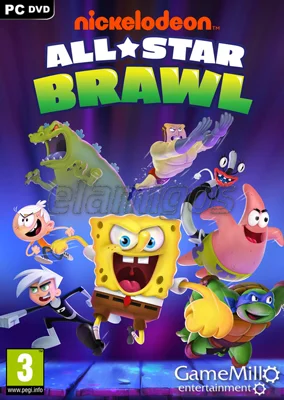
- Category:
- Release date:
- Game Genre:Fighting, platform, animated TV series, for 2 people, crossover, 2.5 D, side-scroll, splitscreen
- Developer:Ludosity Interactive, Publisher: GameMill Entertainment
- Release:ElAmigos
- Platform:PC
- Languages (subtitles):English, French, Italian, German, Spanish, Dutch
- Dubbing/Audio:English
- Crack:Codex
- Game size:3.42GB
Game Description
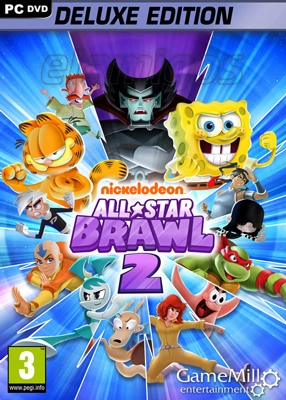
Nickelodeon All-Star Brawl is a PC platform fighter built around cartoon crossover battles, ring-outs, character-specific moves, and competitive multiplayer. The original game remains listed under this name on Steam; it has not been verified as rebranded, while Nickelodeon All-Star Brawl 2 is a separate sequel rather than a renamed edition. Developed by Ludosity and Fair Play Labs and published by GameMill Entertainment, it focuses more on match-to-match mastery than on a large story campaign.
Platform fighting with Nickelodeon characters
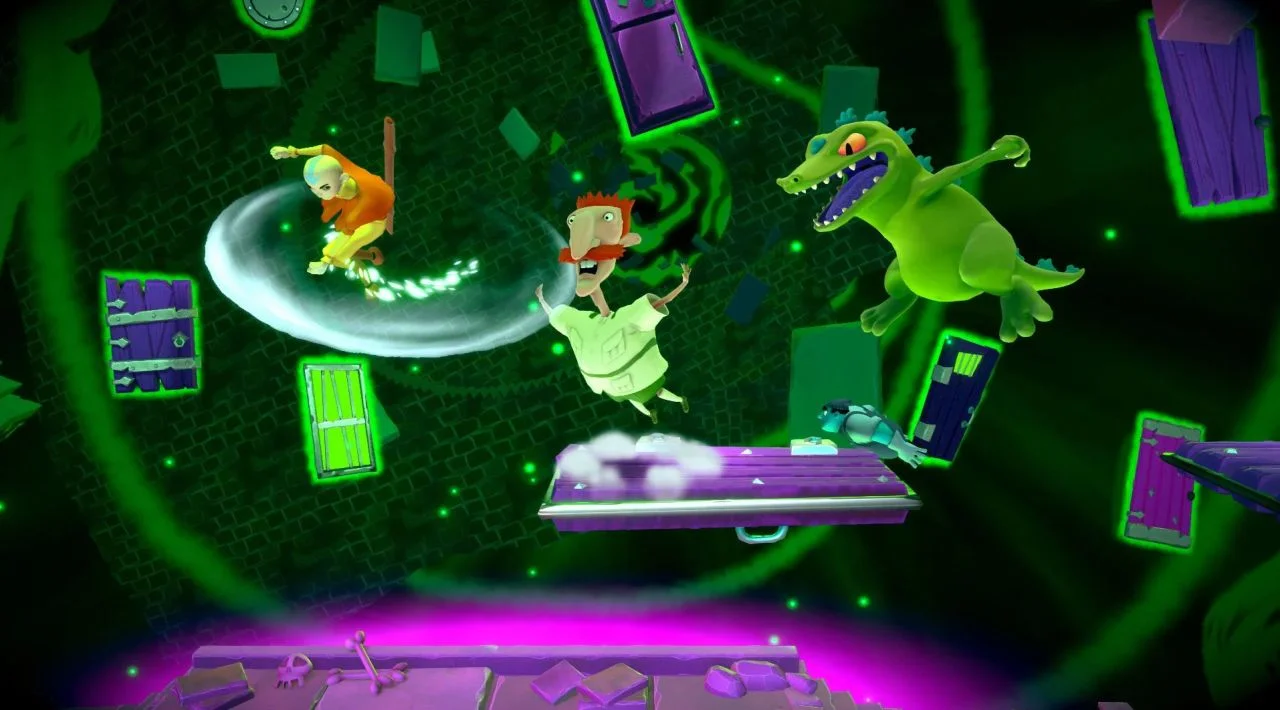
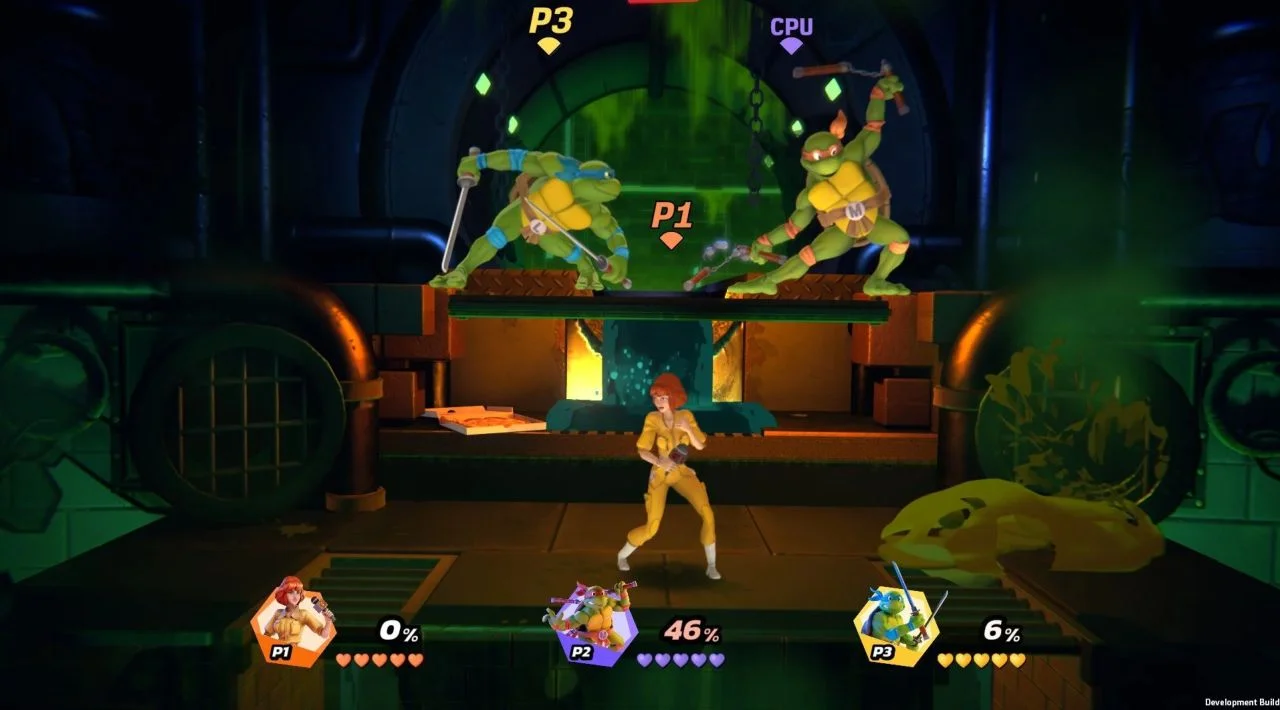
Matches take place on side-view arenas where the objective is to build damage and launch opponents beyond the stage boundaries. The design uses familiar platform-fighter conventions, but each character has a distinct moveset inspired by their series identity. SpongeBob, Patrick, Danny Phantom, Invader Zim, Michelangelo, Leonardo, Lincoln Loud, Oblina, and other licensed characters do not simply share interchangeable attacks.
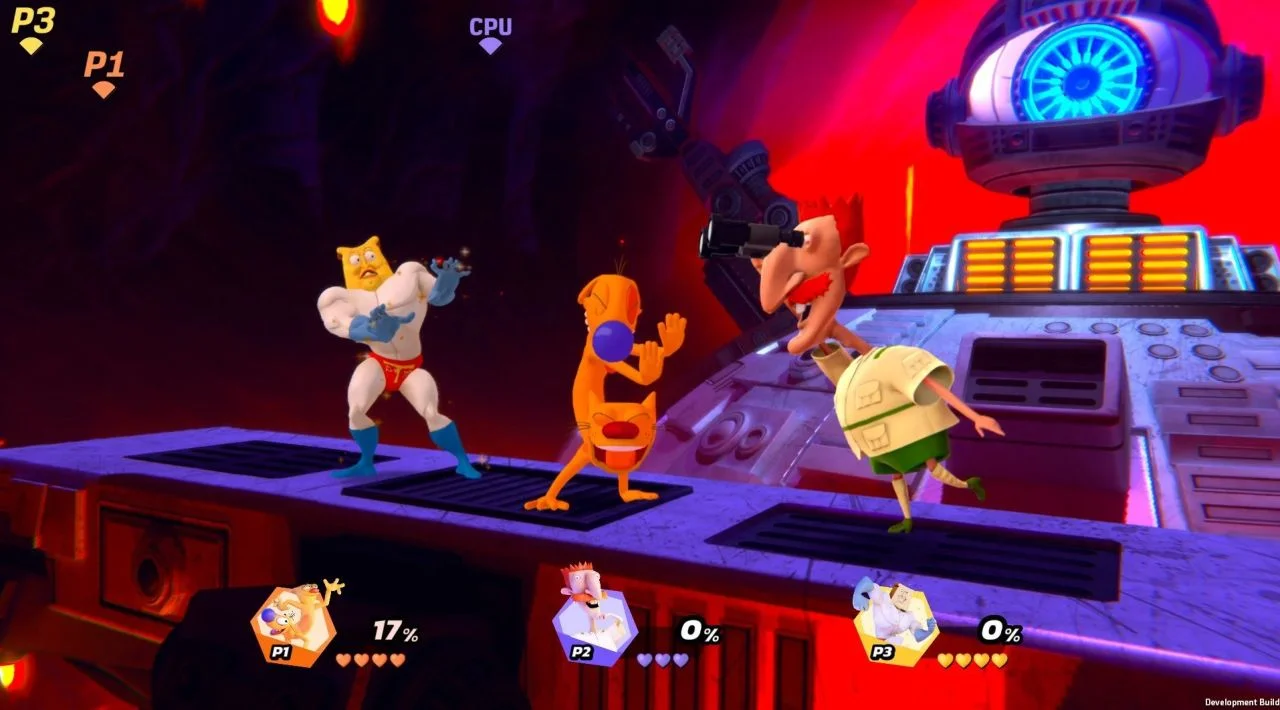
Combat revolves around light attacks, charge attacks, specials, grabs, throws, jumps, air movement, and recovery options. Damage affects how far fighters are launched, so neutral exchanges eventually become edge-guarding situations. Stage positioning matters as much as raw damage, particularly when a character is trying to return from below or recover around platforms.
The game is best understood as a competitive platform fighter rather than a traditional health-bar brawler. Players who enjoy learning matchup details, punish windows, movement techniques, and recovery routes will find more depth than the cartoon presentation initially suggests.
Mechanics that reward practice
Wavedashing, perfect guarding, directional influence, attack priority, and a dedicated strafe function give the combat a more technical feel than a purely casual party fighter. The strafe option lets a character preserve facing direction while moving, which is useful for spacing, projectile control, and maintaining pressure near an opponent.
The training environment is one of the more important parts of the PC experience. Players can inspect interactions with a hitbox viewer, pause situations, and study actions frame by frame. These tools make it easier to understand why an attack connected, why a recovery failed, or how a particular move behaves against a shield or airborne opponent.
There is no character progression system that permanently changes a fighter between matches. Improvement comes from execution, matchup knowledge, stage awareness, and better decisions under pressure. That structure suits players who want a focused fighting game loop, but it offers less long-term appeal to anyone expecting gear, unlockable skill trees, or a role-playing campaign.
Modes and multiplayer structure
Solo players can fight computer-controlled opponents and work through arcade-oriented challenges, while competitive players can enter online battles. The game also supports local multiplayer with up to four players, making shared-screen matches the clearest party-oriented feature on PC.
Online play includes competitive player-versus-player matches, and the Steam version supports Steam Remote Play Together. That feature can make local-style sessions more practical when friends are not physically sharing the same computer, although the experience remains centered on versus combat rather than cooperative progression.
The single-player offering is useful for learning characters and collecting game-related unlocks, but it is not structured like a lengthy narrative adventure. The main loop is selecting a fighter, testing the roster, refining fundamentals, and returning to increasingly demanding matches. Players looking for deeper solo variety should treat the arcade and training content as supporting modes rather than the main attraction.
Roster, stages, and licensed content
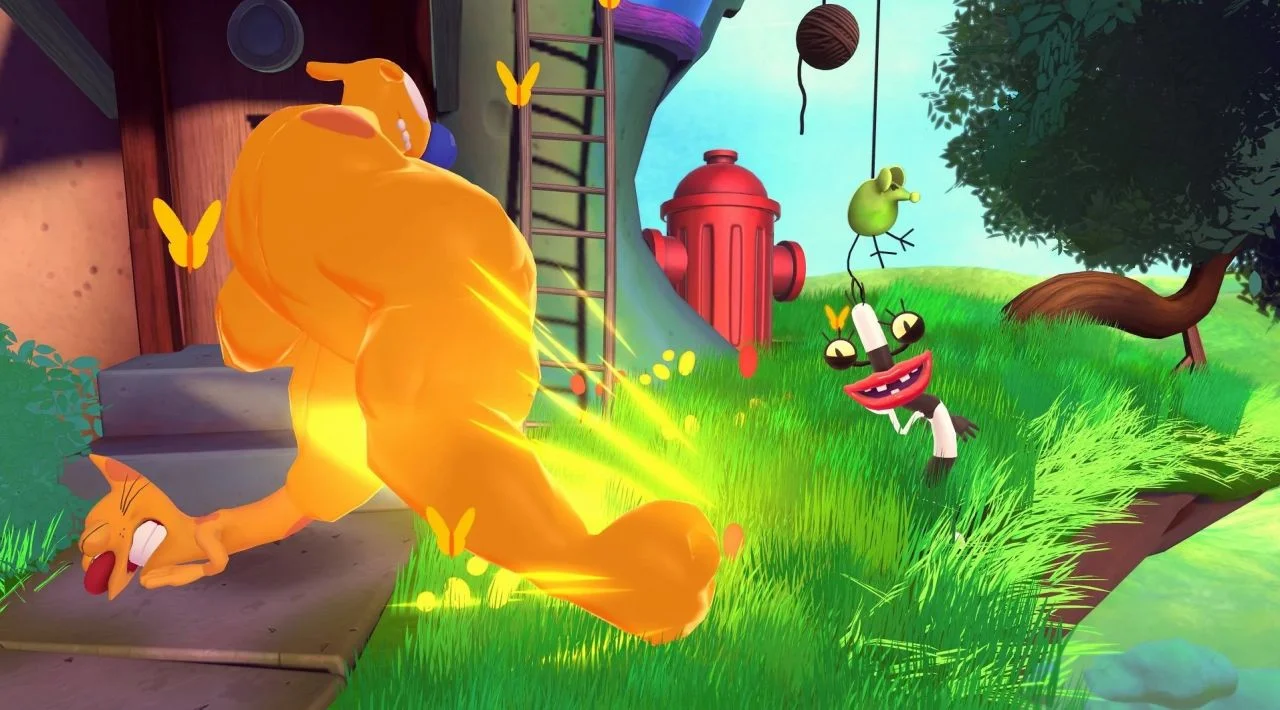
The launch lineup draws from major Nickelodeon properties including SpongeBob SquarePants, Teenage Mutant Ninja Turtles, Hey Arnold!, Rugrats, Danny Phantom, Invader Zim, The Loud House, Aaahh!!! Real Monsters, and The Wild Thornberrys. The crossover appeal is the central commercial identity, but the characters also differ mechanically enough to support experimentation.
Steam lists 20 themed stages, including locations such as Jellyfish Field and the Technodrome. Arenas are not just visual backdrops: platforms, ledges, recovery routes, and available space influence how safely a character can approach or escape.
The paid content model is straightforward. The base game is sold separately, and the original Steam listing shows a Universe Pack season pass covering three additional brawlers: Jenny Wakeman, Hugh Neutron, and Rocko. Those characters are also available through separate packs, while the soundtrack is listed separately as free content. The sequel should not be confused with a complete edition of this original roster.
Who should play it on PC?
Nickelodeon fans get the strongest reason to play, especially those who want to compare characters from different generations of animated shows in the same arena. The roster gives the game an immediate identity that generic platform fighters lack, and the character-specific attacks create room for both casual discovery and competitive specialization.
It is also a sensible fit for players who prefer local four-player battles, short versus sessions, and training tools that expose fighting-game details. The PC version is more appealing to a focused competitive audience than to players seeking a large solo campaign or extensive party minigames.
Players who want licensed cartoon co-op in a more conventional arcade format may prefer co-op beat 'em ups such as Teenage Mutant Ninja Turtles: Shredder's Revenge. That comparison is useful because the two games share recognizable Nickelodeon-era character appeal, but their structures are different: All-Star Brawl is about competitive ring-outs, while Shredder's Revenge is built around progressing through stages and defeating waves of enemies.
PC features, controls, and localization
The Steam edition supports keyboard play and controller-based input, with control customization available for players who want to adjust movement and attack assignments. Controller setup is particularly relevant for platform fighters because precise directional inputs and comfortable jump placement can affect both neutral play and recovery consistency.
Steam lists single-player, online PvP, shared/split-screen PvP, achievements, Family Sharing, and Remote Play Together. The store listing does not verify a separate third-party launcher, anti-cheat package, or mod-support framework, so those features should not be assumed.
Interface localization covers English, French, Italian, German, Spanish, and Dutch. English is the listed full-audio language, while the other supported languages are interface translations. That distinction matters for players choosing the game based on voice localization rather than menus alone.
Nickelodeon All-Star Brawl FAQ
Is Nickelodeon All-Star Brawl the same game as Nickelodeon All-Star Brawl 2?
No. The original Nickelodeon All-Star Brawl and Nickelodeon All-Star Brawl 2 are separate PC products. The original Steam listing continues to use its original title, and no verified storefront rebrand was found.
What type of game is Nickelodeon All-Star Brawl?
It is a 2D-style platform fighter with crossover characters, stage-based ring-outs, character-specific moves, local multiplayer, online PvP, arcade-style solo play, and training tools.
Does Nickelodeon All-Star Brawl support local multiplayer?
Yes. The PC version supports shared or split-screen PvP with up to four players on the same system, subject to the available input devices and local setup.
Does the PC version support online multiplayer?
Yes. Steam lists online PvP, and Steam Remote Play Together is also supported for shared-session play. The game is fundamentally versus-focused rather than a cooperative campaign.
What DLC is available for the original game?
The original Steam content listing includes the Universe Pack season pass, separate Jenny Wakeman, Hugh Neutron, and Rocko brawler packs, plus a free soundtrack item. The base game is required for the character add-ons.
Is Nickelodeon All-Star Brawl good for solo players?
It is suitable for practicing against computer opponents, playing arcade-style challenges, and using detailed training tools. Its strongest long-term loop is competitive mastery, so players wanting a substantial story campaign should look elsewhere.
System Requirements
Minimum: | Recomended: |
| Processor: Intel Core i5-4430 3.0 GHz / AMD FX-6300 3.5 GHz Graphics: 2 GB GeForce GTX 960 / Radeon R7 370 Memory: 4 GB RAM Disk space: 15 GB HDD Operating system: Windows 7/8.1/10 64-bit | Processor: Intel Core i5-6600K 3.5 GHz / AMD Ryzen 5 1600 3.2 GHz Graphics: 3 GB GeForce GTX 1060 / 4 GB Radeon RX 580 Memory: 8 GB RAM Disk space: 15 GB HDD Operating system: Windows 7/8.1/10 64-bit |
Screenshots
Trailer/Gameplay
Download
Nickelodeon All-Star Brawl (2021), 3.42GB
ElAmigos release, game is already cracked after installation (crack by Codex).

Updated till 06.06.2022.
Change language in game options.

1. Extract files.
2. Burn or mount the image.
3. Install the game.
4. ElAmigos release, game is already cracked after installation.
5. Play the game. If you like this game, BUY IT!
Nickelodeon All-Star Brawl Download
 Download from TeraBox
DLC: Jenny Brawler Pack.
Torrent Download
The best torrent download speeds are with qBittorrent!