Into the Radius VR
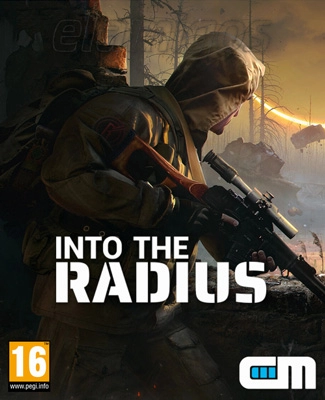
- Release date:
- Game Genre:VR (Virtual Reality), Shooter, Survival, Exploration, Post-Apocalyptic, Horror, Action, Indie, Singleplayer, FPS (First-Person Shooter).
- Developer:CM Games
- Release:ElAmigos
- Platform:PC
- Languages (subtitles):English, French, Italian, German, Spanish, Russian, Japanese, Korean, Simplified Chinese
- Dubbing/Audio:English
- Crack:Codex/Rune, FLT
- Game size:8.68GB
Game Description
Into the Radius VR is a first-person VR survival shooter set in the dangerous Pechorsk Anomaly Zone. The Steam product keeps the Into the Radius VR title, while the studio now presents the game as Into The Radius. The current developer and publisher credit is CM IMMERSIVE, the studio formed by the team previously known as CM Games.
This is a premium, single-player PC VR game built around careful exploration, realistic weapon handling, artifact hunting, mission planning, and survival under pressure. It is not a conventional shooting gallery. Every expedition asks you to prepare properly, manage limited equipment, and decide when valuable loot is worth the risk.
Survival Through Preparation
The core loop begins at the player base. You accept assignments through the UNPSC desktop, organize your backpack, check ammunition, maintain weapons, and choose the equipment needed for the next trip into the zone.
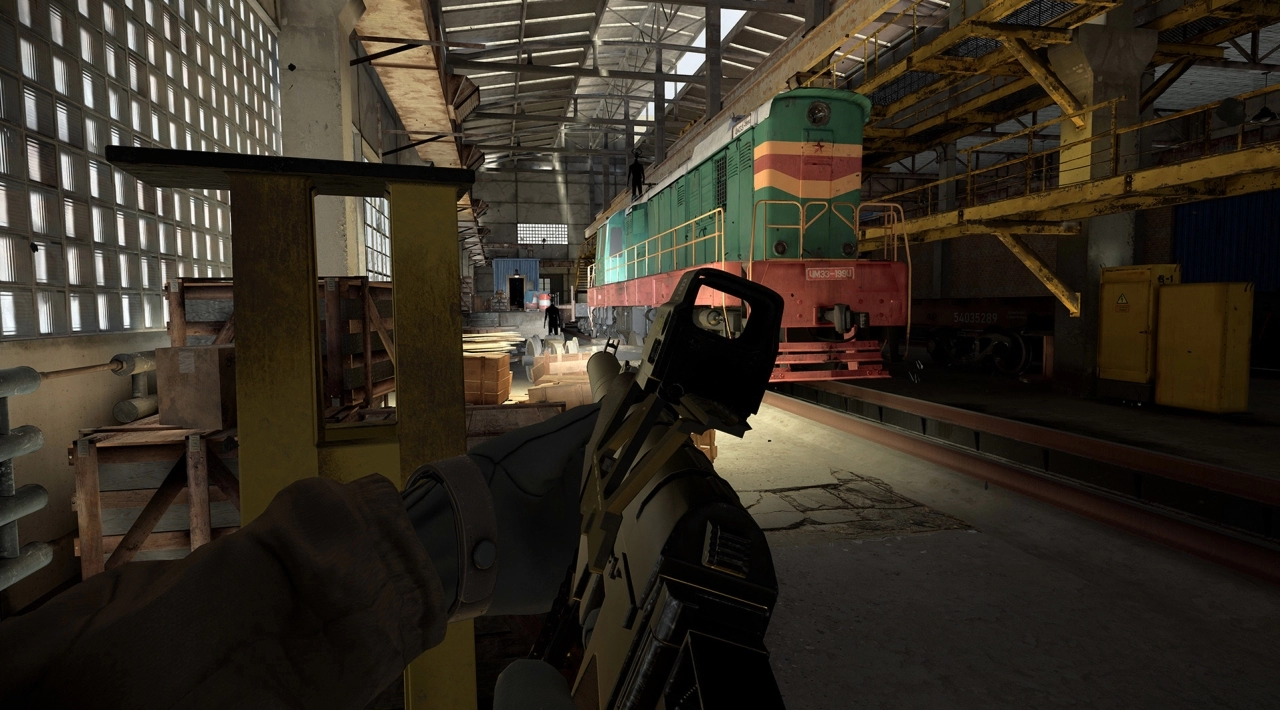
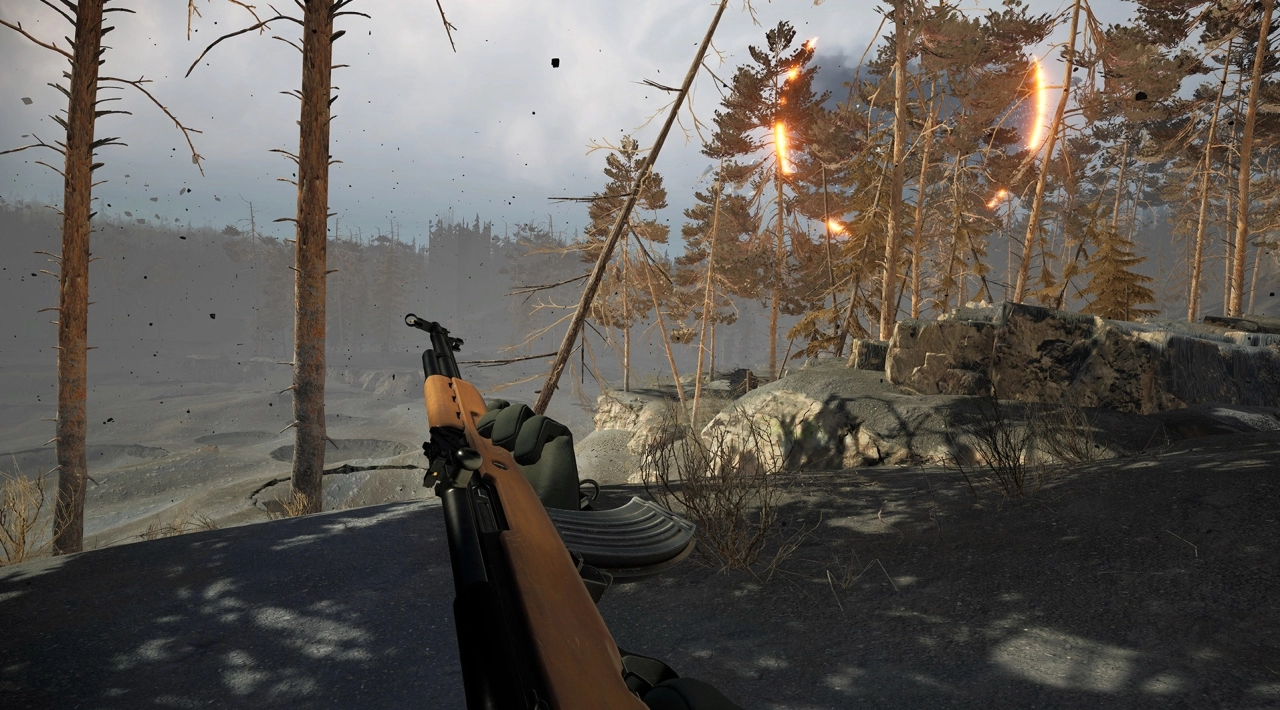
Inside the Pechorsk area, the pace is deliberately methodical. You navigate with a physical map, scout shelters, search abandoned locations, locate hidden caches, and use a detector to find valuable artifacts. The landscape combines forests, marshes, industrial ruins, and urban spaces rather than presenting a series of disconnected combat arenas.
The day and night cycle changes how you approach each excursion. Daylight is useful for scouting and scavenging, while darkness can help you move more cautiously around threats. The game rewards route planning, cover, silence, and retreating before a manageable situation becomes a disaster.
Death is not simply a failed firefight. It can mean losing equipment, abandoning valuables, and repeating a dangerous route with fewer resources. That risk gives every supply run a meaningful purpose and makes returning safely feel like an achievement in itself.
Physical Weapons and Dangerous Ballistics
Firearms are handled directly through tracked motion controllers. The game includes classic and modern weapons such as the AKM, PM, Mosin-Nagant rifle, SKS Carbine, M9 Beretta, PPSh, and FN SCAR, with ammunition types matched to the relevant weapons.
Manual magazine loading is central to the experience. You do not simply press a reload button and continue fighting. Magazines, individual rounds, weapon safeties, attachments, and firing positions all matter when an encounter becomes chaotic.
Weapon condition also affects reliability. Firearms and magazines degrade during use, and neglected equipment can jam at an inconvenient moment. Cleaning tools, oil, brushes, and careful maintenance therefore become part of the survival loop rather than optional decoration.
The ballistic model adds another layer of caution. Bullets can ricochet and penetrate different materials, so cover is not automatically safe and careless firing can create new problems. Players who enjoy tactile weapon systems may also find a useful comparison in co-op VR survival shooters such as SURV1V3 VR, although Into the Radius VR is more solitary and more focused on expedition planning.
Anomalies, Entities, and Exploration
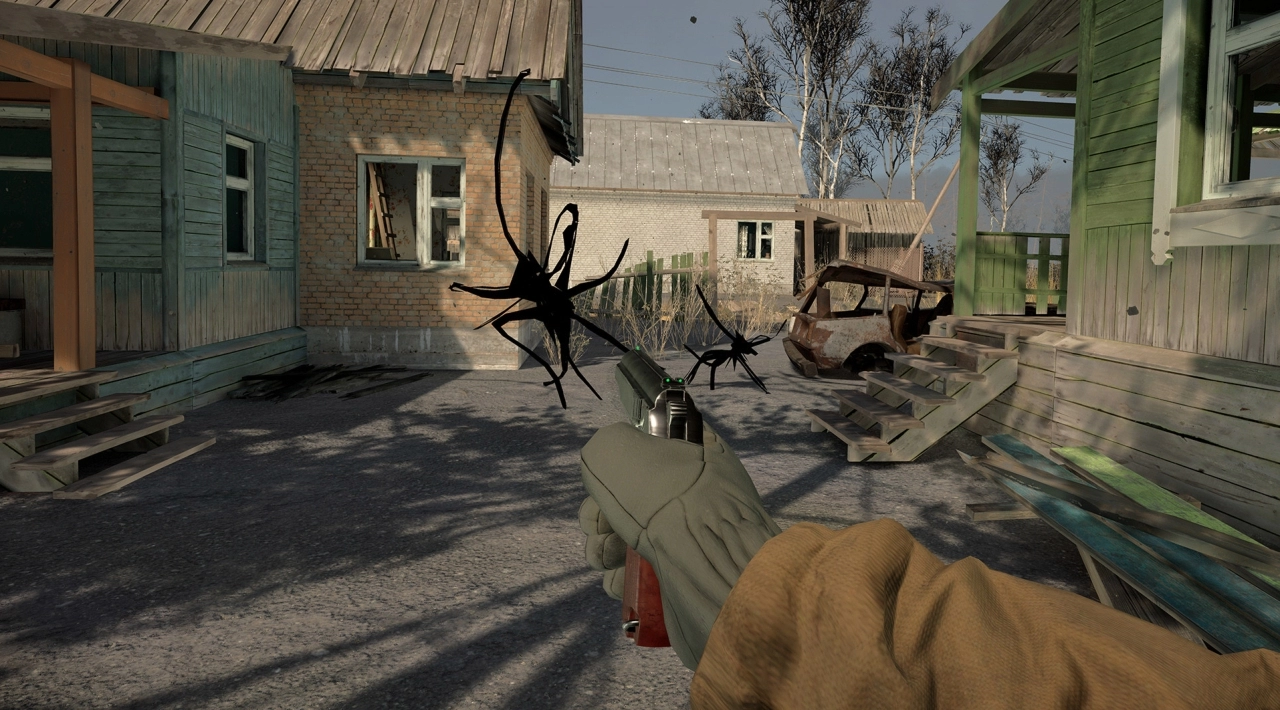
The Pechorsk Anomaly Zone is defined by more than hostile creatures. Lethal anomalies distort familiar spaces and make navigation dangerous, while strange artifacts provide one of the main reasons to explore beyond the safest paths.
A detector helps locate valuable objects, but it does not remove the danger surrounding them. You still need to read the environment, choose a safe approach, and think about whether carrying an artifact back is worth the attention it may attract.
Enemies are best handled through awareness rather than constant aggression. Sneaking, crouching, using cover, and moving quietly can preserve ammunition and reduce exposure. When combat is unavoidable, the physical handling model makes positioning and preparation as important as aim.
The setting also carries a strong science-fiction mystery. UNPSC missions gradually expose more of the zone's history, while cassette recordings, documents, environmental details, and unusual encounters add context beyond the immediate survival challenge.
Campaign Structure and Commercial Model
Into the Radius VR is structured as a single-player campaign with missions, exploration, equipment progression, and repeat expeditions into previously visited areas. It does not use a score-attack format or an endlessly randomized roguelike structure.
Progress comes from completing UNPSC assignments, recovering artifacts, collecting loot, purchasing equipment, and improving your ability to survive deeper and more dangerous journeys. The player base functions as a practical preparation space where gear can be stored, maintained, sold, or replaced.
The main PC product is a paid standalone game. Steam also lists an optional Supporter Pack and a series bundle containing the original game and Into the Radius 2, but the base campaign is not presented as a free-to-play service.
There is no conventional season-pass structure or large catalog of licensed table-style add-ons. The commercial choice is straightforward: buy the core game, then decide whether the optional supporter content is relevant to you.
Who Should Play Into the Radius VR?
This is a strong fit for players who want slow-burn VR tension, physical inventories, realistic firearms, exploration, and meaningful resource decisions. It especially suits people who enjoy preparing for a mission as much as fighting through it.
The game also works well for fans of bleak science-fiction settings and survival shooters that leave room for observation. The atmosphere comes from empty structures, distant threats, unnatural phenomena, and the uncertainty of not knowing whether the next route is safe.
Players seeking fast arena combat, constant rewards, or a social VR experience should look elsewhere. There is no co-op campaign, local multiplayer, split-screen mode, or competitive mode in the PC version.
It is also a demanding choice for anyone who dislikes manual interactions. Reloading, sorting equipment, cleaning weapons, checking ammunition, and physically reaching for stored items are core design decisions, not optional realism settings.
PC VR Support and Current Studio Credit
The Steam listing marks the game as VR Only with tracked controller support. It supports PC VR play through SteamVR or Oculus PC, with the storefront identifying compatibility for headsets and controllers including Rift, Rift S, Vive, Valve Index, and Windows Mixed Reality setups.
Traditional mouse-and-keyboard play is not the intended format. A standard gamepad is not the main input method either, because weapon manipulation, inventory access, climbing, and interaction are designed around tracked motion controllers.
Steam lists interface and subtitle support for English, French, Italian, German, Spanish, Japanese, Korean, Russian, and Simplified Chinese. English is the listed full-audio language, while the other supported languages focus on interface and subtitle localization.
The current Steam credit uses CM IMMERSIVE for both developer and publisher. This is the current studio identity for the team behind the game; older coverage and materials may still use CM Games. The product itself remains listed as Into the Radius VR rather than receiving a new game title.
The storefront does not identify a separate launcher or dedicated anti-cheat system. Steam achievements, tracked controller support, Steam Trading Cards, and Family Sharing are listed platform features.
Related PC VR Experiences
Into the Radius VR is unusual because it combines survival-shooter resource pressure with physical firearm maintenance and a semi-open exploration structure. Its closest comparisons should therefore be based on mechanics rather than simply horror tone.
For a more narrative psychological horror experience built around environmental investigation and tactile VR interaction, see first-person supernatural puzzle horror like MADiSON VR. That game is more linear and puzzle-focused, while Into the Radius VR puts greater emphasis on weapons, expeditions, and survival logistics.
Players who want a VR post-apocalyptic shooter with a stronger emphasis on zombies and cooperative play can compare it with co-op zombie action games such as Arizona Sunshine 2 VR. Into the Radius VR is the more solitary and methodical option, with less focus on scripted team combat and more attention to planning each return from the zone.
Into the Radius VR FAQ
Has Into the Radius VR been renamed?
No full game-title rebrand is indicated on the current Steam listing. Steam uses Into the Radius VR, while the official studio site commonly styles the name as Into The Radius. The main change players may notice is the current CM IMMERSIVE developer and publisher credit replacing older CM Games branding.
Is Into the Radius VR multiplayer or co-op?
No. The PC version is a single-player survival shooter. It does not include online co-op, local co-op, split-screen multiplayer, or competitive play.
What is the main gameplay loop?
You prepare at the base, accept UNPSC missions, enter the Pechorsk Anomaly Zone, scout locations, search for loot and artifacts, fight or avoid entities, then return to maintain equipment and prepare for the next expedition.
Does Into the Radius VR use realistic weapon handling?
Yes. Weapons are physically manipulated with tracked controllers, magazines can be loaded manually, ammunition types matter, safeties must be managed, attachments can be used, and deteriorated equipment can jam until it is cleaned or repaired.
Which PC VR hardware does it support?
The Steam version is VR Only and supports tracked controllers through SteamVR or Oculus PC. The listed PC VR ecosystem includes Rift, Rift S, Vive, Valve Index, and Windows Mixed Reality setups.
What languages are available?
English, French, Italian, German, Spanish, Japanese, Korean, Russian, and Simplified Chinese are listed for interface and subtitles. English is the listed full-audio language.
Does the game support mods?
Community modding exists for the PC version, but mods are third-party additions and are not presented as a standard built-in Steam feature on the storefront listing. Players should treat mod compatibility and maintenance as separate from the official base game.
System Requirements
Minimum: | Recommended: |
| Processor: Ryzen 5 3600 | Intel i5-10600 Graphics: GTX 1070 Memory: 16 GB RAM Disk space: 15 GB available space Operating system: Windows 10 | Processor: Ryzen 5 7600+ | Intel i5-12600+ Graphics: RTX 2070 Memory: 16 GB RAM Disk space: 15 GB available space Operating system: Windows 10 |
Screenshots
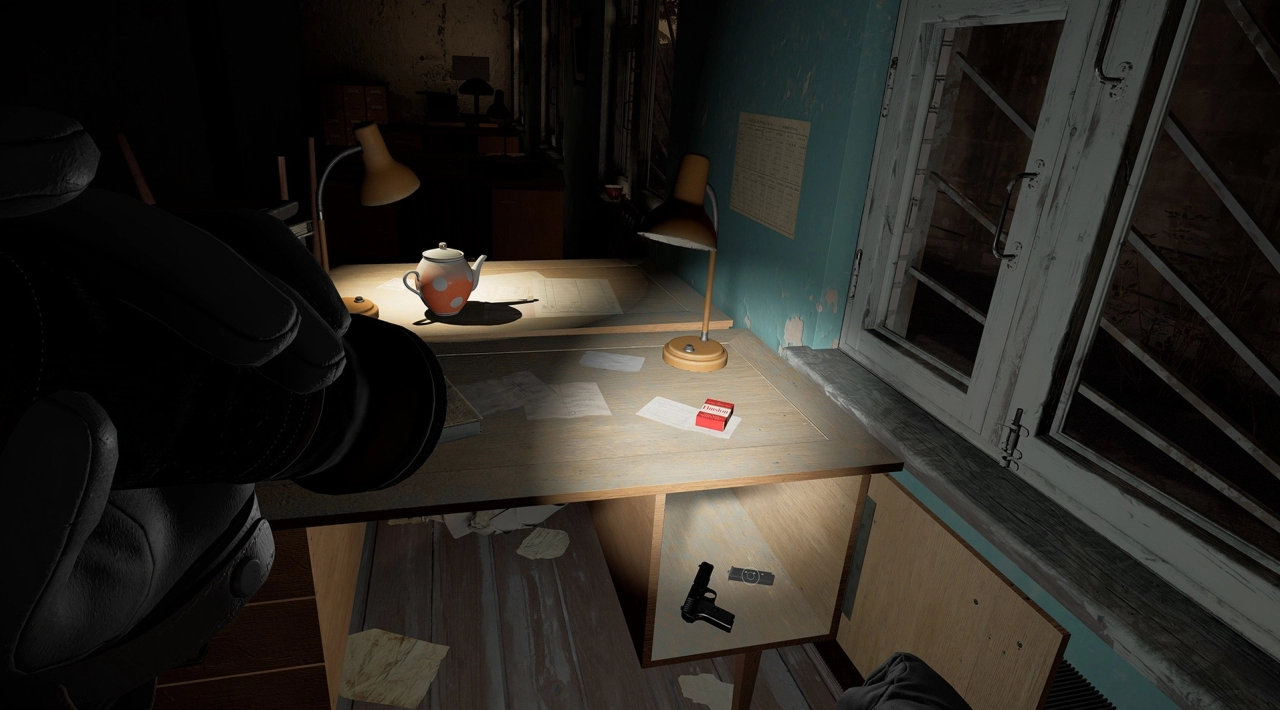
Trailer/Gameplay
Download
Into the Radius VR (2020), 8.68GB
ElAmigos release, game is already cracked after installation (crack by Codex/Rune or FLT).

Updated to version 2.7.2 (30.10.2023).

Installation time with 16 threads CPU and SSD - 2 minutes.
Credits to Razor12911.

1. Extract files.
2. Burn or mount the image.
3. Install the game.
4. ElAmigos release, game is already cracked after installation.
5. Play the game. If you like this game, BUY IT!
Into the Radius VR Download
🔒 Premium access required
To see and use the download links, you must be logged in and have an active PREMIUM account.
* Unlock downloads via Torrent and TeraBox.
Torrent Download
The best torrent download speeds are with qBittorrent!