The Last Citadel
- Category:
- Release date:
- Game Genre:Roguelite, Third-Person Shooter, Co-op, Action, Role-Based, Procedural Generation
- Developer:Honest Demon
- Release:FitGirl
- Platform:PC
- Languages (subtitles):English
- Dubbing/Audio:English
- Crack:Tenoke
- Game size:2.13GB
Game Description
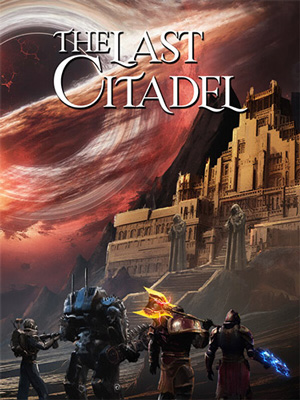
The Last Citadel PC is a third-person roguelite shooter built around procedural expeditions, flexible combat roles, and online co-op for up to four players. Developed and published by Montreal studio Honest Demon, it uses a futuristic steampunk setting where a floating citadel hangs above a black hole. Current Steam and Epic listings use the same name, with no verified rebrand or replacement edition.
The game is aimed at groups that enjoy repeatable action runs rather than a traditional linear campaign. Solo play is available, but the higher-difficulty design places more emphasis on cooperation, build planning, and understanding boss mechanics.
Expeditions built around movement, combat, and risk
Each expedition sends players into an ever-changing citadel filled with shifting layouts, hostile encounters, loot opportunities, and secrets. Procedural generation changes the arrangement of spaces and encounters between runs, so success depends on adapting to the current expedition instead of memorizing a fixed route.
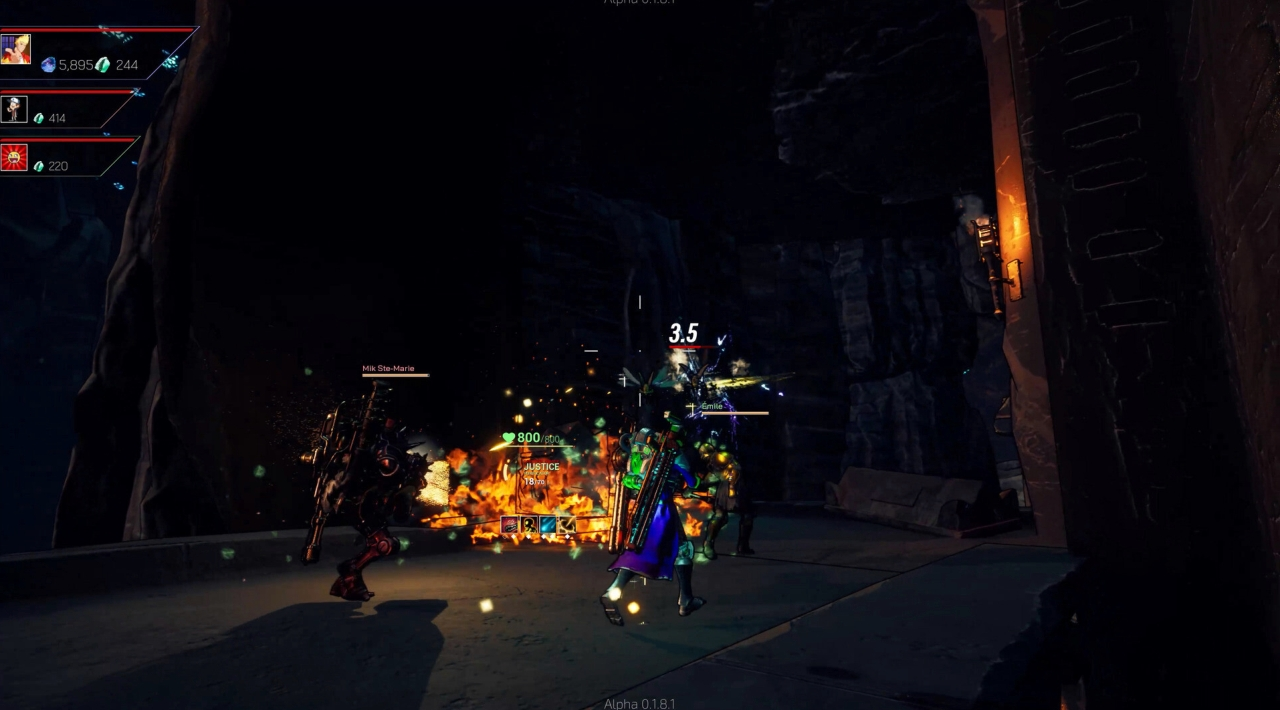
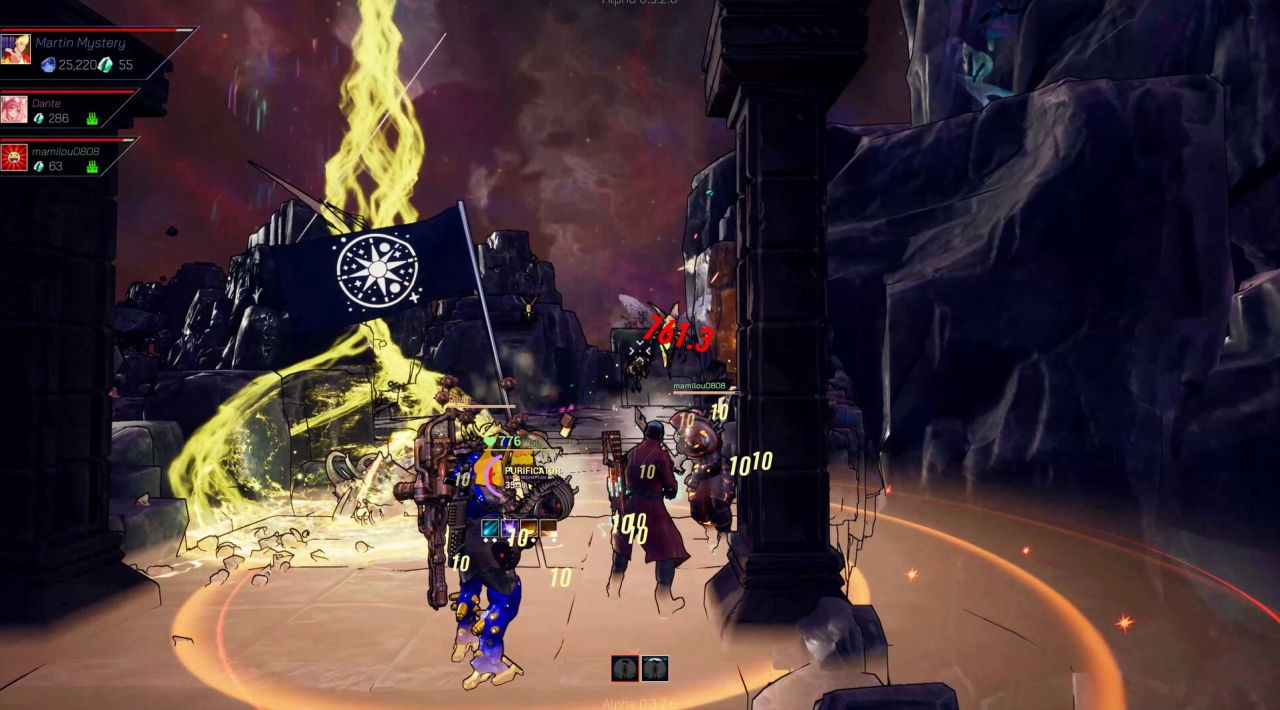
Combat is viewed from a third-person perspective and combines ranged and close-range weapons. The arsenal includes rifles, lasers, rocket launchers, and melee weapons, giving players several ways to manage enemy groups and stronger targets. Weapon choice matters because different modifiers and effects can change how a build handles a particular run.
The moment-to-moment loop is straightforward: enter the Citadel, fight through dangerous areas, gather better equipment, improve the build, and push toward its Guardians. The deeper appeal comes from deciding how aggressively to continue. More exploration can produce stronger tools, but a poorly prepared team may turn a promising run into a costly failure.
Roles, loadouts, and build decisions
Role-based co-op becomes more important on difficult settings. The game supports familiar DPS, healer, and tank responsibilities, although these roles are shaped through player-selected abilities, weapons, suits, and passive upgrades rather than fixed classes that lock every decision in advance.
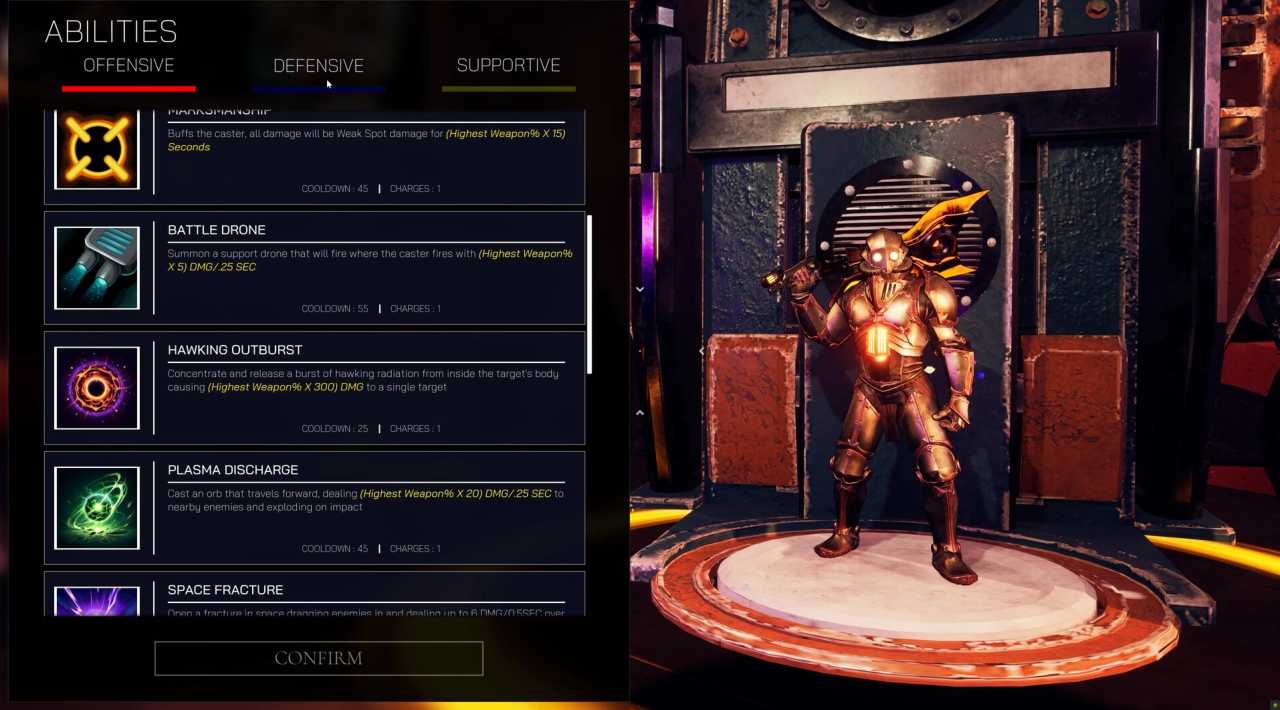
Before an expedition, each player selects four abilities from a pool of more than 45 active abilities. During the run, additional passives can redirect the build toward offense, defense, support, weapon effects, or a hybrid approach. This creates room for experimentation without requiring every player to follow the same predefined character template.
Weapon progression is another central system. Players can find stronger equipment, improve weapons with modifiers and effects, and use altars or other expedition features to adjust their options. Cursed weapons introduce a higher-risk choice for players willing to accept complications in exchange for a potentially stronger run.
Drones can assist the expedition, while altars modify weapons and passives. These systems give the Citadel more structure than a simple room-to-room shooter. Players are constantly weighing immediate power against the longer-term shape of the build, especially when resources or upgrade opportunities are limited.
Boss encounters and cooperative coordination
The Citadel's Guardians are presented as raid-style bosses with distinct attack patterns and encounter mechanics. They are not simply larger enemies with bigger health pools. Teams are expected to observe how each Guardian behaves, identify dangerous moments, and coordinate damage, support, and survival tools.
This design makes communication valuable. A tank-oriented player may need to draw attention away from teammates, a support build may preserve the group's momentum, and damage-focused players must recognize when attacking is safer than repositioning. The role system matters most when the group is dealing with mechanics that punish isolated play.
Players who prefer structured team combat can compare its cooperative expedition identity with fast-moving PC roguelite shooters such as Roboquest, although The Last Citadel places more emphasis on party roles and boss coordination than on pure movement speed.
Content model and storefront status
The Last Citadel is a paid standalone game on its current PC storefront listings. Steam and Epic present the base game as the main product, and no separate rebrand, definitive edition, season pass, or bundled expansion package is identified in those listings.
The repeatable content model comes from procedural layouts, changing encounters, weapon modifiers, passive combinations, escalating difficulties, and Guardian fights. That means the long-term loop is about mastering expeditions and refining builds rather than completing a large story campaign with a fixed sequence of missions.
The game also includes Steam Achievements and Steam Cloud support on its Steam listing, while the Epic listing identifies cloud saves, co-op, controller support, cross-platform functionality, online multiplayer, and single-player access. Storefront feature labels can differ by platform, so players should treat the platform-specific listing as the final reference for account and service requirements.
Who should play The Last Citadel?
The strongest audience is players who want a co-op-first roguelite with shooter controls, build experimentation, and recognizable party responsibilities. It is a good fit for groups that enjoy discussing loadouts before a run, adapting weapons during an expedition, and learning boss patterns through repeated attempts.
It also suits solo players who are comfortable managing several systems at once. Playing alone removes the need to coordinate with teammates, but it also removes the safety net created by complementary roles. The solo experience is therefore better understood as a self-managed challenge than as the same four-player design with fewer characters on screen.
The game is less suitable for players seeking a cinematic campaign, local split-screen, competitive PvP, or a conventional class-based RPG with permanent mission hubs and extensive dialogue. Its progression is built around repeated expeditions, tactical adaptation, and build discovery.
PC features, controls, and localization
The Epic storefront explicitly lists controller support, while both storefronts identify single-player and online co-op features. Cross-platform functionality is listed on Epic, making platform interoperability part of the current Epic feature set. Steam additionally lists achievements, cloud support, and Family Sharing.
Localization is limited compared with larger PC releases. Current storefront information identifies English for interface, subtitles, and full audio on Steam, while Epic lists English audio and text support. No broader language package is verified by the current storefront data.
Neither current storefront listing identifies a dedicated anti-cheat system, mod workshop, local split-screen mode, or dedicated server toolkit. Those features should not be assumed when evaluating the PC version. The available information instead points to a focused online co-op experience delivered through Steam or Epic's platform services.
The Last Citadel FAQ
Is The Last Citadel still the current PC name?
Yes. The current Steam and Epic storefront listings use The Last Citadel. No verified rebrand, renamed legacy edition, or replacement storefront title has been identified.
Is The Last Citadel single-player?
Yes. The game supports solo play as well as online co-op. Its design is particularly focused on groups of up to four players, with higher difficulties encouraging DPS, healer, and tank-style cooperation.
Does The Last Citadel support four-player co-op?
Yes. The current storefront descriptions identify parties of up to four players. The emphasis is on online multiplayer rather than local split-screen.
What weapons are available?
The listed arsenal includes rifles, lasers, rocket launchers, and melee weapons. Weapons can be improved with modifiers and effects, allowing players to tune them around the team's needs and the current expedition.
How does progression work?
Progression is centered on repeated procedural expeditions. Players choose abilities, suits, and weapons, then develop the build through passives, loot, weapon adjustments, drones, and altars during each run.
Is there a free-to-play version or season pass?
No free-to-play transition or season pass is identified in the current storefront listings. The game is presented as a paid base-game purchase, with no verified bundled expansion structure listed.
System Requirements
Minimum: | Recomended: |
| Processor: 4th Generation Intel I5 Graphics: Geforce 960 or above Memory: 4 GB RAM Disk space: 5 GB available space Operating system: Windows 7 | Processor: 7th Generation Intel I5 Graphics: Geforce 1060 or above Memory: 8 GB RAM Disk space: 5 GB available space Operating system: Windows 10 or Windows 11 |
Screenshots
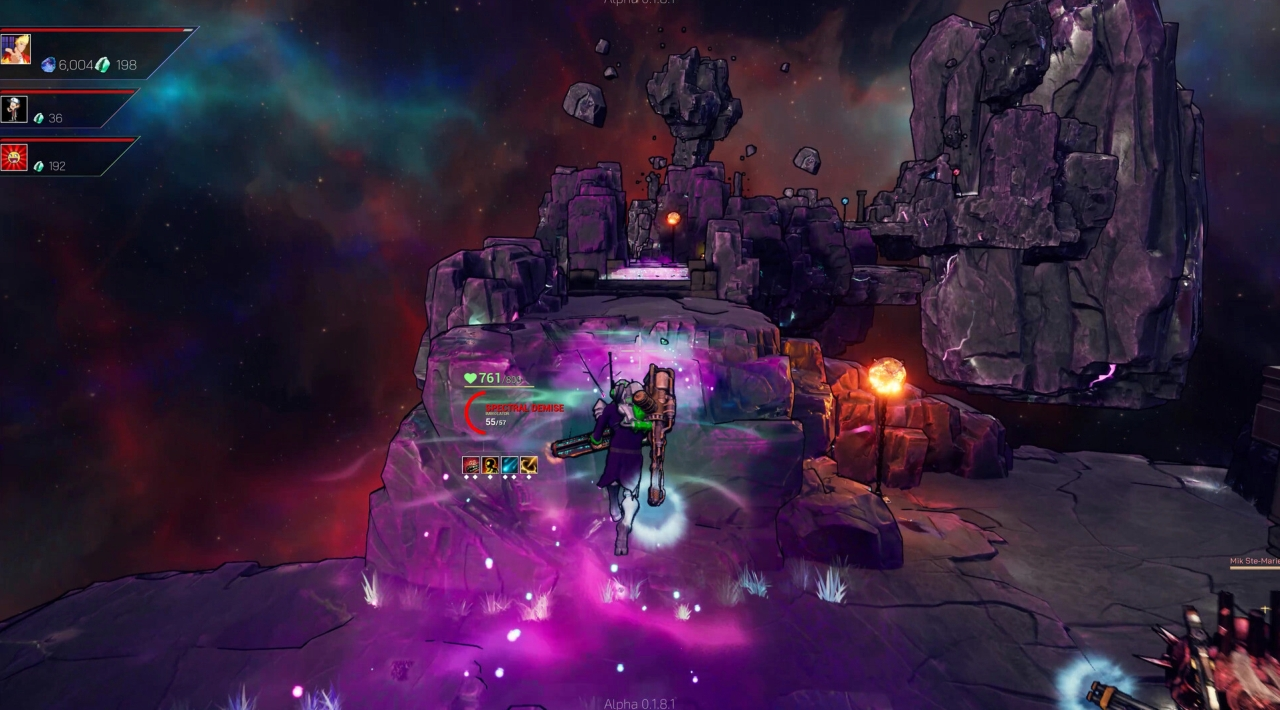
Trailer/Gameplay
Download
The Last Citadel (2026), 2.13GB

FitGirl Release

Languages: ENG
Original Size: 3.4 GB
Repack Size: 2.1 GB

Version: v1.0.0.4.3

1. Extract files.
2. Install the game.
3. Play the game. If you like this game, BUY IT!
The Last Citadel Download
🔒 Premium access required
To see and use the download links, you must be logged in and have an active PREMIUM account.
* Unlock downloads via Torrent and TeraBox.
- Based on The.Last.Citadel-TENOKE ISO release: tenoke-the.last.citadel.iso (3,702,685,696 bytes)
- Game version: v1.0.0.4.3
- 100% Lossless & MD5 Perfect: all files are identical to originals after installation
- NOTHING ripped, NOTHING re-encoded
- Significantly smaller archive size (compressed from 3.4 to 2.1 GB)
- Installation takes 3-6 minutes (depending on your system)
- After-install integrity check so you could make sure that everything installed properly
- HDD space after installation: 3.3 GB
- Repack uses XTool library by Razor12911
- At least 2 GB of free RAM (inc. virtual) required for installing this repack
Torrent Download
The best torrent download speeds are with qBittorrent!