Salt and Sacrifice
Edit date: 16-11-2023, 14:04
Reason: Updated to version 2.0.0.0 (09.11.2023)
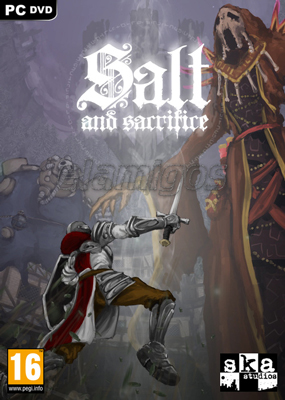
- Category:
- Release date:
- Game Genre:RPG, fantasy, platform, 2D, for 2 people, indie games, co-op, side-scroll, action RPG, splitscreen, soulslike, Epic Store exclusive, E3 2021
- Developer:Ska Studios, Publisher: Devoured Studios
- Release:ElAmigos
- Platform:PC
- Languages (subtitles):English, French, Italian, German, Spanish, Portuguese-Brazil, Japanese, Korean, Traditional Chinese, Simplified Chinese
- Crack:Codex/Rune
- Game size:0.99GB
Game Description
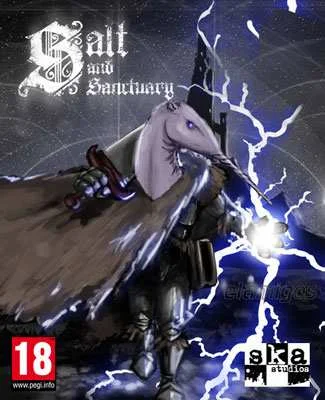
Salt and Sacrifice on PC is a 2D side-scrolling action RPG that combines Soulslike combat, Metroidvania-style exploration, gear crafting, and repeatable boss hunts. Current Steam and Epic Games Store listings still use the name Salt and Sacrifice, with no verified PC rebrand or replacement edition. Developed by Ska Studios and Devoured Studios and published by Ska Studios, it is built around hunting elemental Mages as a Marked Inquisitor.
The game is aimed at players who want deliberate melee combat with a stronger focus on boss tracking, equipment construction, online cooperation, and faction-based PvP than a conventional single-player platformer.
How the Mage Hunt loop works
You begin as a condemned Marked Inquisitor sent into the Western Frontier to investigate a kingdom overwhelmed by powerful Mages. These enemies are not simply placed at the end of ordinary levels. A hunt usually begins when you discover clues, remnants, or other signs connected to a specific Mage, after which a spectral trail leads through the region.
Following the trail turns exploration into an active pursuit. A Mage may move through several sections of a biome, summon hostile creatures, alter the surrounding encounter, or disappear before the final confrontation. The result is a loop of tracking, fighting through defenders, finding the target again, and eventually starting a larger boss encounter.
Defeating a Mage provides more than a victory screen. Their remains supply materials for weapons and armor crafting, while their Mage Hearts are tied to progression and access to new areas. Repeating hunts can therefore be useful when you want a particular equipment set, upgrade resource, or build direction.
Combat, exploration, and character builds
Combat uses a side-on perspective with stamina-conscious movement, evasive actions, timed attacks, ranged options, and platforming positions that matter during larger encounters. Enemies can punish careless swings, poor spacing, and rushed healing, so success depends on learning attack patterns rather than simply increasing damage.
The character system supports different approaches through weapon categories, armor choices, class development, and a broad skill progression structure. You can specialize around heavy weapons, agile attacks, ranged tools, magic, or a hybrid setup. Runic Arts add another layer by allowing the Inquisitor to use controlled forms of the same corrupt power wielded by the Mages.
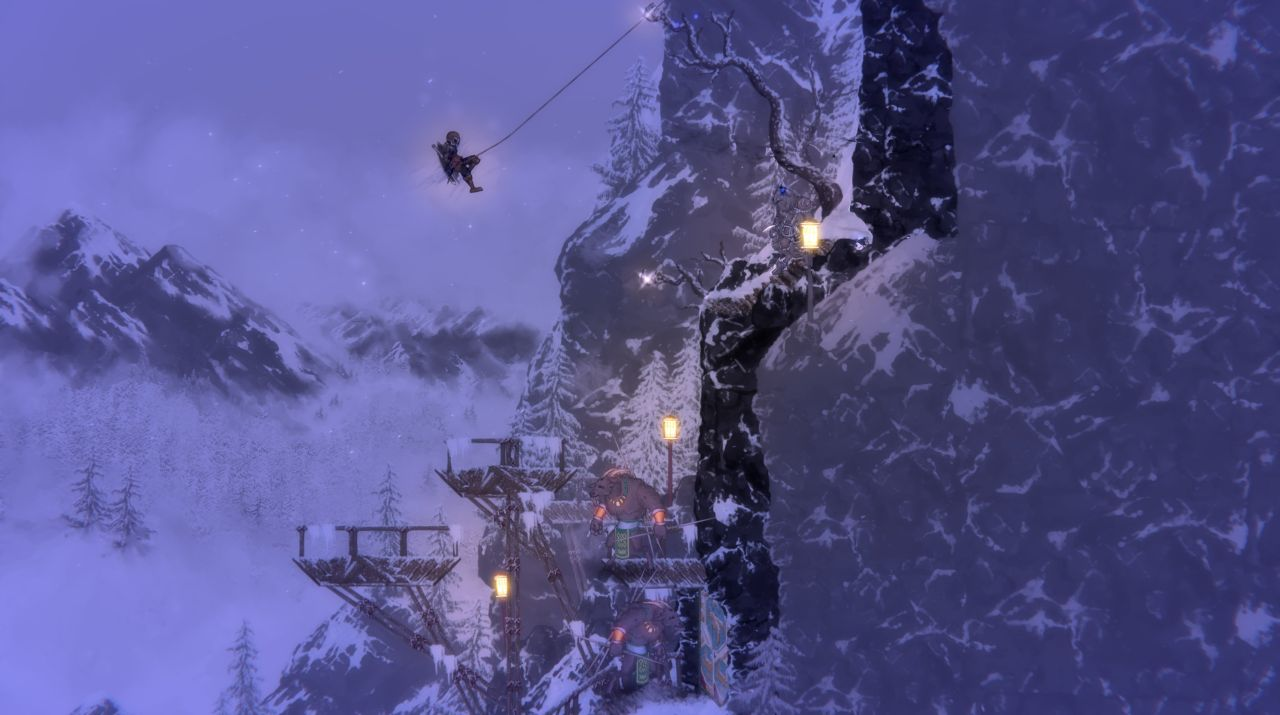
Exploration is divided into large, labyrinthine regions rather than one uninterrupted world map. Each zone contains shortcuts, hidden rooms, environmental hazards, trapped routes, powerful guardians, and paths that become more practical after you gain new movement or combat options. The structure sits between a traditional Metroidvania and a mission-driven hunting game.
Players who enjoy difficult 2D exploration with equipment experimentation may also find a useful comparison in soulslike Metroidvanias such as Grime II, although Salt and Sacrifice places more emphasis on pursuing bosses and converting their materials into gear.
Mages, crafting, and progression pressure
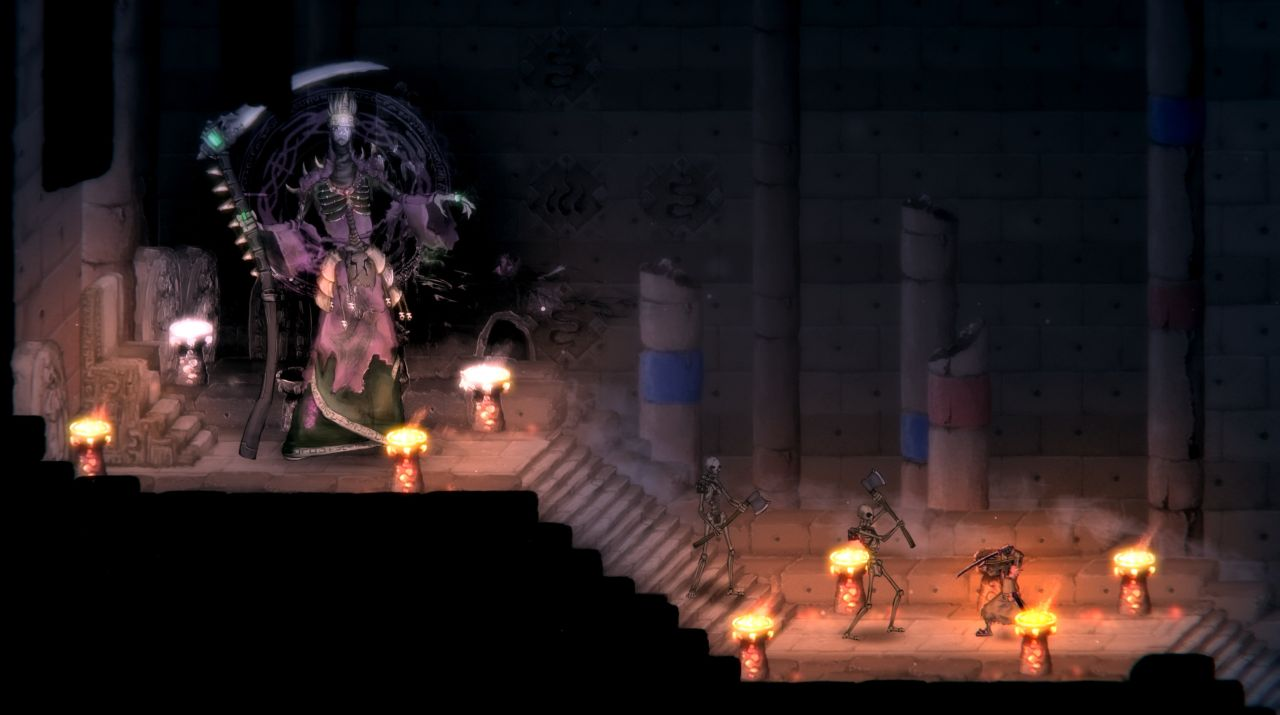
The Mages are the central design feature. They represent elemental chaos and function as mobile targets, recurring enemies, and sources of build materials. Their attacks and summoned creatures can change the rhythm of a region, creating encounters that feel less predictable than a boss waiting behind a single door.
Mage Hearts also connect the hunt system to the wider campaign. Progress through the Inquisition is not based only on reaching the next platforming area. You are expected to defeat enough major Mages, consume their hearts, improve your equipment, and use the resulting strength to enter more dangerous sections of the frontier.
Crafting gives the hunt loop a practical purpose. Mage flesh, bones, and related rewards can be turned into equipment associated with the defeated enemy, letting you build around damage types, weapon reach, defensive values, and preferred combat tempo. The system rewards players who are willing to revisit hunts instead of treating every boss as a one-time obstacle.
This structure is also where the game differs most from a straightforward Metroidvania. Exploration remains important, but the main progression loop repeatedly asks you to identify a target, prepare for its elemental threat, defeat it, and use its remains to improve the next build.
Online co-op and faction PvP
Salt and Sacrifice supports the full campaign in online co-op, including drop-in play and quickplay options. A second Inquisitor can help with exploration, ordinary enemies, and Mage Hunts, making the game a practical choice for players who prefer learning difficult encounters with a partner.
Multiplayer is not limited to cooperation. The game includes faction-based PvP systems that can turn another player session into a hostile encounter or introduce additional threats and assistance. The Dawnlight Order is associated with cooperative play, while the Shroud Alliance supports invasion-focused conflict. Other faction activities, including the Blueheart Runners, add further ways for multiplayer participants to interfere with or reshape a hunt.
That multiplayer focus is important when deciding whether the game fits your preferences. Salt and Sacrifice remains playable alone, but its online systems are more substantial than a basic optional co-op mode. Players looking for a purely isolated Metroidvania should expect the world design and progression to feel more encounter-driven than in a conventional solo exploration game.
Content model and current PC storefront status
The PC storefronts present Salt and Sacrifice as a paid base game rather than a free-to-play service. Current listings do not present a separate season pass, required expansion bundle, or collection of paid Mage packs. The primary experience is the campaign, its regions, Mage Hunts, crafting systems, co-op, and faction multiplayer.
There is no verified storefront rename comparable to a classic edition, definitive edition, or free-to-play transition. Steam lists Salt and Sacrifice as part of the Salt and Sanctuary franchise, while Epic Games Store also uses Salt and Sacrifice as the product name.
The game is a direct successor in design lineage to Salt and Sanctuary, but it is not simply the same world with new bosses. The sequel shifts the emphasis toward mobile Mage encounters, crafting from hunted enemies, online co-op, and multiplayer factions.
Who should play Salt and Sacrifice?
Salt and Sacrifice is a strong fit for players who want hard 2D combat, dark fantasy art direction, boss-focused progression, and a character build that changes as new Mage materials become available. It particularly suits people who enjoy repeating a difficult target until they understand its patterns and have assembled the right equipment.
It is less suitable for players who want a relaxed platformer, a tightly linear campaign, or a world where every boss is encountered once in a carefully staged sequence. The hunt system can require revisiting areas, retracing routes, and collecting enough materials to complete a preferred set.
Players seeking a more gothic, weapon-and-spell-driven side-scrolling experience can compare it with dark-fantasy action Metroidvanias like The Last Faith. The overlap is strongest in side-scrolling combat, bleak fantasy presentation, and ability-gated exploration, while Salt and Sacrifice stands apart through its Mage tracking and multiplayer structure.
PC features, controls, and localization
Steam and Epic Games Store list controller support, single-player functionality, online multiplayer, achievements, and cloud-save features for the PC versions. Steam also lists Remote Play Together, giving players another way to access the cooperative experience through the platform ecosystem.
The game uses keyboard-and-mouse controls as well as gamepads, with the latter being a natural fit for its movement, attack, dodge, and platforming demands. No verified Cabinet Mode, ultrawide-specific mode, official mod kit, or dedicated-server tool is listed for the PC storefront versions.
Localization includes English, French, Italian, German, Spanish, Japanese, Korean, Brazilian Portuguese, Simplified Chinese, and Traditional Chinese text. English is the listed spoken-language option on the Epic Games Store, while the other supported languages are presented primarily as interface and text localization.
Salt and Sacrifice FAQ
Is Salt and Sacrifice still the current PC name?
Yes. Current Steam and Epic Games Store listings use Salt and Sacrifice. There is no verified PC rebrand to a Classic, Definitive, or remastered edition.
Is Salt and Sacrifice a Soulslike or a Metroidvania?
It combines both structures. The combat uses Soulslike ideas such as stamina management, demanding enemy patterns, deliberate healing, and build progression, while the regions provide side-scrolling exploration, shortcuts, hidden paths, and ability-gated routes.
How do Mage Hunts work?
You discover information connected to a Mage, follow its trail through a region, survive encounters involving its minions, and eventually defeat the Mage. Its heart and remains contribute to area progression, crafting, and equipment upgrades.
Does the PC version support co-op?
Yes. The PC version supports online co-op, including drop-in play and quickplay. A partner can help with exploration and Mage Hunts, while separate faction systems provide hostile multiplayer and PvP interactions.
Does Salt and Sacrifice have paid DLC or a season pass?
Current PC storefront listings present a paid base game and do not list a required season pass or separate paid Mage expansion packs. The core package contains the campaign, hunting loop, crafting, co-op, and faction multiplayer.
What is the actual progression loop?
Progression revolves around exploring a region, identifying and hunting Mages, collecting their materials, crafting or improving equipment, consuming Mage Hearts to unlock further progress, and returning to earlier areas with stronger tools and new build options.
System Requirements
Minimum: | Recomended: |
| Processor: Intel Core 2 Duo 2.8 GHz Graphics: Intel HD Memory: 1 GB RAM Disk space: 3 GB HDD Operating system: Windows 8 | Processor: Intel Core i5 Graphics: 512 MB GeForce 9600 GT / Radeon HD 5450 Memory: 2 GB RAM Disk space: 3 GB HDD Operating system: Windows 10 |
Screenshots
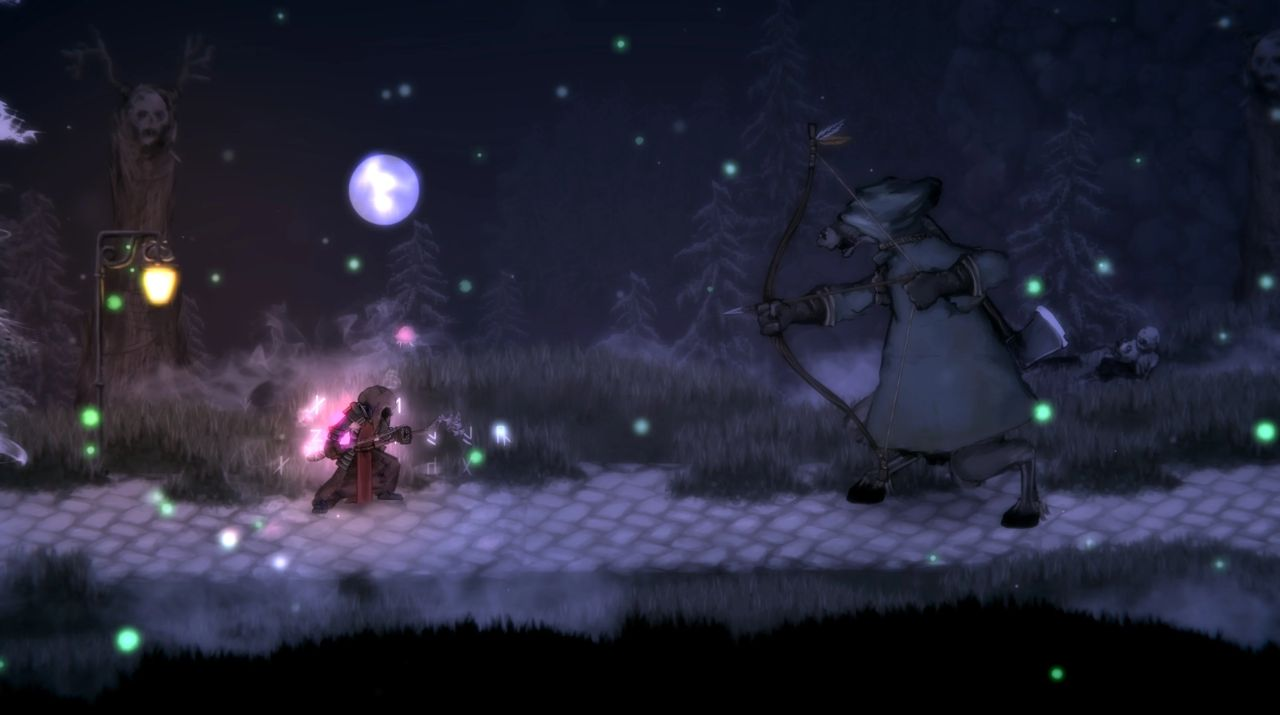
Trailer/Gameplay
Download
Salt and Sacrifice (2022), 0.99GB
ElAmigos release, game is already cracked after installation (crack by Codex/Rune).

Updated to version 2.0.0.0 (09.11.2023).
Change language in game options.

1. Extract files.
2. Burn or mount the image.
3. Install the game.
4. ElAmigos release, game is already cracked after installation.
5. Play the game. If you like this game, BUY IT!
Salt and Sacrifice Download
🔒 Premium access required
To see and use the download links, you must be logged in and have an active PREMIUM account.
* Unlock downloads via Torrent and TeraBox.
Torrent Download
The best torrent download speeds are with qBittorrent!