The Guild 3
Edit date: 3-07-2023, 20:41
Reason: Updated to version 1.0.7 (30.06.2023)
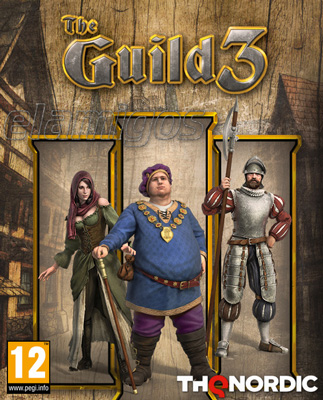
- Category:
- Release date:
- Game Genre:Strategy, Economic, the middle ages, sandbox, RPG elements, life Simulator, Find Your Next Game
- Developer:Purple Lamp Studios / GolemLabs, Publisher: THQ Nordic / Nordic Games
- Release:ElAmigos
- Platform:PC
- Languages (subtitles):English, French, Italian, German, Spanish, Russian, Polish, Japanese, Korean, Simplified Chinese
- Dubbing/Audio:English, German
- Crack:Codex, FLT
- Game size:2.94GB
Game Description
The Guild 3 PC is a real-time medieval economic simulation, strategy game, historical life simulation, and RPG built around one practical goal: turn a modest citizen into the head of a powerful dynasty. The current storefront name remains The Guild 3; there is no verified Steam or GOG rebrand replacing it. You manage businesses, relationships, titles, political influence, and family succession while the surrounding city continues to evolve through the decisions of AI dynasties.
This is not a conventional kingdom-scale grand strategy game. Its focus is narrower and more personal: one character, one household, several businesses, and the social machinery of a late-medieval city.
Build a dynasty through work, trade, and influence
The central loop begins with choosing a profession and establishing a reliable source of income. Your character can pursue artisan production, trade goods, operate service businesses, or follow less respectable routes involving crime and intimidation. Money funds better buildings and equipment, while social standing opens access to guilds, offices, and new opportunities.
Production is connected to the wider economy rather than isolated from it. Businesses require workers, materials, transport, maintenance, and sensible inventory management. Once a business is stable, automation can reduce routine oversight, allowing you to concentrate on expansion, politics, or family affairs.
The game runs in real time, but speed controls and pause functions let you slow down when several characters, buildings, or political events demand attention. The viewpoint is primarily a strategic overhead camera, with an optional first-person viewing mode that lets you look through the eyes of a selected character without changing the underlying management controls.
Professions, skills, and the family enterprise
Professions define the kind of dynasty you are building. The available paths cover commercial, craft, religious, scholarly, and criminal activities, with each route unlocking different actions, products, buildings, and social advantages. Your choice shapes both your income strategy and the relationships you form with guilds and rival families.
Characters develop through a skill tree and a collection of unlockable actions and bonuses. Skills influence how effectively members of your dynasty perform their roles, while abilities and attitudes affect social interactions and access to organizations. The result is a management game where personnel decisions matter as much as building placement.
Marriage and succession keep the campaign moving beyond the first character. A dynasty can continue through multiple generations, giving you reasons to educate heirs, protect valuable relationships, and distribute responsibilities among family members. A successful run is therefore measured by continuity, not simply by the wealth of one individual.
Politics, crime, and a living city
Economic strength is only one route to power. You can seek town council offices, acquire titles, join guilds, build reputation, and compete for influence in civic life. Political progress gives your dynasty authority over decisions that can make commercial expansion easier and weaken competitors.
The social systems also support a more hostile playstyle. Bribery, sabotage, romance, intimidation, and criminal actions can be used against rival dynasties, although aggressive behavior can damage your reputation and create enemies. The important distinction is that these actions operate inside the same city economy as your legitimate businesses; politics and commerce constantly interfere with each other.
AI dynasties make independent decisions, so the city is not simply waiting for the player to act. Competitors establish businesses, pursue offices, build relationships, and react to changing conditions. A market that looks profitable at the beginning of a scenario may become crowded once rival families notice the same opportunity.
Scenarios, maps, and long-term objectives
The game includes 13 scenario maps based on historical locations in Central and Northern Europe. Each map provides a different urban layout, collection of nearby settlements, and competitive environment. The variety is less about a scripted campaign and more about giving repeat players new starting conditions for dynasty-building.
There is no single linear story campaign to complete from beginning to end. Instead, The Guild 3 is structured around open-ended matches and long-form sandbox runs. You decide whether the dynasty should prioritize commercial wealth, political office, social dominance, titles, or a combination of all four.
Day and night cycles and changing seasons affect the rhythm of events and daily activity. These systems make time management relevant: characters, businesses, transport, and civic opportunities do not all operate with the same cadence.
Content model and current PC editions
The current Steam listing presents The Guild 3 as a paid base game with single-player, online cooperative play, online player-versus-player support, Steam Workshop access, Steam Cloud, achievements, and Family Sharing. The storefront separately lists The Guild 3 Soundtrack as downloadable content.
No verified gameplay expansion pack or season pass is listed as part of the current storefront content. Buyers should therefore treat the base game as the main playable package, with the soundtrack as an optional extra rather than a mechanical expansion.
GOG lists the same game under the same name and provides a DRM-free build. GOG Galaxy is optional there, because the game can be installed and played through an offline installer. Steam players use the Steam client and gain access to Workshop and platform-level multiplayer features.
PC features, multiplayer, and mod support
The strongest PC-specific feature is the combination of Steam Workshop and an official map editor. The editor and mod-support update gives players a way to create or alter scenarios instead of relying only on the included maps. This matters for a simulation whose replay value comes from different economies, rivalries, and starting conditions.
Multiplayer supports matches against friends as well as AI dynasties. Steam identifies both online co-op and online PvP, so the game can support shared economic development or direct competition between player-controlled families. It is not presented as a local split-screen experience.
The control scheme is designed around mouse and keyboard management: selecting characters, directing movement, opening production and political interfaces, adjusting game speed, and navigating dynasty information. Steam does not advertise full controller support, so PC players should approach it as a keyboard-and-mouse strategy title rather than a game built around gamepad play.
Localization is broad. The storefront lists interface and subtitle support for English, German, French, Italian, Spanish, Japanese, Korean, Polish, Russian, Simplified Chinese, and Hungarian, while full audio is limited to English and German on the Steam listing. GOG also lists several of these languages, with audio and text coverage varying by language.
Who should play The Guild 3?
The best audience is players who enjoy economic management tied to named characters and social consequences. It suits people who want to run businesses, watch a family change over generations, compete for public office, and make strategic decisions without commanding a traditional army-based empire.
It is less suitable for players seeking a tightly scripted RPG, direct action combat, or a pure city builder where citizens and production chains are the only concerns. The Guild 3 asks you to work through layered menus and overlapping systems rather than follow a clean sequence of missions.
Players comparing it with a more personal medieval settlement game may prefer first-person medieval village builders such as Medieval Dynasty, but The Guild 3 is much more focused on urban commerce, dynastic succession, and political competition.
Similar medieval strategy games on PC
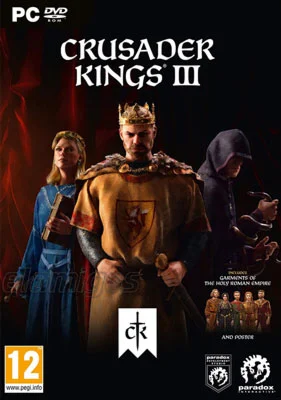
The closest comparison depends on which part of The Guild 3 interests you most. If dynasty politics and generational storytelling are the priority, character-driven medieval grand strategy like Crusader Kings III offers a broader map and larger-scale political play, but it does not center the same way on running individual businesses inside one city.
For players more interested in production chains, commerce, and settlement growth, economic city builders such as Anno 1404 provide a more structured trade-and-population model. The Guild 3 remains more character-focused, with marriage, offices, reputation, guilds, and personal intrigue shaping the economic game.
The Guild 3 occupies an unusual middle ground. It is smaller in political scale than grand strategy, more personal than a conventional city builder, and more systemic than a traditional life simulation.
The Guild 3 FAQ
Is The Guild 3 still called The Guild 3 on PC?
Yes. The current Steam and GOG listings use The Guild 3. No verified storefront rebrand or replacement name has been identified for the PC game.
Is The Guild 3 single-player or multiplayer?
It supports single-player, online cooperative play, and online player-versus-player matches. You can play against AI dynasties or compete with friends, but it is not advertised as a local split-screen game.
Does The Guild 3 have a campaign?
Its structure is based on open-ended scenario maps rather than a linear story campaign. The main progression comes from growing a dynasty, expanding businesses, gaining titles, securing political roles, and surviving competition across generations.
Does The Guild 3 support mods?
Yes. The Steam version includes Steam Workshop support, and the official game site documents an editor for creating or modifying maps and scenarios.
Does The Guild 3 support controllers?
Steam does not list full controller support among the game’s advertised features. The game is designed primarily for mouse-and-keyboard control, which suits its dense management interfaces.
Is The Guild 3 DRM-free?
The GOG edition is listed as DRM-free and can be installed through an offline installer without requiring GOG Galaxy. The Steam edition uses the Steam platform and its associated services.
What does the base game include?
The base package includes the core dynasty, economic, political, profession, scenario, and multiplayer systems. The current Steam content listing separately identifies the soundtrack, while no verified gameplay expansion or season pass is listed.
System Requirements
Minimum: | Recomended: |
| Processor: Intel Core i3-4160 3.6 GHz / AMD FX-6350 3.9 GHz Graphics: 4 GB GeForce GTX 970 / Radeon RX 570 Memory: 8 GB RAM Disk space: 8 GB HDD Operating system: Windows 7/8/10/11 64-bit | Processor: Intel Core i7-4790 3.6 GHz / AMD FX-8350 4.0 GHz Graphics: 4 GB GeForce GTX 1050 Ti / 8 GB Radeon RX 570 Memory: 16 GB RAM Disk space: 8 GB HDD Operating system: Windows 7/8/10/11 64-bit |
Screenshots
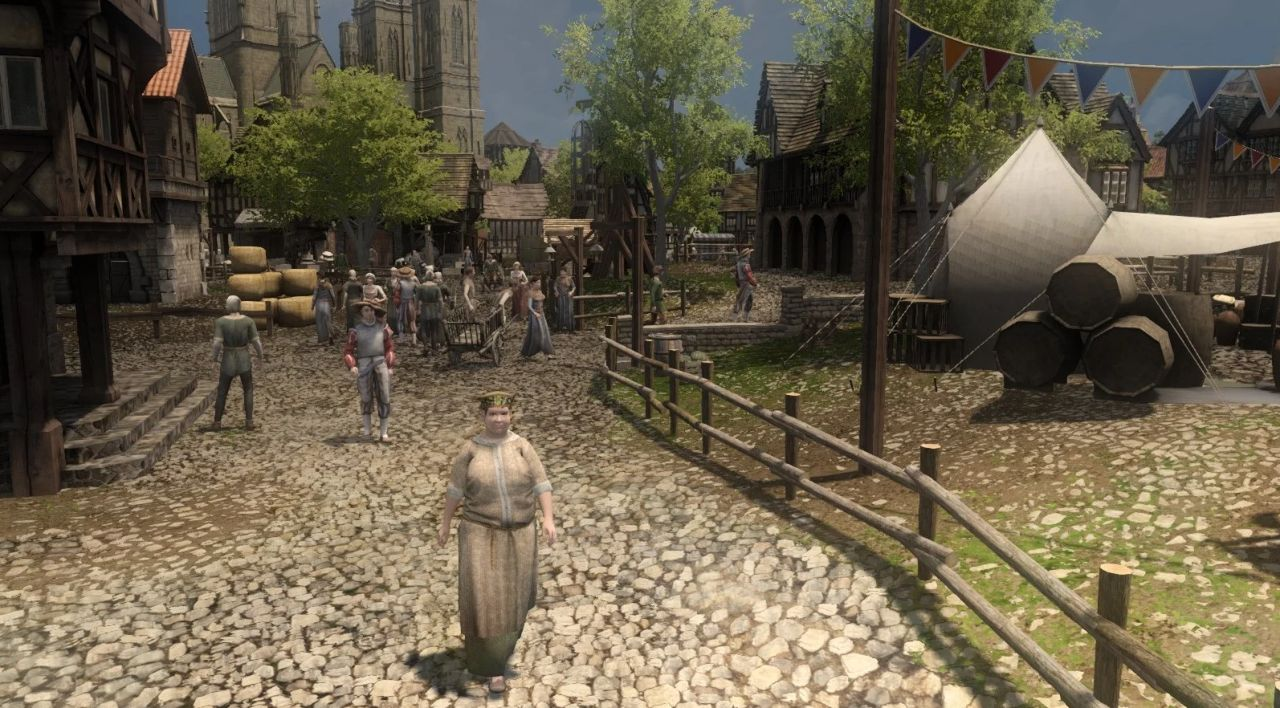
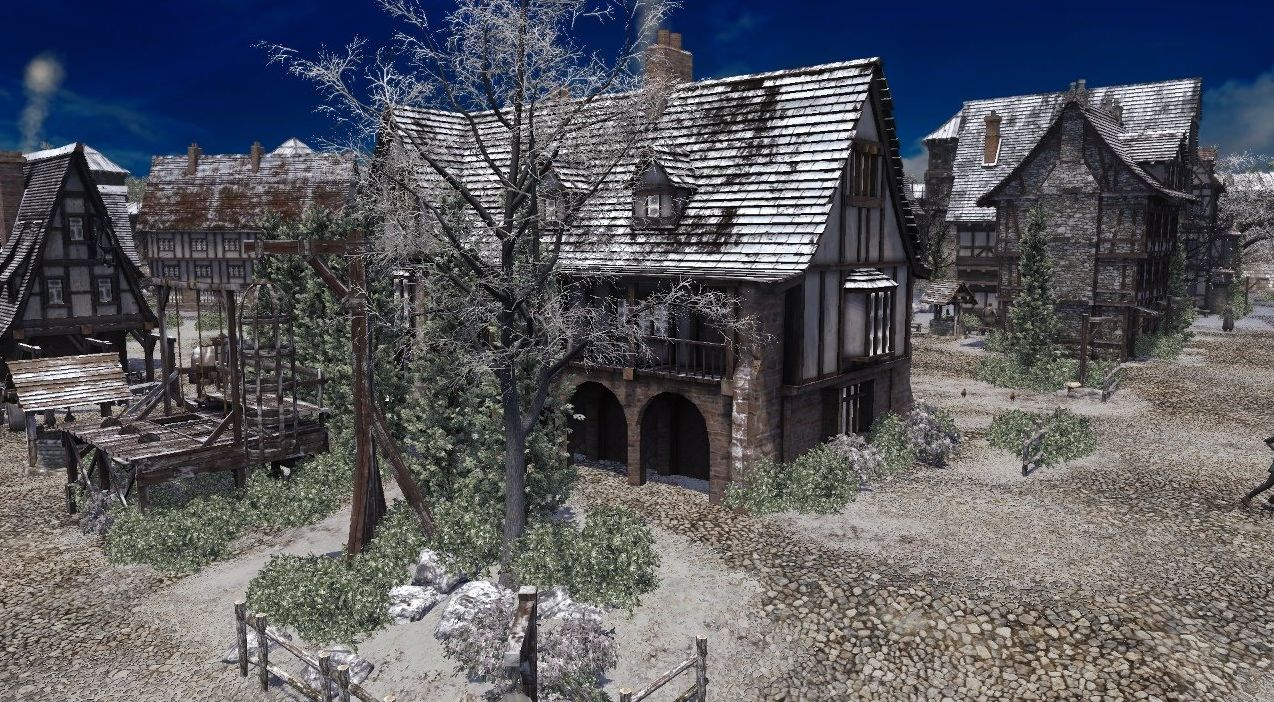
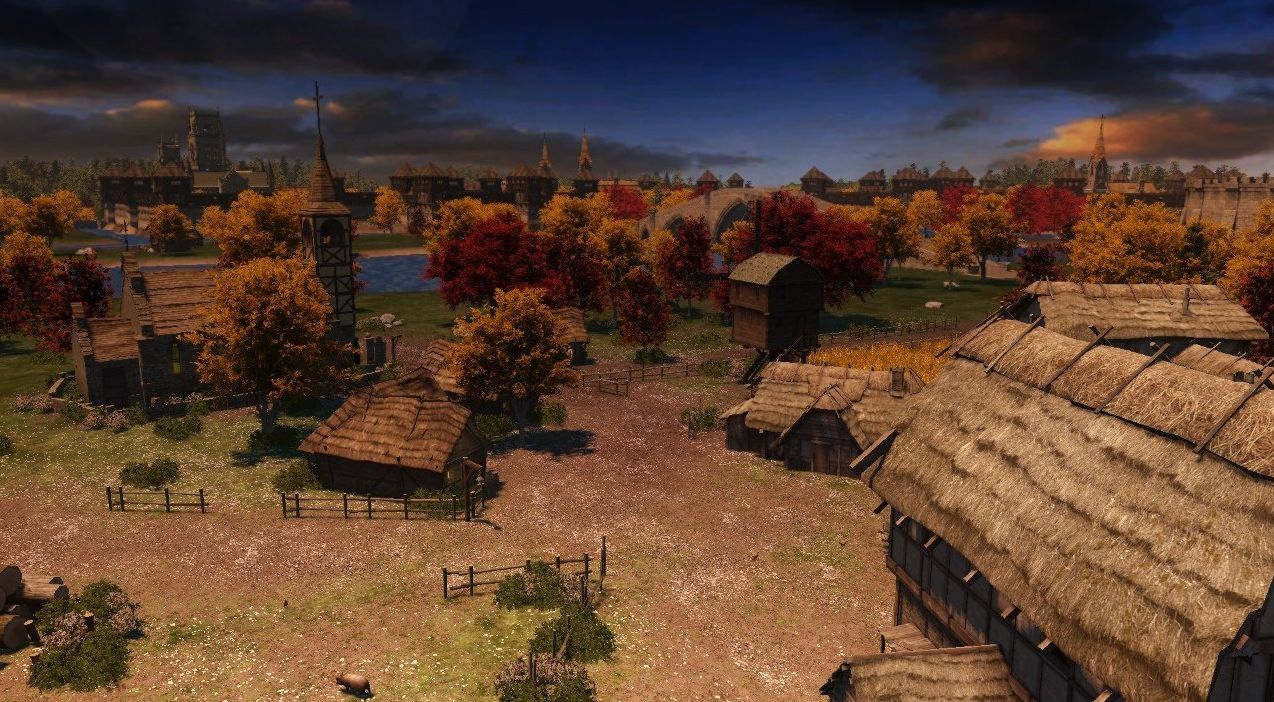
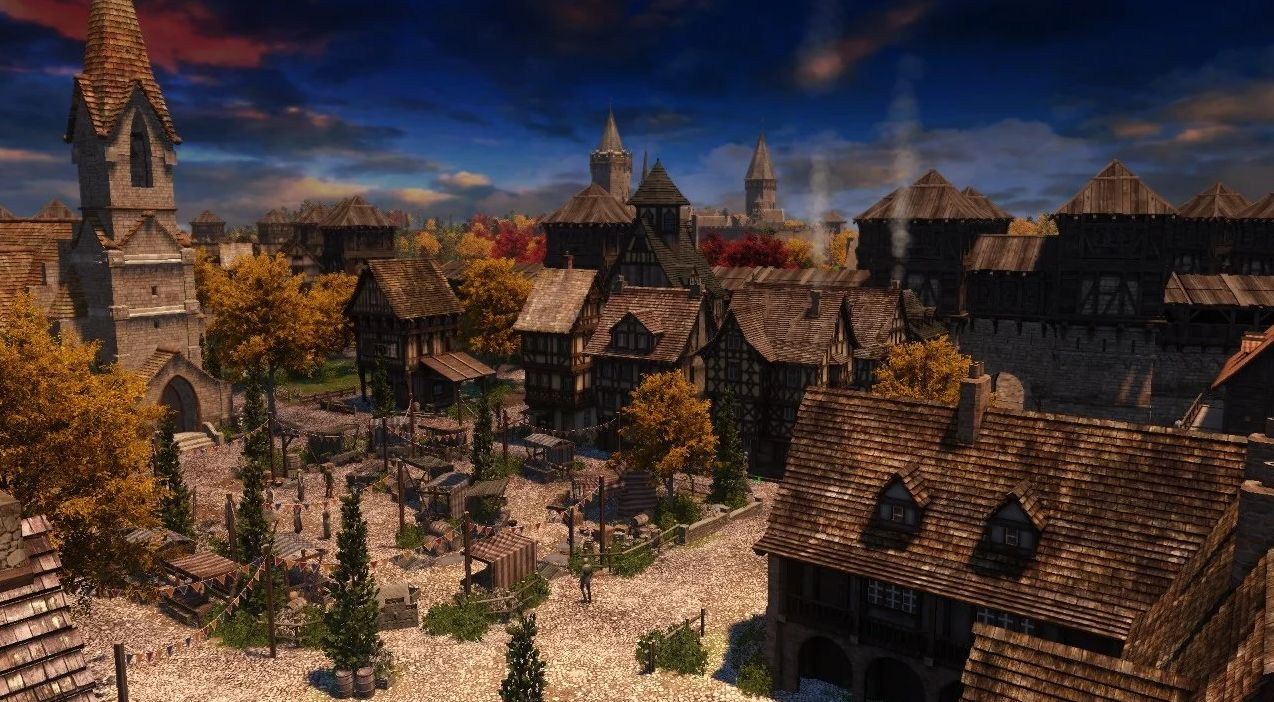
Trailer/Gameplay
Download
The Guild 3 (2022), 2.94GB
ElAmigos release, game is already cracked after installation (crack by Codex or FLT).

Updated to version 1.0.7 (30.06.2023).

1. Extract files.
2. Burn or mount the image.
3. Install the game.
4. ElAmigos release, game is already cracked after installation.
5. Play the game. If you like this game, BUY IT!
The Guild 3 Download
🔒 Premium access required
To see and use the download links, you must be logged in and have an active PREMIUM account.
* Unlock downloads via Torrent and TeraBox.
Torrent Download
The best torrent download speeds are with qBittorrent!