Diablo IV
- Category:
- Release date:
- Game Genre:RPG, fantasy, hack'and'slash, Isometric view, cross-platform, co-op, action RPG, Find Your Next Game, Games as a service
- Developer:
- Platform:PC
- Languages (subtitles):English, French, Italian, German, Spanish - Spain, Japanese, Korean, Polish, Portuguese - Brazil, Russian, Spanish - Latin America, Traditional Chinese, Simplified Chinese, Turkish
- Dubbing/Audio:English, French, Italian, German, Spanish - Spain, Japanese, Korean, Polish, Portuguese - Brazil, Russian, Spanish - Latin America, Traditional Chinese, Simplified Chinese
Game Description
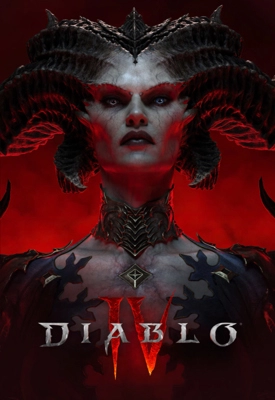
Diablo IV PC is a dark-fantasy action RPG from Blizzard Entertainment, built around isometric combat, character builds, randomized loot, and a shared online world. The current storefront name remains Diablo IV; it has not been rebranded, although current bundles pair the base game with the Vessel of Hatred and Lord of Hatred expansions.
Sanctuary, combat, and the core loop
Diablo IV uses an isometric perspective to keep combat readable while enemies surround the player from every direction. The main loop is direct: explore Sanctuary, complete quests and events, clear dungeons, defeat elite enemies and bosses, then replace or improve equipment to support a stronger build.
Combat is fast but not mindless. Positioning, cooldown timing, resource management, crowd control, and defensive skills all matter, especially as difficulty rises. A well-built character combines active abilities with Legendary Aspects, class passives, weapons, armor, and specialized gear effects rather than simply equipping the item with the highest number.
The open world connects several distinct regions through towns, roads, strongholds, public events, world bosses, and optional activities. Players can follow the campaign through the story of Lilith, explore at their own pace, or move quickly toward endgame challenges after unlocking the relevant progression options.
Classes and build identity
The base class lineup includes the Barbarian, Druid, Necromancer, Rogue, and Sorcerer. Each class has a dedicated skill structure, distinct combat resources, and different ways to convert equipment into a functional build.
Barbarians emphasize close-range weapon mastery and the Arsenal system. Druids combine nature magic with shapeshifting. Necromancers command undead forces through the Book of the Dead, while Rogues mix mobility, ranged attacks, traps, and imbuements. Sorcerers focus on elemental spellcasting, enchantments, and battlefield control.
The Spiritborn, added through Vessel of Hatred, uses agile close-range attacks and the Spirit Hall system linked to Jaguar, Gorilla, Eagle, and Centipede guardians. Lord of Hatred expands the roster further with the Paladin and Warlock, giving players more class fantasies to explore when the required expansion content is owned.
Build experimentation is a central part of the experience. Skill choices can be adjusted, gear can be modified through crafting systems, and the Paragon system adds longer-term specialization after the early skill progression has been established.
Campaign, seasons, and endgame
The campaign provides a structured route through Sanctuary, but Diablo IV is designed to continue after the main story. Dungeons, Helltides, endgame bosses, Nightmare-style challenges, strongholds, public events, and rotating seasonal activities create repeatable goals for players who enjoy refining a character over time.
Character creation separates the Seasonal Realm from the Eternal Realm. Seasonal characters begin a fresh progression cycle and gain access to season-specific rewards and activities, while Eternal characters provide a persistent home for ongoing builds and collected gear. When a season ends, its characters move to the Eternal Realm.
Players who have completed the campaign can use campaign-skip options for later characters, which makes the seasonal loop more practical for returning players and those who want to test several classes. The game therefore supports two different rhythms: a story-first journey for newcomers and a repeatable build-crafting cycle for long-term players.
Vessel of Hatred adds the jungle region of Nahantu, a continuation of Neyrelle's story, Mercenaries, Runewords, the Party Finder, and the cooperative Dark Citadel activity. Lord of Hatred continues the wider conflict surrounding Mephisto and introduces additional campaign and endgame content alongside broad system updates.
Content model and current editions
The current PC product is a paid base game supported by ongoing seasonal content. The base game contains its own campaign, classes, open world, dungeons, multiplayer systems, and endgame activities. Seasonal updates are part of the live-service structure, while expansions are separate paid content.
Vessel of Hatred requires the Diablo IV base game and adds its campaign chapter, Nahantu, the Spiritborn class, Mercenaries, Runewords, and the Dark Citadel. The current Age of Hatred Collection is aimed at new players because it combines the base game with the expansion content and the current Lord of Hatred edition.
Diablo IV also includes an in-game shop and optional Battle Pass tracks. The paid rewards focus on cosmetics and premium currency rather than direct character power, while seasonal gameplay rewards and progression remain available through play.
Who should play Diablo IV on PC?
Diablo IV suits players who want a polished loot-driven action RPG with a dark setting, quick combat, flexible character builds, and a large amount of repeatable content. It is especially effective for players who enjoy turning a rough class concept into a focused build through gear interactions, Paragon choices, and increasingly difficult activities.
It is less suitable for anyone looking for a fully offline RPG, a purely linear campaign, or a traditional single-player experience with no seasonal reset structure. The game requires an internet connection and a Battle.net account, even when playing alone.
Players who prefer a more self-contained ARPG with a stronger offline identity may find the structure of dark, class-driven hack-and-slash games such as Grim Dawn more suitable. Diablo IV instead places greater emphasis on its shared world, cross-platform community, and evolving seasonal ecosystem.
PC features, controls, and online ecosystem
On PC, Diablo IV supports keyboard and mouse as well as full controller support, including Xbox controllers and compatible PlayStation controllers. The interface is designed to accommodate both input styles, which makes the game comfortable for traditional desktop play and controller-focused setups.
The Steam edition retains the official name Diablo IV, but it still requires a third-party Battle.net account and an internet connection. Players using Steam should also expect Battle.net account integration rather than a completely isolated Steam-only login system.
PC players receive cross-play and cross-progression across supported platforms when the same Battle.net account is used. Online co-op supports groups of up to four, and the storefront also lists online PvP. Couch co-op is a console feature, so PC players should not expect native split-screen multiplayer.
The PC storefront lists 14 supported languages, with interface, subtitles, and full audio available in most listed languages. Turkish is listed with interface and subtitle support but without full audio. Steam also includes achievements and accessibility options such as adjustable text size, subtitle settings, color alternatives, and camera comfort controls.
Similar PC action RPGs
Diablo IV's closest comparisons are other loot-focused isometric action RPGs rather than conventional party-based role-playing games. Colorful co-op dungeon crawlers like Torchlight III share the class, loot, and monster-clearing foundation, but Diablo IV has a darker presentation and a more persistent shared-world structure.
The distinction is also useful when comparing it with Grim Dawn. Grim Dawn is more self-contained and traditionally structured, whereas Diablo IV is built around shared towns, seasonal characters, cross-play, live updates, and a long-term endgame loop. The right choice depends on whether you value persistence and online activity or a more independent campaign-and-build experience.
Diablo IV FAQ
Has Diablo IV been renamed on PC?
No. The current Steam and Blizzard storefront identity remains Diablo IV. The naming changes players may encounter refer to expansions and collections, including Vessel of Hatred, Lord of Hatred, and the Age of Hatred Collection, not a replacement name for the base game.
Is Diablo IV an offline game?
No. Diablo IV requires an internet connection and a Battle.net account on PC. This applies to solo play as well as multiplayer, because the game is built around a shared online world and account-based progression.
Does Diablo IV support PC co-op?
Yes. PC players can join online co-op groups of up to four and use cross-play with supported platforms. PC does not provide the console version's couch co-op or split-screen mode.
What is included in the Diablo IV base game?
The base game includes the main campaign, its original class lineup, the open world of Sanctuary, dungeons, public events, PvP areas, seasonal systems, and endgame activities. Vessel of Hatred and Lord of Hatred are separate expansion content and require the base game.
Do Diablo IV seasons require a new character?
Seasonal play uses a fresh Seasonal Realm character and a separate progression cycle. Seasonal characters later transfer to the Eternal Realm when the season concludes, while cosmetics and selected account-wide progress can remain available across the wider account ecosystem.
Does the Battle Pass provide gameplay power?
The paid Battle Pass tracks are focused on cosmetics and premium currency. Gameplay-affecting seasonal rewards are earned through progression requirements rather than purchased directly, while the in-game shop is primarily used for cosmetic customization.
System Requirements
Minimum: | Recommended: |
| Processor: Intel® Core i5-2500K or AMD™ FX-8350 Graphics: NVIDIA® GeForce GTX 660 or AMD Radeon™ R9 280 Memory: 8 GB RAM Disk space: SSD with 90 GB of free disk space Operating system: 64-bit Windows® 10 version 1909 or later | Processor: Intel® Core i5-4670K or AMD™ R3-1300X Graphics: NVIDIA® GeForce GTX 970 or AMD Radeon™ RX 470 Memory: 16 GB RAM Disk space: SSD with 90 GB of free disk space Operating system: 64-bit Windows® 10 version 1909 or later |
Screenshots
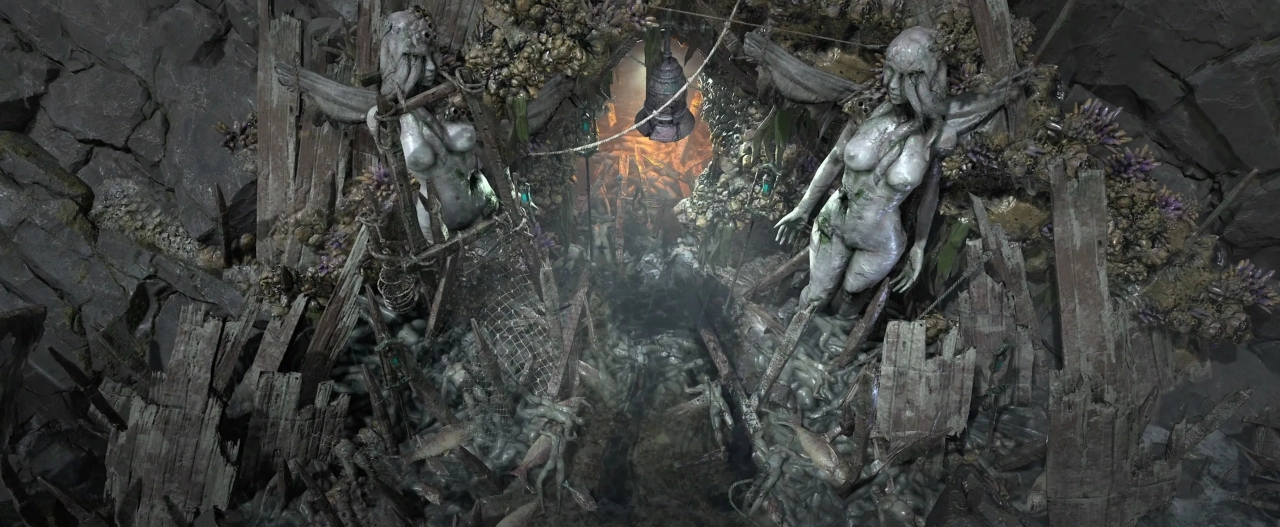
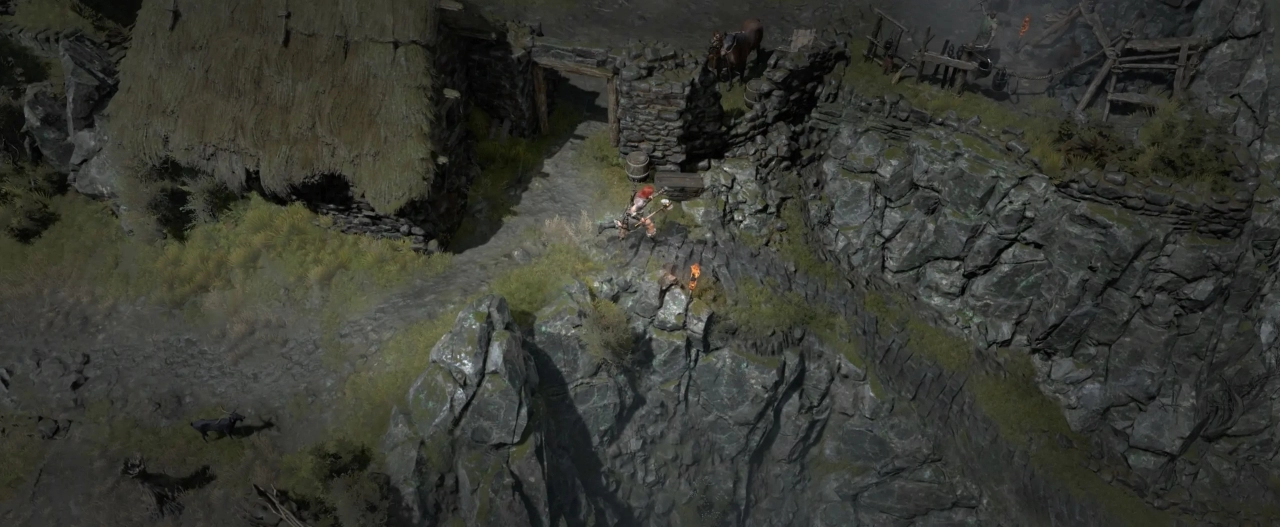
Trailer/Gameplay
Download
Diablo IV (2023)

1. Extract files.
2. Burn or mount the image.
3. Install the game.
4. ElAmigos release, game is already cracked after installation.
5. Play the game. If you like this game, BUY IT!
Diablo IV Download
🔒 Premium access required
To see and use the download links, you must be logged in and have an active PREMIUM account.
* Unlock downloads via Torrent and TeraBox.