Diablo II Resurrected
Edit date: 31-08-2026, 21:08
Reason: + update 3.2.92777 (19.05.2026)
- Category:
- Release date:
- Game Genre:RPG, fantasy, hack'and'slash, Isometric view, reeditions/remasters/remakes, cross-platform, co-op, action RPG, Find Your Next Game, E3 2021
- Developer:Blizzard Entertainment / Vicarious Visions, Publisher: Blizzard Entertainment
- Release:ElAmigos
- Platform:PC
- Languages (subtitles):English, French, Italian, German, Spanish, Spanish (Mexico), Polish, Russian, Portuguese-Brazil, Korean, Japanese, Simplified Chinese, Traditional Chinese
- Dubbing/Audio:English, French, German, Spanish, Polish, Portuguese-Brazil
- Crack:Rune
- Game size:31.55GB
Game Description
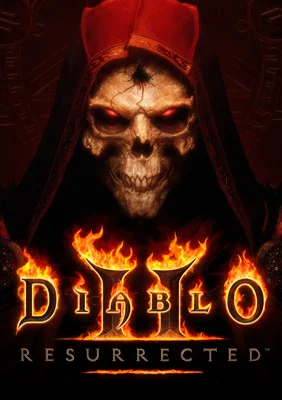
Diablo II: Resurrected is a dark-fantasy isometric action RPG for PC built around class specialization, randomized loot, skill synergies, and repeatable boss hunting. The game itself keeps the Diablo II: Resurrected name, while the current all-content storefront package is branded Diablo II: Resurrected – Infernal Edition, combining the remaster, Lord of Destruction, and the Reign of the Warlock expansion.
The PC version preserves the original game's demanding character systems while adding remastered presentation, modern interface options, controller support, and expanded endgame features. It is still a premium game rather than a free-to-play service, with content determined by the edition or DLC purchased.
Classic isometric combat with demanding character builds
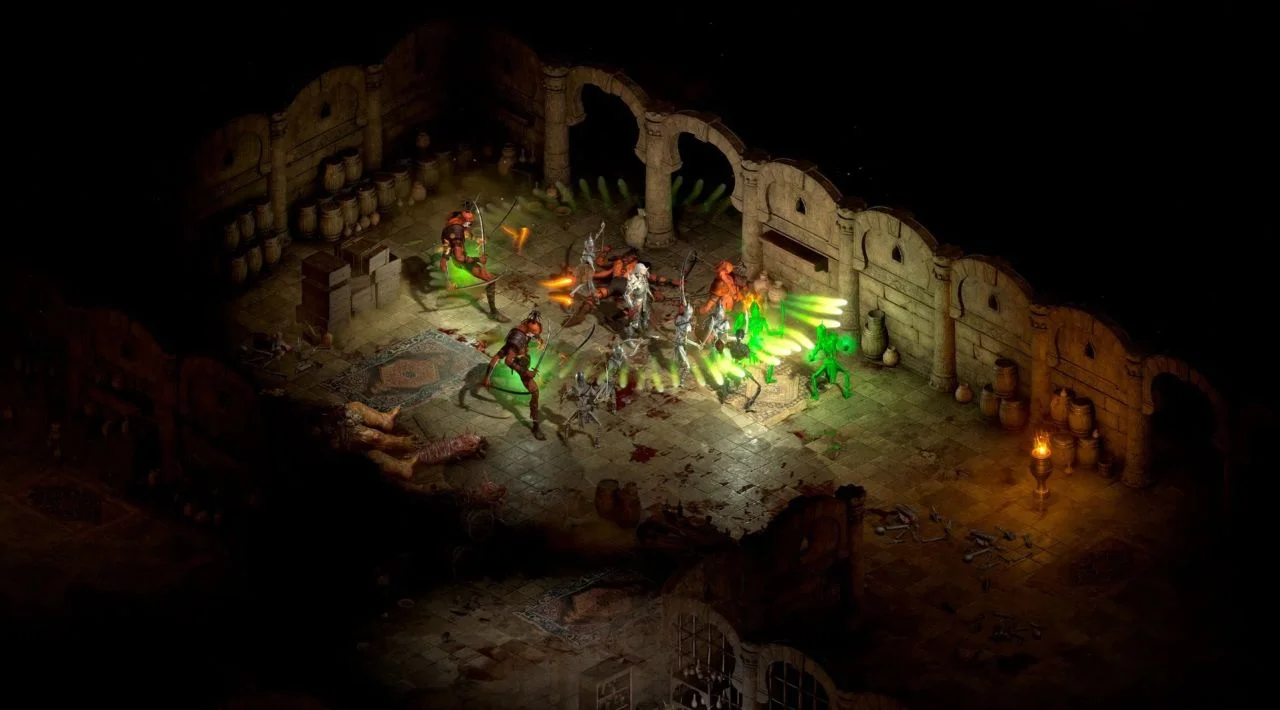
The core loop is direct: choose a class, travel through Sanctuary, complete quests, clear monster-filled areas, defeat bosses, collect equipment, and refine your build for higher difficulty. Combat uses an isometric perspective with real-time movement, targeted skills, resource management, positioning, resistances, and enemy immunities.
The campaign follows a focused act structure rather than an open world. Towns act as safe hubs for vendors, quests, storage, and character preparation, while wilderness zones and dungeons provide the combat spaces where most progression happens. Waypoints connect important locations and make repeated farming routes more practical.
Character power comes from more than simply finding higher-level equipment. Skill trees, passive bonuses, weapon bases, resistances, faster-cast or attack thresholds, blocking, life, mana, charms, and item modifiers all influence whether a build works in difficult areas.
That complexity creates a distinctive mastery loop. A character that performs well against ordinary enemies may still struggle against bosses, resistant monsters, or areas that expose weaknesses in damage type, survivability, or resource control.
Classes, skills, runes, and item synergies
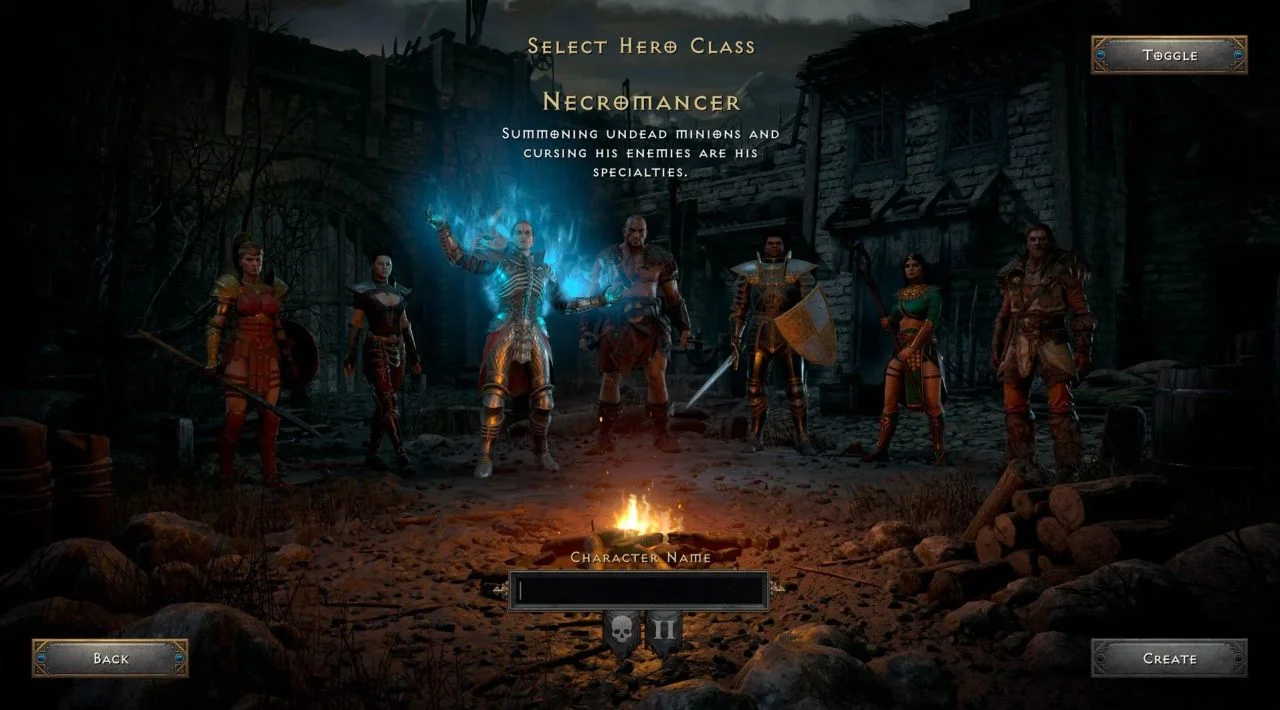
The original seven classes remain central to the experience: Amazon, Assassin, Barbarian, Druid, Necromancer, Paladin, and Sorceress. The current Warlock content adds an eighth option with a different approach to combat and equipment.
Each classic class has a distinct identity. The Amazon specializes in ranged weapons and javelins, the Barbarian uses physical attacks and weapon mastery, the Necromancer combines summons with curses and poison, and the Paladin supports allies through auras while using martial skills.
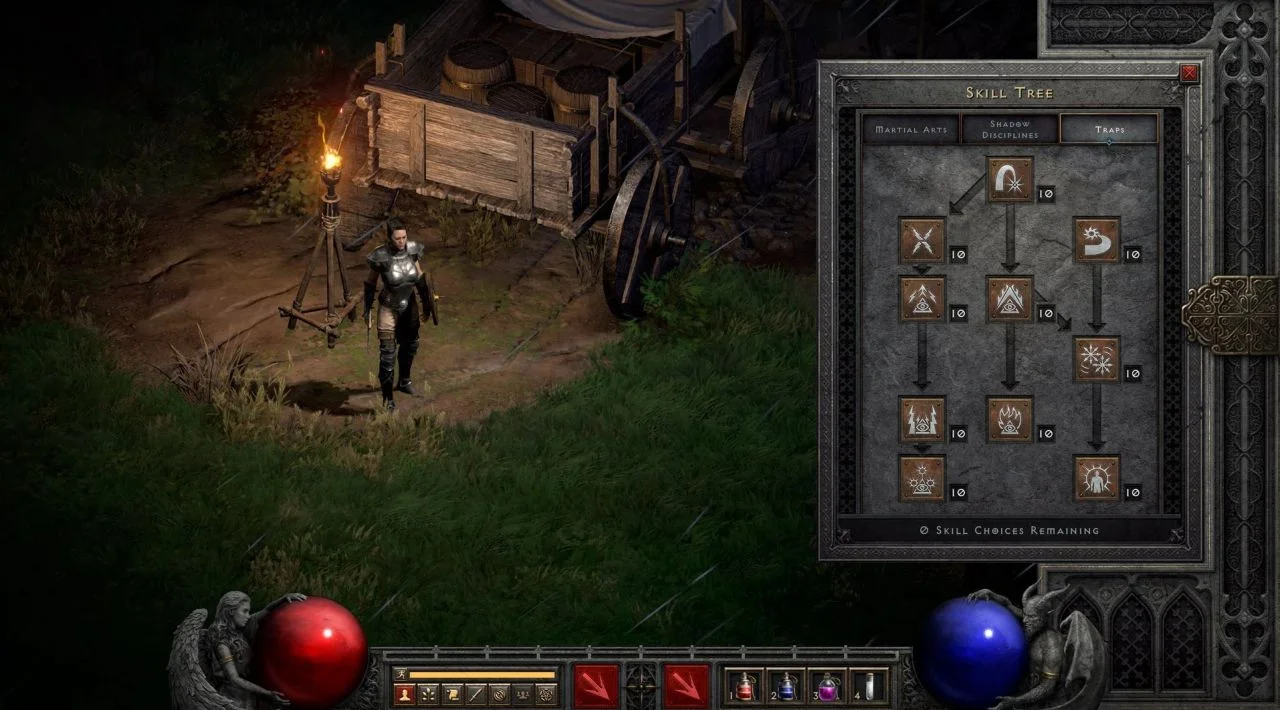
The Druid shifts between elemental magic, shapeshifting, and companions. The Sorceress focuses on fire, cold, and lightning spells, while the Assassin combines martial arts, traps, and tactical utility. These are not interchangeable ability lists; class selection determines how equipment, skills, and party roles interact.
Runewords are one of the game's defining progression systems. Placing a specific rune sequence into a compatible socketed item can create powerful bonuses, but the result depends on the item base, available sockets, rune cost, and the needs of the build. Runes also function as valuable crafting and trading resources.
The Warlock follows three paths: demonic binding, eldritch weapons, and chaos magic. This class can enslave demons, empower weapons with forbidden effects, or attack from range with Hell, fire, and shadow abilities. Its inclusion expands the build sandbox without replacing the classic classes.
Campaign content and the current Infernal Edition
The remaster includes the original Diablo II campaign and the Lord of Destruction expansion. Together they provide five acts, additional areas, expanded equipment, and the Assassin and Druid classes. The campaign remains the foundation for both first-time play and repeated character progression.
The current Infernal Edition adds the Reign of the Warlock DLC. It includes the Warlock class, new items, new sets, new runewords, updated Terror Zones, the Colossal Ancients encounter, the Chronicle collection system, expanded stash features, and a customizable loot filter.
Reign of the Warlock is more than a cosmetic bundle, but it does not replace the original campaign with a separate adventure. Its value is concentrated in new build possibilities, endgame challenges, collection tracking, and quality-of-life changes for players already familiar with the existing rules.
The game also separates multiple character environments. Classic, Resurrected, and Reign of the Warlock characters occupy distinct eras, allowing players to experience different rulesets without mixing progression between them. Characters can move forward into later eras, but they cannot be transferred backward.
Ladder, Hardcore, and the long-term progression loop
Ladder mode gives online players a seasonal structure built around fresh characters, rankings, and a competitive reset. It is aimed at players who enjoy starting from limited resources, rebuilding a character, and comparing progress with the wider community.
Hardcore mode changes the risk profile by making character death permanent. Defensive planning becomes as important as damage output, and choices involving escape skills, resistances, recovery, and safe positioning matter throughout the campaign.
Players who prefer a slower solo loop can create offline characters. Offline and online characters are separate, so an offline hero cannot join Battle.net sessions or participate in online Ladder progression. This distinction is important when deciding whether trading, multiplayer, or self-contained character development is the priority.
Boss runs, targeted farming routes, rare item hunting, build testing, and repeated difficulty clears provide the main replay structure. Diablo II: Resurrected does not depend on a conventional quest-completion endpoint; its lasting appeal comes from improving a character and chasing increasingly specific equipment.
PC features, controls, and online requirements
On PC, the game is distributed through the Battle.net ecosystem, and the current Steam edition also requires a Battle.net account. Online play depends on Blizzard's account and server infrastructure, while offline characters provide a separate solo mode after installation and authentication.
Keyboard and mouse remain strong choices for cursor-based movement, precise targeting, inventory management, and fast menu navigation. The remaster also includes full controller support with a direct-movement interface and controller-oriented skill access.
Players can rebind keyboard and mouse actions, adjust interface readability, scale fonts, and use accessibility settings such as color and contrast options. These changes reduce friction without turning the combat or item systems into a simplified modernized variant.
The remaster provides a Legacy graphics toggle, allowing players to switch between the new presentation and the original visual style. It also includes updated cinematics, remastered audio, modern stash functionality, automatic gold pickup, and cross-progression for supported platforms when the same Battle.net account is linked.
Online sessions support up to eight players and include cooperative play, cross-platform multiplayer functionality, friend invitations, and shared combat spaces. PC players should not expect local split-screen co-op; group play is built around online sessions.
Localization covers English, French, Italian, German, European Spanish, Latin American Spanish, Korean, Polish, Traditional Chinese, Japanese, Brazilian Portuguese, and Russian. Interface, subtitles, and full audio availability should still be checked in the client for the selected language.
Who should play Diablo II: Resurrected?
Diablo II: Resurrected suits players who enjoy deep loot systems, deliberate build planning, dark fantasy, repeatable boss encounters, seasonal resets, and long-term character optimization. It is particularly strong for players who want a compact campaign paired with an unusually deep item and skill structure.
The game is less suitable for anyone seeking a forgiving progression path, a modern quest tracker, fully flexible character respecs, or casual drop-in multiplayer with minimal preparation. Many of its most important systems are only partially explained, and effective builds often require attention to resistances, synergies, item bases, and breakpoints.
Players who prefer a more self-contained dark-fantasy ARPG with dual-class development, factions, crafting, and extensive mod support may find offline-friendly loot adventures such as Grim Dawn more flexible. Diablo II remains the sharper choice for class identity, runewords, boss farming, and the tension of scarce upgrades.
Similar PC action RPGs
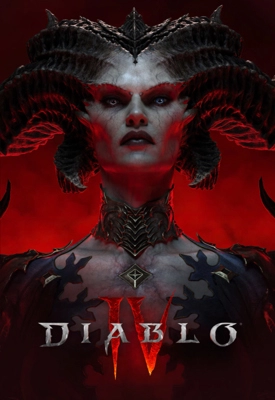
For a newer Blizzard interpretation of loot-driven combat, shared-world action RPG progression in Diablo IV offers seasonal systems, broader social spaces, and a more guided interface. Diablo II: Resurrected is more compact and more demanding, with separate offline and online characters and a stronger emphasis on item knowledge.
Players wanting a darker isometric campaign with unusual character control can also consider realm-switching hack-and-slash gameplay in Shadows: Awakening. It is more story-focused and less centered on online Ladder progression, while Diablo II places its emphasis on class builds, loot tables, and repeated endgame farming.
These comparisons highlight Diablo II: Resurrected's specific position on PC. It is not simply a modern loot game with updated visuals; it is a preserved classic ruleset expanded with selective quality-of-life features and a current Warlock-focused content layer.
Diablo II: Resurrected FAQ
Has Diablo II: Resurrected been renamed?
No. Diablo II: Resurrected remains the game title. Diablo II: Resurrected – Infernal Edition is the current all-content package name, while Reign of the Warlock is the expansion and DLC name.
What does the Infernal Edition include?
It includes the remastered Diablo II base game, the Lord of Destruction expansion, and Reign of the Warlock. The package therefore includes the classic seven classes plus Warlock, the full campaign structure, expanded item systems, new endgame features, and current quality-of-life additions.
Can Diablo II: Resurrected be played offline on PC?
Yes. Offline characters are supported after installation and authentication. They use a separate progression environment from online Battle.net characters and cannot participate in online multiplayer or Ladder rankings.
Does the PC version support co-op?
Yes. Online co-op supports sessions of up to eight players. The PC version does not use local split-screen co-op, so multiplayer groups need to connect through the online service.
Does Diablo II: Resurrected support controllers?
Yes. Controller support is available alongside keyboard and mouse input. Controller play uses a different interface and direct character movement, while mouse and keyboard remain useful for inventory organization and precise targeting.
Is Reign of the Warlock required to play the classic classes?
No. The original Diablo II and Lord of Destruction content can be played without the Warlock DLC. Reign of the Warlock is required for the Warlock class and its associated endgame, item, collection, and inventory features.
System Requirements
Minimum: | Recomended: |
| Processor: Intel Core i3-3250 3.5 GHz / AMD FX-4350 4.2 GHz Graphics: 2 GB GeForce GTX 660 / Radeon HD 7850 Memory: 8 GB RAM Disk space: 30 GB HDD Operating system: Windows 10 | Processor: Intel Core i5-9600K 3.7 GHz / AMD Ryzen 5 2600 3.4 GHz Graphics: 6 GB GeForce GTX 1060 / 8 GB Radeon RX 5500 XT Memory: 16 GB RAM Disk space: 30 GB HDD Operating system: Windows 10 |
Screenshots

Trailer/Gameplay
Download
Diablo II Resurrected Infernal Edition (2021), 31.55GB
ElAmigos release, game is already cracked after installation (crack by Rune).

Updated to version 3.0.91636 (11.02.2026)

1. Extract files.
2. Burn or mount the image.
3. Install the game.
4. ElAmigos release, game is already cracked after installation.
5. Play the game. If you like this game, BUY IT!
Diablo II Resurrected Infernal Edition Download
Diablo 2 Resurrected | Diablo 2 Remastered
🔒 Premium access required
To see and use the download links, you must be logged in and have an active PREMIUM account.
* Unlock downloads via Torrent and TeraBox.
+ update 3.2.92777 (19.05.2026), 167MB
🔒 Premium access required
To see and use the download links, you must be logged in and have an active PREMIUM account.
* Unlock downloads via Torrent and TeraBox.
DLC: Reign of the Warlock.
Torrent Download
The best torrent download speeds are with qBittorrent!