The Muller-Powell Principle
- Category:
- Release date:
- Game Genre:Adventure, FPP, science fiction, thriller, horror, logical elements, indie games, exploration games
- Developer:Three Dots Games
- Release:ElAmigos
- Platform:PC
- Languages (subtitles):English, Russian
- Dubbing/Audio:English
- Crack:Codex/Rune, FLT
- Game size:13.74GB
Game Description
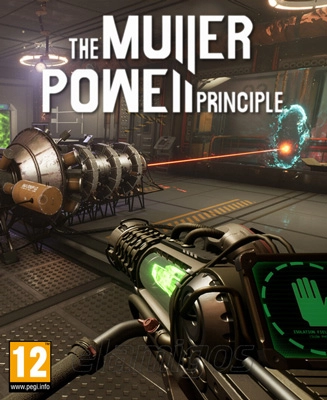
The Muller-Powell Principle is a first-person sci-fi puzzle thriller for PC about Harry Herman, a scientist drawn into a failed interdimensional experiment. The current storefront still uses the original name; the announced Director's Cut is a planned update and not a confirmed replacement listing. Three Dots Games is credited as developer, while the current Steam page credits Take Aim Games as publisher.
Its main appeal is the combination of surreal exploration, environmental problem solving, hostile creatures, and a weapon that functions as more than a weapon. Players move through parallel worlds, investigate Delta Laboratories, and decide how much to trust the people and evidence they encounter.
Energy manipulation drives the puzzle loop
The game is played from a first-person perspective, with exploration and object interaction forming the foundation of progression. Rooms are built around clues, machinery, portals, obstacles, terminals, and physical objects that may need to be carried, connected, charged, moved, or repurposed.
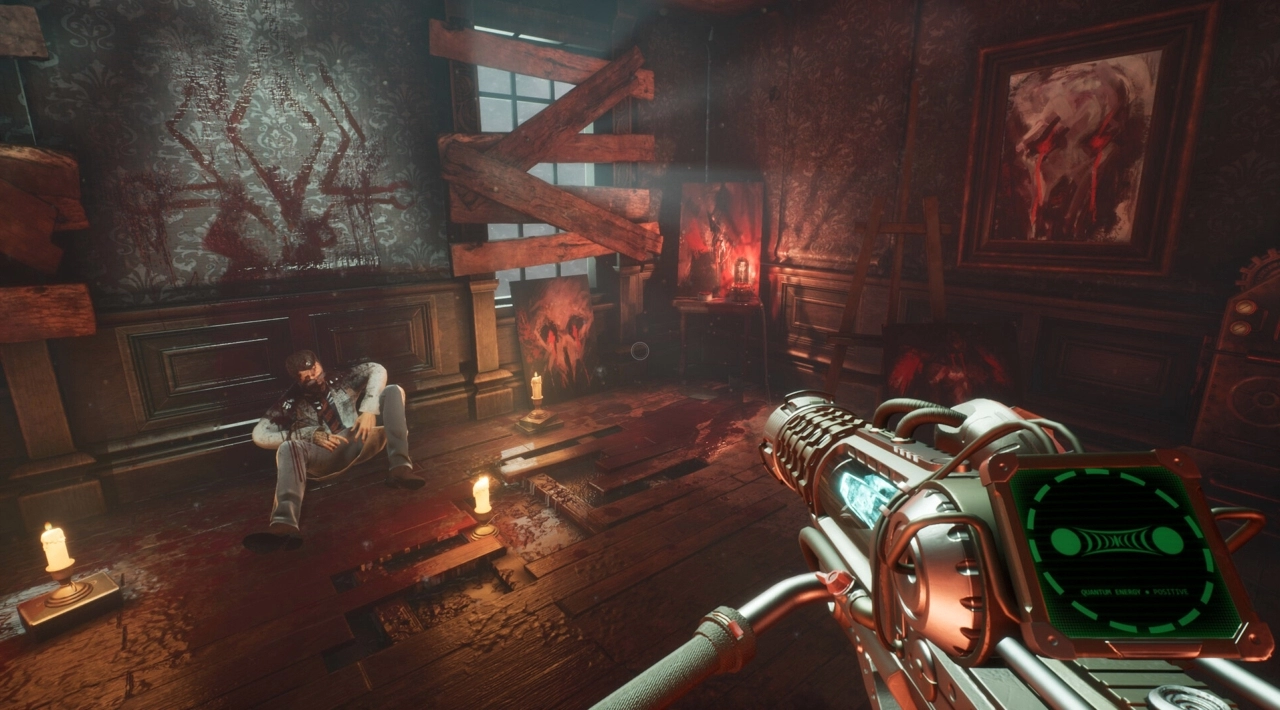
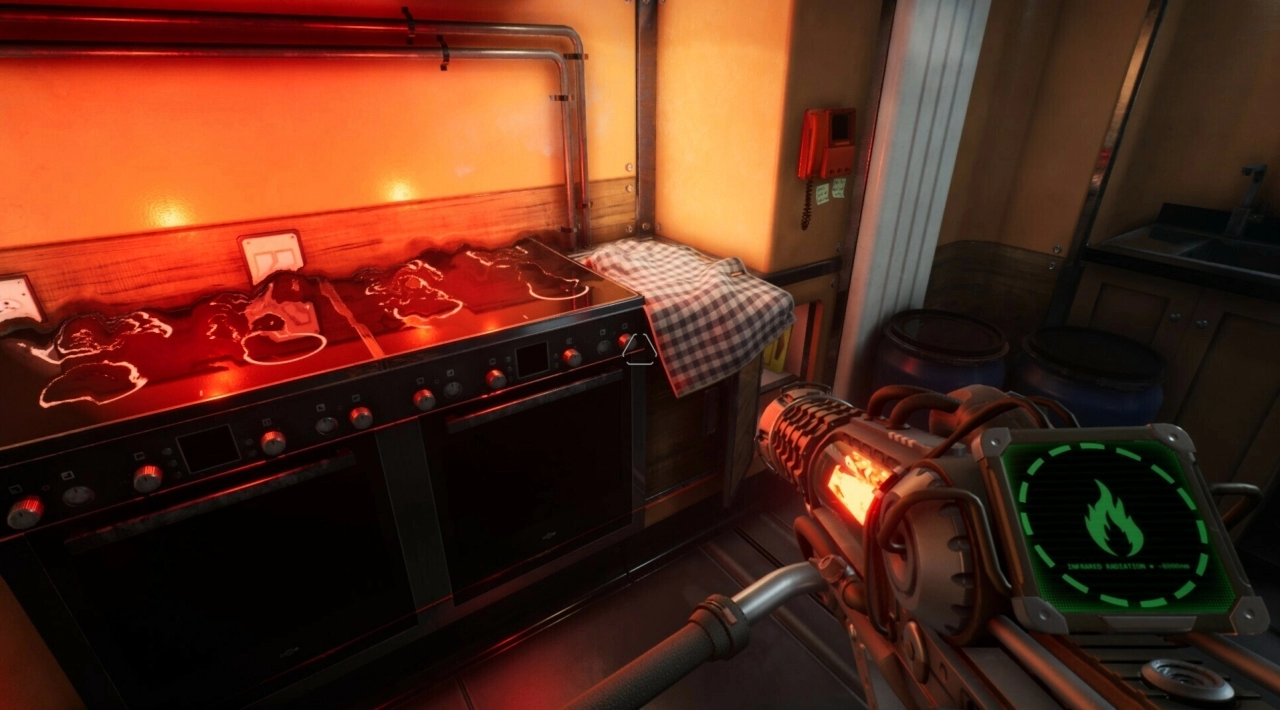
The defining tool is the Portable Energy Manipulator. It can absorb different energy types from the environment and use them for separate functions. That makes the central loop less about finding a single obvious key and more about identifying what a location is asking you to understand.
A generator may simply restore power, but other situations require several actions in the correct order. A box, ordinary object, computer terminal, or apparently unimportant piece of scenery can become part of the solution. The game deliberately avoids always marking the correct route, so observation and experimentation matter more than following highlighted objectives.
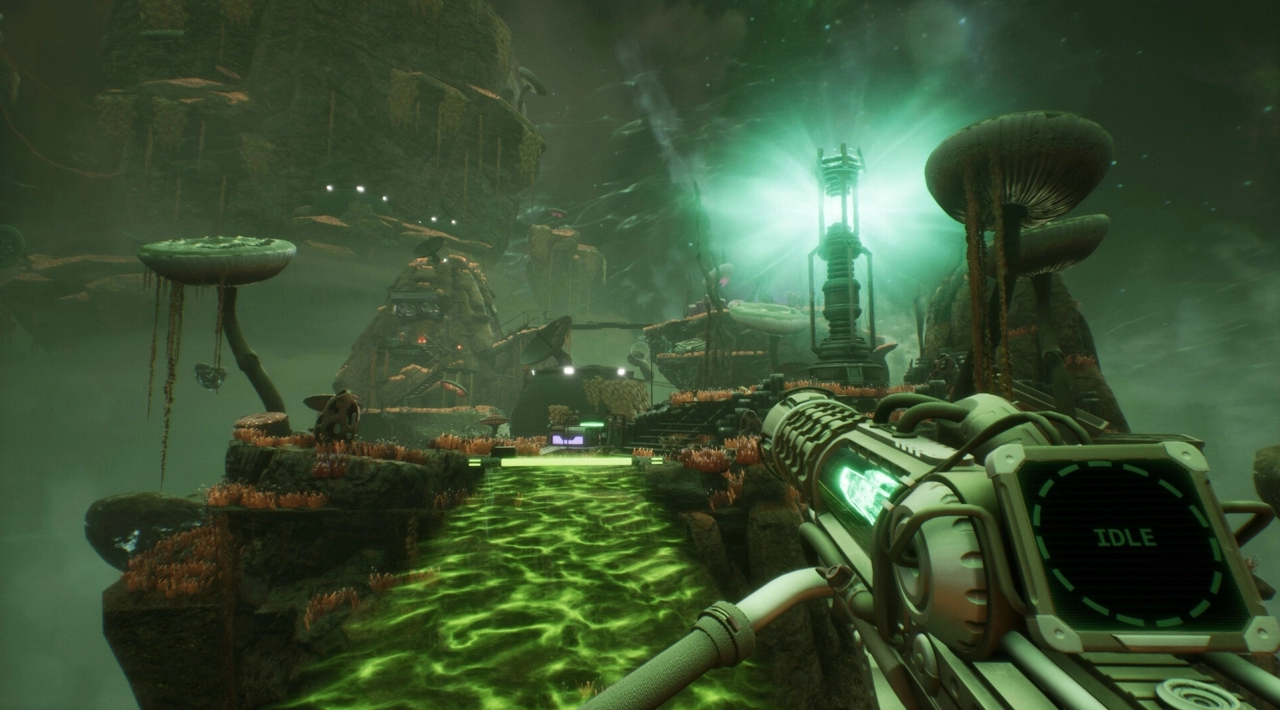
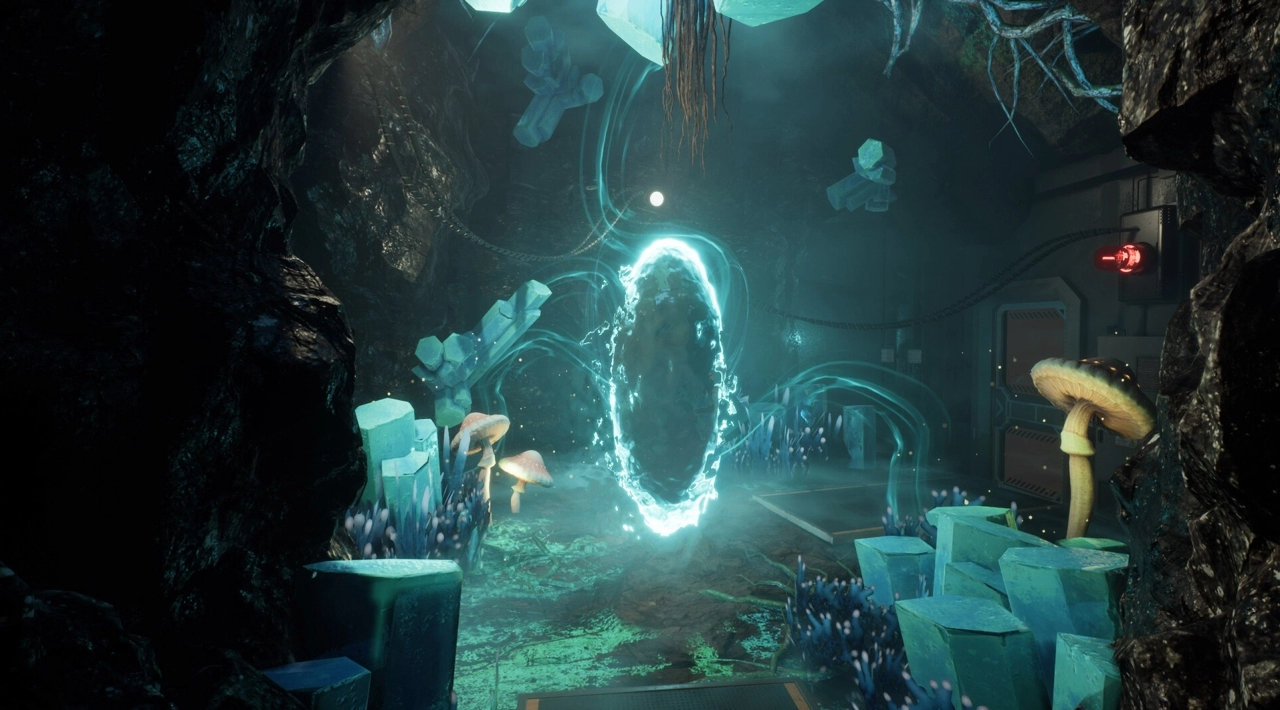
Portals connect the game's parallel dimensions and provide both traversal opportunities and narrative context. They also help establish the game's unusual rhythm: a familiar space can lead to a distorted version of itself, where the same problem-solving habits no longer apply in exactly the same way.
Surreal worlds, enemies, and physical threats
The Muller-Powell Principle is not a pure logic puzzler. Its environments contain creatures and hostile encounters, and the Manipulator can be used to trick enemies as well as solve environmental problems. The result is closer to a puzzle adventure with thriller and light horror elements than to a calm test-chamber game.
The game mixes abandoned research facilities with strange landscapes, portals, and otherworldly locations. Each area contributes clues through environmental storytelling, notes, conversations, and terminals rather than relying only on a linear exposition sequence.
Some sequences shift the emphasis toward movement, pursuit, or confrontation. The developers have specifically identified chase segments and boss fights as areas targeted for improvement in the planned Director's Cut, which is important context for players deciding whether to play the current build immediately or wait for the revised version.
A mystery shaped by player choices
The story follows Harry Herman as he tries to understand what happened at Delta Laboratories and why he is trapped across interdimensional spaces. The premise combines a near-future research facility, a failed experiment, and questions about identity, responsibility, and escape.
Dialogue, written clues, and environmental details gradually reveal the situation. The game also presents multiple endings, giving player decisions more weight than a purely linear puzzle campaign. Who you believe, which route you pursue, and whether you focus on escape or investigation can affect how the story resolves.
This structure creates a different kind of replay value from procedural games. The world itself is authored rather than randomly generated, but revisiting locations and making different decisions can expose alternate outcomes and additional context.
Content model and current edition status
The main game is a paid single-player release on PC. It is not presented as a free-to-play title, and no separate season pass or conventional DLC lineup is identified on the current storefront listing.
Players may also encounter The Muller-Powell Principle: Foreword, a separate free prologue designed to introduce the setting, mechanics, creatures, and core ideas. It should be treated as an introductory companion product rather than a renamed edition of the full game.
The current product remains listed as THE MULLER-POWELL PRINCIPLE. Three Dots Games has announced a Director's Cut intended to address bugs and technical issues, improve chase and boss sequences, revise story and dialogue presentation, optimize the game, and expand localization. Until that update changes the storefront product, the original listing is the relevant edition for PC catalog searches.
Who should play it?
This is a good fit for players who enjoy first-person environmental puzzles, surreal science-fiction settings, and mysteries that leave room for interpretation. It suits people who are willing to inspect rooms carefully, test unusual interactions, and accept that not every solution will be signposted.
Players who prefer a more philosophical puzzle adventure can compare its exploration and science-fiction themes with first-person logic journeys such as The Talos Principle, although The Muller-Powell Principle adds enemies, thriller tension, and a more direct energy-tool focus.
It is less suitable for anyone seeking cooperative play, competitive multiplayer, character builds, loot progression, or a purely combat-focused campaign. The core satisfaction comes from understanding an environment and connecting its systems, not from upgrading a conventional protagonist.
PC features and storefront details
The Steam version supports full controller support, making it playable with a gamepad as well as keyboard and mouse. The storefront also lists Steam Achievements, Steam Cloud, and Family Sharing. There is no separate publisher launcher identified in the current PC listing.
The game is built with Unreal Engine 4, according to the developers. No dedicated anti-cheat system is identified, which is consistent with its single-player design and absence of competitive online modes.
Localization is limited in the current listing. English includes interface, full audio, and subtitles, while Russian includes interface and subtitles. The planned Director's Cut has been described as adding several languages, including Ukrainian, Polish, and German, but those should not be treated as current support until the storefront confirms them.
Players looking for another object-focused science-fiction puzzle game may also consider mechanical first-person puzzle adventures like Q.U.B.E. 2. Q.U.B.E. 2 is more tightly organized around authored chambers, while The Muller-Powell Principle gives greater attention to portals, exploration, narrative uncertainty, and hostile encounters.
Comparable PC puzzle adventures
The closest comparisons depend on which part of the game interests you most. Physics-driven science-fiction puzzlers such as Relicta share the emphasis on manipulating physical states and using environmental rules to progress, but Relicta is more focused on gravity and magnetism.
Portal remains a useful reference for players who want first-person spatial reasoning, but The Muller-Powell Principle does not revolve around creating linked portals on marked surfaces. Its Manipulator uses energy absorption and discharge as a broader interaction system, and its narrative is darker and more exploratory.
The Talos Principle is the better choice for large-scale philosophical puzzle exploration, Q.U.B.E. 2 for clean chamber-based object manipulation, and Relicta for physics systems built around gravity. The Muller-Powell Principle occupies the intersection of those ideas with surreal thriller fiction, creatures, portals, and branching story outcomes.
The Muller-Powell Principle FAQ
Is The Muller-Powell Principle being renamed?
No confirmed storefront rename is currently shown. The main PC listing still uses THE MULLER-POWELL PRINCIPLE. A Director's Cut has been announced as a future update, but it is not currently established as a separate replacement title.
What is the Portable Energy Manipulator?
It is the protagonist's main tool. The device can absorb different energy types and use them for environmental interactions, puzzle solutions, and selected encounters with enemies.
Is The Muller-Powell Principle single-player?
Yes. The game is designed as a solo first-person adventure. The current storefront lists single-player features and does not identify online co-op, local co-op, or split-screen multiplayer.
Is The Muller-Powell Principle a physics puzzle game?
Yes, but physics is only one part of its design. The game combines physical object interaction with energy manipulation, portals, environmental clues, exploration, enemy encounters, and story decisions.
What languages does the PC version support?
The current listing supports English interface, full audio, and subtitles, plus Russian interface and subtitles. Additional languages have been announced for the planned Director's Cut but are not current storefront support.
Does the game have multiple endings?
Yes. The storefront identifies multiple endings, and the narrative includes decisions about whom to trust, whether to escape or investigate, and which side to support.
System Requirements
Minimum: | Recommended: |
| Processor: Quad-core Intel or AMD, 3 GHz or faster Graphics: GeForce GTX 970 or AMD equivalent Memory: 8 GB RAM Disk space: 15 GB available space Operating system: Windows 7/8/10 (64-bit) | Processor: Quad-core Intel or AMD, 3 GHz or faster Graphics: GeForce GTX 1060 or AMD equivalent Memory: 16 GB RAM Disk space: 15 GB available space Operating system: Windows 7/8/10 (64-bit) |
Screenshots
Trailer/Gameplay
Download
The Muller-Powell Principle (2023), 13.74GB
ElAmigos release, game is already cracked after installation (crack by Codex/Rune or FLT).

Installation time with 16 threads CPU and SSD - 3 minutes.
Credits to Razor12911.

1. Extract files.
2. Burn or mount the image.
3. Install the game.
4. ElAmigos release, game is already cracked after installation.
5. Play the game. If you like this game, BUY IT!
The Muller-Powell Principle Download
🔒 Premium access required
To see and use the download links, you must be logged in and have an active PREMIUM account.
* Unlock downloads via Torrent and TeraBox.
Torrent Download
The best torrent download speeds are with qBittorrent!