Sengoku Dynasty
Edit date: 14-06-2026, 00:44
Reason: + update 1.2.0.0 - 1.2.2.1 (11.06.2026)
- Category:
- Release date:
- Game Genre:RPG, FPP, TPP, the middle ages, sandbox, survival, Polish, life Simulator, co-op, Japan, crafting
- Developer:Superkami
- Release:ElAmigos
- Platform:PC
- Languages (subtitles):English, French, German, Spanish, Polish, Russian, Portuguese-Brazil, Turkish, Ukrainian, Japanese, Korean, Simplified Chinese
- Dubbing/Audio:Japanese
- Crack:Codex/Rune
- Game size:10.15GB
Game Description
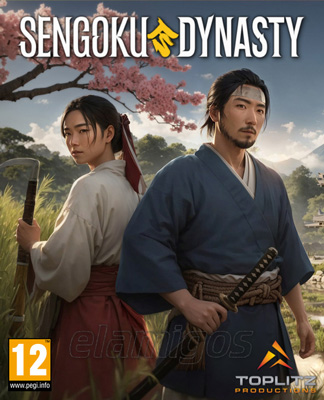
Sengoku Dynasty on PC is a first- and third-person open-world survival RPG, village builder, and life simulation set in a war-torn version of feudal Japan. The current Steam listing still uses the name Sengoku Dynasty, with no verified rebrand or replacement edition taking over the storefront. Its central appeal is the gradual shift from vulnerable survivor to settlement leader, combining hands-on crafting with long-term community management.
From stranded survivor to village founder
The early game is built around a familiar but effective survival loop: gather resources, make basic tools, secure food, and construct the first buildings needed to support a permanent settlement. Wood, stone, plants, game, farmed materials, and crafted goods feed into a production chain that becomes more organized as your community expands.
This is not a purely hands-off city builder. You personally travel through the open world, harvest materials, hunt, craft, complete quests, repair infrastructure, and deal with threats before assigning more responsibilities to villagers. The result is a hybrid structure where direct character control and settlement automation continually reinforce one another.
Players who enjoy survival games with a strong settlement focus may find a similar rhythm in third-person survival RPGs such as Bellwright, although Sengoku Dynasty places more emphasis on peaceful village development and historical Japanese setting than on building a rebel army.
Build communities, not just bases
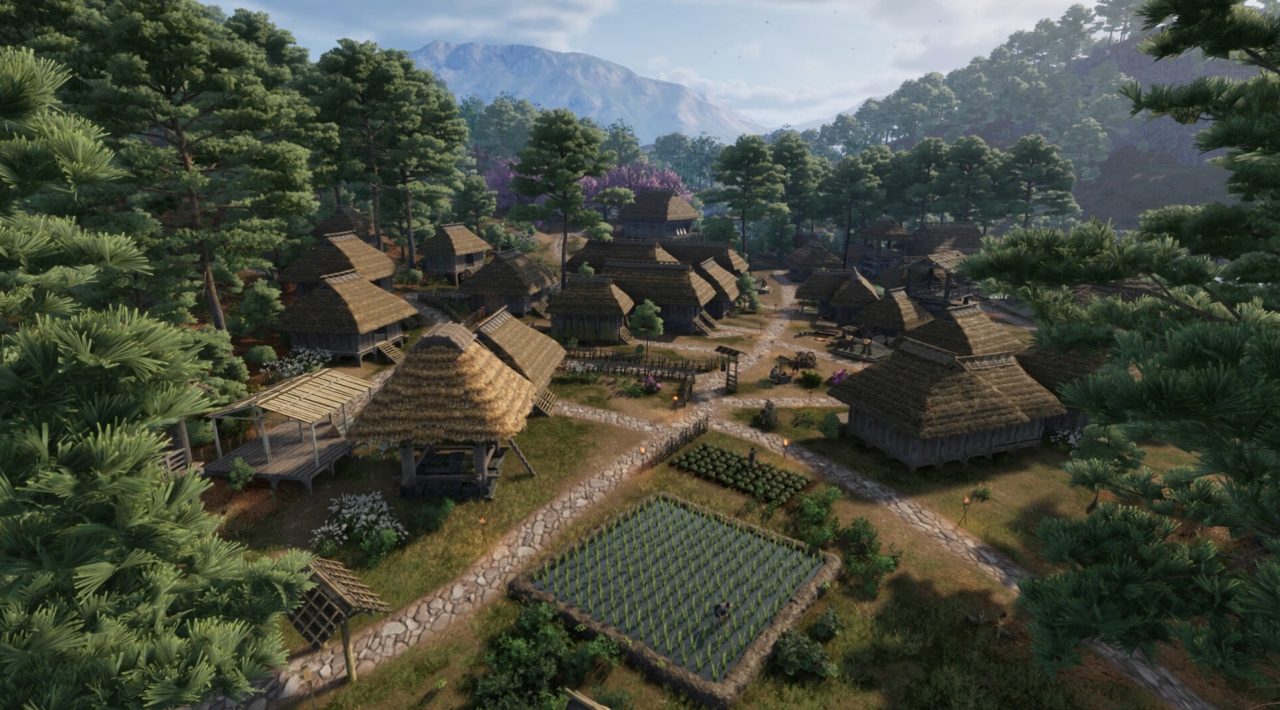
Sengoku Dynasty asks you to develop multiple villages across the Nata Valley rather than treating one base as the end goal. Houses, workshops, forges, taverns, farms, storage facilities, and other structures create the foundation for a functioning community. Villagers can be recruited, given beds and tools, and assigned jobs that help transform raw materials into useful goods.
The important distinction is that construction supports a living economy. A settlement needs food, medicine, tools, housing, and production capacity, so expansion is limited by logistics rather than imagination alone. Efficient placement and workforce management become increasingly important once you are maintaining more than one community.
Progress is also connected to the wider map. Territory liberation, repaired infrastructure, and access to new areas open additional resources and activities. The current game includes the Kanata archipelago as an expanded region, bringing new environments, enemies, resources, structures, and fishing-related activities into the broader exploration loop.
Four paths and a flexible progression model
Character development is framed around four broad identities: Leader, Craftsman, Warrior, and Monk. These paths help shape how you approach the world, whether you prefer village organization, production, combat, or spiritual and ritual activities.
The game supports more than one route to influence. You can pursue authority through economic growth, careful village management, and production, or take a more aggressive role against bandit clans and rogue samurai. This flexibility matters because combat is not mandatory for every play style. Settings can reduce or disable combat, allowing players to concentrate on building, exploration, crafting, and community progression.
Spiritual systems add another layer beyond food and materials. Shrines, rituals, and Kami blessings give the world a cultural and progression dimension, while activities such as onsens provide additional character benefits. These systems are not a separate strategy game; they are integrated into the same travel, settlement, and advancement structure.
Combat with a practical purpose
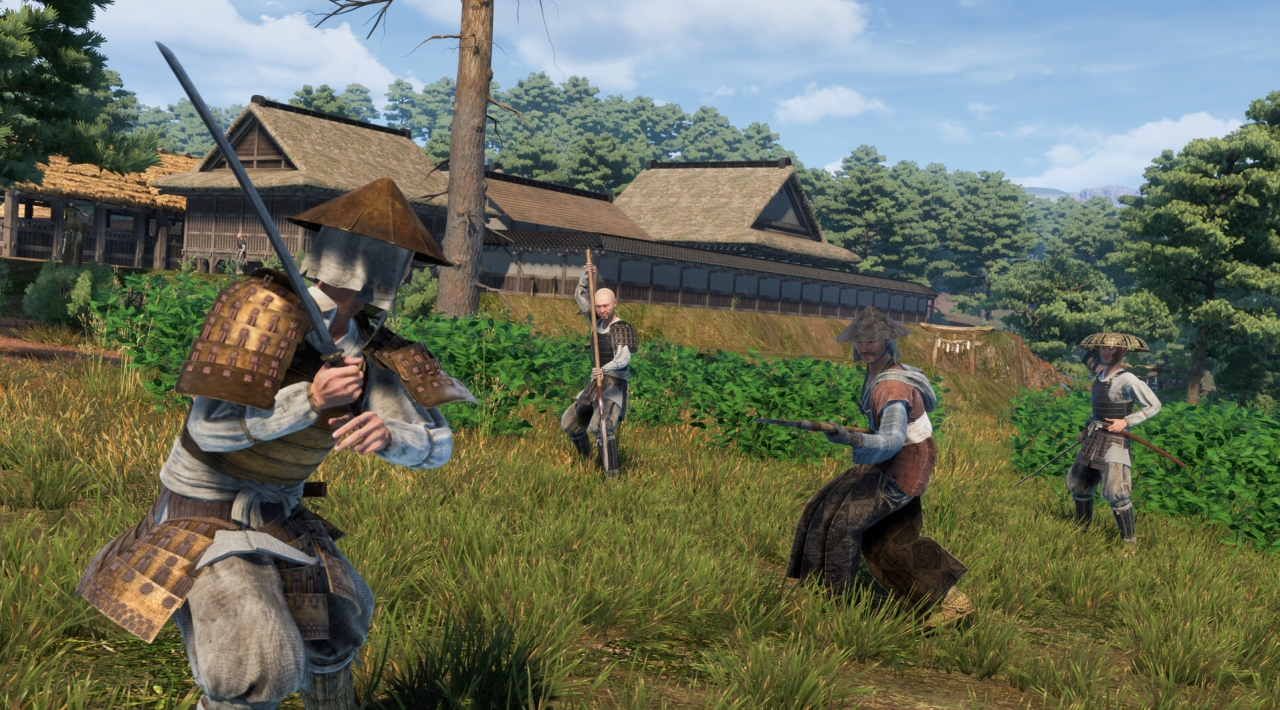
Combat uses a deliberate third-person action format rather than large-scale army control. Available weapons include spears, katanas, and yumi bows, with encounters built around attacks, blocks, parries, dashes, and positioning. The system is most relevant when protecting your people, clearing hostile areas, or progressing through objectives tied to regional control.
Bandits, rogue samurai, and dangerous wildlife create pressure outside the settlement. Fighting is therefore connected to access and security: defeating threats can help you move through the world, recover useful resources, and make new areas safer for your population. Players seeking a dedicated samurai action game should temper expectations, because the wider survival and management loop remains the main attraction.
The adjustable rules are one of the game's strongest accessibility features. You can select a more combat-focused experience, simplify construction through instant building options, or remove combat pressure altogether. That makes Sengoku Dynasty closer to a configurable historical sandbox than a fixed-difficulty survival challenge.
Content model and current PC edition
The core product is a paid PC game rather than a free-to-play release. The Steam storefront lists the base game separately and also offers optional add-ons, including the Sakura Pack, an official guide, an original soundtrack, and an official cookbook.
The Anniversary Edition bundles the base game with the Complete Scrolls Collection, soundtrack, guide, cookbook, and Sakura Pack. These extras are primarily supplementary or cosmetic-style additions rather than a separate campaign that replaces the main game, so players interested in the central survival and settlement experience can begin with the standard edition.
Ongoing updates have expanded the map and refined systems such as village progression, building customization, fishing, shrine effects, villager assignment, and quality-of-life controls. The current version should therefore be understood as a more developed package than the early-access builds discussed in older guides and reviews.
PC features, controls, and localization
On PC, Sengoku Dynasty is distributed through Steam and includes Steam Achievements, Steam Cloud, Family Sharing, single-player support, and online co-op. The storefront also lists full controller support, including Xbox controllers, which is useful for a game that combines first-person gathering with third-person combat and construction menus.
Online co-op supports up to four players. Friends can divide responsibilities, gather materials, develop villages, complete quests, and work toward shared progression. It is cooperative settlement play rather than a competitive multiplayer mode, and the practical benefit is clear: one player can focus on production while another explores, hunts, or handles construction.
The PC interface is available in English, French, German, Spanish, Russian, Simplified Chinese, Japanese, Ukrainian, Korean, Polish, Brazilian Portuguese, Turkish, and Traditional Chinese. The storefront does not list full voice acting as a supported language feature, so buyers should treat the game primarily as an interface-localized experience.
Players who want a more combat-heavy survival sandbox can also compare its gathering, crafting, base construction, and co-op structure with open-world survival adventures like Valheim. Sengoku Dynasty is slower and more community-oriented, while Valheim puts greater weight on exploration, boss encounters, and personal gear progression.
Who Sengoku Dynasty suits best
Sengoku Dynasty is a strong fit for players who enjoy slow-burn progression, historical settings, NPC recruitment, production chains, and the satisfaction of watching a settlement become self-sustaining. It particularly suits builders who want the option to participate directly in every stage of growth instead of managing a colony entirely from an overhead interface.
It is less suitable for players expecting constant battlefield action, deep political simulation, or a tightly scripted samurai campaign. Combat exists and has received substantial attention, but the heart of the experience remains resource planning, village development, travel, and gradual control of the surrounding region.
For players more interested in economic settlement design and tactical warfare than first-person survival, the medieval city-building and battlefield management of Manor Lords offers a useful contrast. Sengoku Dynasty keeps you inside the world as an active character, whereas Manor Lords emphasizes strategic oversight and formations.
Sengoku Dynasty FAQ
Is Sengoku Dynasty still called Sengoku Dynasty on PC?
Yes. The current Steam storefront continues to list the game as Sengoku Dynasty. No verified rebrand or replacement title was found across the checked storefront and publisher sources.
Is Sengoku Dynasty single-player?
Yes. It supports a complete single-player experience as well as online co-op for up to four players.
Can combat be disabled?
Yes. The game includes settings that let players reduce or disable combat, making it possible to focus on exploration, crafting, construction, farming, and village management.
What do you do in Sengoku Dynasty?
You gather materials, craft tools and supplies, hunt, farm, build settlements, recruit villagers, automate production, complete quests, repair infrastructure, liberate regions, and develop a dynasty through economic or combat-oriented progression.
Does Sengoku Dynasty support controllers on PC?
Yes. The Steam listing identifies full controller support, including Xbox controllers, alongside keyboard-and-mouse play.
Is the Sakura Pack required?
No. The base game is sold separately. The Sakura Pack and other listed extras are optional additions, while the Anniversary Edition bundles several supplementary items with the main game.
What languages does the PC version support?
The interface supports 13 languages: English, French, German, Spanish, Russian, Simplified Chinese, Japanese, Ukrainian, Korean, Polish, Brazilian Portuguese, Turkish, and Traditional Chinese.
System Requirements
Minimum: | Recommended: |
| Processor: Intel Core i5-8400, AMD Ryzen 5 2600 Graphics: NVIDIA GeForce GTX 1650, 4 GB or AMD Radeon RX 570, 4 GB or Intel Arc A750, 8 GB Memory: 12 GB RAM Disk space: 15 GB available space Operating system: Windows 10 (x64) | Processor: Intel Core i5-12600K or AMD Ryzen 5 7600X Graphics: NVIDIA GeForce RTX 3060 TI, 8 GB or AMD Radeon RX 6700 XT, 16 GB Memory: 16 GB RAM Disk space: 15 GB available space Operating system: Windows 10 (x64) |
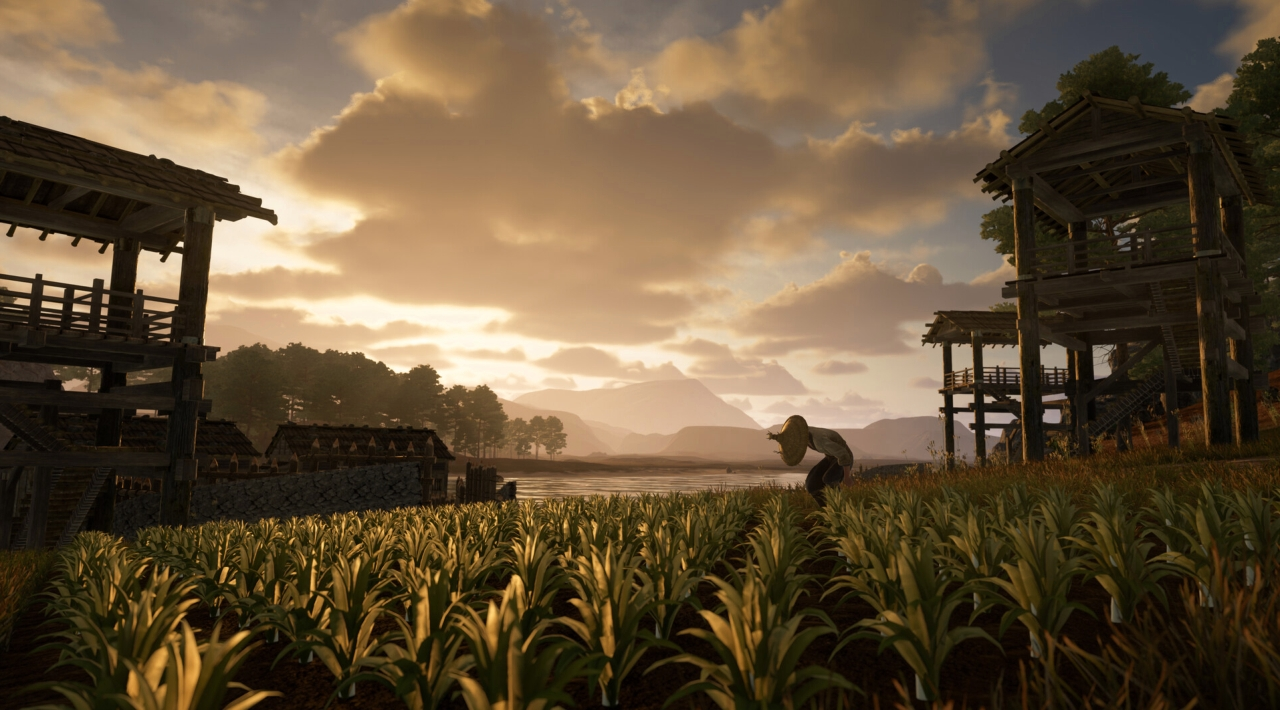
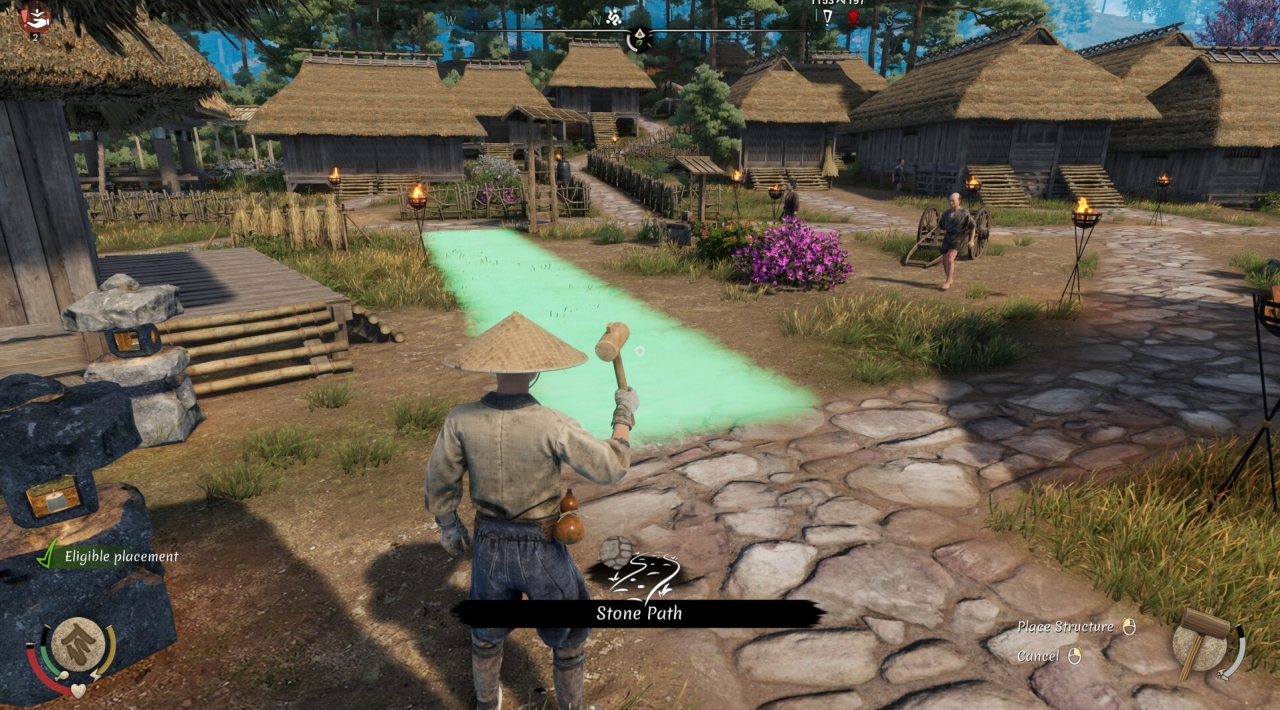
Screenshots
Trailer/Gameplay
Download
Sengoku Dynasty Ultimate Edition (2024), 10.15GB
ElAmigos release, game is already cracked after installation (crack by Codex/Rune).

Updated to version 1.2.0.0 (12.03.2026).

Included bonus content: Soundtrack, Official Guide.

1. Extract files.
2. Burn or mount the image.
3. Install the game.
4. ElAmigos release, game is already cracked after installation.
5. Play the game. If you like this game, BUY IT!
Sengoku Dynasty Ultimate Edition Download
🔒 Premium access required
To see and use the download links, you must be logged in and have an active PREMIUM account.
* Unlock downloads via Torrent and TeraBox.
+ update 1.2.0.0 - 1.2.2.1 (11.06.2026) & crack (by Codex/Rune), 467MB
🔒 Premium access required
To see and use the download links, you must be logged in and have an active PREMIUM account.
* Unlock downloads via Torrent and TeraBox.
Torrent Download
The best torrent download speeds are with qBittorrent!