Daylight
- Category:
- Release date:
- Game Genre:Action, FPP, horror, image in 3D, indie games
- Developer:Zombie Inc. Publisher: Sony Interactive Entertainment
- Release:ElAmigos
- Platform:PC
- Languages (subtitles):English, French, Italian, German, Spanish, Japanese, Russian
- Dubbing/Audio:English
- Crack:3DM
- Game size:1.55GB
Game Description
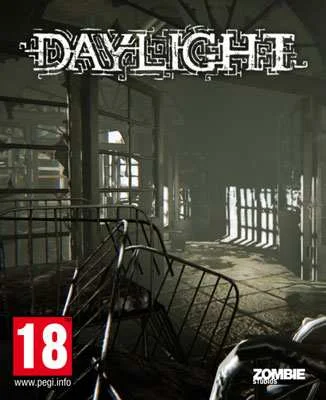
Daylight on PC is a first-person psychological survival horror game from Zombie Studios, published by Atlus. The current Steam listing still uses the original name, with no verified rebrand or replacement edition. You play as Sarah Gwynn, trapped inside the abandoned facilities of Mid Island with only a smartphone, glow sticks, and flares to guide an escape.
Daylight is built around uncertainty rather than combat. Its procedural environments rearrange corridors, item locations, encounters, and some story materials, making each attempt through the hospital complex less predictable than a traditionally authored horror campaign.
A first-person horror loop built on navigation
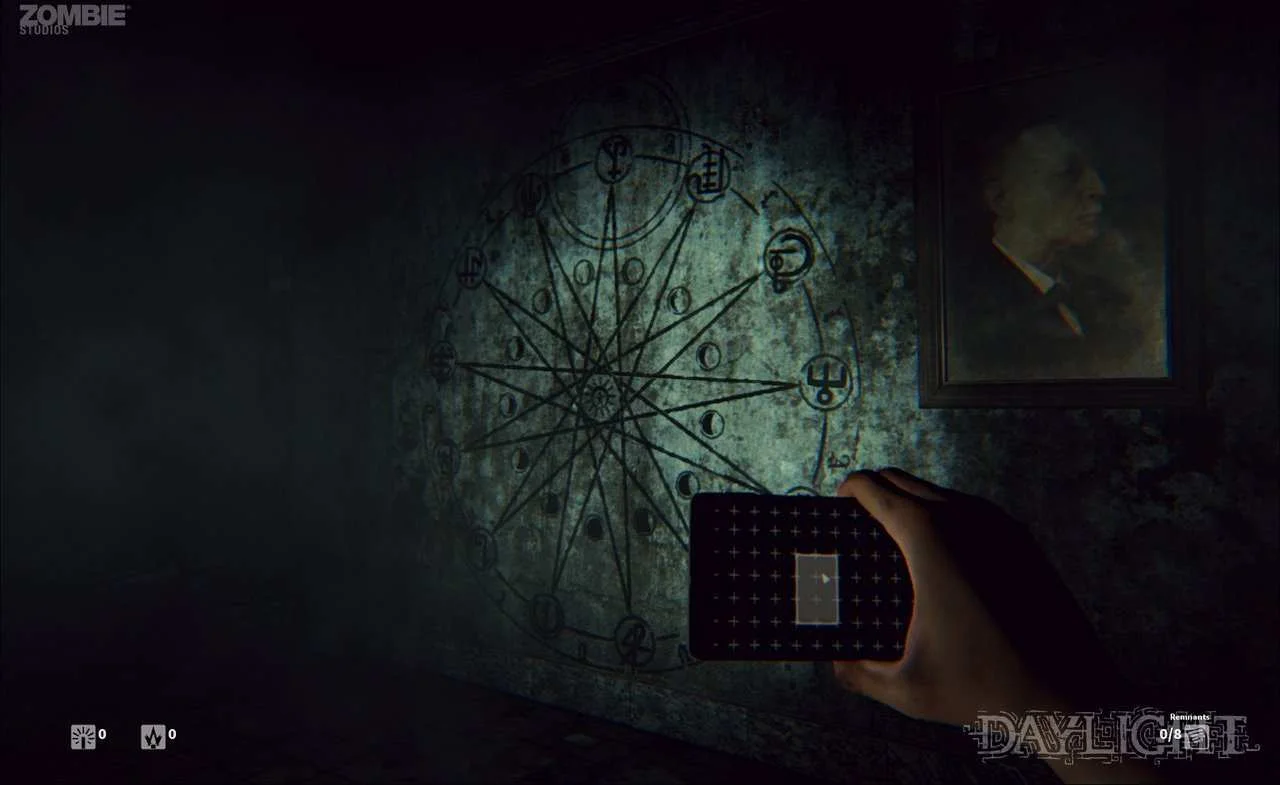
The central objective is simple: explore the maze-like ruins, locate enough Remnants, recover a Sigil, and carry it to the Seal of Shadows that blocks the next area. Remnants appear as notes, reports, photographs, and other records connected to Mid Island’s troubled history.
That structure gives Daylight a clear investigative rhythm. You enter a dark location, use light to identify points of interest, search rooms and passageways, then retrace your route toward the exit while the threat level rises.
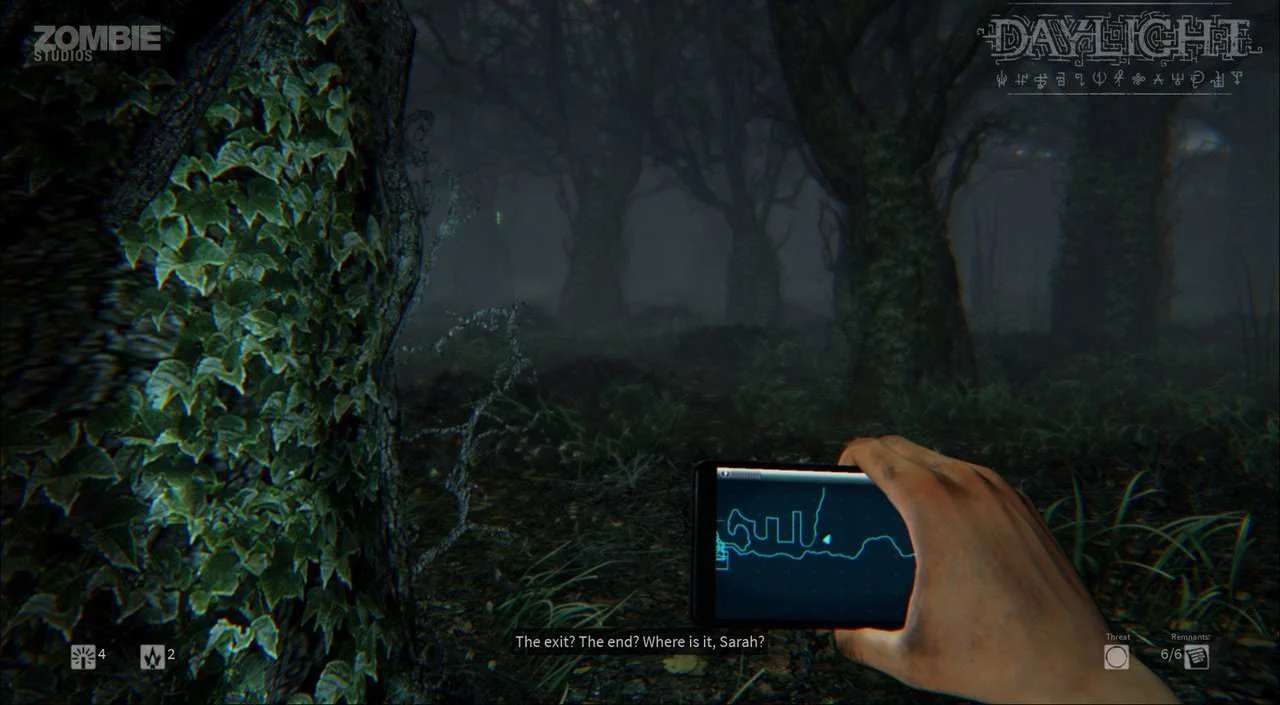
The game moves through several horror settings, including an abandoned hospital, a prison, underground sewers, and a forest area. The locations share a bleak institutional history, but their layouts are generated and reassembled during play rather than presented as one fixed route.
There is no conventional weapon arsenal. Running, hiding, mapping, and managing light are the main survival skills, which places Daylight closer to non-combat exploration horror than action-focused survival horror.
How the smartphone, glow sticks, and flares work
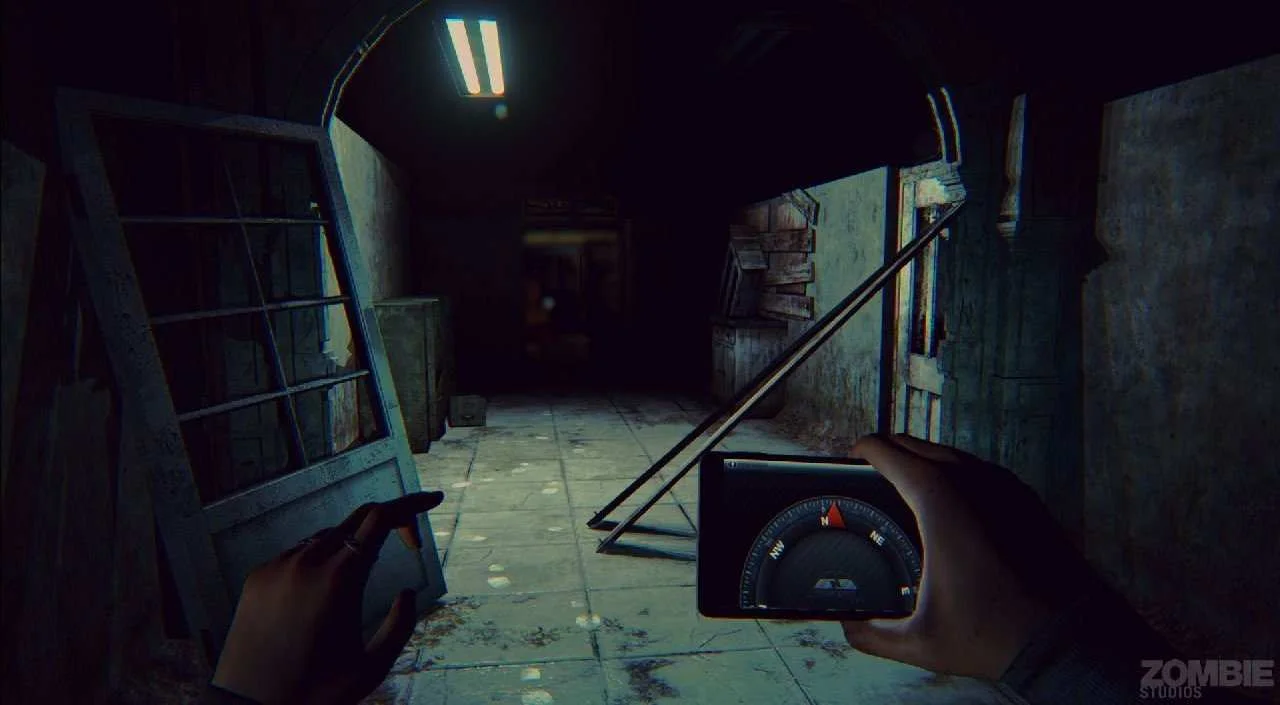
Sarah’s smartphone is the most important tool in the game. It provides a persistent light source, displays a map of explored areas, and functions as a communication device for the mysterious voice guiding her through the complex.
The map is useful but deliberately limited. It records the spaces you uncover and helps identify important destinations, yet it does not remove the need to remember routes, recognize environmental landmarks, or decide when backtracking is worth the risk.
Glow sticks reveal interactive objects and markings that are difficult to see in the darkness. They are especially important when searching for Remnants, since the environment often hides clues behind walls, containers, furniture, or other points of interest.
Flares serve as Daylight’s only direct defensive tool. When the hostile Witch or other shadow-like spirits appear, a flare can repel them temporarily. If your supply is limited, escaping through the maze and breaking line of pursuit can be safer than wasting a flare on every encounter.
The phone also provides a warning when danger is close. Its display can become distorted or static-filled near an enemy, turning the interface itself into an early threat indicator rather than a neutral navigation screen.
Remnants, Sigils, and escalating threat
Remnants are both collectibles and progression objectives. They expand the story while also pushing the player toward the next section, so exploration is never entirely separate from advancement.
Once the required Remnants have been gathered, a Sigil becomes available. These objects can take the form of ordinary personal items, but they function as keys tied to the supernatural architecture of Mid Island.
Carrying the Sigil creates one of the game’s most exposed moments. While holding it, Sarah cannot rely on her normal light and defensive tools in the same way, forcing a vulnerable sprint toward the Seal of Shadows.
Every discovery can make the next stretch more dangerous. The rising threat level increases pressure as you collect clues and spend more time inside each area, producing a loop in which curiosity and safety constantly compete.
Daylight’s procedural design also affects the placement of resources and encounters. A familiar objective may require a completely different route on another attempt, while the same corridor can feel safe in one run and dangerous in the next.
Story presentation and atmosphere
The narrative follows Sarah Gwynn as she wakes without a clear memory of how she reached the abandoned hospital. Her investigation gradually connects the institution, its patients, its staff, and the criminal history buried across Mid Island.
Much of the backstory is delivered through written Remnants rather than long cinematic sequences. Notes, newspaper material, patient records, and other documents encourage players to search beyond the direct route instead of treating every collectible as optional decoration.
The voice communicating through Sarah’s phone provides another layer of context. It gives the journey a guided quality, although the game intentionally keeps the player isolated inside spaces where reliable information is scarce.
Atmosphere depends heavily on dynamic lighting, sound cues, darkness, and procedural timing. Daylight was created with Unreal Engine 4, a notable part of its technical identity because the engine supports the game’s runtime-generated environments and lighting behavior.
Content structure and commercial model
The current PC storefront presentation identifies Daylight as a single-player game. There is no verified co-op, competitive multiplayer, split-screen, or online campaign mode.
The experience is structured as a focused horror campaign with replay variation rather than a large open world or a conventional loot-driven progression system. Replaying is mainly about seeing different layouts, locating additional story materials, and testing safer routes through the procedural spaces.
The current Steam listing presents Daylight as a standalone PC title. No verified season pass, table of paid expansions, or separate definitive edition is listed as part of its current storefront identity.
Players looking for a heavily combat-oriented survival horror game may find the design restrictive. Those who prefer short-form exploration, document hunting, and evasion will understand the intended loop more quickly.
Who should play Daylight on PC?
Daylight suits players who enjoy first-person exploration horror, limited defensive resources, unreliable navigation, and supernatural threats that are more effective when heard or anticipated than fought directly.
It is also a reasonable fit for horror players interested in procedural generation. The changing layouts give the game a different emphasis from a carefully staged haunted-house campaign, where every scare and corridor is placed in exactly the same position.
Players who want deep combat, extensive character upgrades, crafting, or a large cast of playable characters should look elsewhere. Daylight keeps its toolset narrow so that movement, observation, and route planning remain central.
For a harsher first-person survival horror experience centered on oppressive exploration, first-person nightmare games such as Agony UNRATED offer a useful comparison, although Daylight is less combat-focused and more dependent on procedural navigation.
PC features and practical expectations
Daylight is a Windows PC game distributed through Steam and uses Steam DRM according to current PC compatibility documentation. The Steam version includes achievements, trading cards, captions, family sharing support, and partial controller support.
Keyboard and mouse remain the safest input choice for precise navigation and menu control. Controller support exists, but it is not presented as full controller support, so players who expect console-style input parity should set expectations accordingly.
The game supports English, French, German, Italian, Japanese, Russian, Spanish, and Brazilian Portuguese localization according to available PC compatibility data. Language behavior can be tied to the Windows display language rather than the selected Steam library language, which is an important detail for multilingual players.
There is no verified mod ecosystem, dedicated server feature, co-op framework, or specialized cabinet or multi-monitor mode associated with the PC edition. Its distinctive PC identity comes from procedural level construction, Unreal Engine 4 lighting, Steam achievements, and the replay variation produced by randomized environments.
Similar games on PC
Daylight shares its strongest mechanical DNA with non-combat horror games that make exploration and evasion more important than shooting. The smartphone map, environmental searching, and flare-based defense give it a narrower survival loop than traditional inventory-heavy horror.
Players who prefer more structured mansion exploration can compare it with classic fixed-camera survival horror like Resident Evil HD, which places greater emphasis on item management, puzzles, and combat readiness rather than procedural corridors.
For a more modern and action-oriented alternative, first-person survival horror such as Resident Evil Village provides a broader combat and upgrade system, while Daylight stays focused on darkness, pursuit, and clue collection.
These comparisons clarify the audience divide. Daylight is not trying to be a weapon-driven Resident Evil-style campaign; its identity comes from turning a small set of tools into a tense navigation problem.
Daylight FAQ
Is Daylight still called Daylight on PC?
Yes. The current Steam listing and Atlus catalog page use Daylight. No verified rebrand, renamed edition, or replacement storefront title was found during the current check.
Is Daylight multiplayer or co-op?
No. Daylight is presented as a single-player horror game with no verified online multiplayer, local co-op, or split-screen mode.
Does Daylight have combat?
Not in the conventional sense. Sarah has no standard weapons. Flares can repel the Witch and related shadow threats, while running and route planning are the primary methods of survival.
What are Remnants and Sigils in Daylight?
Remnants are documents and clues that reveal Mid Island’s history and contribute to area completion. After enough are collected, a Sigil appears and can be carried to the Seal of Shadows to open the next section.
Does Daylight support a controller on PC?
Yes, but the PC listing identifies controller support as partial rather than full. Keyboard and mouse are supported, and controller behavior may require more adjustment than in a console-first horror game.
What makes Daylight replayable?
Its environments, item placements, encounters, and some collectible story materials are procedurally varied. Replay value comes from navigating different layouts, finding additional Remnants, and improving your escape routes rather than from character leveling or equipment builds.
System Requirements
Minimum: |
Processor: Core i5 3.40 GHz Graphics: 896 MB VRAM Memory: 8 GB RAM Disk space: 2 GB HDD Operating system: Windows 7/8/8.1 |
Screenshots
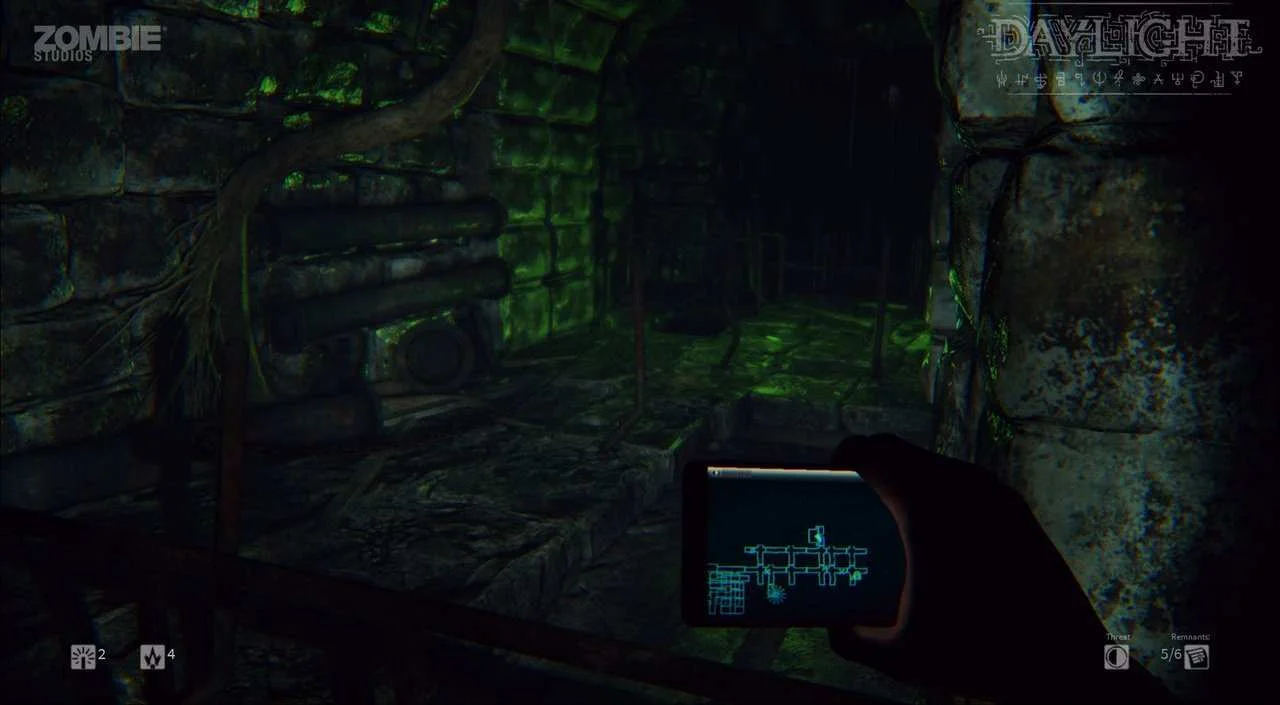
Trailer/Gameplay
Download
Daylight (2014), 1.55GB
ElAmigos release, game is already cracked after installation (crack by 3DM).

Updated till 10.11.2014 (Update 10).

1. Extract files.
2. Burn or mount the image.
3. Install the game.
4. ElAmigos release, game is already cracked after installation.
5. Play the game. If you like this game, BUY IT!
Daylight Download
🔒 Premium access required
To see and use the download links, you must be logged in and have an active PREMIUM account.
* Unlock downloads via Torrent and TeraBox.
Torrent Download
The best torrent download speeds are with qBittorrent!