Planescape Torment 1999
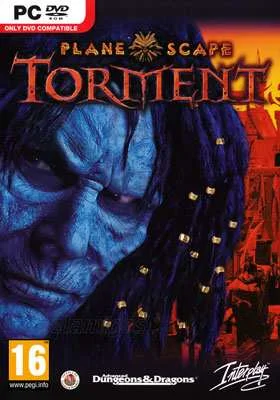
- Category:
- Release date:
- Game Genre:RPG, Isometric view, Dungeons & Dragons, classic RPG
- Developer:Black Isle Studios Publisher: Interplay Entertainment
- Release:ElAmigos
- Platform:PC
- Languages (subtitles):English, French, German, Polish + unofficial: Italian, Spanish, Czech
- Dubbing/Audio:English, French, German, Polish
- Crack:not necessary
- Game size:1.39GB
Game Description
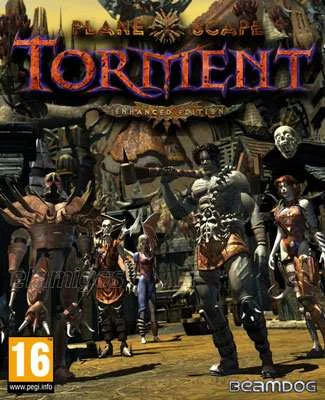
Planescape: Torment on PC is a story-driven isometric CRPG now represented on current storefronts by Planescape: Torment: Enhanced Edition. Developed originally by Black Isle Studios and published by Interplay, the modern edition is maintained and published by Beamdog. It preserves the original Infinity Engine role-playing structure while adding interface improvements, bug fixes, remastered music, and optional quality-of-life features.
The central question is simple: what can change the nature of a man? The answer depends on how you play the Nameless One, an immortal amnesiac who wakes in Sigil's Mortuary with no memory of his past lives. Instead of building a conventional hero from a blank character sheet, you recover identity through conversations, memories, companions, faction decisions, and the consequences of your actions.
Dialogue-first CRPG gameplay in Sigil
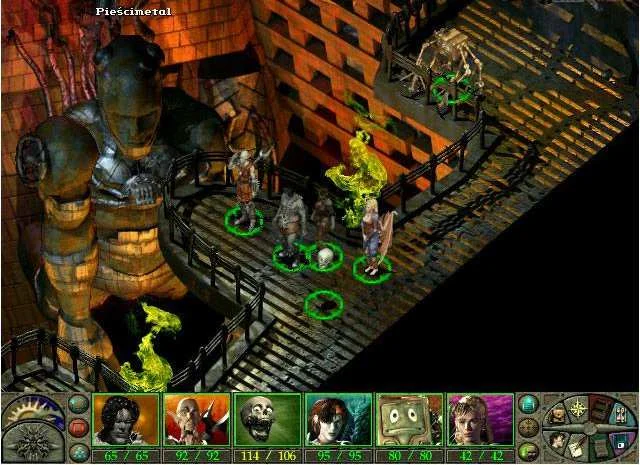
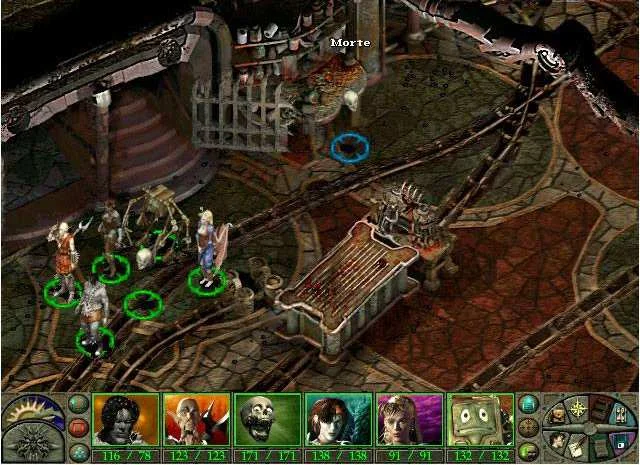
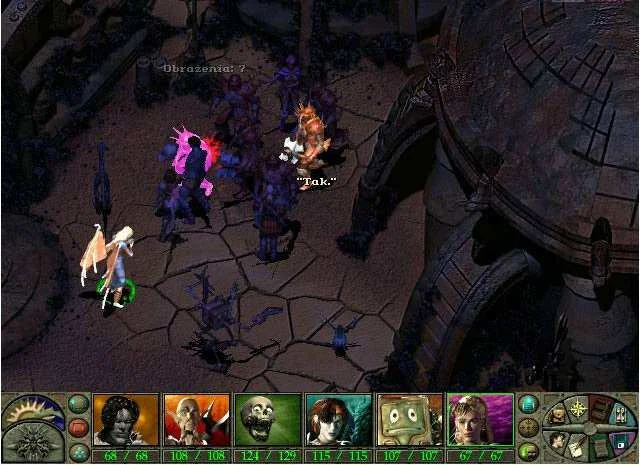
Planescape: Torment uses a fixed isometric perspective and a two-dimensional presentation powered by the BioWare Infinity Engine. You move through locations, inspect objects, speak with unusual residents, collect clues, and decide which problems deserve violence, deception, negotiation, or patience. The game is single-player and built around exploration rather than repeatable activities or competitive play.
Combat uses real-time with pause rules derived from Advanced Dungeons & Dragons. You can control the Nameless One and his companions directly, pause the action, issue commands, change equipment, and use spells or special abilities. Combat exists throughout the campaign, but the strongest solutions often come from dialogue, investigation, stealth, faction knowledge, or simply finding another way through an area.
Death is part of the design rather than a conventional failure state. Because the Nameless One cannot permanently die in the ordinary sense, defeat can return him to life and sometimes reveal information about his condition. That unusual structure also means that dying, recovering memories, and learning why immortality exists are tied closely to progression.
Character development through choices
The Nameless One begins as a fighter, but the game allows him to change between fighter, mage, and thief through conversations, training, and story progress. Your starting attributes influence more than combat statistics. Intelligence, Wisdom, and Charisma can unlock additional dialogue, memories, solutions, and information that a physically focused character may never see.
Your alignment changes according to behavior instead of being selected once and forgotten. Kindness, cruelty, honesty, manipulation, order, and rebellion can gradually move the Nameless One toward different moral and philosophical positions. The same principle applies to Sigil's factions, including the Dustmen, Sensates, and Godsmen, whose beliefs influence quests, dialogue, and how the city interprets your character.
Companions are central to the experience. Morte, Dak'kon, Fall-from-Grace, Nordom, and Vhailor are not interchangeable party members; they bring personal histories, arguments, reactions, and information about the planes. Several companions can reveal new dialogue or memories when questioned carefully, making party management part of the narrative rather than just a tactical exercise.
Why the setting remains distinctive
Sigil is known as the City of Doors, a planar metropolis where portals connect to locations across the Dungeons & Dragons multiverse. Its ruler, the Lady of Pain, is distant but impossible to ignore, while factions compete through belief and ideology as much as through physical power. The result is a fantasy setting that mixes occult streets, philosophical disputes, strange creatures, dead civilizations, and portals to the Outer Planes.
The game's most memorable encounters often involve entities that would be ordinary inventory or background elements elsewhere. A floating skull can become a loyal companion, a weapon can hold a conversation, and a seemingly minor object can contain a memory or unlock a new interpretation of the Nameless One's past. These interactions reward close reading and experimentation.
Players looking for a modern narrative RPG with a similarly strong focus on reading, skill checks, personal identity, and unconventional dialogue can compare it with isometric investigation RPGs such as Disco Elysium. The two games use different settings and systems, but both treat conversation and internal conflict as primary gameplay rather than decoration.
Original edition versus Enhanced Edition
The original game and the modern storefront product should not be treated as completely separate adventures. Planescape: Torment: Enhanced Edition keeps the original story, quests, classes, companions, combat rules, and setting intact. Beamdog's work focuses on compatibility, proofreading, bug fixes, interface changes, and optional convenience features rather than adding a new campaign.
The Enhanced Edition includes a high-definition interface, area zoom, tab highlighting, quickloot, an improved combat log, adjustable text options, windowed play, and a remastered soundtrack. Players can disable several enhanced presentation features when they want a closer approximation of the classic interface. The GOG package also includes the unaltered original version alongside the Enhanced Edition, while the Steam listing presents the Enhanced Edition as the current PC product.
The commercial model is straightforward. The Enhanced Edition is a paid standalone game, not a free-to-play title. There is no season pass or collection of gameplay expansions attached to the campaign. A separate official soundtrack is listed as additional content on Steam, but it does not add quests, companions, classes, or playable areas.
Who should play it on PC?
This is a strong choice for players who want dense dialogue, philosophical fantasy, unusual companions, character development through decisions, and a campaign where information can be more valuable than equipment. It is especially suited to readers who enjoy examining every conversation option and revisiting locations after gaining new knowledge.
It is a weaker fit for anyone expecting fast combat, modern cinematic presentation, cooperative party play, or a loot-focused progression loop. The interface is improved, but the underlying design remains an old-school CRPG. Combat can feel secondary, and many important rewards come from understanding people, beliefs, and memories rather than defeating stronger enemies.
Players who prefer traditional party battles and tactical dungeon exploration may also want to consider classic real-time-with-pause D&D adventures like Icewind Dale: Enhanced Edition. Icewind Dale places more emphasis on combat and party construction, while Planescape: Torment gives dialogue, identity, and philosophical choices greater weight.
PC features, input, and localization
The PC edition is designed primarily for keyboard and mouse. The Enhanced Edition does not provide native controller support on PC, despite controller-friendly versions existing on some other platforms. Mouse-driven movement, keyboard shortcuts, pausing, the journal, inventory, spell controls, and party selection remain the intended way to play.
On Steam, the game includes Steam Cloud, achievements, trading cards, and family sharing. The Steam release uses the Steam client, while the GOG edition is DRM-free and does not require GOG Galaxy or an online activation after purchase. Both storefront editions are single-player and do not include multiplayer, online co-op, local co-op, or split-screen modes.
Current PC language support includes English, French, German, Korean, Polish, and Czech text or interface support on Steam. English, French, German, and Polish include localized voice audio, while Korean uses Korean text with English voice-over; Czech support is text-based. The Enhanced Edition also provides a more practical presentation on modern displays through its high-definition interface and adjustable display options.
Planescape: Torment FAQ
What is the current PC version of Planescape: Torment?
The current storefront product is Planescape: Torment: Enhanced Edition. It is the modern version of the original Planescape: Torment, with the same campaign and core mechanics plus interface improvements, fixes, optional convenience features, and remastered music.
Is Planescape: Torment: Enhanced Edition a remake?
No. It is an enhanced re-release rather than a full remake. The story, quests, party, classes, combat structure, and Infinity Engine design remain substantially the same. The main changes involve presentation, compatibility, proofreading, bug fixes, and quality-of-life options.
Does Planescape: Torment have multiplayer or co-op?
No. The PC edition is a single-player RPG. It has no online multiplayer, local co-op, split-screen mode, or shared campaign functionality.
Can the Nameless One change class?
Yes. The Nameless One can become a fighter, mage, or thief during the campaign. Class changes are connected to training, conversations, and story progression rather than being permanently locked at the opening character screen.
Does death matter in Planescape: Torment?
Yes, but not in the same way as a typical game over. The Nameless One is immortal, so death can return him to play and may become part of solving problems or uncovering the truth behind his condition. It is a narrative and mechanical feature, not simply a penalty screen.
Does the PC version support a controller?
Native controller support is not included on PC. Keyboard and mouse are the expected input method, although players may create third-party remappings through external software at their own discretion.
Is the Enhanced Edition worth choosing over the original?
For most PC players, the Enhanced Edition is the easier version to use because it includes modern display support, interface improvements, quickloot, combat logging, text adjustments, and compatibility work. Players who want the original presentation can disable selected enhancements, and the GOG package includes the unaltered original alongside the updated edition.
System Requirements
Minimum: |
Processor: Pentium 266 MHz Graphics: 4 MB VRAM Memory: 64 MB RAM Disk space: 1.5 GB HDD Operating system: Windows 95/98 |
Screenshots

Trailer/Gameplay
Download
Planescape Torment (1999), 1.39GB
ElAmigos release, unprotected game (serial or crack is not necessary).

Included bonus content: Soundtrack (mp3), Book, Artworks, Avatars, Manual, Wallpapers, Widescreen HD MOD.

1. Extract files.
2. Burn or mount the image.
3. Install the game.
4. Play the game. If you like this game, BUY IT!
Planescape Torment Download
🔒 Premium access required
To see and use the download links, you must be logged in and have an active PREMIUM account.
* Unlock downloads via Torrent and TeraBox.
Torrent Download
The best torrent download speeds are with qBittorrent!