Killing Floor
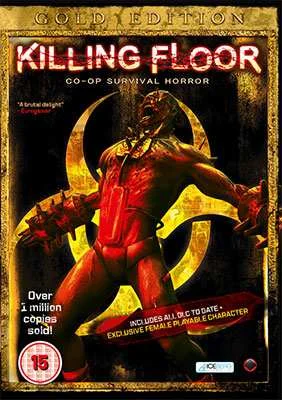
- Category:
- Release date:
- Game Genre:Action, FPP, zombie, Post Apocalypse, FPS, multiplayer, co-op, shooters
- Developer:Tripwire Interactive Publisher: Iceberg Interactive
- Release:ElAmigos
- Platform:PC
- Languages (subtitles):English, French, Italian, German, Spanish, Russian, Polish, Hungarian
- Dubbing/Audio:English, French, Italian, German, Spanish, Russian
- Crack:Reloaded
- Game size:2.35GB
Game Description
Killing Floor is a PC first-person co-op survival horror shooter built around coordinated defense, escalating enemy waves, and short buying windows between attacks. The current Steam storefront still lists the game under its original name, with no verified rebrand or replacement title for this entry. Tripwire Interactive is both the developer and publisher.
Wave survival built around team roles
The main loop is direct but demanding: choose a perk, enter a map, eliminate waves of genetically modified enemies called Zeds, collect dosh, and reach the Trader before the next assault begins. A completed match ends with a boss encounter, traditionally the Patriarch, rather than a story-campaign conclusion or conventional competitive scoreboard.
Matches support solo offline play or online co-op for up to six players. Enemy pressure scales with the size of the party, so a solo run feels more controlled but leaves you responsible for every role, while a full squad creates heavier waves and greater demands on positioning. The strongest teams divide responsibilities instead of treating every perk as another damage dealer.
The original game has six core perks: Field Medic, Support Specialist, Sharpshooter, Commando, Berserker, and Demolitionist. Each improves a different style of play, from healing and shotgun ammunition to precision shooting, automatic weapons, melee combat, and explosive crowd control. Perk experience is tied to relevant actions, so the progression system rewards playing the role rather than simply selecting a class and ignoring its purpose.
The Trader, dosh, and controlled panic
The Trader is the match's economic center. Between waves, players spend dosh on weapons, ammunition, armor, and grenades, then return to a defensible position before the timer expires. The Trader changes location around the map, which prevents every round from becoming a completely static hold and forces the team to plan its retreat, purchases, and next defensive position together.
Money management has a cooperative edge. Players can share dosh, recover equipment dropped by fallen teammates, and decide whether to upgrade immediately or save for a stronger weapon. That choice matters because the game's pressure comes from overlapping problems: ordinary specimens can surround a position, while dangerous enemies such as Scrakes, Fleshpounds, Husks, and Sirens demand priority targets and clear communication.
Combat also has a distinctive rhythm. Headshots, dismemberment, and accurate timing can trigger ZED Time, a brief slow-motion sequence that affects the action for everyone. It is not a separate power activated from a menu; it is a team-wide combat opportunity that can create breathing room during a bad push or let several players coordinate shots on a dangerous target.
Survival and Objective modes
Killing Floor Mode, also referred to as the classic survival format, is the centerpiece. The team clears a predetermined sequence of waves, buys equipment during Trader breaks, and fights the final boss. The attraction is not a campaign with permanent mission chapters. It is the mastery loop of learning maps, improving perk levels, recognizing enemy threats, and surviving higher difficulty settings.
The game also includes Objective Mode. Here, the team still fights through waves, but the map adds mission tasks that can involve moving through the environment and completing objectives while the specimens continue attacking. This gives the original game a more structured alternative to pure survival without changing its fundamental emphasis on co-op combat.
Difficulty options range from Beginner through Normal, Hard, Suicidal, and Hell on Earth. Higher settings are not simply larger numbers on an enemy health bar. They punish isolated players, wasteful ammunition use, weak target prioritization, and poor defensive positioning. A perk combination that feels flexible on Beginner can become a strict team requirement on the upper difficulties.
Content model and PC ecosystem
The base game is a paid PC title with a substantial selection of maps, weapons, enemies, perks, achievements, and both default game modes. Its optional DLC catalog is built primarily around character packs, weapon packs, golden weapon variants, cosmetic themes, and community-created weapon content. The storefront presents these as separate add-ons rather than a free-to-play progression system or a season-pass structure.
PC players also get Steam Workshop support and an included level editor. That matters because community maps and custom content extend the game's replayability beyond the official map rotation. Steam lists achievements, trading cards, statistics, family sharing, and cross-platform multiplayer among the platform features, while online play is marked as Valve Anti-Cheat enabled.
The storefront lists English, French, Italian, German, Spanish-Spain, Russian, Hungarian, and Polish support. English, French, Italian, German, Spanish, and Russian include full audio according to the Steam language table; Hungarian and Polish are listed with interface support. The PC version is designed primarily around mouse-and-keyboard FPS controls, and the official store feature list does not advertise native full-controller support, so players choosing a gamepad should treat Steam Input as a possible remapping layer rather than assume console-style support.
Who should play Killing Floor?
Killing Floor suits players who want deliberate co-op survival rather than a linear zombie campaign. It rewards people who enjoy repeating the same map with different perks, learning the safest holds, improving headshot consistency, and communicating about money, ammunition, and large Zed targets. The persistent perk system gives long-term progression without turning the game into a loot-driven RPG.
It is a weaker fit for players looking for a cinematic story, open-world exploration, fast mission variety, or a modern hero-shooter structure. Solo play is available and can be satisfying, but the design is clearest when teammates cover different jobs. If you prefer a four-player campaign with safer pacing between set pieces, story-focused co-op zombie shooters such as Left 4 Dead 2 offer a different structure.
Related PC co-op shooters
The closest comparison is the perk-driven wave survival of Killing Floor 2, which expands the same foundation with a newer presentation and a broader set of systems. The original remains the more focused choice if you want the classic six-player formula, simpler perk framework, and community-map ecosystem.
For another horde-oriented option, large-scale zombie battles like World War Z Aftermath emphasize movement through missions and much larger enemy swarms. Killing Floor is more compact and defensive: its tension comes from holding ground, buying correctly, and handling specialist threats before the team loses control of the room.
Killing Floor FAQ
Is Killing Floor still listed under its original name?
Yes. The current Steam storefront lists it as Killing Floor. There is no verified storefront rebrand for the original game, so it should not be confused with Killing Floor 2 or Killing Floor 3.
Does Killing Floor support solo play?
Yes. The Steam listing includes a solo mode for offline play. Solo sessions remove the need to coordinate with other players, but they also leave one player responsible for healing, crowd control, precision damage, and large-enemy management.
How many players can join a co-op match?
Online co-op supports up to six players. Enemy counts and strength scale with party size, so a full lobby is not simply six people sharing the same solo encounter.
What are the main perks in Killing Floor?
The six core perks are Field Medic, Support Specialist, Sharpshooter, Commando, Berserker, and Demolitionist. Their bonuses encourage distinct weapon choices and team jobs, while perk levels improve effectiveness as players complete relevant actions.
Does the PC version have mods and custom maps?
Yes. Steam Workshop support and an included level editor make custom content a major PC feature. The official platform listing specifically identifies Workshop integration and the level editor.
Is Killing Floor a campaign game?
Not in the conventional chapter-based sense. Its main structure is repeatable wave survival, with Objective Mode adding mission tasks to selected maps. The long-term progression comes from perk advancement, higher difficulties, map knowledge, and mastering team compositions rather than completing a traditional story campaign.
System Requirements
Minimum: |
Processor: Core 2 Duo 2.4 GHz Graphics: 128 MB VRAM Memory: 1 GB RAM Disk space: 3 GB HDD Operating system: Windows 2000/XP/Vista |
Screenshots
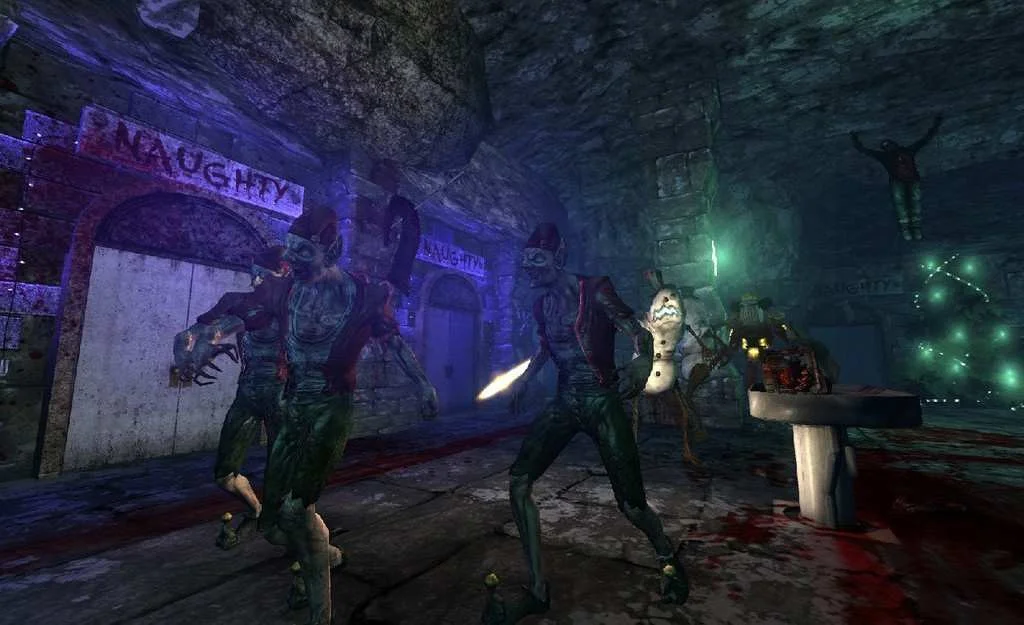
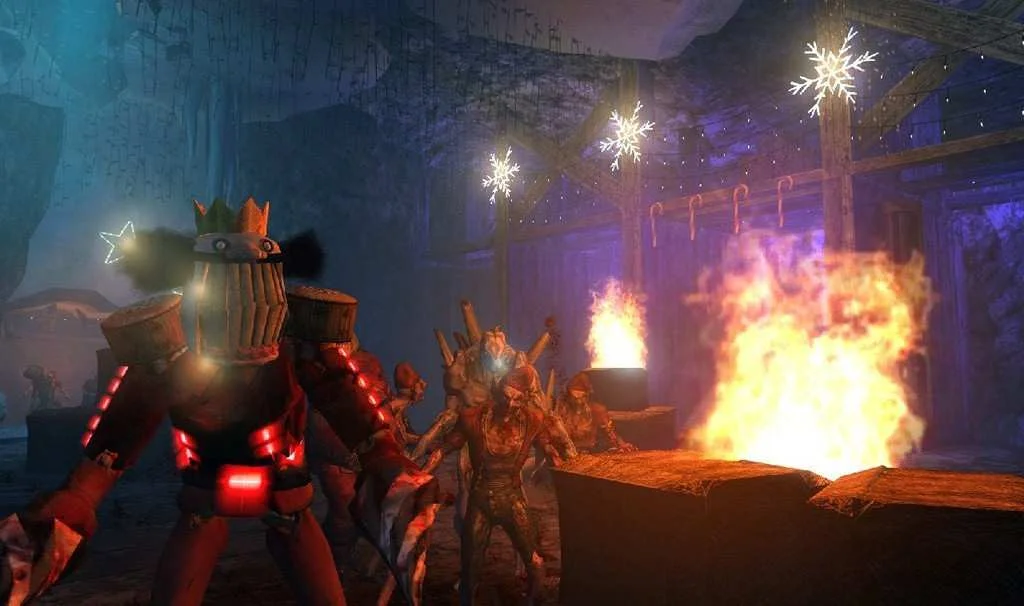
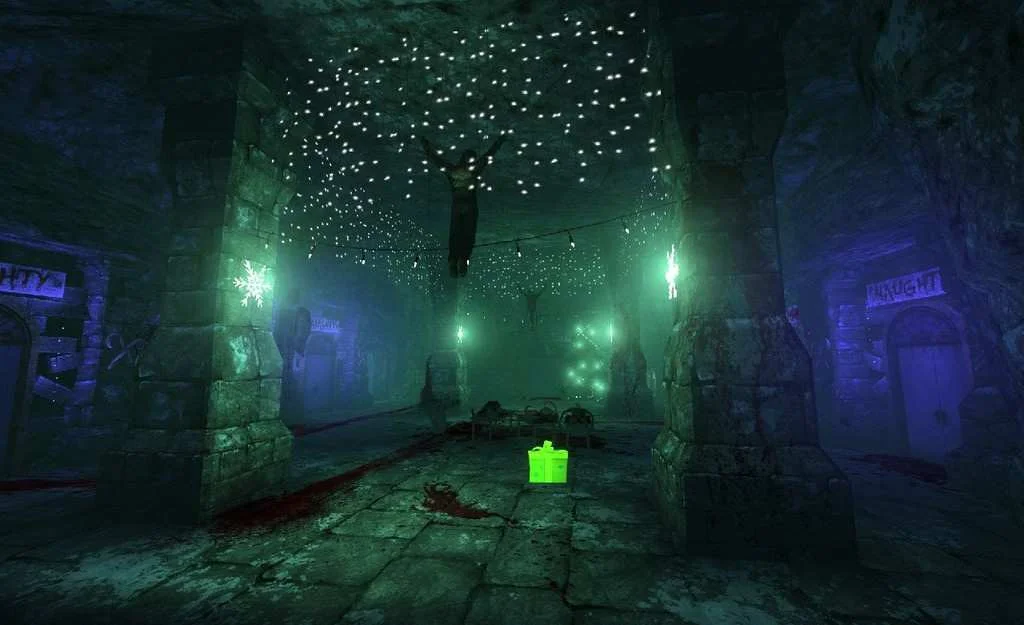

Trailer/Gameplay
Download
Killing Floor (2009), 2.35GB
ElAmigos release, game is already cracked after installation (crack by Reloaded).
Updated till 22.03.2015.

1. Extract files.
2. Burn or mount the image.
3. Install the game.
4. ElAmigos release, game is already cracked after installation.
5. Play the game. If you like this game, BUY IT!
Killing Floor Download
🔒 Premium access required
To see and use the download links, you must be logged in and have an active PREMIUM account.
* Unlock downloads via Torrent and TeraBox.
+22 DLC are included.
Torrent Download
The best torrent download speeds are with qBittorrent!