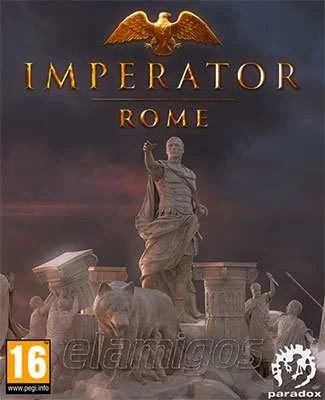
Imperator Rome
Edit date: 3-07-2025, 15:02
Reason: Updated to version 2.0.5 (24.04.2025).
- Category:
- Release date:
- Game Genre:Strategy, Economic, RTS, Ancient history, war strategy, historical
- Developer:
- Release:ElAmigos
- Platform:PC
- Languages (subtitles):English, French, German, Spanish, Russian, Chinese Simplified
- Crack:Codex/Rune
- Game size:1.24GB
Game Description
Imperator: Rome PC is a classical-era grand strategy game from Paradox Development Studio and Paradox Interactive. The official storefront name remains Imperator: Rome; it is not currently presented as a renamed or rebranded edition. You control a state rather than a single hero, balancing conquest, diplomacy, religion, population management, trade, and the ambitions of the people who serve your government.
A grand-strategy sandbox built around statecraft
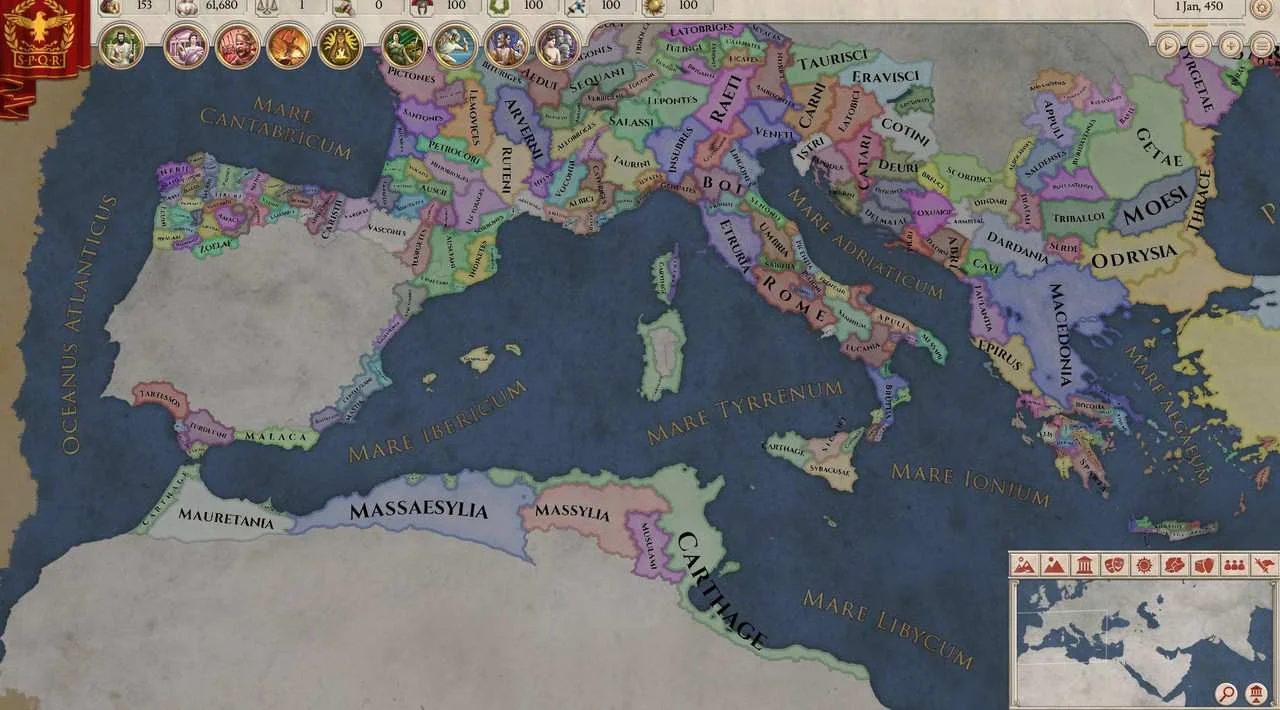
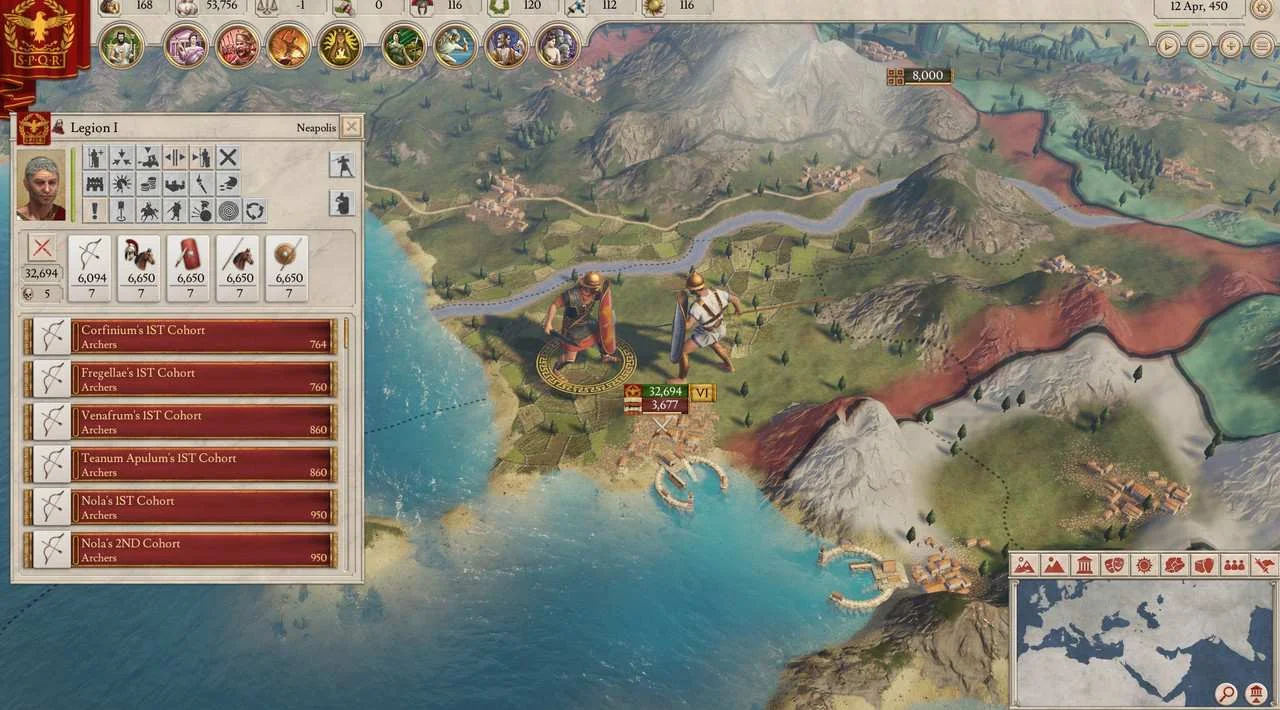
Imperator: Rome uses a top-down map perspective and a real-time-with-pause structure. Time advances continuously while you manage provinces, armies, characters, trade routes, laws, technology, and diplomatic relationships. Pausing is essential when several problems arrive together, especially during wars or political crises.
The main loop is broader than simply expanding across the Mediterranean. You improve cities and provinces, assign governors, select trade goods, establish diplomatic agreements, recruit armies, and decide which internal factions deserve support. Military expansion can increase your power while also creating new unrest, cultural friction, and administrative pressure.
Campaigns can begin with major powers such as Rome, Carthage, or a Hellenistic kingdom, but the game also supports smaller monarchies, republics, and tribes. Each start changes the balance between survival, consolidation, diplomacy, and expansion. There is no single correct route to success, which makes the sandbox more important than a fixed campaign narrative.
Characters, populations, and political pressure
Imperator: Rome combines nation-level strategy with a living cast of characters with skills and traits. Generals, governors, researchers, and political figures can become valuable assets or serious liabilities. Their loyalty matters, and influential commanders may eventually create threats inside the state if their power and personal armies grow unchecked.
The population system divides inhabitants into citizens, freemen, tribesmen, and slaves. Culture and religion influence their happiness and usefulness, while population groups contribute differently to research, manpower, taxation, and production. Moving people, developing settlements, and managing provincial stability are practical decisions rather than cosmetic map adjustments.
Government type changes how power is organized. A republic must manage its senate and political factions, a monarchy depends on court relationships and succession, and a tribal state is shaped by clan leaders and migration. These structures create different internal problems even when two countries follow similar military plans.
War, religion, trade, and provincial development
Combat takes place on the campaign map, but preparation begins well before armies meet. Battle tactics allow commanders to choose an approach before an engagement, while terrain, fortifications, roads, unit composition, and military traditions affect how a war develops. Different cultures unlock different military options, giving Rome, Celtic states, and Hellenistic powers distinct strategic identities.
Armies are not the only source of instability. Barbarian migrations, rebellions, disloyal governors, and ambitious generals can all damage a growing realm. A successful war may leave you with new territory that is difficult to integrate, making religious conversion, cultural management, and provincial investment part of the aftermath.
Trade goods provide local benefits and can also be exported to strengthen other provinces. You can improve settlements with buildings, roads, and defenses, then use those investments to support taxation, recruitment, commerce, or long-term development. Religious omens and government decisions add another layer of timing to the strategic loop.
What the current PC edition includes
The current Steam listing presents Imperator: Rome as a paid PC strategy game with single-player and online player-versus-player support. It also includes Steam Workshop, Steam Cloud, achievements, trading cards, and Family Sharing. Multiplayer requires a Paradox Account linked to the Steam account, while the game itself uses the Paradox Launcher ecosystem on supported storefronts.
The storefront catalog currently separates the base game from a small selection of add-ons. The listed game-content packs are Heirs of Alexander, Magna Graecia, Epirus, and the free Punic Wars Content Pack. A Complete Soundtrack is also listed, while the base presentation includes special content connected to the Hellenistic world, a digital art book, and wallpapers.
This is not a free-to-play game. The core experience is purchased upfront, with optional paid content packs rather than a subscription model. Players comparing it with larger Paradox catalogs should note that its available add-on lineup is much more compact than the long-running content ecosystems attached to some other grand-strategy series.
Who should play Imperator: Rome?
Imperator: Rome is a strong fit for players who enjoy historical grand strategy, alternate-history campaigns, map-based empire building, and interconnected management systems. It rewards people who like studying tooltips, pausing frequently, and solving political or economic problems before they become military disasters.
It is less suitable for players looking for a character-led role-playing campaign, a purely tactical battlefield simulator, or a fast conquest game with minimal administration. The game focuses on the state, but its characters and populations constantly complicate the state’s plans. Learning the interface is part of the experience.
Players who prefer dynastic stories and character relationships may also find useful overlap with character-driven medieval grand strategy such as Crusader Kings III, although Imperator: Rome places more emphasis on populations, provincial development, and classical-era institutions than on individual family drama.
PC features, controls, and localization
Imperator: Rome is designed primarily for mouse-and-keyboard map management, with its interface built around panels, overlays, tooltips, and pause controls. The Steam version supports Workshop modding, making community-created changes part of the PC ecosystem. The store does not identify a specialized cabinet mode, dedicated-server tool, or split-screen option.
The official Steam listing provides interface localization in English, French, German, Russian, Simplified Chinese, and Spanish. Audio is not presented as a full-voice campaign feature, so the game’s information is delivered mainly through text, interface panels, event descriptions, and map feedback.
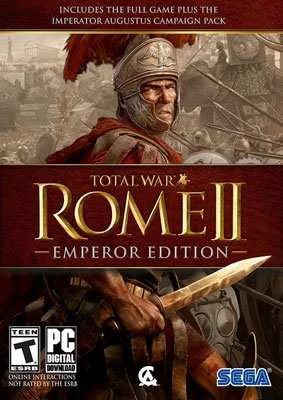
There is single-player play as well as online PvP. The game is not structured around local co-op or split-screen sessions. For a different ancient-world strategy format that combines a turn-based campaign layer with direct real-time battles, large-scale Roman warfare in Total War: ROME II is a more battlefield-focused alternative.
Imperator: Rome FAQ
Is the official name Imperator: Rome or Imperator Rome?
The current storefront title is Imperator: Rome. “Imperator Rome” is a common search variation, but the colon is part of the official presentation.
Is Imperator: Rome a real-time strategy game?
It is a grand strategy game with a real-time-with-pause system. You manage a persistent campaign on a strategic map rather than controlling individual soldiers in direct real-time battles.
Can you play Imperator: Rome multiplayer?
Yes. The PC version supports online PvP, and multiplayer requires a Paradox Account. It does not offer split-screen or local co-op campaign play.
What makes Imperator: Rome different from other Paradox strategy games?
Its classical-era setting combines population classes, culture and religion, character loyalty, government-specific politics, military traditions, provincial trade, and historical powers such as Rome, Carthage, and the Successor kingdoms.
Does Imperator: Rome support mods?
Yes. The Steam edition supports Steam Workshop, allowing players to browse and install community-made modifications through the PC platform.
Is Imperator: Rome free to play?
No. It is sold as a paid base game with optional add-ons. The current catalog includes several paid content packs, the free Punic Wars Content Pack, and a separate soundtrack listing.
System Requirements
Minimum: | Recomended: |
| Processor: Intel Core i3-2105 3.1 GHz / AMD FX-8120 3.1 GHz Graphics: 1280 MB GeForce GTX 570 Memory: 4 GB RAM Disk space: 2 GB HDD Operating system: Windows 7 SP1 64-bit | Processor: Intel Core i5-4690K 3.5 GHz / AMD Ryzen 3 2200G 3.5 GHz Graphics: 2 GB GeForce GTX 960 Memory: 8 GB RAM Disk space: 2 GB HDD Operating system: Windows 10 64-bit |
Screenshots


Trailer/Gameplay
Download
Imperator Rome Deluxe Edition (2019), 1.24GB
ElAmigos release, game is already cracked after installation (crack by Codex/Rune).

Updated to version 2.0.5 (24.04.2025).
Change language in game options.

1. Extract files.
2. Burn or mount the image.
3. Install the game.
4. ElAmigos release, game is already cracked after installation.
5. Play the game. If you like this game, BUY IT!
Imperator Rome Download
🔒 Premium access required
To see and use the download links, you must be logged in and have an active PREMIUM account.
* Unlock downloads via Torrent and TeraBox.
DLC: Heirs of Alexander, Magna Graecia Content Pack, The Punic Wars Content Pack, Hellenistic World Flavor Pack, Epirus Flavor Pack, Complete Soundtrack, Wallpapers.
Torrent Download
The best torrent download speeds are with qBittorrent!