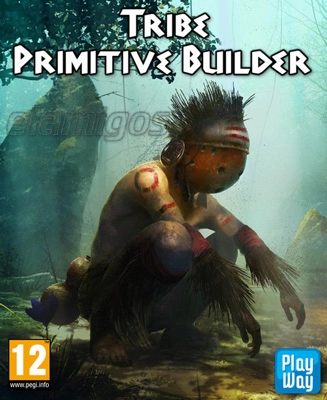
Tribe Primitive Builder
Edit date: 29-03-2024, 13:50
Reason: + update 1.0.18 - 1.1.10 (21.11.2023)
- Category:
- Release date:
- Game Genre:Adventure, FPP, RPG elements, survival, Polish, indie games, crafting, action adventure, simulation elements
- Developer:Space Boat Studios / Polyslash
- Release:ElAmigos
- Platform:PC
- Languages (subtitles):English, French, Italian, German, Spanish, Spanish (Mexico), Polish, Czech, Russian, Dutch, Danish, Portuguese, Portuguese-Brazil, Turkish, Finnish, Norwegian, Swedish, Japanese, Korean, Chinese Simplified, Chinese Traditional
- Crack:Codex/Rune, Tenoke
- Game size:5.44GB
Game Description
Tribe: Primitive Builder on PC is a first-person survival builder and light colony-management game about restoring an exiled tribe on a mysterious island. The current Steam listing still uses the name Tribe: Primitive Builder, with no verified rebrand or replacement edition. Its focus is structured exploration, resource gathering, blueprint construction, food production, and gradual village automation rather than unrestricted sandbox building.
A first-person builder with a clear survival loop
You play as the tribe's builder, moving through the environment in a first-person perspective while collecting the materials needed to keep the settlement alive. The basic loop is direct: explore, gather, craft tools, construct facilities, satisfy villager needs, and unlock access to new parts of the island.
Early resources include wood, bamboo, grass, vines, stone, meat, herbs, bones, and other materials used for tools, buildings, food production, and settlement upgrades. Knives, axes, and related equipment expand what you can gather and make wilderness travel more practical.
Construction is based around prefabricated blueprints. You select a structure, place it in the available area, and complete it by supplying the required materials. This makes Tribe: Primitive Builder easier to read than a highly freeform survival sandbox, but it also means the game is more about planning the correct settlement infrastructure than designing elaborate custom architecture.
Players who prefer a more traditional settlement-management view may find the first-person format unusual. For comparison, survival city builders such as Banished place the emphasis on overseeing the whole settlement from above, while Tribe keeps the player physically involved in gathering, building, and exploration.
Rituals, villagers, and settlement automation
The tribe grows through a combination of building upgrades, resource planning, and story progression. Performing rituals unlocks new blueprints, including more durable and advanced structures. These unlocks are not simply cosmetic: new buildings can open routes into additional areas and improve the tribe's ability to produce what it needs.
Villagers require shelter, food, and work. Expanding too quickly can create shortages, while delaying growth can leave the settlement unprepared for later objectives. The central management challenge is therefore balancing population growth with dependable production rather than chasing expansion for its own sake.
Automation is part of the game's identity. Once facilities and supply routines are established, tribe members can help produce materials and food, reducing the need for the player to perform every task personally. The automation layer is intentionally lightweight, so it works best as support for the first-person building loop rather than as a complex industrial simulation.
The story is divided across four lands, with objectives from the elders guiding the player's progress. Exploration is connected to construction: improving the settlement and unlocking better structures allows the tribe to reach places that were previously unavailable.
What makes the building model different
Tribe: Primitive Builder is not a pure city builder and not a conventional combat-heavy survival game. It combines a playable builder character with settlement responsibilities, creating a hybrid where direct movement and material gathering sit alongside worker management and village logistics.
The game places more emphasis on guided progression than on emergent sandbox systems. Tasks, rituals, and the main storyline provide a clear direction, while the building catalogue defines the practical route toward a stronger settlement. This structure can suit players who want objectives and visible upgrades without the pressure of a large technology tree.
Its distinctive tension comes from scale. A hut may be simple to construct, but the settlement needs enough housing, food, storage, and productive work to support further growth. Resource collection is therefore tied to the tribe's overall condition, not just to the player's personal inventory.
Players looking for deeper logistics should set expectations accordingly. More demanding survival settlement games such as Farthest Frontier offer broader economic chains, more extensive town planning, and stronger pressure from systemic threats. Tribe: Primitive Builder keeps those ideas at a smaller and more approachable scale.
Content structure and commercial model
The PC version is a paid single-player game rather than a free-to-play service. The Steam listing also provides a demo, allowing players to test the first-person gathering and construction loop before committing to the full version.
The current storefront page lists the main game and promotional bundles, but it does not present a season pass, expansion roadmap, or catalogue of paid table-sized content. The practical purchase is therefore the core Tribe: Primitive Builder experience, with bundles treated as storefront packages rather than separate gameplay expansions.
Progression is campaign-like and objective-driven. The four-land structure, elder guidance, rituals, and settlement upgrades give the game a defined route through its content. It is not designed around endless procedural colony runs or a competitive score ladder.
After the main objectives are completed, the remaining appeal comes from improving the settlement, completing Steam achievements, exploring missed areas, and refining the tribe's production routines. Players seeking unlimited building freedom may find the blueprint catalogue restrictive, while players who prefer a finite guided experience may appreciate the clearer endpoint.
Who should play Tribe: Primitive Builder?
This is a good fit for PC players who enjoy relaxed survival management, first-person exploration, gathering, and settlement construction with explicit objectives. It is especially approachable if you like the idea of running a village but do not want to begin with a dense interface full of interlocking production charts.
The game also suits players interested in a primitive setting where progress is expressed through better huts, improved work areas, food supply, rituals, and access to new island regions. Its atmosphere and environmental exploration are more important than combat mastery.
It is less suitable for players who expect fully modular construction, advanced automation, extensive character customization, or multiplayer cooperation. The Steam listing identifies the game as single-player, and player discussions indicate that co-op and multiplayer are not part of the current PC experience.
Players who want a larger systems-driven colony simulation may prefer resource-focused settlement builders such as Timberborn. Tribe is more personal and more linear: you walk through the island, perform much of the early work yourself, and gradually delegate parts of the economy to the tribe.
PC features, controls, and localization
The PC version includes Steam Achievements, Steam Cloud support, and Family Sharing. The storefront lists 29 achievements, covering activities such as construction, exploration, fishing, hunting, rituals, and progression milestones.
Native full controller support is not advertised on the main store page. The developers published a Steam Input configuration as an optional keyboard-binding solution, so controller users should expect configuration through Steam rather than a conventional in-game gamepad profile.
There is no verified multiplayer, split-screen, or co-op mode. The design is built around one player acting as the builder while managing the wider tribe, and the available PC feature set is centered on Steam's single-player ecosystem.
Interface and subtitle localization covers 21 languages, including English, Polish, French, German, Spanish, Italian, Portuguese, Chinese, Japanese, Korean, Russian, Turkish, and several Nordic and Central European languages. The store listing does not advertise full audio localization, so players should expect text localization rather than a choice of dubbed voices.
Tribe: Primitive Builder FAQ
Is Tribe: Primitive Builder still the current PC name?
Yes. The current Steam listing continues to use Tribe: Primitive Builder. No verified renamed edition or replacement PC storefront title was identified during the storefront check.
Is Tribe: Primitive Builder multiplayer or co-op?
No. The PC version is listed as single-player and does not provide online multiplayer, co-op, or split-screen settlement management.
What do you do in Tribe: Primitive Builder?
You explore an island in first person, gather natural resources, craft tools, place building blueprints, provide food and shelter for villagers, perform rituals, unlock stronger structures, and expand the tribe across four lands.
Does the game support controllers on PC?
It does not advertise native full controller support on its main Steam feature list. The developers provide an optional Steam Input configuration that maps controller input to keyboard-style controls.
Does Tribe: Primitive Builder have DLC or a season pass?
The current PC storefront listing shows the paid base game and a demo, but no verified season pass or substantial DLC catalogue. Bundles on Steam package Tribe: Primitive Builder with other games and should not be confused with expansions for the game itself.
Is the building freeform?
No. Construction uses a blueprint-based system in which you place predefined structures and finish them by supplying materials. The game offers settlement planning and upgrades, but not the unrestricted piece-by-piece building found in some survival sandboxes.
System Requirements
Minimum: | Recommended: |
| Processor: Intel Core i5-6400 / AMD Ryzen 5 1500X Graphics: RX 570 4GB VRAM / GeForce GTX 970 4GB VRAM Memory: 8 GB RAM Disk space: 10 GB available space Operating system: Windows 10 (64-bit) or newer | Processor: Intel Core i5-6600K / AMD Ryzen 5 2600X or better Graphics: Nvidia 1660 Super or better Memory: 8 GB RAM Disk space: 10 GB available space Operating system: Windows 10 (64-bit) or newer |
Screenshots
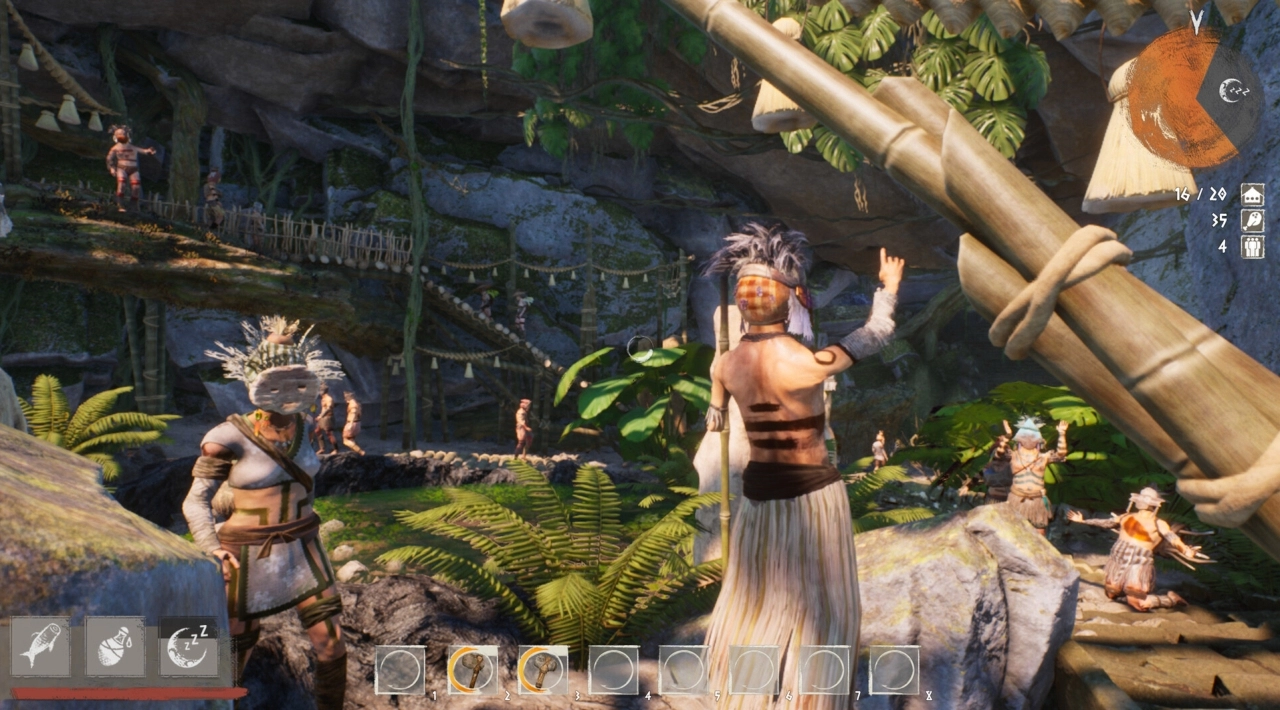
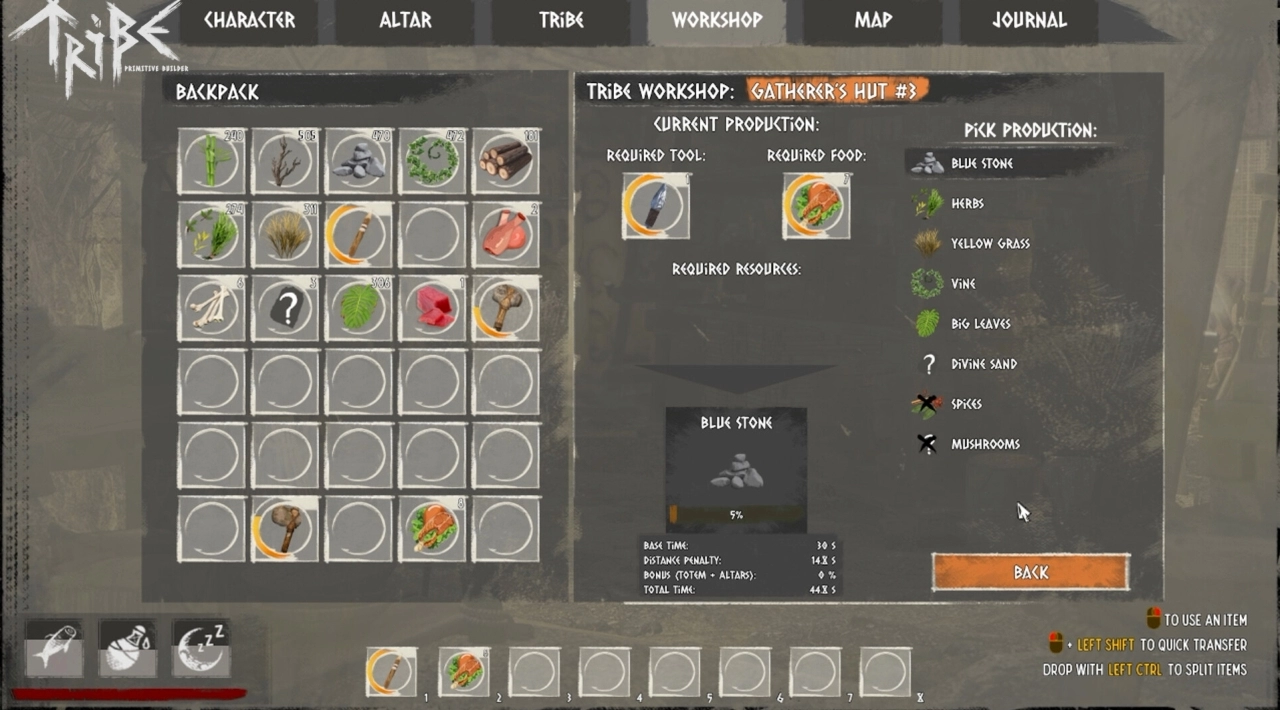
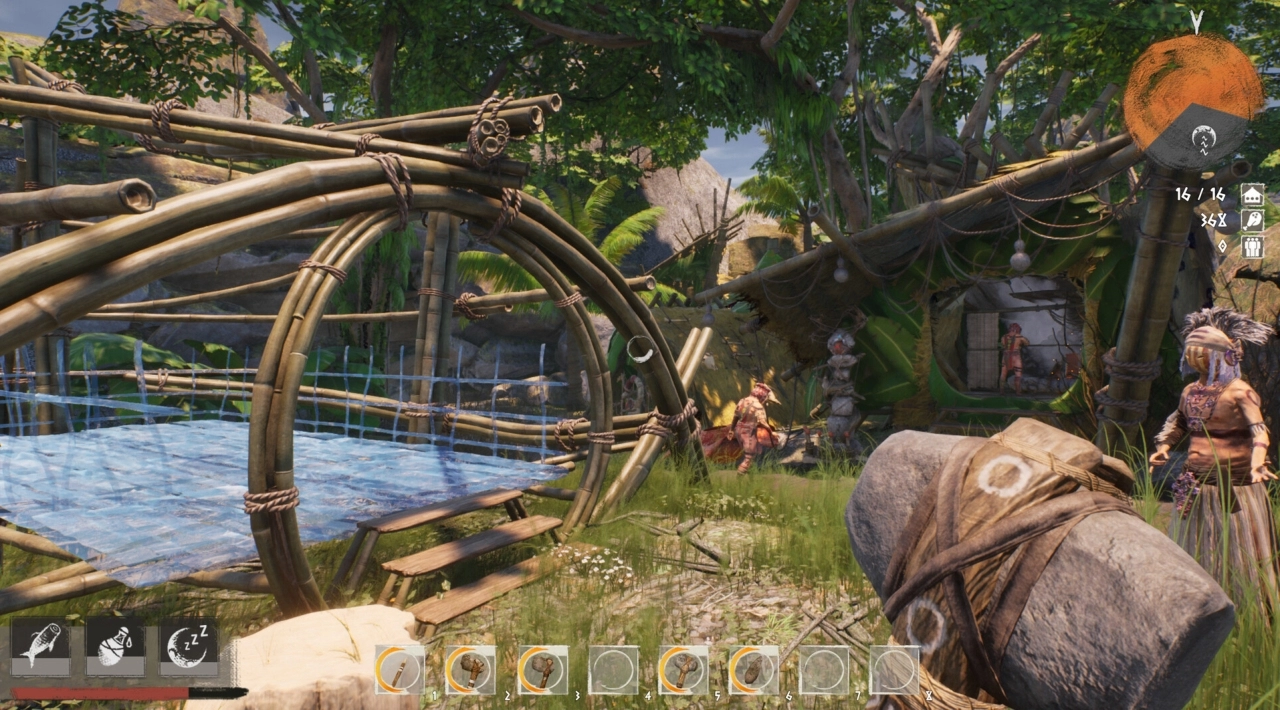
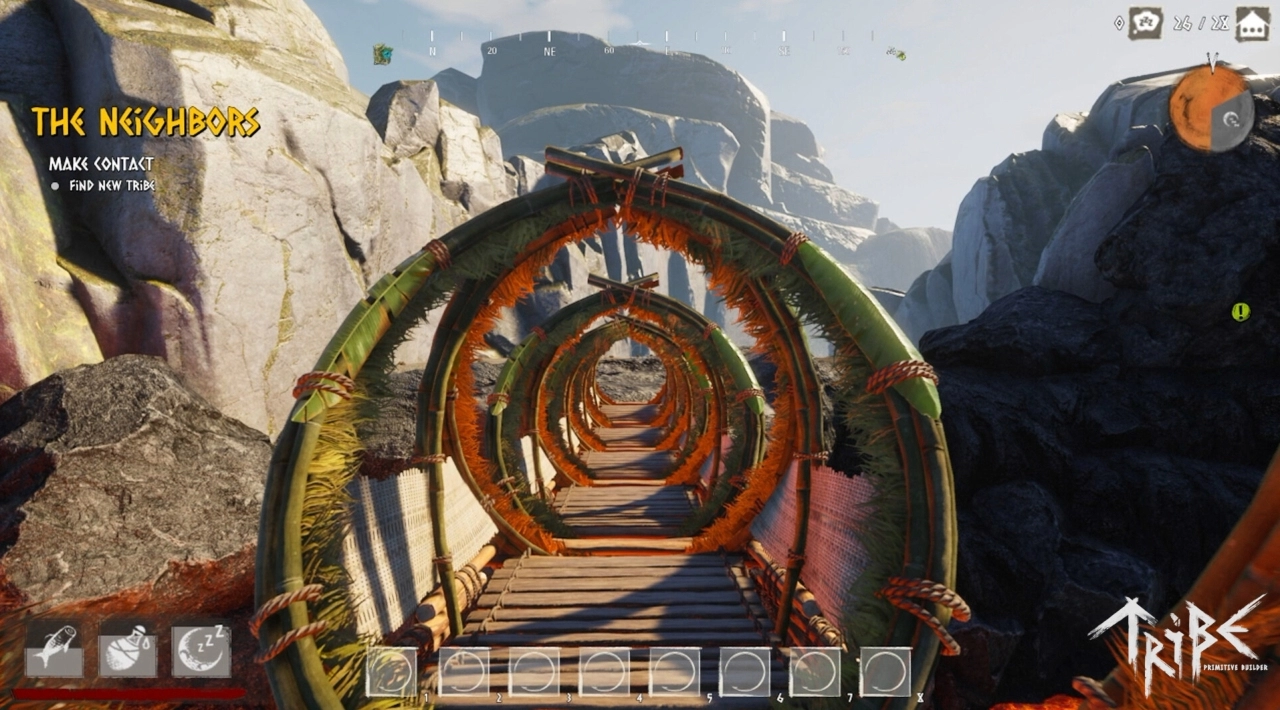
Trailer/Gameplay
Download
Tribe Primitive Builder (2023), 5.44GB
ElAmigos release, game is already cracked after installation (crack by Codex/Rune or Tenoke).

Updated to version 1.0.18 (16.10.2023).

1. Extract files.
2. Burn or mount the image.
3. Install the game.
4. ElAmigos release, game is already cracked after installation.
5. Play the game. If you like this game, BUY IT!
Tribe Primitive Builder Download
🔒 Premium access required
To see and use the download links, you must be logged in and have an active PREMIUM account.
* Unlock downloads via Torrent and TeraBox.
+ update 1.0.18 - 1.1.10 (21.11.2023) & crack (by Codex/Rune or Tenoke), 371MB
🔒 Premium access required
To see and use the download links, you must be logged in and have an active PREMIUM account.
* Unlock downloads via Torrent and TeraBox.
Torrent Download
The best torrent download speeds are with qBittorrent!