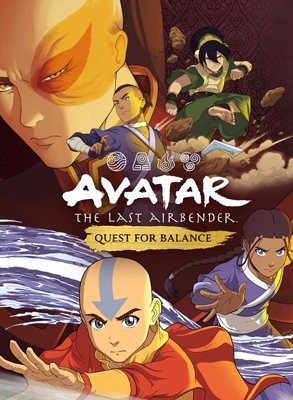
Avatar The Last Airbender - Quest for Balance
- Category:
- Release date:
- Game Genre:Action, TPP, fantasy, animated TV series, action adventure
- Developer:Bamtang
- Release:FitGirl
- Platform:PC
- Languages (subtitles):English, French, Italian, German, Spanish - Spain, Dutch
- Dubbing/Audio:English
- Crack:Rune
- Game size:6.32GB
Game Description
Avatar: The Last Airbender - Quest for Balance is a PC action-puzzle adventure based on Nickelodeon's animated series. The official PC storefront name remains unchanged, with no verified rebrand or replacement edition currently superseding it. Developed by Bamtang Games and published by GameMill Entertainment, it follows Team Avatar across a chapter-based journey built around elemental abilities, environmental puzzles, combat, and two-player co-op.
The game is aimed primarily at fans of Aang, Katara, Sokka, Toph, Zuko, and the wider Avatar world rather than players seeking a large open-world role-playing game. Its structure is compact and mission-focused, moving between recognizable locations, scripted story moments, exploration sections, and objective-driven encounters.
Chapter-Based Action And Puzzle Gameplay
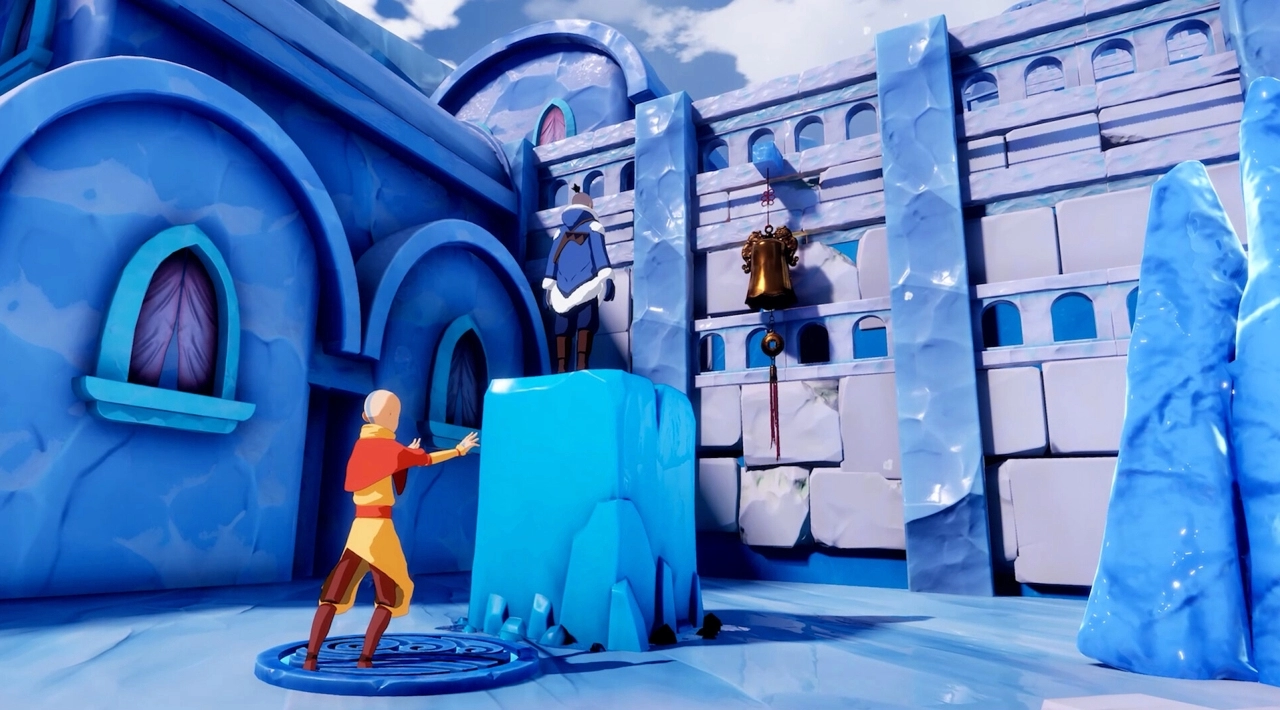
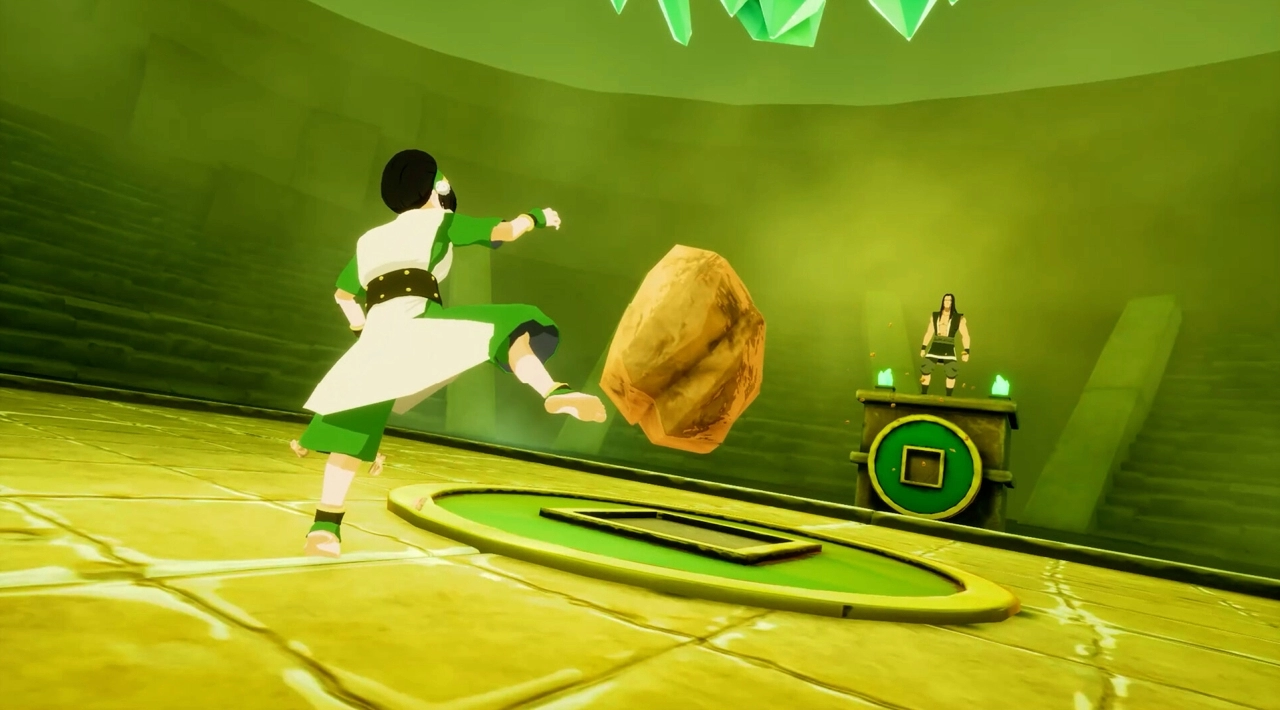
Quest for Balance presents the original Avatar adventure through 18 story chapters. Each chapter combines traversal, quests, enemy encounters, environmental obstacles, and puzzles that make use of bending or a character's individual abilities.
The camera shifts between third-person and 3/4-overhead perspectives, depending on the situation. That viewpoint supports straightforward exploration while also giving puzzle areas a clearer view of hazards, switches, platforms, and interactable objects.
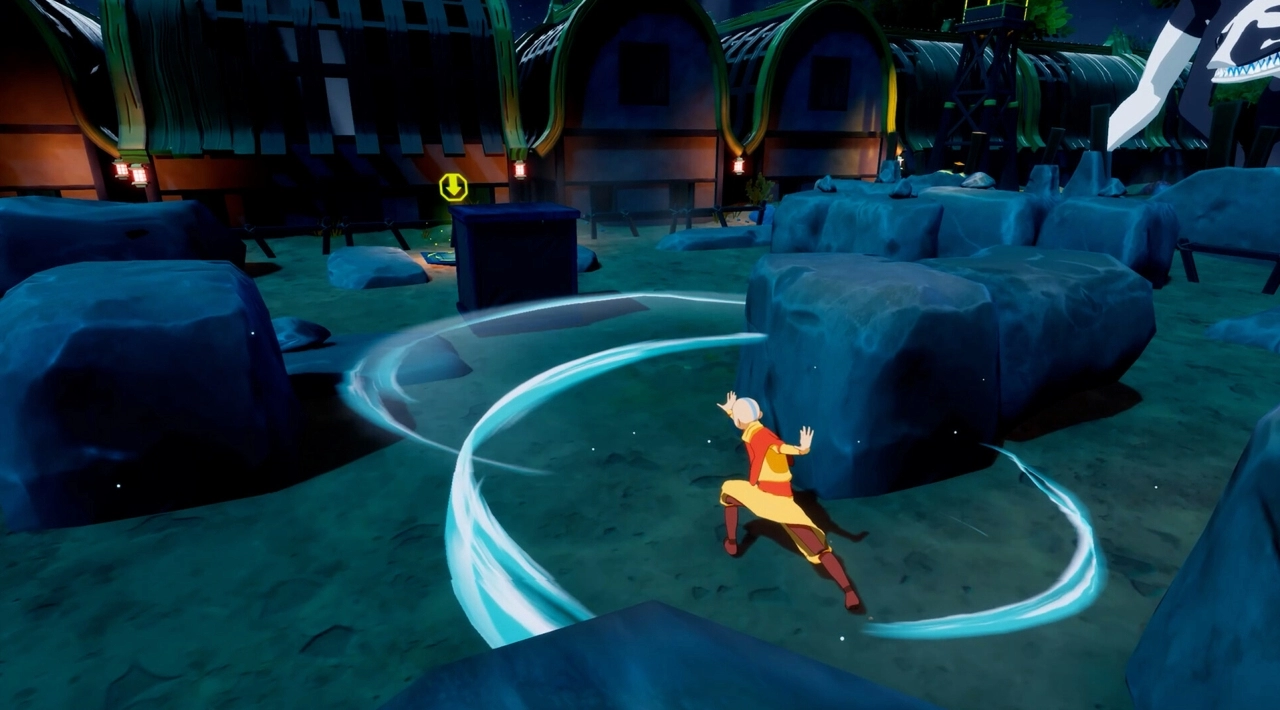
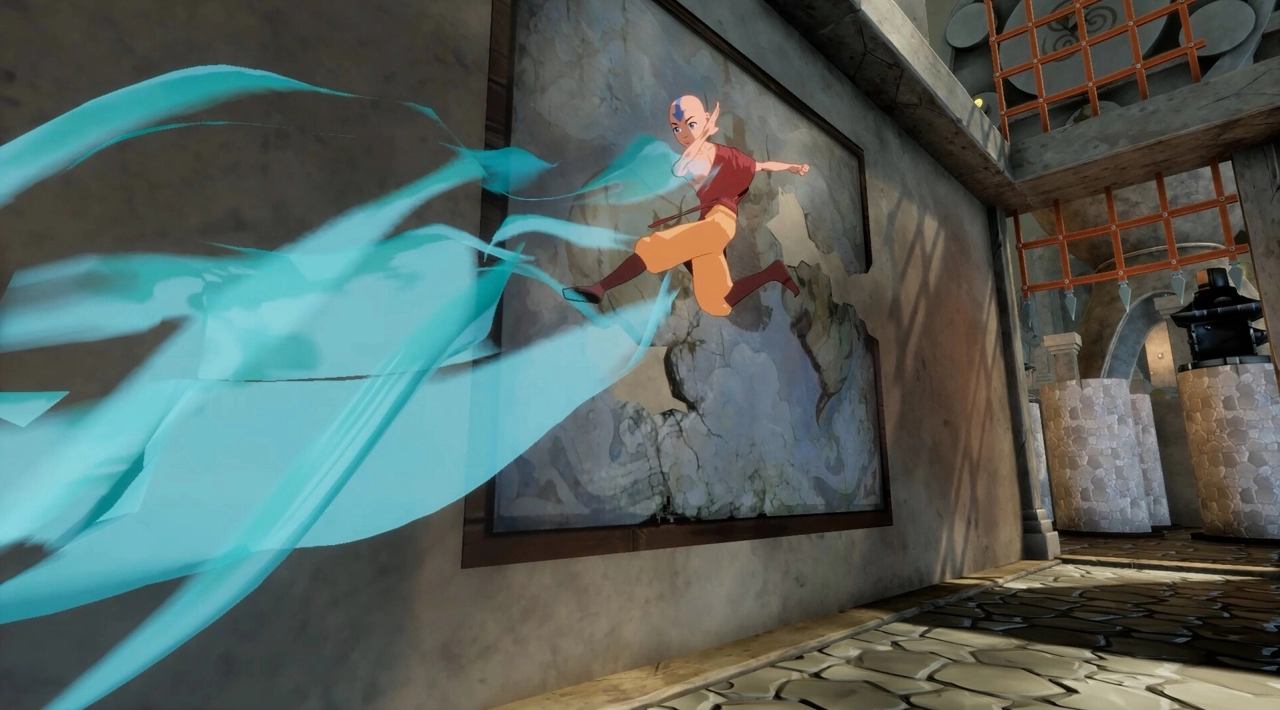
Combat is built around elemental attacks and character-specific moves rather than a deep combo-heavy fighting system. Aang and the other heroes use air, water, earth, fire, weapons, or other tools to knock out enemies, clear obstacles, and progress through each objective.
Players who enjoy older character-driven action adventures with direct puzzle design may find the structure familiar. Its emphasis on compact missions and environmental tasks places it closer to a licensed console adventure than to a modern open-world Avatar RPG. For a more traditional third-person adventure built around separate playable heroes and environmental challenges, classic puzzle-focused action adventures like Sphinx and the Cursed Mummy provide a useful point of comparison.
Bending, Abilities, And Team Avatar
The central gameplay idea is using elemental bending as both a combat tool and a method of interacting with the environment. Air, water, earth, and fire are represented through different abilities, while non-bending characters contribute their own skills to the group.
The roster contains nine playable characters, including Aang, Toph, Sokka, and Katara. This gives the campaign more variety than a single-character action game, although the experience remains structured around predefined chapter scenarios rather than free character selection across a fully open world.
Character abilities can be upgraded throughout the story. Progression is therefore tied to improving the team's effectiveness, unlocking stronger versions of familiar skills, and making later encounters more manageable. The system is light compared with a full RPG skill tree, but it gives players a reason to revisit how each character contributes.
The Avatar setting also supplies the game's main thematic appeal. Locations connected to the Four Nations, Team Avatar, Appa, Momo, the Fire Nation, and the journey to restore balance are more important here than optional exploration or extensive lore databases.
Story Structure And Content Model
Quest for Balance is a paid standalone game rather than a free-to-play service. The base experience is organized around its 18 chapters, and the PC version supports replaying completed chapters so players can return to favorite moments or pursue unfinished objectives.
There is no verified current storefront rebrand into a definitive edition, classic edition, or free-to-play version. The title remains listed as Avatar: The Last Airbender - Quest for Balance on the PC storefront, while publisher and developer pages use the same core name.
The content is designed for players who want a direct adaptation of the animated series. It does not present a player-created Avatar, branching nation allegiance, open-ended world simulation, or a loot-driven endgame. The main loop is completing chapters, solving their objectives, using character abilities, and replaying missions when desired.
Solo Play And Two-Player Co-Op
The entire story can be played in single-player, with one player controlling the available heroes as the campaign requires. The game also supports two-player co-op, giving another player a role during the adventure.
On PC, the listing identifies both online co-op and shared or split-screen co-op. Steam Remote Play Together is also supported, which gives PC players another way to play cooperatively without treating the game as a large persistent multiplayer world.
Co-op is best understood as a way to experience the chapter campaign with a friend rather than as a separate competitive mode. There is no indication of large-party multiplayer, online matchmaking built around repeatable competitive modes, or a standalone player-versus-player component.
That makes the game most suitable for two people who want a licensed action-adventure they can complete together. Players searching for unrestricted co-op exploration, character builds shared across a long-term service, or a broad multiplayer ecosystem should set their expectations accordingly.
PC Features, Controls, And Localization
The PC version is distributed through Steam and includes full controller support, making a gamepad the natural choice for players who prefer the console-style design. Steam also lists 27 achievements, Family Sharing, and Remote Play Together.
Keyboard and mouse input is available through the PC release, but the combat, traversal, and menu design are centered on direct character control rather than precision aiming. A controller is likely to feel more consistent for players moving between exploration and action sequences.
Localization covers English, French, Italian, German, Spanish from Spain, and Dutch. English includes full audio, interface text, subtitles, and achievement support; the other listed languages provide interface and subtitle localization without full audio.
The PC storefront does not advertise a separate anti-cheat system, dedicated-server tools, mod support, cabinet features, or an additional launcher beyond the Steam distribution layer. Those omissions matter because the game's main PC advantages are practical platform features, co-op options, controller support, and achievements rather than extensive technical customization.
Who Should Play Quest For Balance?
This is a reasonable fit for Avatar fans who want to revisit the animated series through a playable chapter campaign. It also suits younger players and families looking for fantasy violence, simple action, accessible objectives, and cooperative play without a complex role-playing ruleset.
Players who enjoy licensed action games with recognizable characters, environmental puzzles, and a clear mission structure may appreciate the straightforward format. The ability to replay chapters is useful for co-op sessions, achievement hunting, or returning to particular story locations.
It is less suitable for players expecting a detailed bending simulator, a large open world, deep character customization, or combat with the complexity of a dedicated action game. The focus is on moving through set-piece chapters and completing their objectives, not on building a unique Avatar identity.
The game also works best for people already familiar with the series. Knowledge of Team Avatar and the Four Nations makes the condensed story easier to follow, while newcomers may find the rapid movement between characters, locations, and plot moments less informative than watching the original show first.
Comparable PC Adventures
Players looking for a more traditional third-person adventure with distinct heroes, puzzle rooms, collectible hunting, and environmental hazards can compare it with third-person puzzle adventures such as Sphinx and the Cursed Mummy. That game is single-player and older in design, but both rely on character abilities and environmental problem-solving rather than open-world progression.
For a more polished fantasy action adventure with staff combat, ranged attacks, environmental puzzles, and a companion-driven ability system, spirit-focused third-person adventures like Kena: Bridge of Spirits offer a stronger action emphasis and a more developed solo progression loop.
If the main attraction is family-friendly licensed storytelling, local co-op, character abilities, and puzzle solving, cooperative licensed adventures in the style of LEGO Star Wars: The Skywalker Saga are another relevant comparison. LEGO Star Wars is broader and more sandbox-oriented, while Quest for Balance stays focused on its Avatar chapter campaign.
Avatar: The Last Airbender - Quest For Balance FAQ
Is Quest for Balance still the official PC name?
Yes. The current PC storefront and the developer's page continue to use Avatar: The Last Airbender - Quest for Balance. No verified rebrand, replacement title, or definitive-edition name supersedes it.
Is Avatar: The Last Airbender - Quest for Balance single-player?
Yes. The story supports solo play, and the campaign can be completed by one player. It also supports two-player local and online co-op.
Does the PC version have online co-op?
Yes. The PC listing includes online co-op, shared or split-screen co-op, and Steam Remote Play Together. The game is built around cooperative progression through its chapter campaign rather than a large online multiplayer mode.
How many characters can you play as?
The campaign includes nine playable characters, with Aang, Katara, Sokka, and Toph specifically identified in the PC listing. Character selection and abilities are tied to the chapter structure rather than unrestricted party building.
What languages are supported on PC?
The PC version supports English, French, Italian, German, Spanish from Spain, and Dutch. English has full audio, while the other listed languages provide interface and subtitle localization.
Does the game have progression or upgrades?
Yes. Players can upgrade abilities during the story, improving how the characters use bending and their other unique skills. Progression is intentionally lighter than a full RPG system and is focused on advancing through the 18 chapters.
System Requirements
Minimum: | Recomended: |
| Processor: Quad-core Intel or AMD, 2.7 GHz or higher Graphics: NVIDIA GeForce GTX1050 or higher Memory: 8 GB RAM Disk space: 16 GB available space Operating system: Windows 10 64-bit | Processor: Quad-core Intel or AMD, 3.0 GHz or higher Graphics: NVIDIA GeForce GTX 1060 6 GB or higher Memory: 16 GB RAM Disk space: 16 GB available space Operating system: Windows 10 64-bit |
Screenshots
Trailer/Gameplay
Download
Avatar The Last Airbender - Quest for Balance (2023), 6.32GB

FitGirl Release

Languages: ENG/MULTI6
Original Size: 8.4 GB
Repack Size: 6.3 GB

1. Extract files.
2. Install the game.
3. Play the game. If you like this game, BUY IT!
Avatar The Last Airbender - Quest for Balance Download
🔒 Premium access required
To see and use the download links, you must be logged in and have an active PREMIUM account.
* Unlock downloads via Torrent and TeraBox.
Torrent Download
The best torrent download speeds are with qBittorrent!