Little Gods of the Abyss
- Category:
- Release date:
- Game Genre:3D Platformer, Adventure, Puzzle, Action-Adventure, Atmospheric
- Developer:PLAY Mephistowaltz
- Release:FitGirl
- Platform:PC
- Languages (subtitles):English, Korean, Japanese, French, German, Spanish - Spain, Simplified Chinese, Traditional Chinese, Portuguese - Brazil, Portuguese - Portugal, Spanish - Latin America
- Crack:Tenoke
- Game size:0.70GB
Game Description
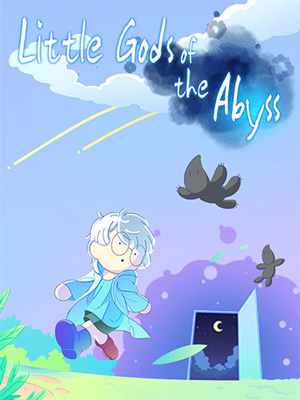
Little Gods of the Abyss is a PC 3D puzzle-platformer from PLAY Mephistowaltz and GRAVITY. It was previously known as DOOR:Inner Child, an important storefront and search reference for players who remember the earlier title. The finished game follows Nia, a small god moving through a damaged world, restoring corrupted gates through precise movement, environmental puzzles, music, and symbolic storytelling.
The game is built for players who want a focused single-player adventure rather than an open-ended role-playing system. Its appeal comes from the combination of platforming control, strange spaces, and a narrative that expects players to interpret what they see instead of relying on constant dialogue or exposition.
Precision Platforming In A Distorted World
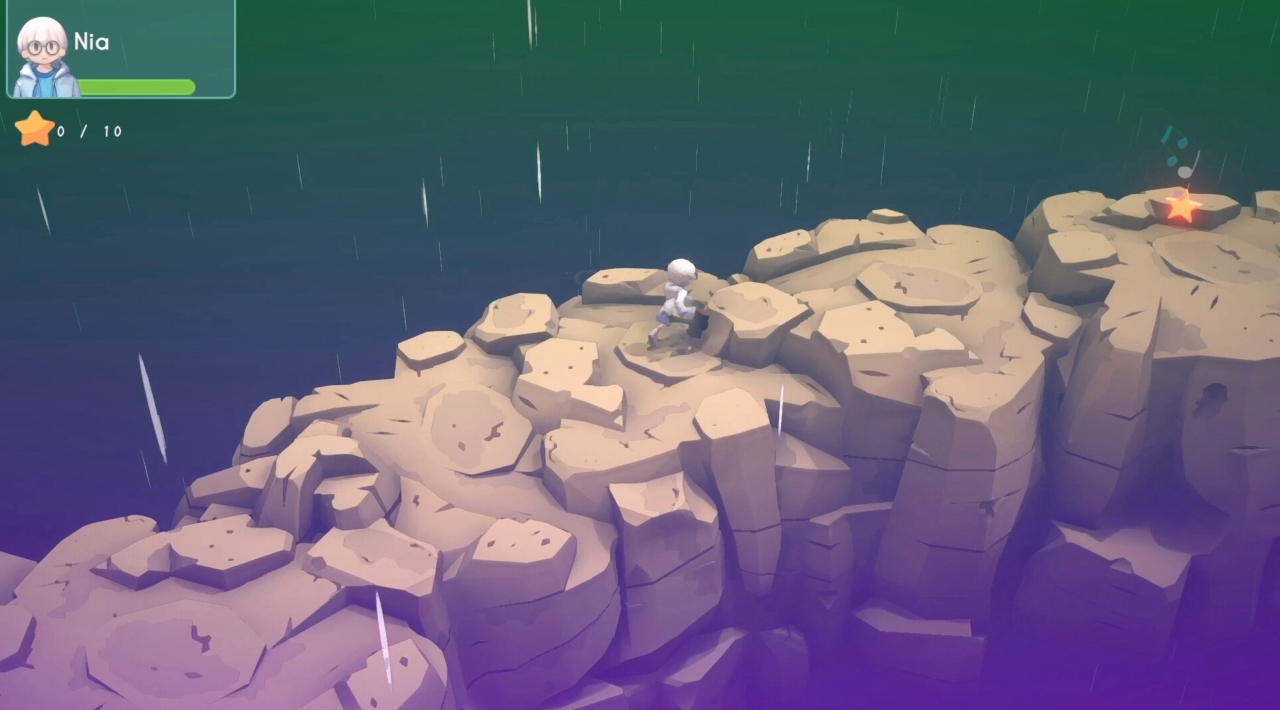
Little Gods of the Abyss uses a third-person perspective and centers its gameplay on jumping, dodging, gliding, and timing-based movement. Traversal is not merely a way to move between story scenes. Nia's movement is part of the problem-solving, with platforms, gaps, hazards, and environmental changes asking players to read space carefully.
The controls are deliberately more demanding than a relaxed walking simulator. Players need to judge distance, timing, and momentum while navigating stages shaped by the world's corruption. The result is a platforming loop that can feel calm one moment and exacting the next.
Combat exists as part of the action design, but the storefront presentation emphasizes platforming, exploration, puzzles, and environmental progression rather than character builds or traditional combat depth. Players looking for a skill-tree-driven action game should set their expectations accordingly.
The structure is stage-based and linear in its overall direction. You move through distinct areas, solve the obstacles in front of you, gather the resources needed to reactivate gates, and continue toward the corrupted Primal Gate.
Gates, Stars, And Music
Nia's defining ability is the power to mend and restore gates. These gates represent more than ordinary checkpoints or doors. They are tied to the damaged flow of the world and provide the main reason to explore each environment.
Progress depends on collecting healing stars filled with music. These singing stars activate closed gates and help restart the halted flow. This gives exploration a clear purpose: players are not simply searching for optional collectibles, but gathering what is needed to push the journey forward.
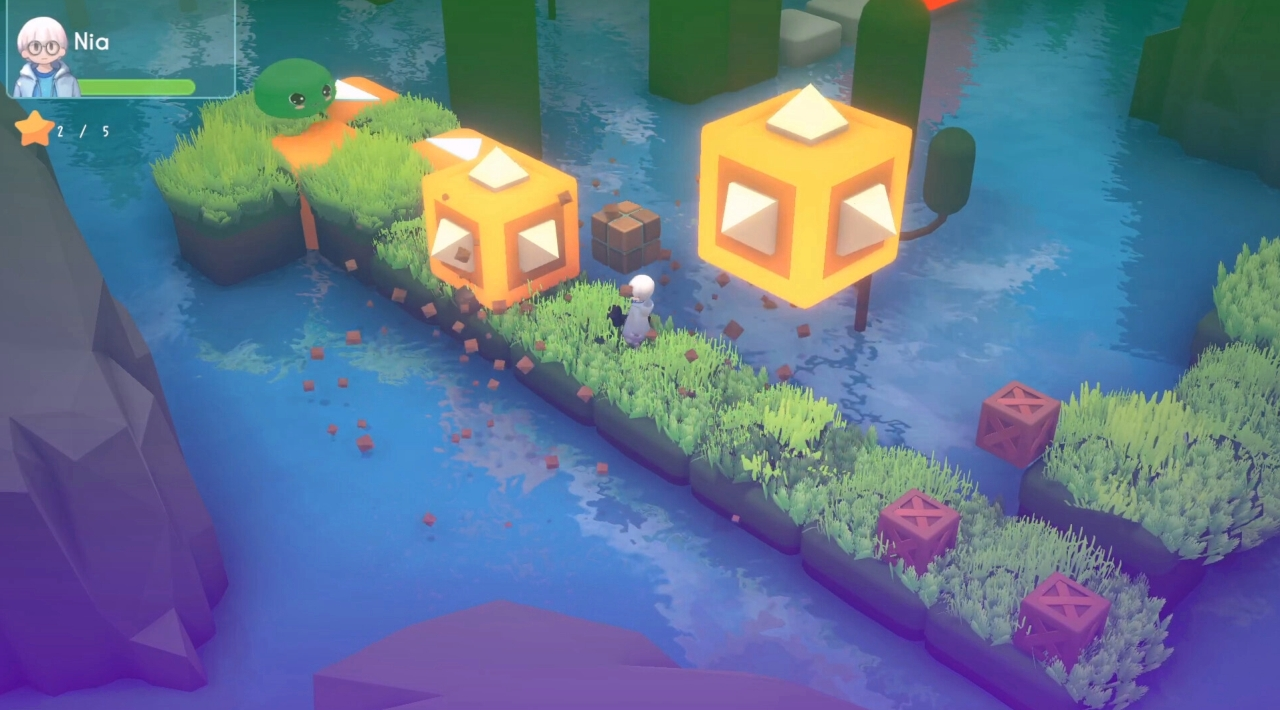
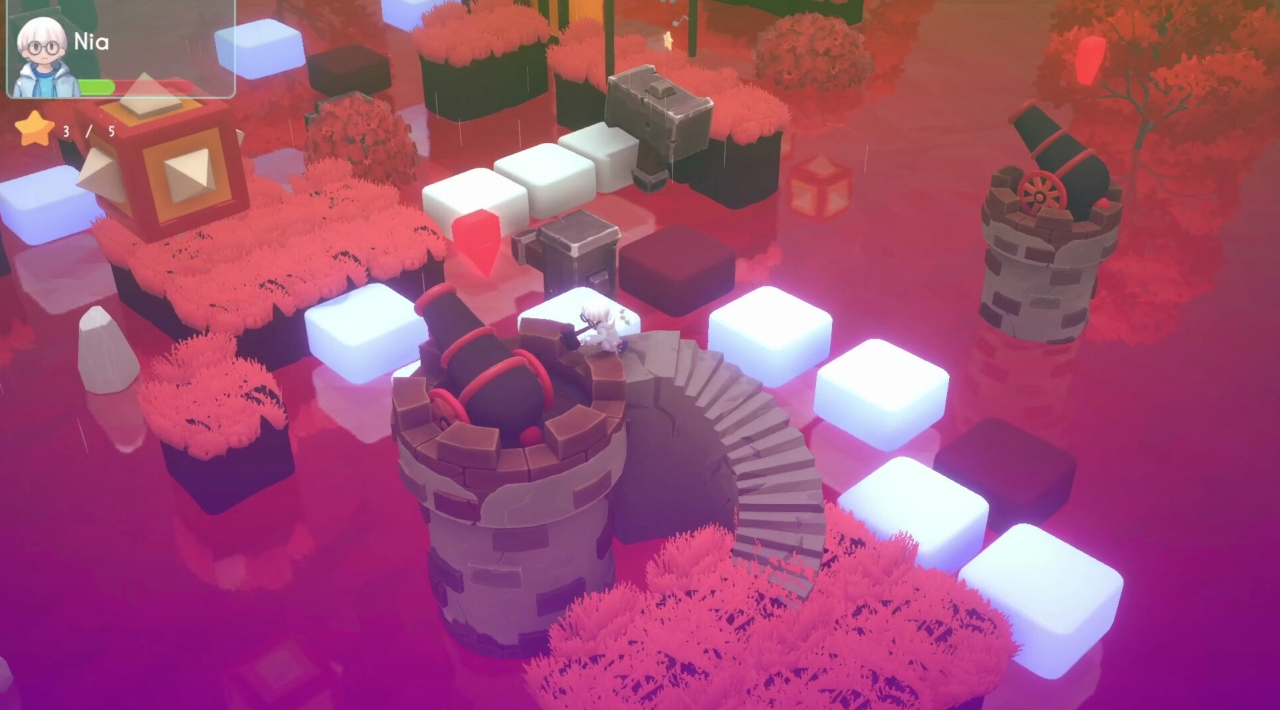
The environmental puzzles are connected to movement and observation. Instead of presenting a separate puzzle screen, the game places solutions inside the stage itself. Twisted architecture, spatial distortions, timing devices, and route choices all contribute to the process of finding a way ahead.
Music is also part of the game's identity. The soundtrack is not described as a rhythm-game system, and players are not asked to match button presses to a beat. Instead, music works as a thematic and world-restoring force, reinforcing the idea that the broken environment can be brought back into motion.
A Story Told Through Atmosphere
The setting is a corrupted world affected by rifts that began at the Primal Gate. Life has stopped, emotions have become distorted, and familiar ideas of space no longer behave normally. Nia travels through the aftermath rather than through a conventional fantasy map with towns, quest boards, and explicit lore entries.
Areas include silent forests, lifeless ruins, and geometrically distorted locations. Each setting is designed to communicate a different emotional condition. The visual presentation can be colorful and gentle while still feeling unsettling, which gives the adventure a distinctive tone.
The narrative is delivered through symbols, environmental shifts, music, direction, and movement. There is no need to treat the story as a conventional dialogue-heavy campaign. Players who enjoy interpreting visual clues and mood will get more from the presentation than players who expect every plot point to be explained directly.
This approach is one of the clearest differences between Little Gods of the Abyss and more conventional platform adventures. The game wants the environment to carry meaning, so progression and storytelling are closely linked rather than separated into gameplay sections and cutscenes.
Content, Editions, And Current Name
The current PC storefront listing uses the name Little Gods of the Abyss. Older coverage, videos, community discussions, and third-party listings may still use DOOR:Inner Child. Searching both names is useful when looking for older impressions, guides, screenshots, or development history.
The main purchase is a premium single-player game with a separate demo available on Steam. The demo is intended to show the core platforming, environmental puzzles, visual style, and early progression, while the full game expands the stages, mechanics, environments, and story material.
The storefront also lists Steam Achievements, Steam Workshop support, captions, statistics, commentary features, and Family Sharing. These are platform ecosystem features rather than separate gameplay modes, and the game remains fundamentally a solo stage-based adventure.
There is no verified season-pass structure, competitive multiplayer package, or large collection of licensed expansions attached to the current listing. The content model is straightforward: a self-contained atmospheric adventure with a demo for sampling its controls and presentation.
Who Should Play It?
Little Gods of the Abyss is a strong fit for players who enjoy atmospheric puzzle-platformers, symbolic narratives, unusual environments, and controller-focused movement. It is especially suited to people who would rather absorb a strange world at their own pace than manage inventory grids, dialogue trees, or extensive character statistics.
The game may also appeal to fans of quiet visual adventures that use color, sound, and space to express emotion. Players who enjoy atmospheric platforming with a darker science-fiction edge can compare its environmental focus with cinematic puzzle-platformers such as Somerville, although Little Gods of the Abyss uses a more colorful and abstract visual language.
It is less suitable for players seeking open-world freedom, cooperative play, deep combat customization, or a highly explicit story. The campaign's forward direction and symbolic presentation are central to the experience, not limitations that can be removed through optional modes.
Players should also expect precision to matter. The game presents itself as approachable in tone, but its jumps, dodges, gliding sections, and timing challenges still require attention. It is not a pure relaxation title, even though its music and art direction can create a calm surface.
PC Features And Localization
The PC version is distributed through Steam and supports full controller use, with the storefront specifically identifying Xbox One controller support. A gamepad is a natural choice for its movement-heavy design, particularly during sections that combine jumping, dodging, gliding, and timing.
Steam Workshop support is listed, although the storefront information does not establish a large mod ecosystem or define the scope of user-created content. It is accurate to treat Workshop as an available platform feature rather than promise extensive mod support.
The interface and subtitles are available in English, Korean, Japanese, French, German, Spanish from Spain, Simplified Chinese, Traditional Chinese, Brazilian Portuguese, European Portuguese, and Latin American Spanish. Full audio is not listed for these languages, so the localization emphasis is on interface and subtitle support.
The game is single-player only according to the current storefront feature list. There is no verified online co-op, local co-op, split-screen mode, or competitive multiplayer component.
Similar Atmospheric Adventures On PC
The closest comparisons are games that combine exploration, visual storytelling, platforming, and environmental puzzles rather than games that simply share a fantasy setting.
Players drawn to painterly, emotionally led platformers may also enjoy expressive 2D adventures like GRIS. The perspective and movement systems differ, but both games use visual transformation, atmosphere, and restrained storytelling instead of relying on constant exposition.
For a more exploratory third-person comparison, atmospheric third-person adventures such as Praey for the Gods share an interest in lonely spaces, environmental discovery, and worlds shaped by mythic forces. Little Gods of the Abyss is much more focused on platforming puzzles and symbolic restoration, while Praey for the Gods emphasizes survival and large-scale encounters.
These comparisons should be read as mechanical and tonal reference points, not as claims that the games offer identical campaigns. Little Gods of the Abyss occupies a narrower space built around stage progression, precise movement, and the act of healing a damaged world.
Little Gods Of The Abyss FAQ
Is Little Gods of the Abyss the same game as DOOR:Inner Child?
Yes. DOOR:Inner Child is the earlier name associated with the project, while the current PC storefront listing uses Little Gods of the Abyss. Players searching for older discussions or previews should try both titles.
What type of game is Little Gods of the Abyss?
It is a third-person 3D puzzle-platformer adventure with exploration, environmental puzzles, timing-based movement, atmospheric stages, and symbolic storytelling. The core loop is restoring gates, collecting musical healing stars, solving route problems, and progressing through a damaged world.
Does Little Gods of the Abyss have multiplayer?
No verified multiplayer mode is listed. The current storefront features identify the game as single-player, with no confirmed online co-op, local co-op, split-screen, or competitive mode.
Does it support a controller on PC?
Yes. The storefront lists controller support and specifically notes support for an Xbox One controller. A controller is well suited to the game's platforming and timing-focused movement.
Is there a demo?
Yes. A separate demo is available through Steam. It presents an early portion of the platforming, puzzle, environmental, and narrative systems without representing the complete set of later stages and mechanics.
What languages are supported?
The current listing provides interface and subtitle support across 11 languages, including English, Korean, Japanese, French, German, Spanish, Simplified Chinese, Traditional Chinese, Brazilian Portuguese, European Portuguese, and Latin American Spanish. Full audio is not listed as a supported localization feature.
System Requirements
Minimum: | Recomended: |
| Processor: i3 (64-bit) Graphics: DirectX 11 compatible Memory: 4 GB RAM Disk space: 2 GB available space Operating system: Windows 10 (64-bit) | Processor: i5 (64-bit) Graphics: DirectX 11 compatible Memory: 8 GB RAM Disk space: 2 GB available space Operating system: Windows 10 (64-bit) |
Screenshots
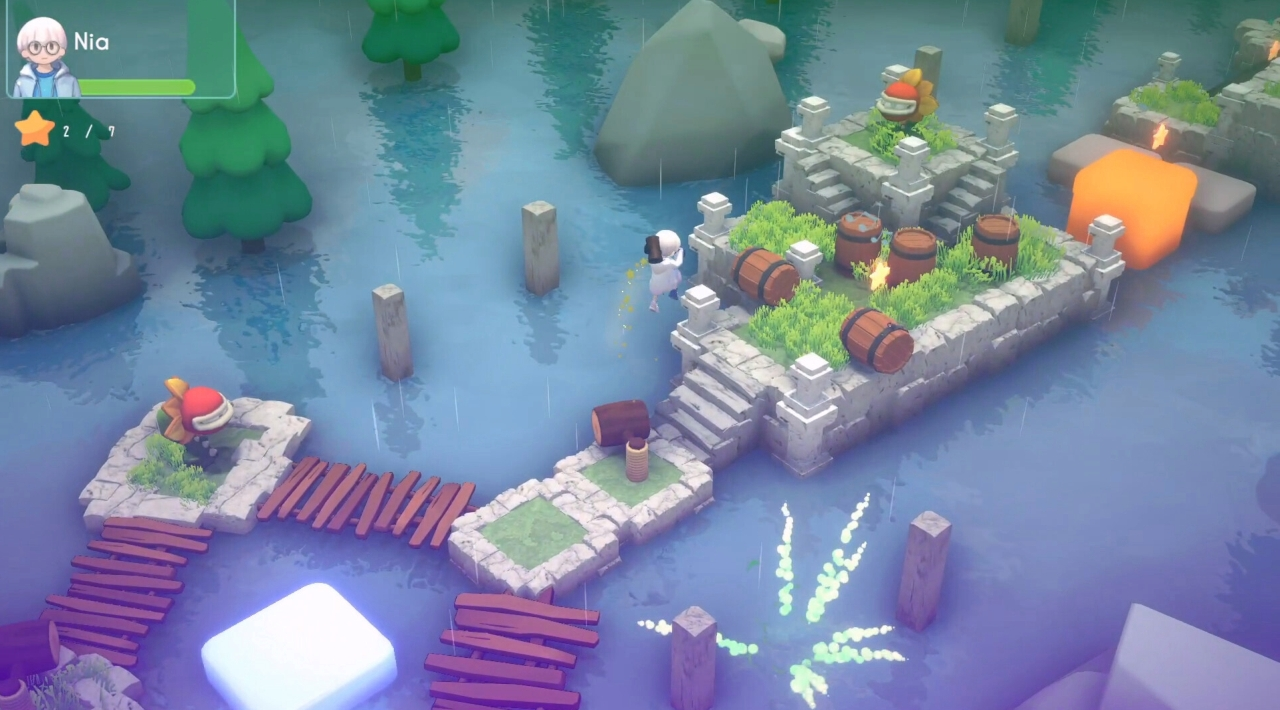
Trailer/Gameplay
Download
Little Gods of the Abyss (2026), 0.70GB

FitGirl Release

Languages: ENG/MULTI9
Original Size: 3.6 GB
Repack Size: 697 MB

Version: 16895168

1. Extract files.
2. Install the game.
3. Play the game. If you like this game, BUY IT!
Little Gods of the Abyss Download
🔒 Premium access required
To see and use the download links, you must be logged in and have an active PREMIUM account.
* Unlock downloads via Torrent and TeraBox.
- Based on Little.Gods.of.the.Abyss-TENOKE ISO release: tenoke-little.gods.of.the.abyss.iso (3,897,587,712 bytes)
- 100% Lossless & MD5 Perfect: all files are identical to originals after installation
- NOTHING ripped, NOTHING re-encoded
- Significantly smaller archive size (compressed from 3.6 GB to 697 MB)
- Installation takes one minute
- After-install integrity check so you could make sure that everything installed properly
- HDD space after installation: 3.6 GB
- Language can be changed in game settings
- At least 2 GB of free RAM (inc. virtual) required for installing this repack
Torrent Download
The best torrent download speeds are with qBittorrent!