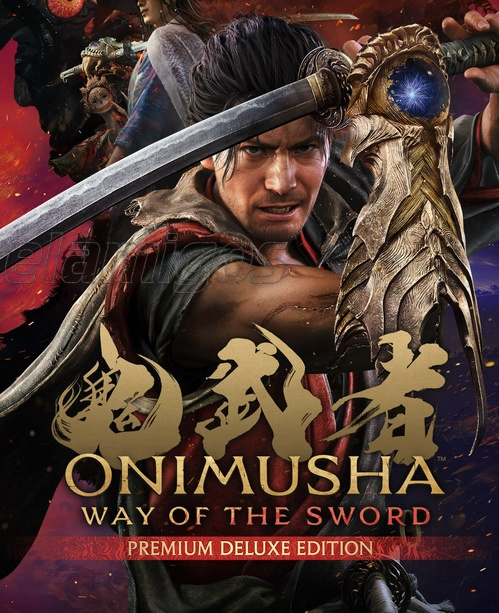
Onimusha Way of the Sword
- Category:
- Release date:
- Game Genre:Action, Action Adventure, Fantasy, Third-Person
- Developer:CAPCOM Co., Ltd.
- Release:ElAmigos
- Platform:PC
- Languages (subtitles):English, French, Italian, German, Spanish, Spanish (Mexico), Portuguese-Brazil, Polish, Arabic, Russian, Korean, Japanese, Simplified Chinese, Traditional Chinese
- Dubbing/Audio:English, French, Italian, German, Spanish, Portuguese-Brazil, Russian, Japanese, Simplified Chinese
- Crack:Hypervisor
- Game size:48.84GB
Game Description
Onimusha: Way of the Sword is a third-person swordplay action RPG for PC from Capcom. The current storefront name is Onimusha: Way of the Sword; there is no verified rebrand, replacement title, or renamed definitive edition to distinguish from the main PC release. It follows Miyamoto Musashi through a dark-fantasy Kyoto where the supernatural Genma threaten a city warped by Malice.
Capcom positions the game as a new entry rather than a remaster of an earlier Onimusha campaign. Newcomers can follow Musashi's story without needing to know the previous games, while returning players will recognize the series' focus on samurai combat, Oni powers, soul absorption, and demonic enemies.
Precision swordplay in a supernatural Kyoto
The core loop is built around moving through handcrafted environments, fighting Genma, collecting resources, improving Musashi's capabilities, and pushing toward increasingly demanding boss encounters. The camera stays in a modern third-person position, giving the game a direct view of attacks, enemy spacing, and the terrain around each fight.
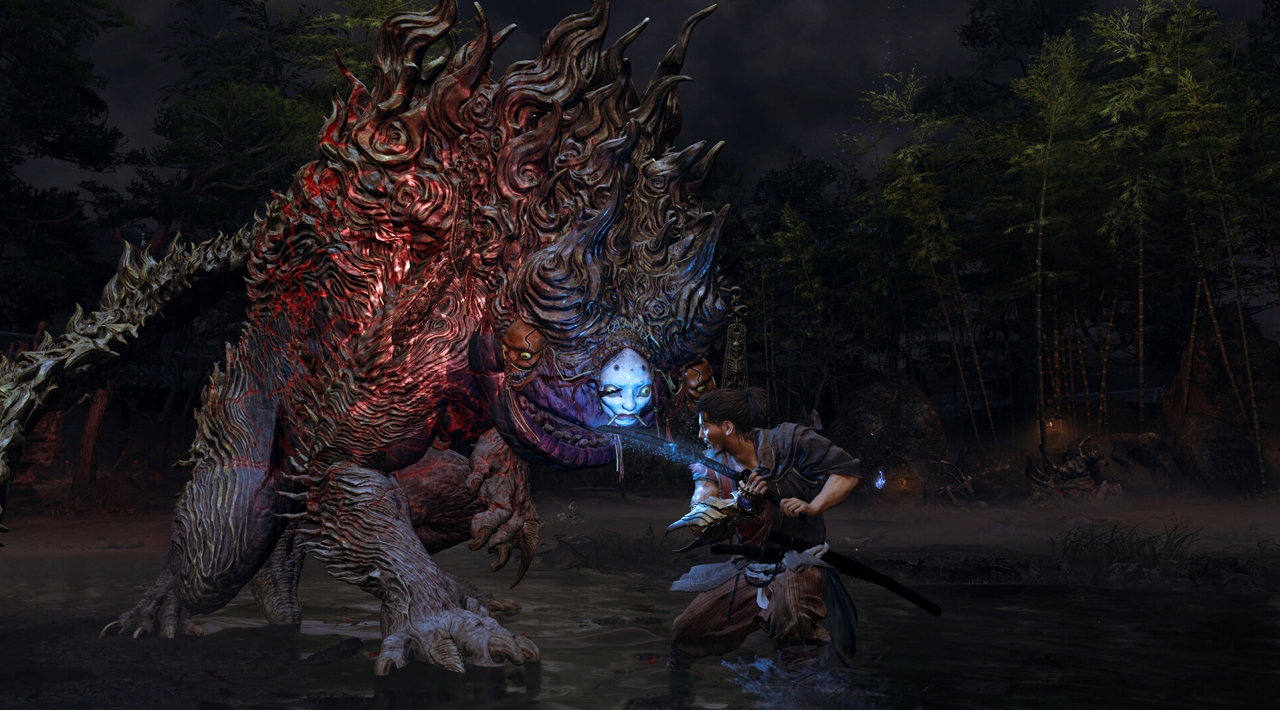
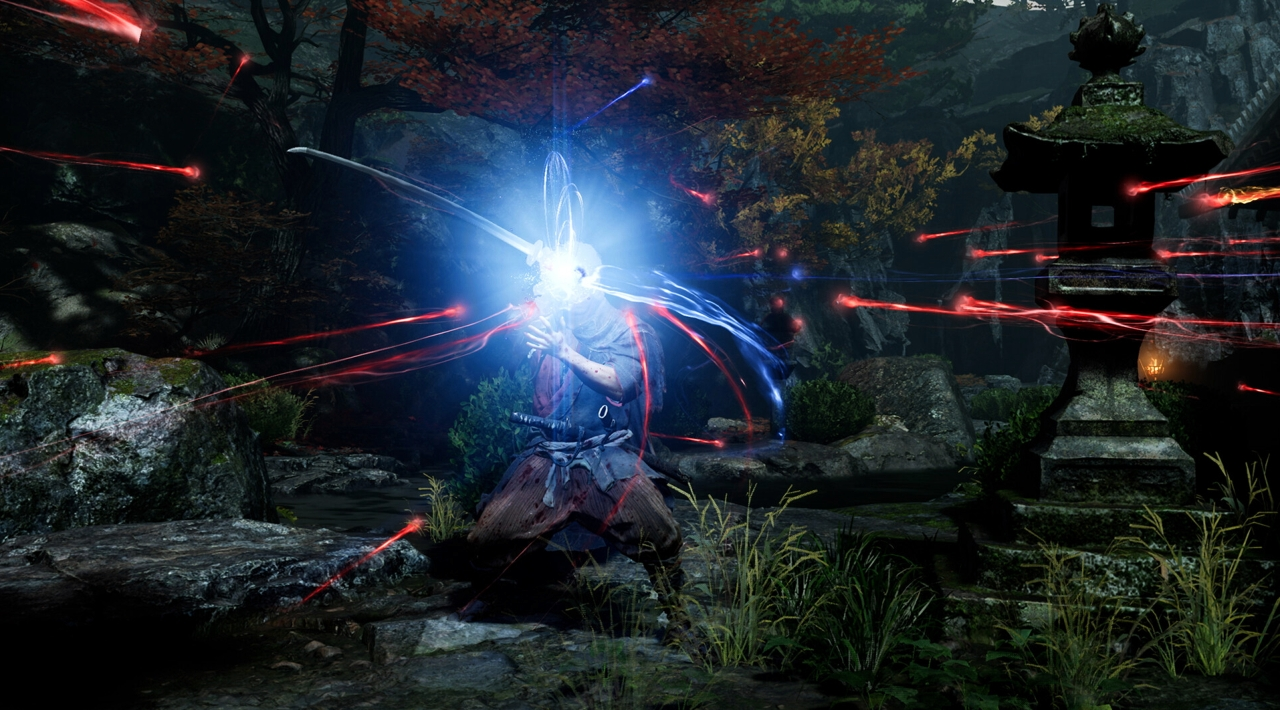
Combat is centered on blade clashes, defensive timing, and decisive counterattacks rather than unrestricted button mashing. Players read enemy animations, guard or deflect incoming strikes, create openings, and finish weakened targets with the series' signature Issen sword technique.
Musashi's Oni Gauntlet is more than a story artifact. It provides access to supernatural abilities and lets him absorb the souls of defeated Genma. Those souls connect combat to progression, giving regular encounters a practical purpose beyond simply clearing the next room.
Enemy groups are designed to make positioning matter. A fight can shift when another Genma enters from the side, when a heavier enemy controls space with a large weapon, or when a boss changes its attack rhythm. The strongest encounters ask players to combine parries, evasive movement, weapon abilities, and carefully timed finishers.
Systems that give the swordplay its identity
Way of the Sword is not best described as a conventional Soulslike. It borrows the appeal of learning attack patterns and improving through repeated attempts, but its structure is more focused on authored action sequences, cinematic encounters, and the feel of a physical sword exchange.
The defining mechanic is the relationship between an enemy's attack timing and Musashi's response. A successful defensive action can interrupt the opponent's momentum and create a brief opportunity for a counter. This makes reaction timing more important than maintaining a large combo meter.
Musashi also gains access to Oni armaments and supernatural combat tools that broaden his options during difficult encounters. These abilities give the combat system a second layer: the katana remains the foundation, while Oni power helps control groups, exploit openings, or turn a dangerous exchange in the player's favor.
Exploration supports the combat loop without turning Kyoto into a seamless open world. Story missions move Musashi through distinct locations, including urban streets, wooded areas, temples, and fortified spaces. Between major battles, players investigate routes, find useful items, and complete the kind of environmental tasks expected from a linear action adventure.
Difficulty is part of the game's design rather than an afterthought. The opening options include Story Mode and Action Mode, allowing players to choose between a more assisted experience and a stricter test of swordplay. A higher challenge option, Carnage Mode, becomes relevant after completing the campaign.
Story, setting, and presentation
The story places Miyamoto Musashi at the center of a supernatural interpretation of early Edo-period Japan. Kyoto is not presented as a neutral historical backdrop: Malice has transformed the city, and the Genma's presence turns familiar architecture, roads, and sacred spaces into battlefields.
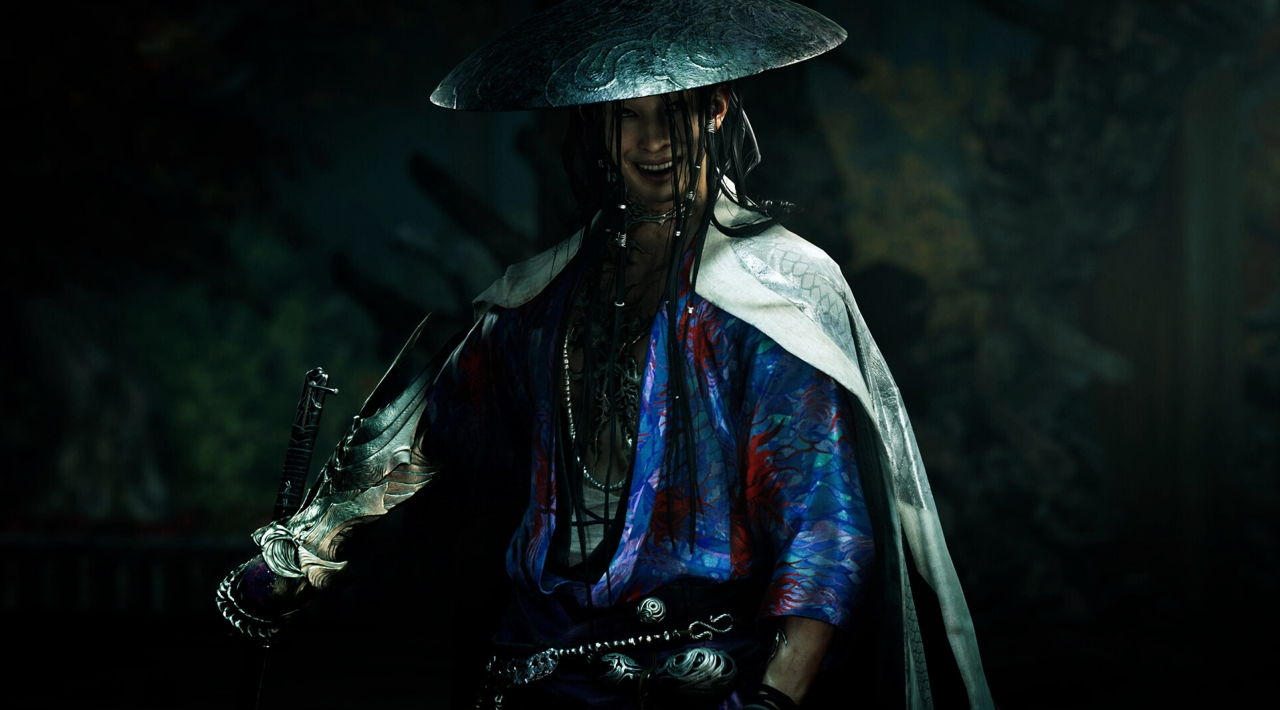
Musashi's visual likeness draws from the late Japanese film star Toshiro Mifune, reinforcing the game's connection to classic samurai cinema. The tone combines grounded swordplay with demons, Oni artifacts, grotesque creatures, and supernatural distortions of historical Japan.
The narrative is designed to work for both series veterans and first-time players. You do not need to complete the earlier Onimusha games to understand the central conflict, and the new protagonist gives the game a clean entry point while preserving the franchise's recurring Oni-versus-Genma foundation.
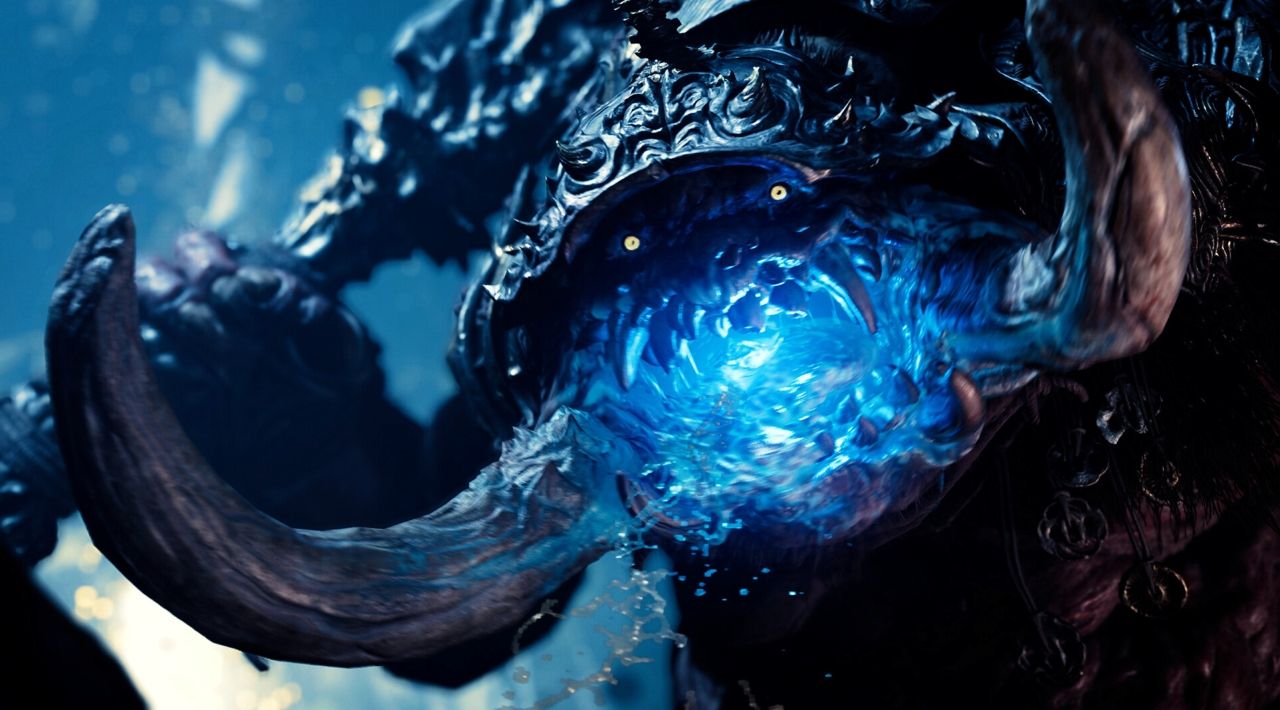
Way of the Sword also places unusual weight on boss encounters. Major fights are intended to showcase the combat system's timing, animation, and counter mechanics, making them more than health-bar checks. Players who enjoy studying a moveset and gradually turning a chaotic duel into a controlled exchange will find the clearest expression of the game in these battles.
Content model and available editions
The standard PC purchase is a premium single-player game rather than a free-to-play title. The main package is built around the full campaign, its combat progression, story missions, exploration areas, bosses, achievements, and post-campaign difficulty options.
Capcom also lists Deluxe and Premium Deluxe editions. These editions add the Deluxe Kit and Premium Kit, which are focused on appearance items and usable charms rather than a separate story campaign. Players choosing the standard edition are buying the core game, not a limited trial or an online service.
The current storefront structure does not present Way of the Sword as a live-service game with recurring seasons. The additional edition content is best understood as optional customization and bonus equipment, while the main combat and narrative experience remains in the base game.
There is no verified co-op campaign, competitive mode, or split-screen feature. Steam lists the game as single-player, so PC buyers should approach it as a solo action adventure built around personal mastery and replaying the campaign at higher difficulty.
Who should play it on PC?
Way of the Sword is a strong fit for players who want samurai combat, supernatural enemies, cinematic boss fights, and a structured story rather than a large open-world RPG. It is especially suited to people who enjoy learning attack patterns, making precise defensive inputs, and improving through combat knowledge.
The game is less suitable for players looking for online co-op, extensive party management, open-ended character creation, or a huge loot-driven endgame. Its progression serves the authored campaign and combat systems instead of building an endlessly expanding service game.
Fans of demanding Japanese action games can also compare its defensive timing with precision-focused sword combat in games such as Sekiro: Shadows Die Twice, although Way of the Sword uses a different balance of cinematic action, supernatural tools, and counterattack mechanics.
Players who prefer more elaborate equipment systems and mission-based character building may find a closer structural comparison in loot-heavy samurai action RPGs like Nioh 2: The Complete Edition. Nioh 2 is more focused on builds, stances, randomized gear, and long-term optimization, while Way of the Sword puts greater emphasis on readable sword exchanges.
PC features, input, and localization
The Steam version includes full controller support, making a gamepad a natural option for frequent guarding, dodging, weapon actions, and timed counters. Steam also lists keyboard and mouse support for PC players who prefer direct desktop input, although the combat's rhythm is clearly designed around fast, repeated action inputs.
Steam features include Steam Cloud, Steam Achievements, Steam Trading Cards, Family Sharing, and HDR support. The game is also listed as Steam Deck Playable, giving handheld PC owners a supported way to approach its solo campaign.
For platform security, the Steam listing identifies Denuvo Anti-tamper as third-party DRM and notes a third-party EULA. The PC ecosystem includes Steam and Epic Games Store availability, but there is no separate Capcom launcher requirement identified in the storefront information reviewed here.
Localization is broad. Interface, subtitles, and full audio are available in English, French, Italian, German, Spanish from Spain, Brazilian Portuguese, Russian, Simplified Chinese, and Japanese. Arabic, Latin American Spanish, Polish, Traditional Chinese, and Korean are listed for interface and subtitle support, with no full audio indicated for those languages.
Onimusha: Way of the Sword FAQ
What is the current PC name of Onimusha Way of the Sword?
The current storefront title is Onimusha: Way of the Sword. The version without the colon is a common search variation, but there is no verified rebrand or separate definitive edition replacing the main PC listing.
Is Onimusha: Way of the Sword a Soulslike?
It has some familiar qualities, including pattern recognition, demanding bosses, and timing-based defense, but Capcom classifies it as swordplay action. Its authored missions, cinematic structure, and emphasis on sword clashes make it closer to a focused action adventure than a traditional Soulslike RPG.
Does the PC version support co-op or multiplayer?
No. The verified PC feature set identifies the game as single-player, with no listed online co-op, competitive multiplayer, or local split-screen mode.
What are Story Mode and Action Mode?
Story Mode provides a more accessible way to follow the campaign and learn the combat systems, while Action Mode is aimed at players who want tighter execution and greater pressure during fights. A post-campaign challenge option called Carnage Mode adds another reason to replay the story.
What is included in the Deluxe Edition?
The Deluxe Edition includes the base game and the Onimusha: WotS Deluxe Kit. The Premium Deluxe version adds the Premium Kit as well. These extras focus on charms, appearance changes, and bonus customization rather than a separate story expansion.
Is keyboard and mouse support available?
Yes. PC players can use keyboard and mouse input, while Steam also lists full controller support. A controller is a practical choice for players who want direct access to guarding, dodging, weapon actions, and Issen timing.
System Requirements
Minimum: | Recomended: |
| Processor: Intel Core i5-8400 / AMD Ryzen 3 3100 Graphics: GeForce GTX 1660(6GB) / Radeon RX 5500 XT(8GB) Memory: 16 GB RAM Disk space: 50 GB available space Operating system: Windows 11 | Processor: Intel Core i5-10400 / AMD Ryzen 5 3600 Graphics: GeForce RTX 2060 Super (8GB) / Radeon RX 6600(8GB) Memory: 16 GB RAM Disk space: 50 GB available space Operating system: Windows 11 |
Screenshots
Trailer/Gameplay
Download
Onimusha Way of the Sword Deluxe Edition *Hypervisor* (2026), 48.84GB
ElAmigos release.

Updated to version 01.000.001 (04.09.2026);
24 DLC are included.

1. Extract files.
2. Burn or mount the image.
3. Install the game.
4. ElAmigos release, game is already cracked after installation.
5. Play the game. If you like this game, BUY IT!- install game
- educate yourself first by reading _Info.txt and DenuvOwO.nfo; CPU virtualization must be enabled in BIOS (some motherboards have it enabled as default setting)
- start as Administrator "VBS.cmd" from game folder, press 1, restart computer, then on the next boot press F7 when new window will show up (driver signature OFF)
- start from desktop icon
Once you make it work, any other game with Hypervisor can be installed and played from desktop icon (as long as you don't restart/shutdown PC - then again VBS.cmd > 1 > reboot > F7 > desktop icon)
Onimusha Way of the Sword Deluxe Edition *Hypervisor* Download
🔒 Premium access required
To see and use the download links, you must be logged in and have an active PREMIUM account.
* Unlock downloads via Torrent and TeraBox.
DLC: 24 DLC are included.
Torrent Download
The best torrent download speeds are with qBittorrent!