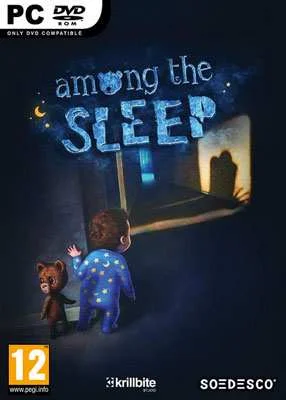
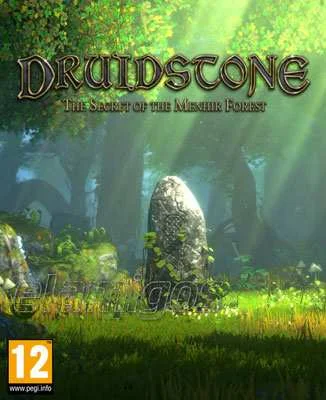
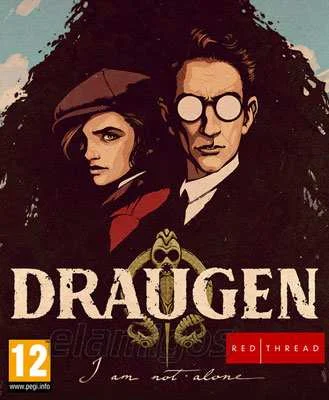
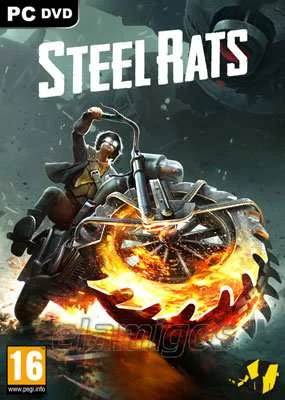
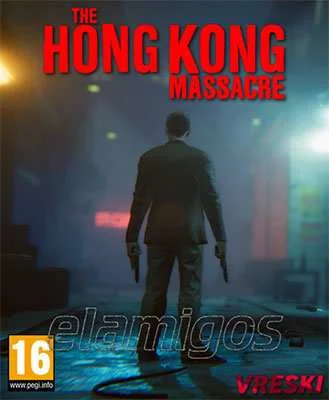
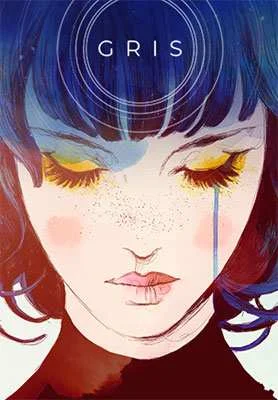
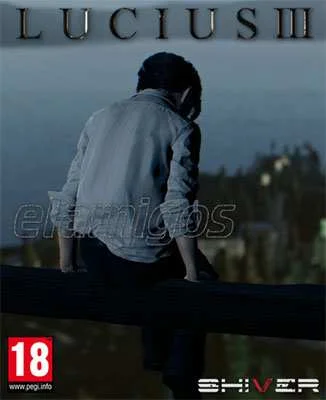
Indie Games Download for PC
Indie Games Download is the category for players who want fresh ideas, unusual mechanics, bold art styles, smart design, and games that often feel more personal than massive studio releases. Some indie games are tiny and quiet. Some are huge. Some look simple, then steal your whole weekend. Dangerous little things.
On elamigosedition.com, this section is made for PC players looking for downloadable indie games in different styles: indie action games, indie RPGs, puzzle games, platformers, survival titles, roguelikes, story-driven adventures, pixel-art games, farming sims, horror games, sandbox projects, and experimental PC releases.
The best indie games usually have one strong idea and commit to it. A smart combat loop, a strange world, a clever puzzle rule, a beautiful soundtrack, a brutal survival system, or a story that hits harder than expected. Not every indie game needs a giant budget. Sometimes good design does more work than shiny marketing.
What Makes a Good Indie Game on PC?
A good indie game usually stands out through creativity. It may use unique gameplay, handcrafted visuals, sharp writing, unusual progression, experimental mechanics, or a smaller but more focused world. The best ones feel like someone had a clear idea and refused to dilute it.
Most indie games for PC are created by smaller teams or independent developers, which often means more variety. You can find cozy farming, dark horror, fast roguelikes, tactical puzzles, story adventures, metroidvania maps, survival crafting, deck-building, city management, and strange genre mixes that would never survive a corporate meeting.
That freedom is the strength of indie games. One title may be about exploring a quiet island. Another may be about surviving in a broken world. Another may be about fighting bosses with a guitar, managing a shop, solving impossible rooms, or dying repeatedly in a cave because you got greedy. Yeah, that happens.
Core Elements of Indie Games
Indie games can be very different, but many strong titles include several important features.
- Original mechanics that build the game around one clear gameplay idea.
- Distinct art style, including pixel art, hand-drawn visuals, low-poly worlds, stylized 3D, or retro-inspired design.
- Focused progression through upgrades, levels, quests, runs, discoveries, crafting, or story chapters.
- Creative genre mixing, such as roguelike RPGs, puzzle platformers, survival adventures, or farming action games.
- Strong atmosphere using music, lighting, writing, sound effects, and environmental detail.
- Replay value through random runs, unlocks, alternate endings, builds, challenges, or secrets.
- Lower hardware demands in many titles, especially 2D, pixel-art, and lightweight indie games.
- Developer personality that often makes the game feel more handcrafted and memorable.
How to Choose the Right Indie Game to Download
Indie games cover almost every genre, so choosing the right one starts with your mood. Do you want fast action, a story, relaxed building, smart puzzles, survival pressure, exploration, horror, farming, roguelike runs, or something weird that does not fit neatly anywhere?
Look beyond screenshots. Indie games often look simple but play deeply. A pixel-art game can have excellent combat. A small puzzle game can be smarter than a giant open-world title. A cozy farming game can hide serious management systems. A cute roguelike can absolutely destroy you in ten minutes and smile while doing it.
Also check the game length and structure. Some indie titles are made for short sessions. Others offer long campaigns, procedural replay, large maps, crafting systems, or deep progression. If you want a weekend game, choose carefully. If you want a quick evening title, avoid anything that says “hundreds of hours” unless you are ready.
Quick Checklist Before Downloading
Use this checklist before starting an indie game download. It helps match the game to your PC, your time, and your preferred play style.
- Check the system requirements, especially CPU, RAM, GPU, VRAM, and storage space.
- Look at the download size and required free space after extraction and installation.
- Check whether the game is action-focused, story-driven, puzzle-based, survival, roguelike, simulation, horror, or casual.
- Read whether the release includes DLC, updates, expansions, extra modes, soundtrack content, or language packs.
- Check controller support if the game is a platformer, action title, racing-style game, or twin-stick shooter.
- Confirm language support for story-heavy games, tutorials, menus, subtitles, and item descriptions.
- See whether the game includes offline play, local co-op, save-anytime support, difficulty options, or accessibility settings.
Popular Types of Indie Games for PC
The indie category is one of the most flexible areas in PC gaming. It can include tiny experimental games, polished commercial releases, retro-inspired platformers, deep RPGs, roguelikes, cozy sims, horror titles, puzzle games, and story adventures.
That variety is the whole point. Indie games often fill gaps that bigger games ignore. They can be shorter, stranger, more focused, more difficult, more personal, or more willing to take risks. Some miss. Some become classics. That is part of the fun.
Indie Action Games
Indie action games focus on combat, movement, dodging, aiming, platforming, enemies, bosses, and quick reactions. They often use tight controls and focused mechanics instead of huge worlds.
This type is good if you want direct gameplay without too much waiting. You jump in, learn the rules, improve your timing, unlock upgrades, and probably die several times before things click.
Before downloading, check whether the game supports controller input. Many indie action games, especially platformers and metroidvania-style titles, feel better with a controller.
Indie RPG Games
Indie RPG games can be surprisingly deep. They may include quests, character builds, party members, dialogue choices, turn-based combat, action combat, crafting, loot, exploration, or emotional storylines.
Some indie RPGs are small and focused. Others can rival larger games in depth. The difference is usually scope. Indie RPGs often choose fewer systems but make them sharper.
Language support matters here. If the game uses long dialogue, lore, skill descriptions, and quest text, make sure the available language works for you before downloading.
Indie Puzzle Games
Indie puzzle games are often where small teams shine. A single clever rule can become an entire game. Push blocks, bend time, rotate rooms, use portals, decode symbols, connect circuits, or solve strange logic problems.
The best indie puzzle games teach naturally. They show one idea, test it, twist it, then combine it with another idea. When the solution clicks, it feels earned. For about five seconds you feel brilliant. Worth it.
Indie Platformers
Indie platformers focus on jumping, movement, timing, hazards, enemies, collectibles, and level design. They can be cozy and colorful, or brutally precise. Sometimes both, which is rude.
This subgenre is great for players who enjoy mechanical skill. A good platformer makes every jump feel fair, even when the level is hard. Bad controls ruin everything, so check reviews, controller support, and gameplay style when possible.
Indie Horror Games
Indie horror games often do a lot with limited resources. They use atmosphere, sound, darkness, pacing, strange visuals, psychological tension, and smart storytelling instead of constant expensive effects.
Many indie horror titles are short but memorable. They work well when you want a focused experience without committing to a massive campaign. Just maybe do not play at 2 AM with headphones unless you enjoy bad decisions.
Indie Survival and Crafting Games
Indie survival games focus on gathering, crafting, building, hunger, danger, weather, enemies, exploration, and progression. Some are harsh. Some are cozy. Some begin with “collect wood” and end with a base that looks better than your real room.
Check whether the game supports single-player, co-op, sandbox mode, difficulty settings, and offline play. Survival games can be much better when the options match your preferred pace.
Indie Roguelike and Roguelite Games
Roguelike and roguelite indie games are built around repeated runs, random elements, upgrades, builds, enemies, bosses, and permanent or semi-permanent progression.
This type is excellent if you like short sessions with long-term improvement. One run may fail quickly, but you learn something, unlock something, or at least blame the build. Reasonable.
Cozy Indie Games
Cozy indie games focus on relaxation, farming, decorating, crafting, friendships, exploration, collecting, cooking, fishing, small towns, and gentle progress. They are not always easy, but they usually feel softer than combat-heavy games.
This subgenre is good when you want a slower pace and a game that does not shout at you every thirty seconds. Sometimes planting carrots and organizing storage is exactly the mood.
Indie Game Subgenres Compared
Choosing an indie game becomes easier when you match the subgenre to your preferred pace. Some indie games are fast and difficult. Some are quiet and emotional. Some are systems-heavy. Some are built around one clever idea.
| Indie Game Type |
Best For |
What to Expect |
| Indie action |
Players who want fast gameplay |
Combat, dodging, bosses, movement, upgrades, quick reactions |
| Indie RPG |
Story and progression fans |
Quests, builds, dialogue, loot, exploration, character growth |
| Indie puzzle |
Problem-solving players |
Rules, logic, mechanics, levels, clever solutions, gradual difficulty |
| Indie platformer |
Movement and timing fans |
Jumps, hazards, collectibles, precise controls, short levels |
| Indie horror |
Atmosphere and tension |
Dark spaces, strange stories, fear, sound design, short intense sessions |
| Indie roguelike |
Replay and builds |
Runs, random layouts, upgrades, bosses, unlocks, repeated attempts |
| Cozy indie |
Relaxed progression |
Farming, crafting, decorating, collecting, relationships, soft pacing |
What to Look for in a Downloadable Indie Game
A good indie game page should tell you more than the title and a screenshot. Indie games can change a lot between versions, especially if they receive updates, patches, expansions, balance changes, new chapters, language files, or extra modes.
For this category, version number matters because many indie games improve after launch. Developers often patch bugs, adjust balance, add quality-of-life features, improve performance, expand content, and fix controller support.
Also check the included content. Some indie releases include only the base game, while others include DLC, soundtrack files, artbooks, bonus levels, expansion content, or complete editions. That difference can matter a lot, especially for story games, roguelikes, and simulation-style indie titles.
Important Details on an Indie Game Page
Before downloading, look for practical information that helps you know exactly what the release includes.
- Version or build number, especially for games with frequent patches or early updates.
- Included DLC, expansions, bonus chapters, extra characters, soundtracks, or special editions.
- Download size and required free disk space after extraction and installation.
- System requirements for CPU, RAM, GPU, VRAM, operating system, and storage.
- Language support for interface, subtitles, dialogue, tutorials, and item descriptions.
- Control support for keyboard, mouse, controller, or custom input.
- Game modes, including single-player, co-op, local multiplayer, sandbox, story mode, challenge mode, or offline play.
Downloading Indie Games from elamigosedition.com
Elamigosedition.com is organized around downloadable PC games, including indie titles and many different creative, experimental, and genre-mixing releases. When browsing indie games, focus on the individual game page and read the details before starting a download.
A useful general starting point is the ElAmigos games page, especially if you want to understand the site structure and browse PC game downloads in a clear way. For indie games, the most important details are usually version, included content, file size, language support, controller support, system requirements, and installation notes.
Do not skip the page description. Indie releases can vary heavily by build and edition. One version may include only the base game, while another includes patches, bonus content, DLC, improved translations, extra modes, and performance fixes.
How to Prepare Before Installing
Indie games are often smaller than large AAA titles, but clean installation still helps. Keep downloaded archives separate from installed games so you can manage files easily.
Make sure you have enough free space for extraction and installation. Some indie games are tiny, but others include high-resolution art, voice acting, music, procedural systems, large maps, or many language files.
- Download all archive parts before extraction.
- Check that the archive is complete and not interrupted.
- Install required components such as DirectX, Visual C++, or .NET if included.
- Use a simple installation path without unusual symbols.
- Check language, resolution, controls, audio, subtitles, save options, and controller support before a long session.
System Requirements for PC Indie Games
Indie games are often easier to run than large mainstream releases, but not always. A 2D pixel-art game may run on almost any PC, while a modern 3D indie game with lighting, physics, procedural worlds, high-resolution art, or simulation systems can need stronger hardware.
Pay attention to CPU, RAM, GPU, VRAM, and storage space. Some indie games rely more on CPU because of simulation, AI, physics, or procedural generation. Others rely on GPU because of 3D visuals and effects.
Stable performance matters even in small games. Platformers need clean input. Roguelikes need smooth combat. Puzzle games need readable visuals. Horror games need stable atmosphere. If a game stutters at the wrong moment, the mood suffers.
Minimum vs Recommended Requirements
Minimum requirements usually mean the game can launch and run at low settings. Recommended requirements are safer if you want smoother performance, better visuals, faster loading, and fewer technical distractions.
If your PC is close to minimum specs, reduce resolution, shadows, lighting effects, particles, texture quality, reflections, post-processing, and background detail first. In indie games, clean controls and stable FPS usually matter more than maximum graphics.
For low-end PCs, 2D indie games, pixel-art titles, classic puzzle games, lightweight roguelikes, visual novels, simple platformers, and cozy management games are usually better choices than modern 3D indie projects.
Keyboard, Mouse, or Controller for Indie Games?
Indie games are flexible, so the best input depends on the genre. Many indie PC games work perfectly with keyboard and mouse, especially strategy, puzzle, management, point-and-click, survival, and simulation-style titles.
A controller often feels better for platformers, action games, metroidvania titles, twin-stick shooters, racing-style indie games, beat 'em ups, and cozy third-person games. If movement matters, a controller can make long sessions more comfortable.
Before downloading, check control support. Some indie games have excellent remapping options. Others are clearly designed for one input style. Do not fight the controls. The game will probably win.
Best Input by Indie Game Type
| Indie Game Type |
Recommended Input |
Why It Helps |
| Indie platformers |
Controller |
Smoother movement, better jumping, comfortable timing, quick reactions |
| Indie puzzle games |
Keyboard and mouse |
Precise clicking, dragging, reading clues, menus, and object interaction |
| Indie RPGs |
Keyboard and mouse or controller |
Depends on combat style, menus, camera, and inventory design |
| Indie action games |
Controller or keyboard and mouse |
Depends on aiming, movement, dodging, and combat systems |
| Indie management games |
Keyboard and mouse |
Better for menus, placement, tooltips, planning, and detailed controls |
| Indie roguelikes |
Controller or keyboard |
Depends on movement style, combat speed, hotkeys, and precision needs |
Indie Game Features Worth Checking
The best indie games usually have a clear identity. They may not include every feature, but the core idea should feel strong. A focused two-hour game can be better than a huge game filled with filler.
Before downloading, decide what matters most to you. Some players want story. Others want gameplay depth, replay value, mood, challenge, creativity, co-op, controller support, low system requirements, or short sessions.
Original Gameplay Ideas
Original gameplay is one of the biggest reasons to play indie games. Small teams often take risks with mechanics that bigger publishers avoid.
Look for games that explain their hook clearly. Maybe time moves only when you move. Maybe every death changes the world. Maybe farming is mixed with combat. Maybe puzzles are built around perspective. One strong idea can carry the whole game.
Art Style and Soundtrack
Indie games often use distinctive art to stand out. Pixel art, hand-drawn animation, low-poly worlds, paper-like visuals, monochrome horror, clay-style characters, or stylized lighting can all create a memorable look.
Soundtracks matter too. A good indie soundtrack can turn a simple level into something you remember. Sometimes the music does half the emotional damage.
Replay Value
Replay value is especially important in roguelikes, platformers, survival games, management games, and sandbox titles. Look for unlocks, random runs, multiple endings, daily challenges, achievements, builds, difficulty levels, and secrets.
A short indie game can still be worth keeping installed if it gives you a reason to return. Better run. Different build. New ending. Cleaner route. One more try.
Story and Atmosphere
Story-driven indie games can be powerful because they often focus on specific themes, personal writing, and smaller but more meaningful worlds. They do not need hundreds of characters. They need a reason to care.
Atmosphere can come from lighting, music, silence, dialogue, environmental details, or strange world design. A small room with good writing can feel bigger than a giant empty map.
Single-Player, Co-op, and Offline Indie Games
Many players downloading indie games want strong offline content. That makes sense because a lot of indie games are designed around single-player campaigns, local co-op, short sessions, or replayable offline modes.
Single-player indie games are great for story, puzzles, exploration, platforming, horror, RPG progression, roguelike runs, and relaxed play. Co-op indie games are excellent when the mechanics are simple enough to share but deep enough to stay interesting.
Offline play is useful because indie games often become comfort games. You return to them between larger releases, during short breaks, or when you want something focused without online pressure.
Offline Features Worth Looking For
If you want an indie game that remains useful without online services, check for these features.
- Single-player campaign with levels, chapters, quests, or story progression.
- Local co-op for shared-screen play with friends.
- Challenge mode for scores, speedruns, puzzles, or combat trials.
- Sandbox mode for creative building, testing, or relaxed play.
- Save-anytime support for longer sessions and exploration games.
- Difficulty options for different skill levels.
- Multiple endings or unlockable content for replay value.
Best Indie Games for Short Sessions and Long Playthroughs
Indie games are excellent for both short sessions and long playthroughs. Some are designed around quick levels, runs, puzzles, or matches. Others offer deep campaigns, long progression systems, huge maps, or replayable loops.
If you have limited time, choose roguelikes, puzzle games, platformers, short horror games, casual indies, or level-based action titles. If you want a longer experience, choose indie RPGs, survival games, farming sims, sandbox games, metroidvanias, or story adventures.
Good Indie Games for Short Sessions
Short-session indie games usually give you clear goals and quick progress. They are good when you want something satisfying without starting a massive campaign.
- Roguelikes with quick runs and steady unlocks.
- Puzzle games with one-level-at-a-time progress.
- Platformers with short stages and fast restarts.
- Short horror games with focused atmosphere.
- Casual indie games with simple controls and relaxed goals.
Good Indie Games for Long Playthroughs
Longer indie games usually give you progression, exploration, crafting, characters, quests, upgrades, or repeatable systems. These games can become main games for weeks.
This is where indie games can surprise you. You download something that looks small, then it has twenty systems, three endings, a farming loop, hidden bosses, and a soundtrack that refuses to leave your head. Not gonna lie, that is the good stuff.
Practical Installation Tips for Indie Games
Indie games can include small installers, large archives, DLC packs, soundtrack files, language files, configuration tools, save folders, and optional components. Install carefully and read the included notes before launching.
Keep downloaded archives separate from installed games. This makes it easier to reinstall, update, remove files, or manage storage later. Indie games are often simple to run, but clean folders still prevent annoying mistakes.
After installation, open the settings before playing seriously. Check language, resolution, fullscreen mode, subtitles, controller layout, keyboard bindings, audio, autosave, difficulty, and graphics quality.
Setup Habits That Help
These steps can prevent common problems with PC indie game downloads.
- Extract all archive parts before running the installer.
- Install required software components if they are included.
- Use a simple folder path without special characters.
- Check disk space before and after installation.
- Confirm language settings before starting story-heavy games.
- Test controller or keyboard input before a long session.
- Adjust graphics settings to keep stable FPS and clean controls.
Frequently Asked Questions About Indie Games Download
Players usually ask practical questions before downloading indie games because the category is broad. One indie title may be a tiny puzzle game. Another may be a deep RPG, a survival sandbox, a horror story, or a roguelike with endless replay value.
What are the best indie games to download for PC?
The best choice depends on your preferred style. Choose indie action games for fast gameplay, indie RPGs for story and progression, puzzle games for problem solving, platformers for movement, horror games for atmosphere, roguelikes for replay value, and cozy indies for relaxed sessions.
Can indie games run on low-end PCs?
Yes, many indie games run well on weaker computers. 2D indie games, pixel-art titles, puzzle games, visual novels, lightweight platformers, simple roguelikes, and casual indie games are usually good choices. Modern 3D indie games may need stronger hardware.
Are indie games better with keyboard and mouse or controller?
It depends on the game. Puzzle, strategy, management, and point-and-click indie games usually work best with keyboard and mouse. Platformers, action games, metroidvanias, twin-stick shooters, and local co-op games often feel better with a controller.
How much disk space do PC indie games need?
Small indie games may need only a few hundred megabytes or a few gigabytes. Larger indie games with 3D worlds, voice acting, high-resolution art, DLC, music, and story content can require much more. Always check both download size and installed size.
What should I check before installing an indie game?
Check system requirements, version number, included DLC, language support, control support, installation notes, save options, and whether the game is action, RPG, puzzle, platformer, roguelike, horror, simulation, survival, or story-driven.
Which indie game type is best for beginners?
Casual indie games, cozy games, beginner-friendly platformers, simple puzzle games, and story-driven indie adventures are usually good starting points. Roguelikes, precision platformers, deep RPGs, and survival games can be harder, but they are great if you enjoy learning systems.
Final Thoughts on Indie Games Download
Indie Games Download is a strong category for PC players who want creativity, fresh mechanics, smaller but focused experiences, unusual worlds, personal stories, replayable loops, cozy progress, hard challenges, and games that do not always follow the usual formula.
Use elamigosedition.com as a practical place to browse downloadable indie games for PC, but choose with a clear idea of what you want. Check requirements, read release notes, confirm language support, review included content, and match the subgenre to your mood.
A good indie game should feel confident in its idea. One mechanic, one world, one story, one loop, one strange little system that keeps pulling you back. Sometimes that is all a game needs.