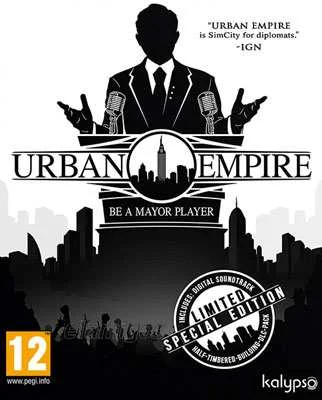
Urban Empire
- Category:
- Release date:
- Game Genre:Strategy, Economic, politics, city builder
- Developer:Reborn Games Publisher: Kalypso Media
- Release:ElAmigos
- Platform:PC
- Languages (subtitles):English, French, German, Russian, Polish
- Dubbing/Audio:English
- Crack:not necessary
- Game size:1.19GB
Game Description
Urban Empire on PC is a political city-management strategy game from Reborn Games and Kalypso Media Digital. The current Steam listing still uses the original name, with no verified rebrand, replacement edition, or free-to-play transition. Its central idea is simple but unusual: you guide a mayoral dynasty while the city council, citizens, economy, and historical change constantly limit what you can achieve.
A city ruler rather than a traditional city builder
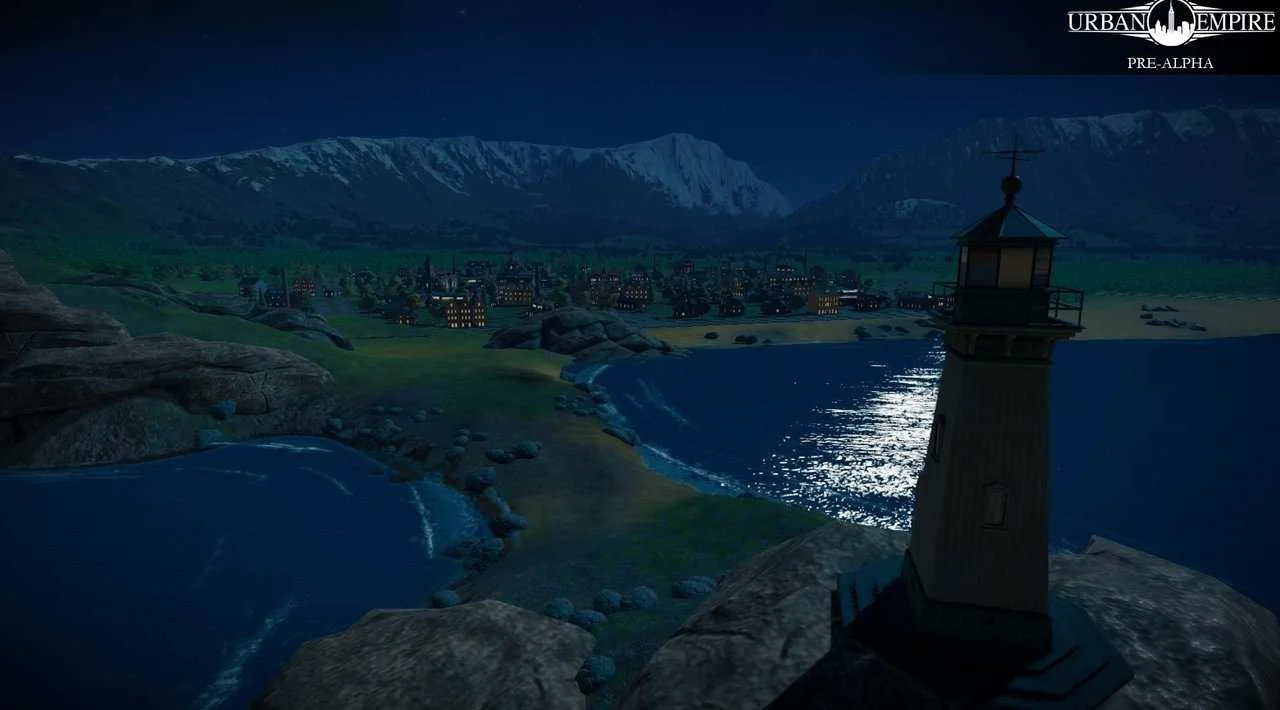
Urban Empire uses a top-down city-management perspective, but it is not primarily an architectural sandbox. You create and modify districts, place services and institutions, manage zoning, and monitor the city economy, while many important actions must pass through political debate.
The main loop combines district planning, public-service management, taxation, research, and council negotiations. Districts contain residential, commercial, and industrial zones, with density affecting the scale of their buildings. Infrastructure and services must be expanded carefully because every district creates running costs as well as potential revenue.
Citizens are evaluated through the game's Wheel of Life, which covers fun, social life, personal growth, health, safety, and the physical environment. Their satisfaction influences productivity, political allegiance, and demand for further services. Raising taxes can strengthen municipal funding while leaving citizens with less money to spend in local businesses.
Political decisions shape the entire campaign
The City Council is Urban Empire's defining system. Proposals involving taxes, service funding, edicts, infrastructure, and public institutions are submitted for approval by political parties with different ideological positions and local support bases.
Winning a vote is not automatic. You can study party agendas, inspect council support, and use plead, demand, or threaten approaches to influence the result. These actions may improve short-term support while damaging your relationship with a party, so political leverage is a resource that must be managed alongside money and citizen happiness.
The council's ideological model uses both left-versus-right and liberal-versus-conservative positions. A party's name does not always reveal its actual stance, which makes reading the political compass more useful than relying on simple labels.
Players can also research and pass edicts that regulate citizen and company behavior. National laws have broader effects and represent the changing legal and social character of the country. The result is a city builder where policy is not a menu decoration; it directly changes how the simulation functions.
Dynasties, eras, and long-term progression
At the beginning of a campaign, you choose from four ruling families, each with its own values, crest, and character traits. Every family contains five playable characters, with a new mayor appearing as the city moves through its historical eras.
Traits influence how characters interact with the political and social systems. A family committed to social justice approaches the city differently from one focused on scientific progress, military tradition, or economic power. The choice changes the tone and strategic pressures of a campaign without turning the game into a conventional character RPG.
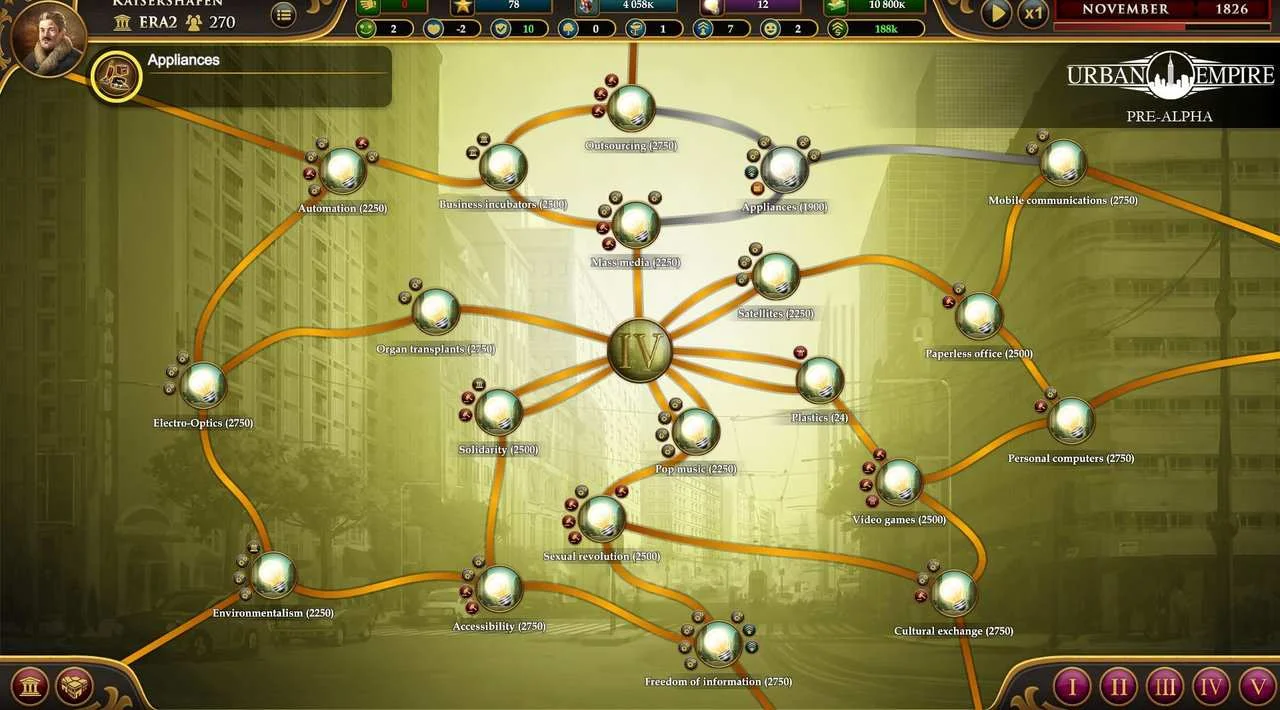
The campaign advances through five historical eras, beginning in the Industrial Revolution and continuing through modern political and technological change. Research is handled through the Progress Cloud, where you select inventions that unlock services, infrastructure, business areas, edicts, and other improvements.
Technological progress creates new possibilities but also new demands. Electric trams, antibiotics, entertainment businesses, youth culture, environmental concerns, and internet-era politics all appear as the city develops. The historical structure gives the game a stronger sense of direction than an endless city-painting sandbox.
Events and scenario-based challenges
Urban Empire includes up to 1,000 dynamic events covering social questions, political controversies, economic problems, and unexpected urban situations. Events present choices rather than direct construction tasks, and their consequences can affect budgets, public opinion, services, or the need for another council vote.
Some events reflect earlier decisions. Poor health and sanitation can contribute to an epidemic-related crisis, while an educated population may generate different cultural requests from a neglected district. Repeated events can also produce different outcomes, which makes the wider state of the city relevant to narrative decisions.
The standard campaign asks you to establish a city and move it through the eras. Scenario Mode instead places you in a pre-existing settlement with a selected character and a specific set of problems. This is the better option for players who want focused objectives rather than a full dynasty progression.
Late-game delegation systems allow contact with other cities. Twin-city partnerships can improve selected services or institutions, while business delegations provide temporary advantages to particular commercial areas. These systems add external relationships without changing Urban Empire into a regional or international strategy game.
Content model and current PC edition
The current PC product is a paid single-player game. Steam lists Urban Empire under Simulation and Strategy, with Steam Achievements, Trading Cards, Steam Cloud, and Family Sharing. No multiplayer, co-op, split-screen, or competitive mode is identified in the current storefront listing.
The base experience contains the city ruler campaign, five eras, four families, family characters, political parties, research, events, and scenarios. Optional associated content includes the Two Sides of the Same Coin add-on, pre-purchase content, and a digital soundtrack. There is no verified season pass or broad expansion catalogue comparable to larger live-service city builders.
The Steam version is distributed through the Steam client. The storefront does not identify a separate anti-cheat system, mod workshop integration, or a dedicated multiplayer launcher. That makes Urban Empire a self-contained management game rather than a platform for community-built cities or online competition.
Who Urban Empire suits on PC
Urban Empire is a strong fit for players who want political simulation inside a city-management framework. It rewards people who enjoy interpreting faction agendas, trading short-term popularity for long-term reform, and watching social policies reshape the city's economy and public needs.
It is also suitable for players who prefer indirect control. You establish districts and propose decisions, but the council and citizen groups determine whether your plans succeed. The tension comes from compromise, timing, and influence rather than from placing every road or manually designing every building.
Players looking for a highly detailed traffic simulator, unrestricted architectural creativity, multiplayer construction, or a relaxed decorative sandbox may find the political layer more important than the city-building layer. For a more hands-on medieval construction experience with gridless layouts and modular buildings, organic city builders such as Foundation offer a very different design emphasis.
Related political city builders
The closest comparison is not another pure city painter but a management game where citizens, policies, and political factions interact. Political economic city builders such as Tropico 6 share Urban Empire's interest in elections, public opinion, taxation, and the consequences of leadership, although Tropico adds island logistics, trade, tourism, and multiplayer.
Urban Empire is more narrowly focused on one mayoral dynasty and the internal politics of a growing city. It has less emphasis on production chains and military power than Tropico, while offering a more explicit historical transition through inventions, laws, and changing ideologies.
The key distinction is control. In many city builders, the player acts as an almost unrestricted planner. In Urban Empire, the council is part of the construction system, so the question is often not whether a service would help, but whether you can build enough support to make it politically possible.
Urban Empire FAQ
Has Urban Empire been renamed on PC?
No verified rebrand was found. The current Steam storefront continues to list the game as Urban Empire, with no confirmed replacement title or definitive edition taking its place.
Is Urban Empire a city builder or a political simulator?
It is both, but the official positioning is closer to a City Ruler. You manage districts, zoning, infrastructure, services, and businesses while negotiating with political parties and responding to social events.
Does Urban Empire have multiplayer or co-op?
No. The current PC storefront identifies Urban Empire as single-player. There is no verified online co-op, competitive multiplayer, or split-screen mode.
How does the dynasty system work?
You select one of four families, each containing five characters. As the campaign progresses through five eras, control passes to new members of the same family, with their traits influencing political and social decisions.
What are the main gameplay modes?
The campaign develops a city across historical eras, while Scenario Mode starts with a pre-built settlement and a focused problem. Both modes use the same city, political, research, economy, and event systems.
Which languages are supported on Steam?
Steam lists English, French, German, Russian, and Simplified Chinese for interface, full audio, and subtitles. The listing also records Korean achievements, but it does not list Korean interface, audio, or subtitle support.
Does Urban Empire support mods or Steam Workshop?
No verified Steam Workshop or official mod-support feature appears in the current product information. The PC edition instead focuses on its built-in campaign, scenarios, events, and progression systems.
System Requirements
Minimum: | Recomended: |
| Processor: Intel Core i5-2400 3.40 GHz/AMD FX-6350 3.9 GHz Graphics: 2 GB GeForce GTX 560/Radeon HD 6850 Memory: 6 GB RAM Disk space: 1 GB HDD Operating system: Windows 7(SP1)/8.1/10 64-bit | Processor: Intel Core i5-4790K 4.4 GHz/AMD FX-8320 3.5 GHz Graphics: 3 GB GeForce GTX 970/Radeon R9 290 Memory: 12 GB RAM Disk space: 1 GB HDD Operating system: Windows 7(SP1)/8.1/10 64-bit |
Screenshots

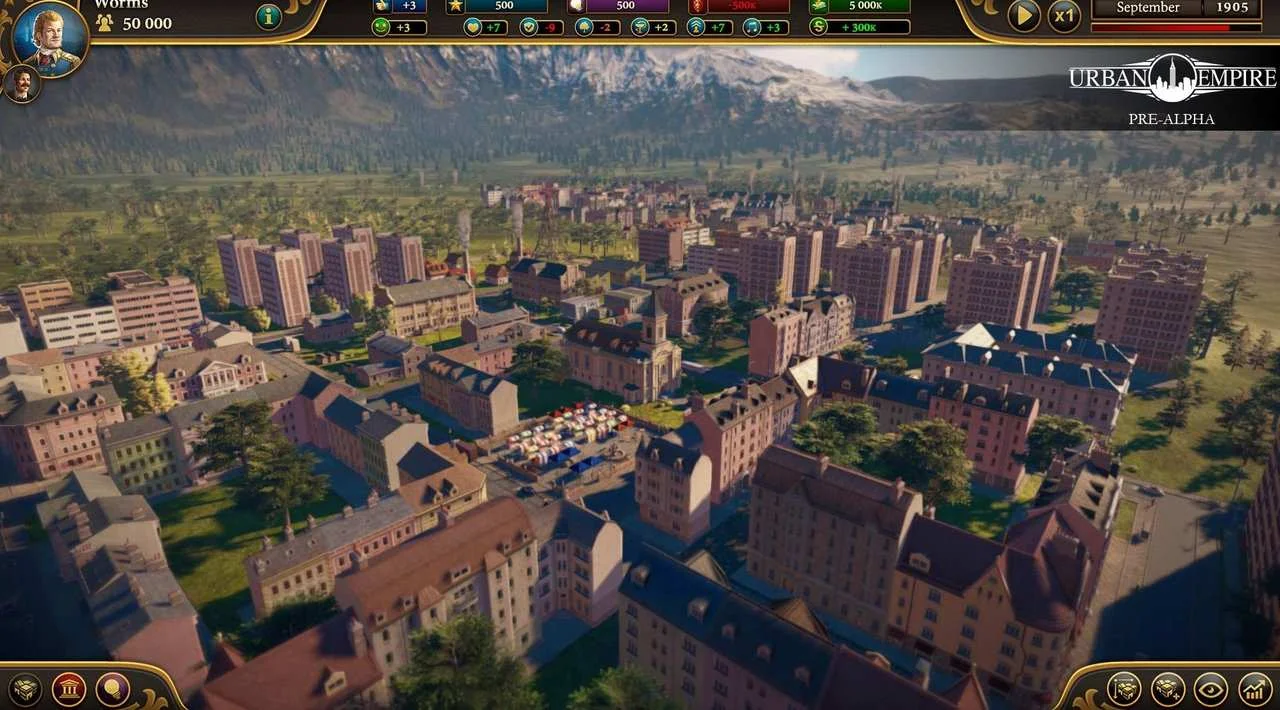
Trailer/Gameplay
Download
Urban Empire (2017), 1.19GB
ElAmigos release, unprotected game (serial or crack is not necessary).

Updated to version 1.2.1.3 (26.06.2017)

Included bonus content: Soundtrack (mp3).

1. Extract files.
2. Burn or mount the image.
3. Install the game.
4. Play the game. If you like this game, BUY IT!
Urban Empire Download
🔒 Premium access required
To see and use the download links, you must be logged in and have an active PREMIUM account.
* Unlock downloads via Torrent and TeraBox.
DLC: Two Sides, PreOrder.
Torrent Download
The best torrent download speeds are with qBittorrent!