Final Fantasy III
Edit date: 5-01-2023, 22:04
Reason: Updated till 24.03.2020
- Category:
- Release date:
- Game Genre:RPG, fantasy, turn-based, reeditions/remasters/remakes, jRPG
- Developer:
- Release:ElAmigos
- Platform:PC
- Languages (subtitles):English, French, Italian, German, Spanish, Japanese, Korean, Traditional Chinese, Simplified Chinese, Thai
- Dubbing/Audio:English
- Crack:Codex
- Game size:0.41GB
Game Description
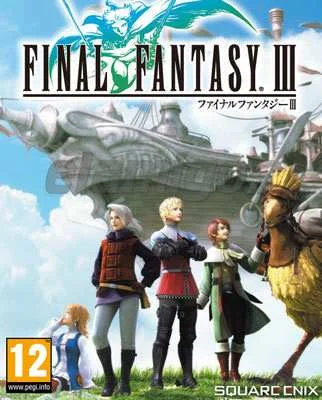
Final Fantasy III on PC is not one single edition. The current storefronts separate the 2D version, listed as FINAL FANTASY III and commonly called the Pixel Remaster, from Final Fantasy III (3D Remake), the expanded 3D interpretation. Both are single-player turn-based JRPGs from Square Enix, but they differ substantially in presentation, progression feel, extra content, and quality-of-life options.
Two PC editions, one confusing name
There has been no simple rebrand that converts one version into the other. Instead, PC players can encounter two distinct products carrying the same Roman numeral. The Pixel Remaster presents the original Famicom adventure as a redesigned 2D game, while the 3D Remake uses polygonal environments, expanded character presentation, and a rebalanced job system.
That distinction matters before buying. The Pixel Remaster is the cleaner choice for players who want retro pixel graphics, modern convenience features, and a closer presentation of the original game. The 3D Remake is better suited to players who prefer 3D exploration, named protagonists, additional story scenes, and a more deliberately challenging interpretation of the same broad quest.
How the adventure plays
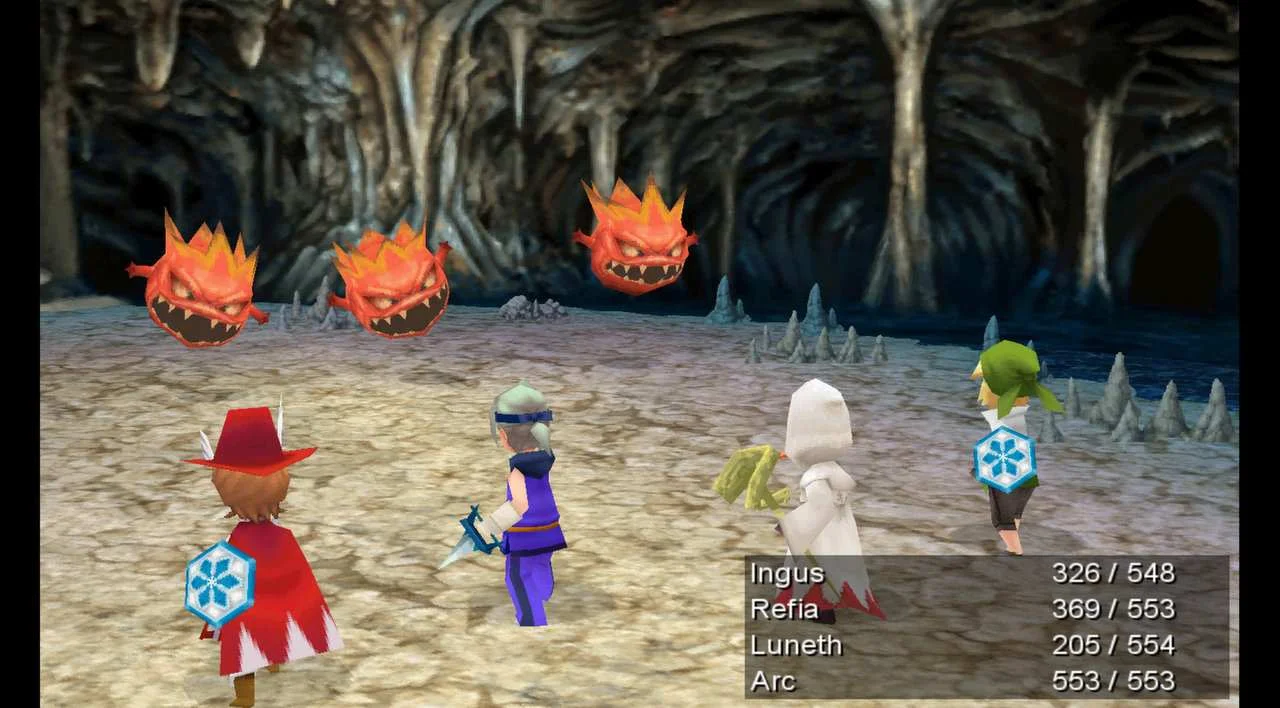
Both editions follow four crystal-chosen adventurers as they travel through towns, wilderness, dungeons, and a changing world threatened by encroaching darkness. Exploration uses an overhead or angled view, with menu-driven battles appearing as separate encounters. The core loop is familiar classic JRPG design: explore, fight, upgrade equipment, unlock jobs, solve progression gates, and prepare for major bosses.
The defining feature is the Job Change System. Crystals unlock roles such as Warrior, Monk, White Mage, Black Mage, Dragoon, Evoker, and Summoner. Changing jobs lets the same four characters fill different tactical functions, so party planning is part of the adventure rather than a choice made only at the beginning.
Jobs are not interchangeable cosmetic labels. Each role changes available equipment, commands, magic access, and battlefield purpose. A Dragoon can use Jump, a Summoner calls powerful creatures, and defensive or healing jobs can determine whether a difficult encounter becomes manageable. The system rewards adapting the party to new areas instead of relying on one permanent lineup.
Pixel Remaster versus 3D Remake
The Pixel Remaster is the more streamlined edition. It uses refreshed 2D pixel artwork, a rearranged soundtrack supervised in the series tradition, a modernized interface, auto-battle options, a bestiary, an illustration gallery, and a music player. Players can also switch between the rearranged soundtrack and an original-style version, choose between font styles, disable random encounters, and adjust experience multipliers.
Those options make the Pixel Remaster unusually flexible for a classic RPG. You can preserve the intended friction, reduce interruptions while exploring, or accelerate routine progression without changing the underlying jobs, towns, dungeons, or boss structure. It is still a single-player campaign, not a collection of challenge modes or an online service.
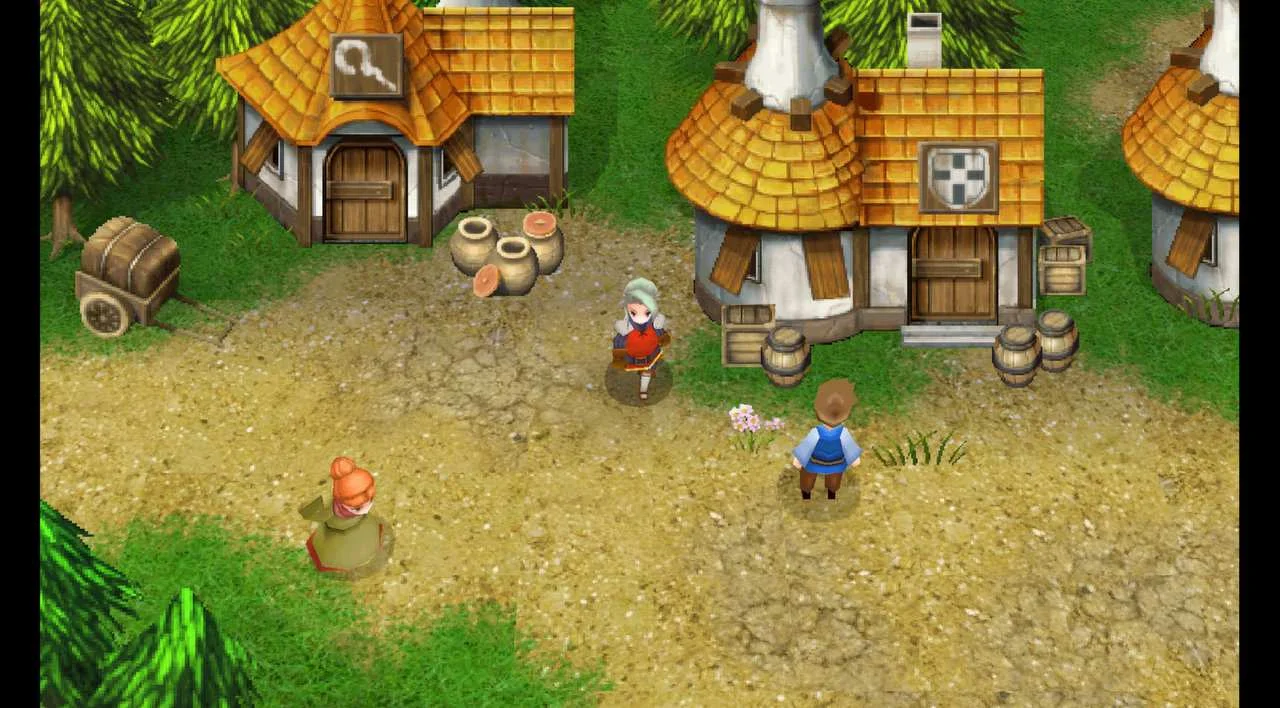
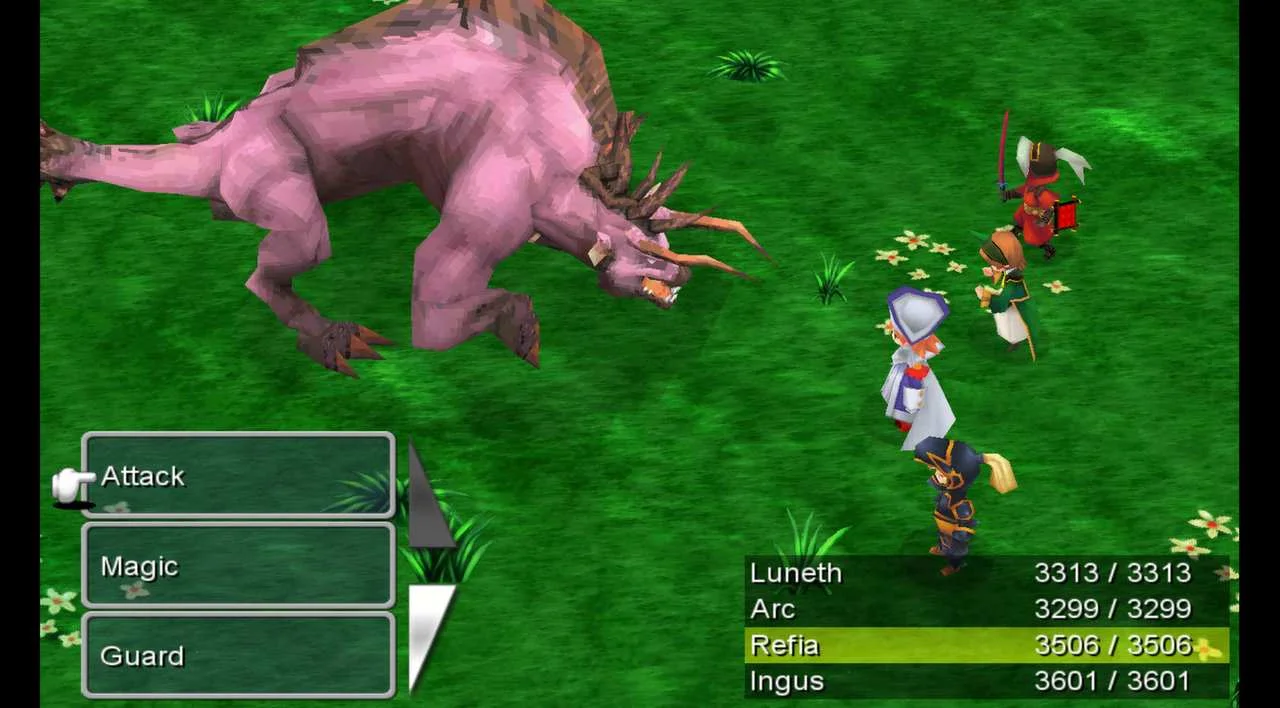
The 3D Remake replaces the sprite-based presentation with polygonal environments and story sequences. It adds the named party members Luneth, Arc, Refia, and Ingus, plus updated visual designs for Job Mastery Cards and expanded records such as the monster bestiary. Its PC update includes an improved interface, optimized gamepad compatibility, auto-battle, a gallery, a music player, and display support extending to 21:9 widescreen.
The versions also approach job switching differently. The 3D Remake uses a temporary adjustment period after changing jobs, while the Pixel Remaster removes that particular switching penalty and adds broader convenience settings. Players comparing guides should therefore check which edition a recommendation covers before copying party builds or progression advice.
Content, pricing, and extras
Each PC edition is a paid standalone game. Neither uses a free-to-play model, recurring subscription, season pass, or online character store. The Pixel Remaster listing includes optional soundtrack and wallpaper content, while the 3D Remake is sold as its own game with its built-in story, job system, bestiary, gallery, and achievements.
Neither edition should be treated as a definitive compilation of every previous version. The Pixel Remaster is based on the original game and does not automatically include additions associated with the 3D Remake. Conversely, the 3D Remake has its own redesigned presentation and balance rather than simply reproducing the 2D release with new graphics.
For a similar PC RPG focused more heavily on flexible roles and cross-job experimentation, classic job-driven 2D JRPGs such as Final Fantasy V are a natural comparison, although Final Fantasy III keeps its job abilities more tightly attached to each role.
PC features and practical expectations
Steam lists both versions as single-player products with Steam Achievements, Trading Cards, Steam Cloud, and Family Sharing. The PC editions do not advertise online multiplayer, local co-op, split-screen, or competitive play. There is also no live-service infrastructure or competitive anti-cheat requirement associated with the games.
The Steam versions use the Steam client and include third-party EULA requirements. The 3D Remake specifically advertises optimized gamepad support, keyboard and mouse adjustments, auto-battle, gallery access, and ultrawide presentation. The Pixel Remaster also supports controller input through its PC release, alongside its modernized interface and extensive convenience options.
Players seeking a DRM-free alternative can find the 3D Remake on GOG, where the storefront identifies it as DRM-free and lists controller support, cloud saves, achievements, and single-player functionality. The Pixel Remaster remains the more visibly modernized 2D product, while the GOG version of the 3D edition is useful for players who want an offline-friendly storefront ecosystem.
Who should play Final Fantasy III on PC?
The Pixel Remaster is the strongest fit for players who want classic JRPG exploration, readable pixel art, flexible party jobs, and the ability to tune encounter and progression friction. It is also the safer recommendation for newcomers who want to experience the original structure without committing to the older 3D Remake’s adjustment rules.
The 3D Remake suits players who value named protagonists, polygonal environments, extra character presentation, and a more demanding job-management loop. Its world and story are still rooted in old-school design, so expect frequent battles, equipment decisions, dungeon navigation, and occasional stretches where preparation matters more than spectacle.
Neither version is ideal for players seeking real-time combat, voice-led cinematic storytelling, multiplayer party play, or unrestricted modern build crafting. The appeal is historical and mechanical: Final Fantasy III is an early JRPG built around changing roles, elemental crystals, summon magic, and a party that evolves according to player decisions.
Similar classic JRPGs on PC
Players who want a more elaborate version of the job-and-ability concept can compare Final Fantasy III with party-based classic JRPGs such as Final Fantasy IV Complete Collection, although Final Fantasy IV emphasizes authored characters rather than freely changing jobs. The comparison is useful because it highlights Final Fantasy III’s central identity: the party is defined primarily by the roles you assign.
For a broader 2D Square-era alternative, Final Fantasy V offers deeper ability transfer and job mastery, while Final Fantasy III is more compact and more directly tied to its crystal-unlocking structure. Choose Final Fantasy III when you want the job system to shape the entire journey without turning every character into a fully modular build.
Final Fantasy III FAQ
What is the current PC name for Final Fantasy III?
PC storefronts currently distinguish between FINAL FANTASY III, the 2D Pixel Remaster, and Final Fantasy III (3D Remake). They are separate products, not two names for the same release.
Which version is closer to the original game?
The Pixel Remaster is the closer visual and structural presentation of the original Famicom adventure. The 3D Remake substantially changes the presentation, expands character depiction, and rebalances jobs.
Does Final Fantasy III have multiplayer or co-op?
No. The current PC editions are single-player RPGs with no advertised online multiplayer, local co-op, split-screen, or competitive mode.
Can jobs be changed during the adventure?
Yes. Jobs are unlocked through crystal progression and can be changed outside battle. The Pixel Remaster is more forgiving, while the 3D Remake applies a temporary adjustment period after a job change.
Does the Pixel Remaster include the 3D Remake content?
No. The Pixel Remaster and 3D Remake are separate interpretations. The 2D edition does not include the 3D presentation or every addition made for that remake.
What languages are supported on PC?
The Steam versions provide interface text in multiple languages, including English, French, Italian, German, Spanish, Japanese, Korean, Chinese, and Thai. The Pixel Remaster also lists Brazilian Portuguese and Russian support.
Which edition should a first-time PC player choose?
Choose the Pixel Remaster for cleaner controls, flexible convenience settings, and a 2D presentation. Choose the 3D Remake for named characters, polygonal environments, expanded story presentation, and a tougher job-adjustment loop.
System Requirements
Minimum: |
Processor: Pentium 4 2.4 GHz Graphics: 256 MB VRAM Memory: 2 GB RAM Disk space: 400 MB HDD Operating system: Windows Vista/7/8 |
Screenshots

Trailer/Gameplay
Download
Final Fantasy III (2014), 0.41GB
ElAmigos release, game is already cracked after installation (crack by Codex).

Updated till 24.03.2020.

1. Extract files.
2. Burn or mount the image.
3. Install the game.
4. ElAmigos release, game is already cracked after installation.
5. Play the game. If you like this game, BUY IT!
Final Fantasy III Download
🔒 Premium access required
To see and use the download links, you must be logged in and have an active PREMIUM account.
* Unlock downloads via Torrent and TeraBox.
Torrent Download
The best torrent download speeds are with qBittorrent!