Iratus Lord of the Dead
Edit date: 6-01-2023, 01:31
Reason: Updated to version 181.01 (22.12.2020)
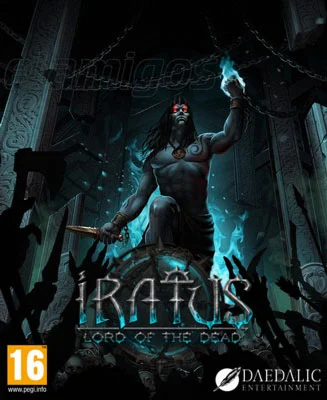
- Category:
- Release date:
- Game Genre:RPG, fantasy, turn-based, roguelike, 2D, crowdfunding, indie games, side-scroll
- Developer:Unfrozen Publisher: Daedalic Entertainment
- Release:ElAmigos
- Platform:PC
- Languages (subtitles):English, French, German, Spanish, Russian, Polish, Turkish, Korean, Japanese, Simplified Chinese, Traditional Chinese
- Dubbing/Audio:English, French, German, Russian, Simplified Chinese, Traditional Chinese
- Crack:Codex
- Game size:1.69GB
Game Description
Iratus: Lord of the Dead is a PC turn-based tactical roguelike RPG set in a dark fantasy world where the villain is the player character. The game is still listed under its original name on Steam, GOG, and the Epic Games Store; there is no verified storefront rebrand or replacement edition. You play Iratus, a necromancer building an undead army from the remains of defeated enemies.
Developed by Unfrozen and published by Daedalic Entertainment, Iratus is aimed at players who enjoy difficult party tactics, repeatable dungeon runs, and character-building systems with permanent consequences. Its central twist is simple: instead of protecting heroes from monsters, you manage the monsters and dismantle the forces of good.
Turn-Based Combat From the Villain's Side
Combat takes place from a side-on 2D perspective, with two opposing formations facing each other across a battlefield. Position matters because minion abilities often depend on rank, range, or the target's location. Moving a unit can be as important as attacking, especially when a fragile damage dealer needs to stay protected or an enemy must be pulled into reach.
Every encounter is built around reading enemy strengths, weaknesses, defenses, and status effects before committing to a strategy. Straight damage is only one route to victory. Iratus can also manipulate enemy Sanity, using fear and psychological pressure to make opponents lose control, betray allies, or die from the effects of mental collapse.
Your army has access to conventional attacks, defensive actions, support skills, and effects that interact with Wrath, Mana, armor, wards, buffs, and debuffs. The result is a combat system where team composition and timing usually matter more than simply selecting the attack with the largest number.
Players familiar with stress-driven party roguelikes such as Darkest Dungeon will recognize the emphasis on formation control and attrition, but Iratus reverses the pressure system: your creatures are disposable assets, while the enemy army is the group being pushed toward panic.
Build Minions From the Dead
The defining progression loop begins after battle. Defeated enemies provide body parts and other resources that can be used at the creation table to produce undead servants. The roster includes familiar necromantic archetypes such as skeletons, zombies, vampires, mummies, banshees, and several more specialized minions.
Each minion brings a different tactical role and a set of abilities that can be improved through branching upgrades. Some units are built to absorb punishment, others manipulate position, spread debuffs, generate resources, or attack enemy Sanity. Replacing a dead servant is possible, but rebuilding a useful composition still costs resources and can leave the army weaker for the next encounter.
Iratus himself also develops through four talent trees: Alchemy, Magic, Ire, and Destruction. These paths change the way his spells and supporting abilities function, allowing a run to lean toward direct damage, resource generation, battlefield control, or more specialized necromantic effects.
Graveyard Management and Roguelike Consequences
Between fights, the underground lair acts as Iratus's strategic headquarters. The graveyard and related facilities allow you to improve the base, research rituals, create minions, manage artifacts, and convert collected resources into long-term advantages.
The game uses a permanent-death structure for minions. When a creature dies, it does not simply return after the fight. You must create or promote another servant, adjust the formation, and decide whether the remaining resources can support another push through the dungeon.
Runs unfold across branching map routes rather than a single uninterrupted corridor. Choosing between battles, events, resource opportunities, and other destinations creates a lighter strategic layer around the encounters. Bosses mark major points of progress, while the possibility of losing an entire group keeps even routine fights relevant.
This structure makes Iratus less about building one perfect party and more about maintaining a functioning army under pressure. A strong run depends on knowing when to spend rare materials, when to preserve a veteran minion, and when a temporary replacement is good enough for the next battle.
Modes, Difficulty, and Replay Value
The main campaign supports multiple difficulty levels, ranging from the accessible Cakewalk setting through more demanding options including More Pain! and Good Always Wins. Higher settings are not merely cosmetic changes; they increase the importance of economic planning, formation discipline, and understanding the game's defensive systems.
Iratus also includes Endless Rise, an endless mode designed for continued tactical play after the standard progression structure. It provides a different mastery loop from the campaign, asking how long a carefully maintained undead force can survive as threats and resource decisions accumulate.
The game is strictly single-player. There is no verified cooperative campaign, competitive multiplayer mode, or split-screen option. Its replay value comes from experimenting with minion combinations, talent trees, difficulty settings, map choices, and alternate approaches to Sanity or direct-damage strategies.
Base Game, DLC, and Editions
The standard purchase contains the core Iratus campaign, the undead roster, the lair systems, the talent trees, and the main difficulty-based progression. It is a premium single-player game rather than a free-to-play title, and there is no recurring battle-pass model attached to the core experience.
The largest expansion is Iratus: Wrath of the Necromancer. It adds new minions, bosses, enemies, and story content, making it the relevant purchase for players who want more substantial campaign material rather than cosmetic extras.
The optional Supporter Pack contains bonus material for fans of the project, while separate seasonal skin sets provide cosmetic changes. The Necromancer Edition bundles the base game with Wrath of the Necromancer and the Supporter Pack. The soundtrack and Illustrated Strategy Guide are separate bonus products rather than additional campaign chapters.
PC Features and Storefront Differences
Iratus is available on PC storefronts including Steam, GOG, and the Epic Games Store, with versions also listed for macOS and Linux through the game's official platform information. The game is designed primarily around keyboard and mouse controls, and the Steam listing does not advertise full native controller support, so gamepad users should not assume console-style input is included.
The GOG edition is explicitly DRM-free and can be installed and played without GOG Galaxy. Steam provides platform features such as achievements, cloud saves, trading cards, statistics, and family sharing. The Epic Games Store version supports achievements through that ecosystem.
Localization is broader than the English audio alone. Storefront listings identify text support for English, French, German, Spanish, Russian, Korean, Simplified Chinese, Traditional Chinese, Japanese, Polish, Turkish, and Hungarian. Full voice audio is available in several languages, including English, French, German, Russian, and Chinese, depending on storefront listing details.
Who Should Play Iratus?
Iratus is a strong fit for players who enjoy party formation puzzles, hard fights, repeatable runs, and the satisfaction of turning enemy remains into a functioning tactical roster. It particularly suits players who like planning around debuffs, position-dependent abilities, resource scarcity, and permanent losses.
It is less suitable if you want a relaxed power fantasy, a conventional heroic story, or a campaign where every favorite character is protected from irreversible death. The presentation is dark and occasionally grotesque, while the difficulty expects players to learn how units, defenses, Sanity, and Iratus's own talents interact.
For a more deterministic tactical alternative built around compact battle puzzles, turn-based grid strategy like Into the Breach removes the party-maintenance burden and makes enemy intentions easier to read. For a broader fantasy campaign with card-driven character abilities, digital dungeon tactics in the style of Gloomhaven offers a different approach to persistent party progression.
Iratus: Lord of the Dead FAQ
Has Iratus: Lord of the Dead been renamed?
No verified rebrand has replaced the original name. Steam, GOG, and the Epic Games Store continue to list the PC game as Iratus: Lord of the Dead. Iratus: Wrath of the Necromancer is an expansion, not a renamed base game.
Is Iratus: Lord of the Dead multiplayer?
No. The game is a single-player tactical roguelike with no cooperative campaign, online party mode, or split-screen multiplayer.
What is the main gameplay loop?
You choose a route through dungeon maps, fight enemy groups in turn-based formation combat, collect body parts and other resources, create or upgrade minions, improve Iratus's underground lair, and prepare for stronger encounters and bosses.
What happens when a minion dies?
Dead minions are permanently lost within the run. You can create replacements from harvested materials, but a casualty may remove an important role from your formation and force you to change tactics.
Does the game include a mode beyond the campaign?
Yes. Endless Rise provides an endless challenge separate from the normal campaign route, while multiple difficulty settings support both newer players and experienced tactics-focused players.
Which edition includes the major expansion?
The Necromancer Edition includes the base game, Iratus: Wrath of the Necromancer, and the Supporter Pack. The standard edition does not automatically include the expansion.
System Requirements
Minimum: | Recomended: |
| Processor: Intel Core 2 Duo 2.4 GHz Graphics: Intel HD Memory: 1 GB RAM Disk space: 3.5 GB HDD Operating system: Windows 7 64-bit | Processor: Intel Core i5 3.0 GHz Graphics: 2 GB GeForce GTX 760 / 3 GB Radeon R9 280X Memory: 4 GB RAM Disk space: 3.5 GB HDD Operating system: Windows 10 |
Screenshots

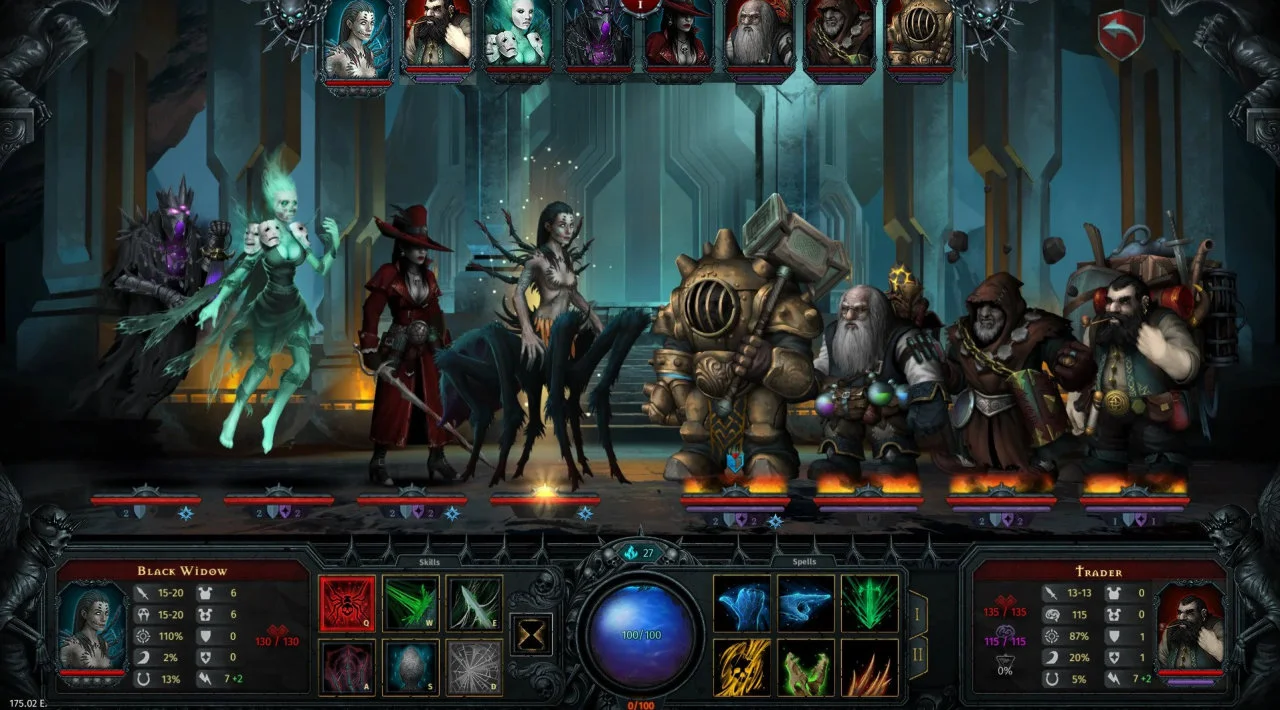
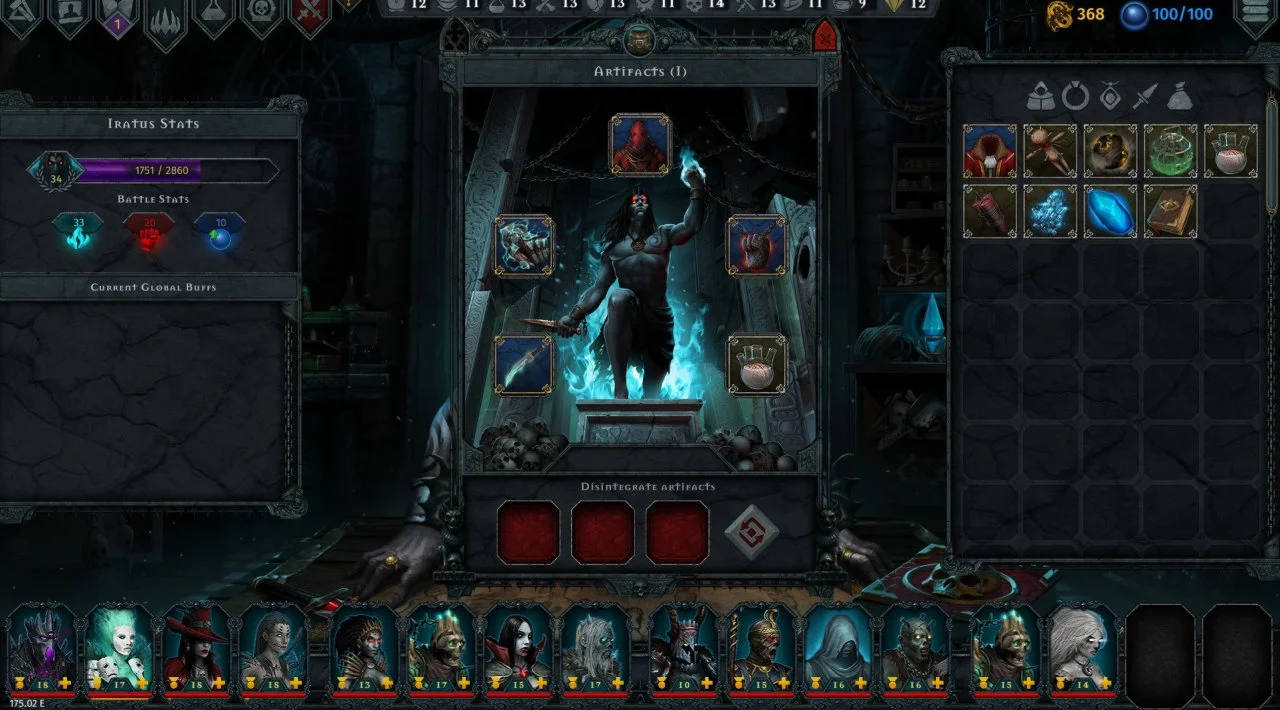
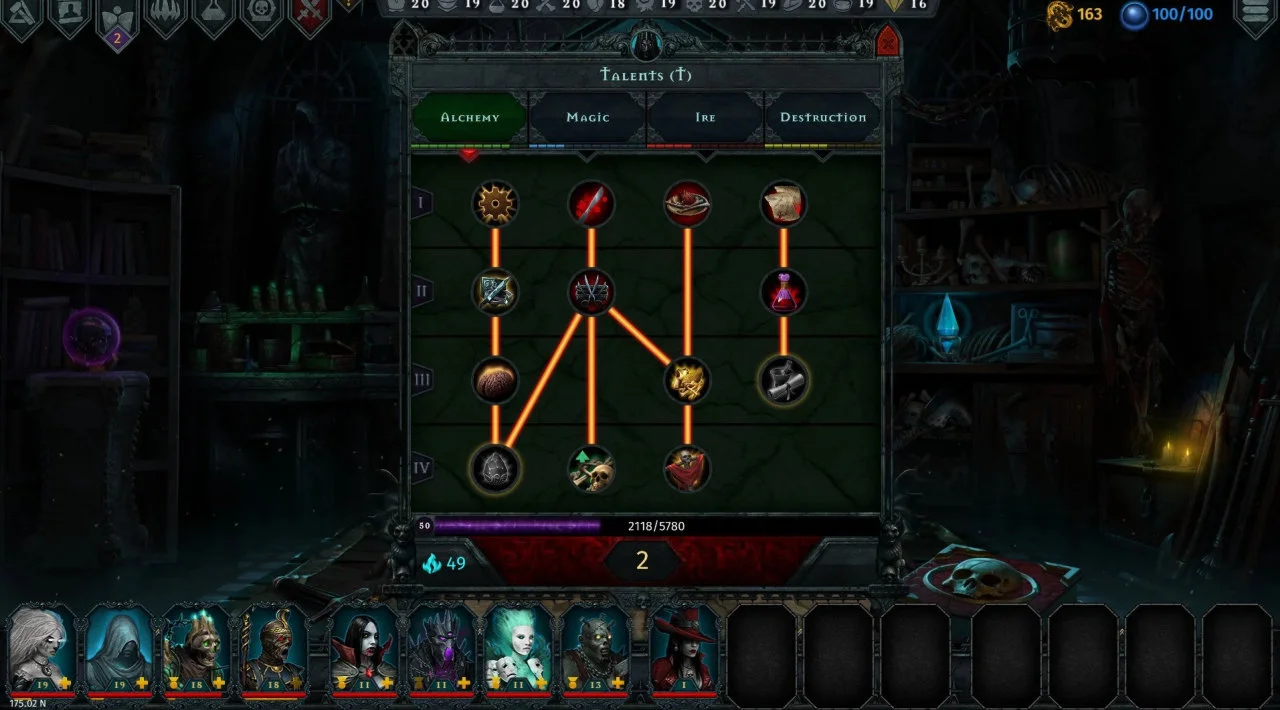
Trailer/Gameplay
Download
Iratus Lord of the Dead (2020), 1.69GB
ElAmigos release, game is already cracked after installation (crack by Codex).

Updated to version 181.01 (22.12.2020).

1. Extract files.
2. Burn or mount the image.
3. Install the game.
4. ElAmigos release, game is already cracked after installation.
5. Play the game. If you like this game, BUY IT!
Iratus Lord of the Dead Download
🔒 Premium access required
To see and use the download links, you must be logged in and have an active PREMIUM account.
* Unlock downloads via Torrent and TeraBox.
DLC: Wrath of the Necromancer, Holidays Skin Set, Summer Skin Set, Halloween Skin Set, Supporter Pack, Soundtrack.
Torrent Download
The best torrent download speeds are with qBittorrent!