Tainted Grail Conquest
Edit date: 6-01-2023, 15:31
Reason: Updated to version 1.3c (29.09.2022)
- Category:
- Release date:
- Game Genre:RPG, fantasy, turn-based, roguelike, tactical, Arthurian Legends, card games, Polish, indie games, Xbox Game Pass
- Developer:Awaken Realms, Publisher: Awaken Realms
- Release:ElAmigos
- Platform:PC
- Languages (subtitles):English, French, German, Spanish, Polish, Russian, Simplified Chinese
- Dubbing/Audio:English
- Crack:Codex
- Game size:3.83GB
Game Description
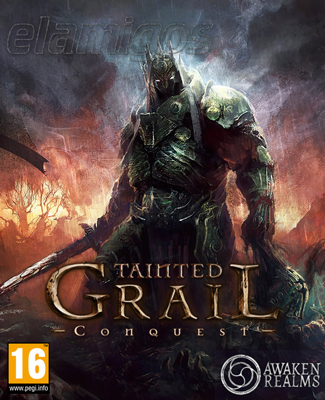
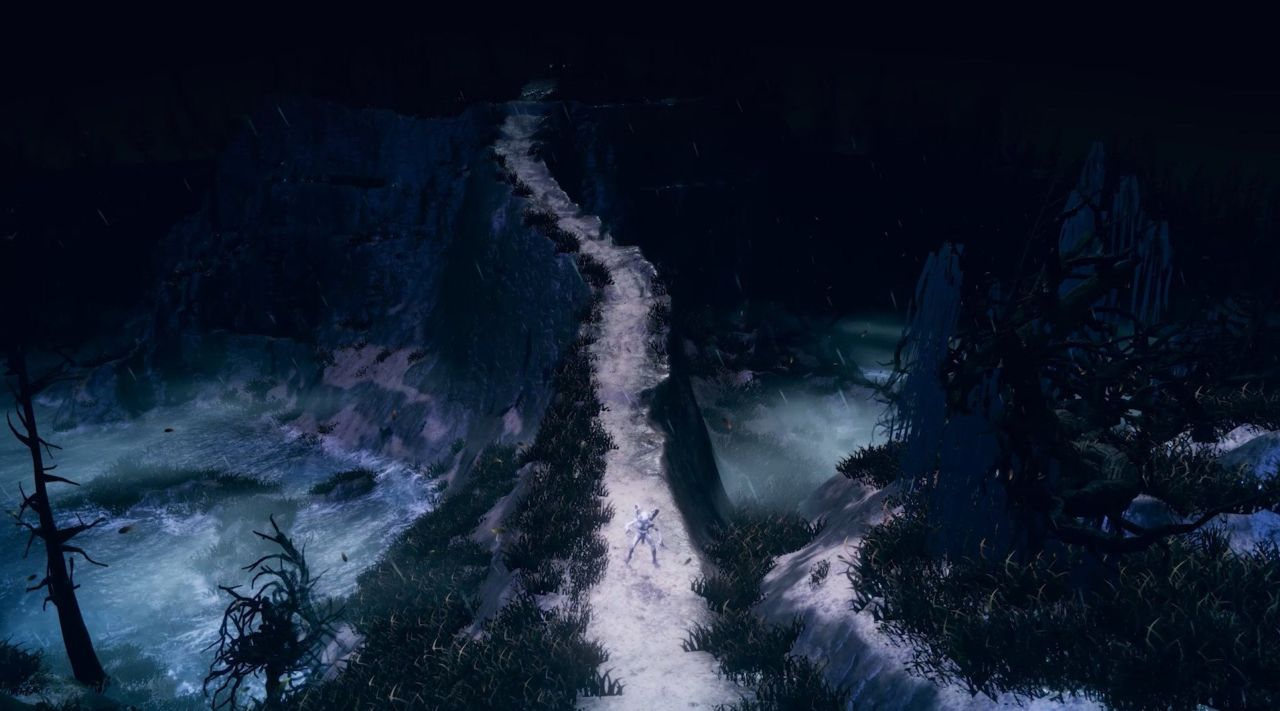
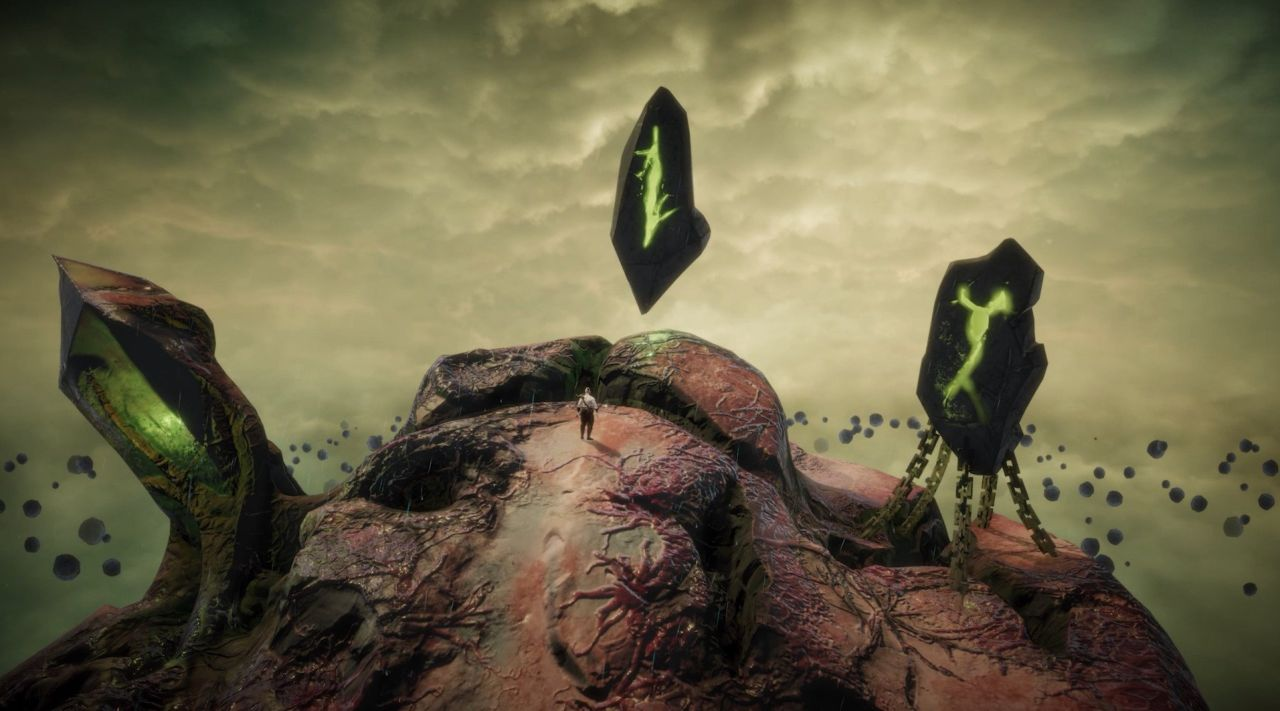
Tainted Grail: Conquest is a dark fantasy roguelike deckbuilder for PC, combining turn-based card combat, isometric exploration, village development, and an Arthurian setting shaped by the spreading Wyrdness. Steam and GOG continue to list the game under its original name; there is no verified storefront rebrand or replacement edition for Conquest.
Developed by Questline and published by Awaken Realms, it is a complete paid single-player game rather than a free-to-play service. Its lasting appeal comes from combining a story-driven progression layer with repeated runs, permanent village improvements, class unlocks, and increasingly ambitious deck and runestone builds.
Turn-based exploration across a changing Avalon
Each run sends your chosen hero into an ever-changing version of Avalon. The map is built around branching exploration, combat encounters, treasure, events, merchants, hazards, and story decisions. You are not simply moving between battles; you are deciding how much risk to accept before returning to the village.
The central pressure is the Wyrdness, a supernatural force that makes the island increasingly dangerous. Wyrdcandles help keep the encroaching darkness under control, but they are a limited resource and their use affects how safely you can travel. Choosing whether to push deeper into a region or retreat with your current rewards is part of the game's main strategic loop.
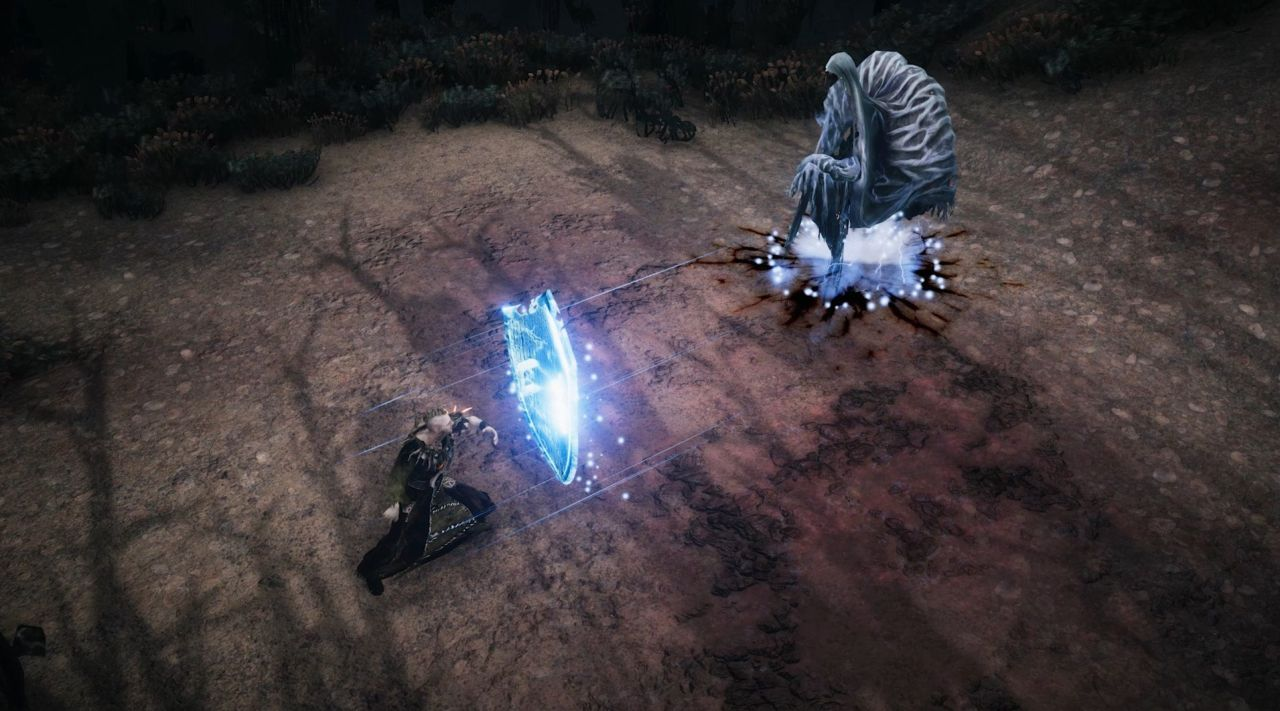
Combat uses a card-driven, turn-based structure. Your hero receives a limited amount of Energy each turn and must convert that resource into attacks, defenses, buffs, debuffs, summons, or other class-specific effects. Enemy intentions are readable, so strong play depends on preparing for the next action instead of reacting blindly after damage has already been dealt.
Cards are not interchangeable across the roster. Each class has its own starting deck, card pool, passive ability, and Ultimate system. Some builds focus on direct damage and armor, while others revolve around summons, healing, status effects, card chaining, or manipulating health and energy.
Nine classes with different build identities
The game begins with the Wyrdhunter and unlocks additional classes as you accumulate progress across runs. The full roster is divided among three factions: the Children of Morrigan, the Moonring, and the Watchers of Tuathan.
Those factions are more than a story label because they determine access to distinct card pools. The Summoner, Blood Mage, and Necromancer are built around the Moonring's summon-focused identity, but they do not play identically. One may invest heavily in a small number of powerful creatures, while another spends health to create or enhance multiple summons.
Other classes support very different combat plans. The Pathfinder and Sentinel emphasize control and defense, while the Berserker rewards aggressive damage patterns. The Zealot and Apostate add further variations to resource management, survivability, and card sequencing.
This structure gives Conquest more class variety than a typical deckbuilder where characters mainly change the starter deck. Unlocking a new hero changes the way you evaluate encounters, rewards, passive upgrades, and the risks worth taking during exploration.
Permanent village progression and temporary run power
Failure ends the current character's expedition, but it does not erase all progress. Returning to the village lets you spend resources on permanent upgrades, recruit villagers, unlock services, and improve the options available at the beginning of later runs.
The village acts as the connective tissue between the roguelike attempts. NPCs can provide access to upgrades, card services, equipment support, or other forms of preparation. Finding and persuading these characters is therefore part of the long-term progression rather than a purely cosmetic side activity.
During a run, you also gain temporary levels, cards, consumables, and runestones. Runestones modify the hero through equipment slots and can be collected, combined, and improved. Their effects help define a build, but the most effective combinations still depend on the class, available cards, and the threats in the current region.
The result is a two-layer progression system. Permanent improvements make future attempts more flexible, while temporary rewards create the specific build you must use to overcome the current map and its encounters.
Story choices inside a roguelike structure
Conquest is more narrative-focused than many procedural deckbuilders. The island of Avalon is presented through encounters, dialogue, quests, village characters, and discoveries that gradually explain what happened to the cursed land.
Choices can affect how situations develop and which services become available in the village. The game does not turn every decision into a branching campaign with a completely separate storyline, but it gives exploration a stronger sense of consequence than a purely abstract climb or arena run.
That blend is one of the clearest gaps between Conquest and more combat-centered deckbuilders. Players who enjoy procedural card-battling roguelikes such as Slay the Spire will recognize the importance of energy, deck consistency, and enemy intent, but Conquest adds a persistent settlement, character classes, quests, and a more explicit world to investigate.
Content model and current editions
The standard PC game is a paid base release. Steam currently lists the original game as a single-player purchase, with Steam Achievements, Steam Trading Cards, Steam Cloud, Steam Leaderboards, Family Sharing, and one separate soundtrack product.
There is no verified gameplay expansion, season pass, or recurring card-store model attached to the current Steam listing. The Original Soundtrack is separate additional content, while the playable campaign systems, classes, village progression, and replay loop belong to the base game.
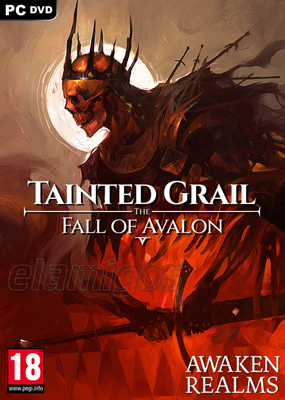
Players may also encounter bundles that pair Conquest with other Awaken Realms titles. A bundle is not a new edition of Conquest and does not indicate that the game has been renamed. The related first-person RPG Tainted Grail: The Fall of Avalon is a separate game in the same broader universe, not an upgraded version of Conquest.
That distinction matters when searching storefronts. The card-based roguelike is Tainted Grail: Conquest, while The Fall of Avalon is the separate open-world RPG. Neither current name replaces the other.
PC features, input, and localization
The Steam version is built for single-player use and includes cloud saves, achievements, leaderboards, trading cards, and Family Sharing. The storefront does not advertise online co-op, split-screen play, or competitive multiplayer for the main game.
Keyboard and mouse are the safest default for navigating the map, selecting cards, inspecting tooltips, and managing the village. Basic gamepad support is available, but the Steam listing does not present Conquest as a title with the strongest form of dedicated full-controller support. Players who rely on a controller should expect a more functional than specialized implementation.
The GOG edition is listed as DRM-free, so it does not require activation or an always-online connection to play. The Steam edition remains tied to the Steam client and its platform services.
Localization covers interface and subtitles in English, French, German, Polish, Russian, Simplified Chinese, and Latin American Spanish. English includes full audio, while the other listed languages are text localizations rather than full voice tracks.
No separate anti-cheat system is identified in the current storefront information. That matches the game's structure: it is primarily an offline-friendly solo RPG with optional platform services rather than a competitive online title.
Who should play Tainted Grail: Conquest?
Conquest is a strong fit for players who want deckbuilding with persistent progression, dark fantasy atmosphere, branching exploration, and several classes that genuinely alter the combat system. It rewards careful planning, experimentation, and learning which cards are worth adding to a deck rather than automatically taking every available reward.
It is also suited to players who enjoy a failure loop with context. Losing a run provides information, progress toward unlocks, and resources for village improvements, even when the immediate build disappears.
The game is less suitable for anyone seeking real-time combat, cooperative adventuring, or a fixed party-based campaign. Its map and story provide more texture than a minimalist card roguelike, but the core action remains deliberate, menu-driven, and turn-based.
Players who prefer harsher roster management can compare its dark fantasy pressure with turn-based roguelike RPGs like Darkest Dungeon. The two games share attrition, difficult expedition choices, and a bleak setting, although Conquest centers on one evolving hero and a card deck instead of a party roster, stress system, and formation tactics.
Similar PC games and genre positioning
The closest mechanical comparison is Slay the Spire: both games use turn-based combat, limited energy, enemy intent, procedural routes, and deckbuilding decisions that determine how consistently a build performs.
Conquest stands apart through its village layer, class factions, quests, Wyrdness travel, runestones, and more overt RPG progression. It asks you to think about the run and the settlement at the same time.
Darkest Dungeon is a useful comparison for the expedition mood and long-term consequences, but it is not a card game. Its emphasis is party positioning, stress, provisions, and roster survival, whereas Conquest focuses on card sequencing, class identity, and permanent village development.
For players who want a dark Arthurian setting but expect an open-world first-person RPG, The Fall of Avalon is the relevant alternative within the franchise. It shares lore and atmosphere, not Conquest's turn-based deckbuilding structure.
Tainted Grail: Conquest FAQ
Has Tainted Grail: Conquest been renamed?
No verified storefront rebrand has replaced the original name. Steam and GOG continue to list the game as Tainted Grail: Conquest. Tainted Grail: The Fall of Avalon is a separate game, not a renamed edition.
Is Tainted Grail: Conquest single-player?
Yes. The PC storefronts identify it as a single-player game. There is no advertised online co-op, split-screen campaign, or competitive multiplayer mode.
How does progression work between runs?
Each run resets the temporary character build, cards, levels, and run-specific rewards. Progress carries forward through village upgrades, recruited NPC services, unlocked classes, and other permanent improvements.
How many playable classes are in the game?
There are nine playable classes, beginning with the Wyrdhunter and expanding through unlocks tied to progress across completed or failed runs. The classes belong to three factions and use different card pools, passives, and Ultimate abilities.
Does the PC version support controllers?
Basic controller support is available, but keyboard and mouse are the more dependable choice for card selection, tooltips, map navigation, and village management. Steam does not market the game with a dedicated full-controller-support label.
What languages are supported?
English, French, German, Polish, Russian, Simplified Chinese, and Latin American Spanish are supported for interface and subtitles. English is the listed full-audio language.
System Requirements
Minimum: |
Processor: Dual Core 3.2 GHz Graphics: 2 GB GeForce GTX 750 / Radeon HD 7770 Memory: 8 GB RAM Disk space: 8 GB HDD Operating system: Windows 7/8/10 64-bit |
Screenshots

Trailer/Gameplay
Download
Tainted Grail Conquest (2021), 3.83GB
ElAmigos release, game is already cracked after installation (crack by Codex).

Updated to version 1.3c (29.09.2022).

1. Extract files.
2. Burn or mount the image.
3. Install the game.
4. ElAmigos release, game is already cracked after installation.
5. Play the game. If you like this game, BUY IT!
Tainted Grail Conquest Download
🔒 Premium access required
To see and use the download links, you must be logged in and have an active PREMIUM account.
* Unlock downloads via Torrent and TeraBox.
Torrent Download
The best torrent download speeds are with qBittorrent!