Lone Echo VR
- Release date:
- Game Genre:Adventure, FPP, science fiction, Oculus Rift/Quest, virtual reality
- Developer:
- Release:ElAmigos
- Platform:PC
- Languages (subtitles):English, French, German, Spanish, Korean, Japanese, Simplified Chinese
- Dubbing/Audio:English, French, German, Spanish, Korean, Japanese, Simplified Chinese
- Crack:Potato of Doom
- Game size:13.12GB
Game Description
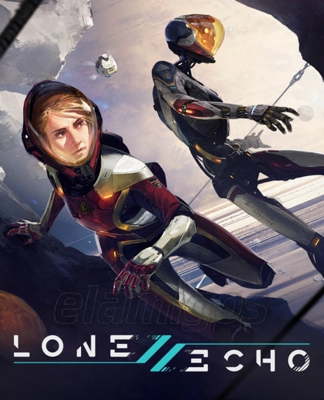
Lone Echo PC is a first-person science-fiction VR adventure built around hand-based zero-gravity movement, tactile interaction, and a character-led mystery aboard a mining facility near Saturn. The current Meta PC VR storefront still uses the official name Lone Echo; “Lone Echo VR” remains a useful catalog and search phrase rather than a verified rebrand. The game was developed by Ready At Dawn and published by Oculus Studios.
Zero-gravity movement defines the entire experience
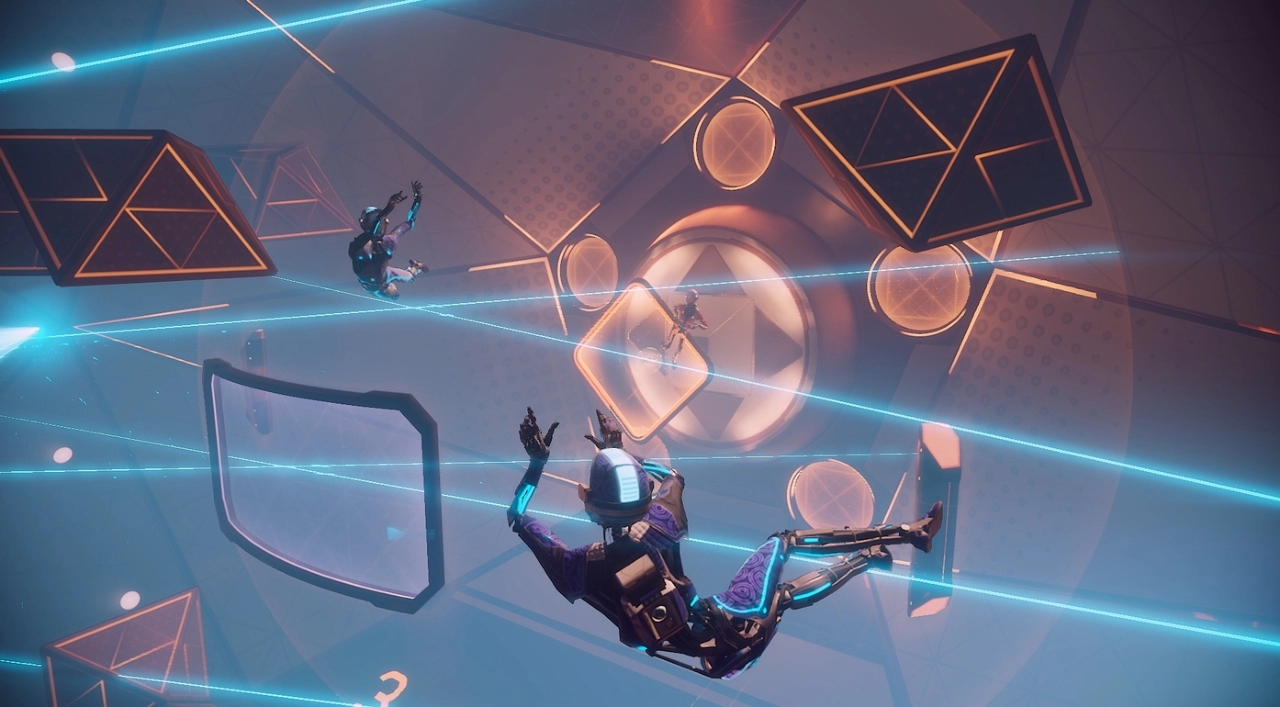
Lone Echo does not treat VR as a conventional first-person game viewed through a headset. Its central system is physical zero-gravity locomotion. You reach for rails, walls, handles, panels, and other solid surfaces, then pull or push your synthetic body through the environment. Small hand-mounted thrusters help you adjust your direction, while the surrounding station becomes both level geometry and a movement tool.
This creates a slower, more deliberate alternative to joystick-driven movement. You can stop beside a console, brace against a structure, rotate your body, and inspect a machine from any angle. The default presentation helps preserve orientation in open space, while comfort options allow players to adjust turning and movement preferences. The result is a VR control scheme based on momentum, reach, and spatial awareness rather than traditional walking.
The perspective is fully first-person, and the game expects tracked motion controllers. Oculus Touch interaction is used for grabbing, pushing, operating equipment, handling tools, and communicating with the environment. A standard mouse-and-keyboard setup is not the intended way to play, because many of the game’s important actions depend on direct hand presence.
A story campaign about Jack and Captain Rhodes
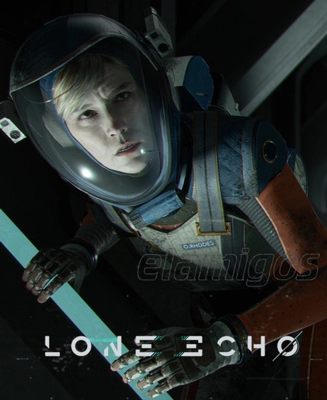
You play as Jack, an advanced artificial-intelligence android assigned to support Captain Olivia Rhodes. The setting is a detailed orbital mining facility positioned within the rings of Saturn, where routine maintenance gives way to an increasingly serious mystery. The campaign focuses on exploration, investigation, dialogue, and problem solving rather than conventional gunplay or character progression.
Jack’s synthetic body is central to the fiction and the gameplay. You interact with space-station equipment, examine unfamiliar phenomena, move through exterior environments, and assist Rhodes while the situation develops. Interactive dialogue gives the story a conversational rhythm, with the relationship between Jack and Rhodes providing the emotional structure for the campaign.
Progress is organized around authored missions and connected areas rather than procedural runs. Players revisit station spaces with new information, search for useful tools, operate machinery, and interpret what the environment is communicating. The experience rewards curiosity and careful observation more than fast reflexes.
Tools, puzzles, and environmental interaction
Lone Echo’s puzzles are integrated into the station’s equipment and maintenance systems. Instead of selecting solutions from abstract menus, you manipulate objects in front of you. You may need to open a panel, locate a damaged component, use a tool on a mechanism, or understand how several pieces of equipment relate to one another.
The strongest moments come from hands-on environmental problem solving. Reaching into a compartment, floating around a structure, or holding a tool steady can make a simple task feel substantially different from a flat-screen interaction. The game also uses readable virtual interfaces and spatial audio to direct attention without constantly placing objective markers in front of the player.
There is no loot treadmill, skill tree, crafting economy, or conventional weapon-building system. Lone Echo is best understood as a narrative exploration game with VR-native interaction. Players looking for a combat-heavy space shooter may find its pacing restrained, while players interested in tactile science-fiction investigation will find that limitation deliberate.
Current edition and commercial model
The current Meta PC VR listing is titled Lone Echo, not Lone Echo VR. The longer name remains common in third-party catalogs because it identifies the game as a virtual-reality title and distinguishes it from the sequel, but there is no verified current storefront rebrand to a different official product name.
On PC, the game is presented as a paid single-player VR experience. The current storefront listing does not advertise a season pass, table-style add-on catalog, or separate campaign expansion for the base product. Its content model is straightforward: purchase the game and access its authored narrative adventure.
Older descriptions sometimes associate Lone Echo with Echo Arena, the competitive zero-gravity sports experience created from related movement technology. That multiplayer project should not be treated as a current co-op mode inside the Lone Echo product. For present-day catalog purposes, Lone Echo is a solo story adventure, while its multiplayer identity belongs to the separate Echo VR line.
Who should play Lone Echo?
Lone Echo is a strong fit for PC VR players who want a focused science-fiction story, detailed station environments, and movement that could not be reproduced convincingly with ordinary controls. It suits people who enjoy slow-burn mysteries, character conversations, environmental inspection, and learning a physical movement system through practice.
The game is less suitable for players searching for open-world freedom, persistent progression, competitive matches, or constant action. Its tension comes from isolation, uncertainty, malfunctioning systems, and the consequences of exploring an unfamiliar facility. The campaign is handcrafted and directed, with replay value coming mainly from revisiting its spaces and appreciating the interaction design.
Players who want another tactile science-fiction VR mystery can compare its investigation loop with story-focused VR puzzle adventures such as Red Matter Collection VR. Red Matter is more firmly centered on logic puzzles and dystopian intrigue, while Lone Echo places greater emphasis on free movement, character dialogue, and the sensation of working inside a functioning orbital facility.
PC VR platform details
Lone Echo is a PC VR-only experience rather than a standalone headset game. The current Meta listing is organized under Link PC VR and identifies the Rift platform family. Players need a compatible PC VR headset, tracked motion controllers, and Meta’s PC VR software environment to install and launch the game.
The game is distributed through Meta’s PC VR storefront rather than Steam or GOG. That makes the Meta account and launcher ecosystem part of the practical ownership experience. The storefront does not advertise a separate anti-cheat layer or dedicated-server requirement, which is consistent with the game’s current single-player structure.
Supported play styles include seated, standing, and room-scale-oriented use, although the physical movement design means players should leave enough space for safe arm movement. Full 360-degree play, direct controller interaction, and comfort-oriented turning options are more important to the experience than conventional desktop input.
Store data lists English, French, German, Spanish, Korean, Japanese, and Simplified Chinese language support. The exact division between interface, subtitles, and audio should be checked against the active Meta listing before purchase, but English is the primary voice-language presentation associated with the game.
Comparable PC VR experiences
Lone Echo’s closest comparisons are other authored VR adventures that combine exploration with physical interaction. It shares a tactile, equipment-focused design philosophy with science-fiction action adventures like Hubris VR, although Hubris is more combat-oriented and adds climbing, swimming, resource gathering, and weapon handling.
For players who want a more direct survival-horror loop, physics-driven VR survival games such as The Walking Dead: Saints & Sinners VR offer heavier emphasis on weapons, scavenging, and physical combat. Lone Echo is quieter and more conversational, with the station itself serving as the primary puzzle space.
These comparisons also clarify what makes Lone Echo unusual. It is not simply a space-themed shooter, a walking simulator, or a puzzle room collection. Its identity comes from combining zero-gravity traversal, synthetic-body interaction, environmental investigation, and a relationship-driven campaign into one continuous VR format.
Lone Echo FAQ
Is Lone Echo VR the current official name?
No. The current Meta PC VR storefront uses Lone Echo. “Lone Echo VR” is a descriptive legacy and catalog name used to emphasize that the game requires virtual reality.
Is Lone Echo a standalone Meta Quest game?
No verified standalone Quest edition is presented by the current listing. The game is offered as a PC VR title through Meta’s Link PC VR storefront and requires a compatible headset connected to a gaming PC.
Does Lone Echo include multiplayer or co-op?
The current product is a single-player campaign. Echo Arena was a separate multiplayer experience built around related zero-gravity movement, not a co-op campaign inside the current Lone Echo listing.
What is the main gameplay mechanic?
The defining mechanic is hand-based zero-gravity movement. You grab nearby surfaces, push off, use hand thrusters to correct your path, and physically operate tools and station equipment with tracked controllers.
Does Lone Echo have combat, crafting, or character upgrades?
Its primary systems are exploration, dialogue, investigation, and environmental puzzles. It does not present itself as a loot-driven action game with extensive crafting, skill trees, or conventional character builds.
Which controllers does Lone Echo support?
The game was designed around Oculus Touch-style tracked motion controllers. Controller-based hand interaction is essential for movement, grabbing, tool use, and operating the station’s equipment.
What is the actual progression structure?
Progress follows an authored story campaign made of connected missions and locations. Players investigate the station, solve practical problems, advance conversations, and uncover the larger mystery rather than repeating procedural runs or competing for online rankings.
System Requirements
Minimum: | Recommended: |
| Processor: Intel Core i3-6100 / AMD FX-4350 Graphics: NVIDIA GTX 960 4GB / AMD Radeon R9 290 or greater Memory: 8 GB Disk space: 20 GB HDD Operating system: Windows 8.1 or newer | Processor: Intel i7-6000 equivalent or greater Graphics: NVIDIA GTX 980 equivalent or greater Memory: 16 GB Disk space: 20 GB HDD Operating system: Windows 8.1 or newer |
Screenshots

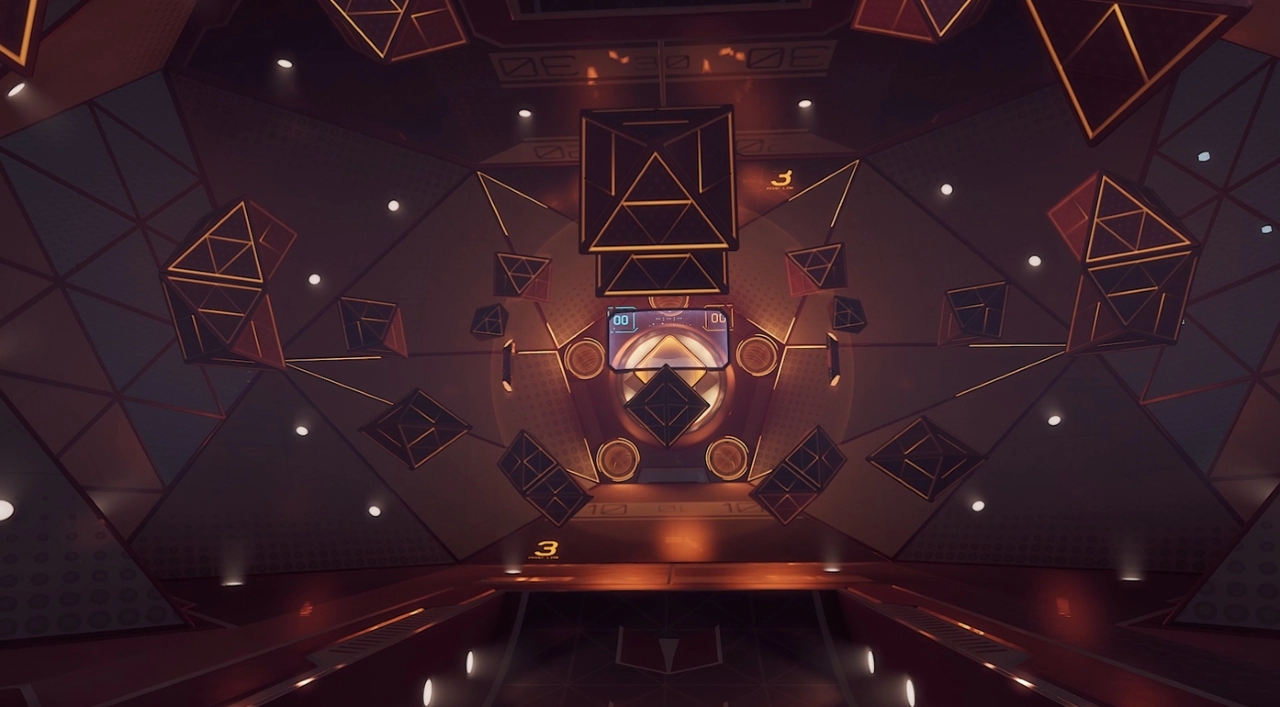
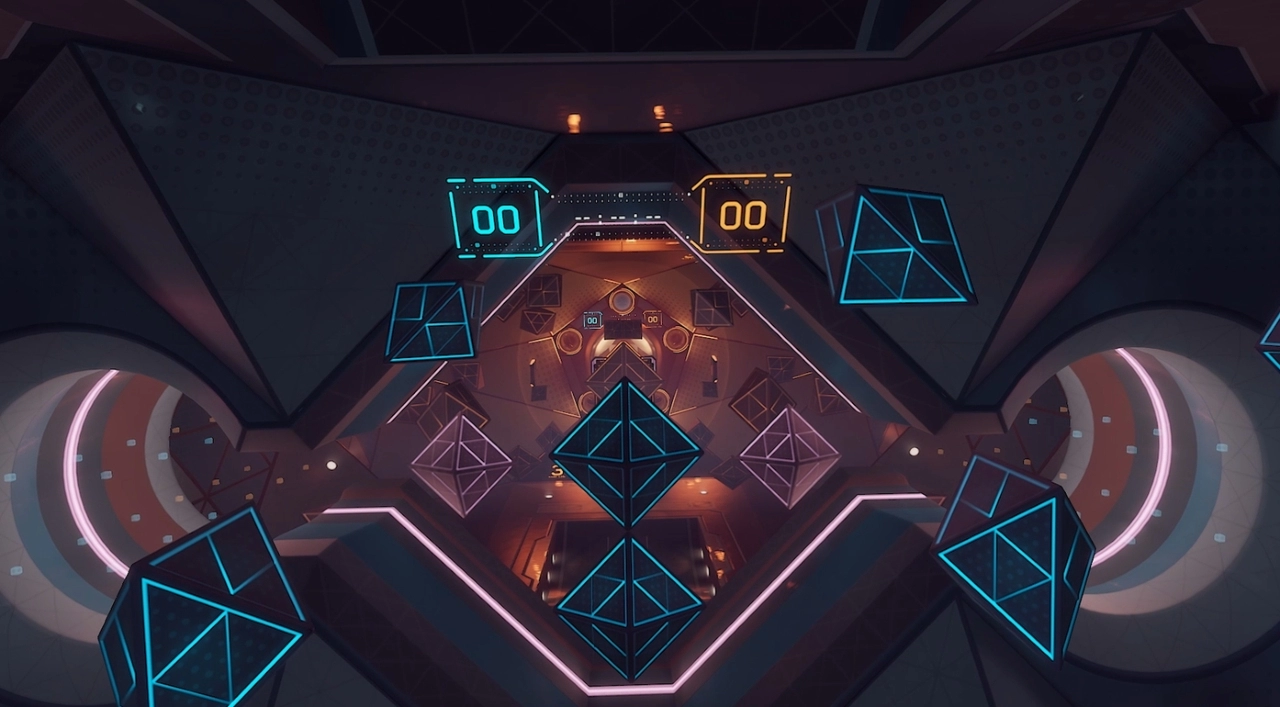
Trailer/Gameplay
Download
Lone Echo VR (2017), 13.12GB
ElAmigos release, game is already cracked after installation (crack by Potato of Doom).

1. Extract files.
2. Burn or mount the image.
3. Install the game.
4. ElAmigos release, game is already cracked after installation.
5. Play the game. If you like this game, BUY IT!
Lone Echo VR Download
🔒 Premium access required
To see and use the download links, you must be logged in and have an active PREMIUM account.
* Unlock downloads via Torrent and TeraBox.
Torrent Download
The best torrent download speeds are with qBittorrent!