Last Epoch
Edit date: 3-10-2026, 12:26
Reason: + update 1.5.0.0 - 1.5.1.0 (02.10.2026)
- Category:
- Release date:
- Game Genre:RPG, fantasy, hack'and'slash, Isometric view, indie games, action RPG, Find Your Next Game
- Developer:Eleventh Hour Games
- Release:ElAmigos
- Platform:PC
- Languages (subtitles):English, French, German, Spanish, Polish, Russian, Portuguese-Brazil, Korean, Chinese Simplified
- Dubbing/Audio:English
- Crack:Codex/Rune
- Game size:16.00GB
Game Description
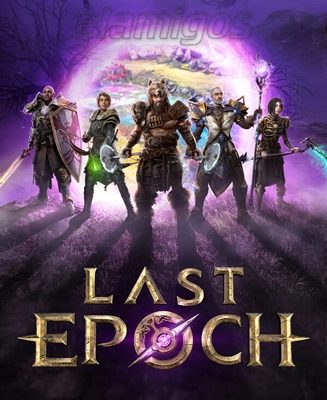
Last Epoch PC is an isometric action RPG from Eleventh Hour Games built around time travel, deep character customization, deterministic crafting, and repeatable loot-driven combat. The official storefront and publisher pages continue to use the name Last Epoch, with no current rebrand or replacement edition identified. Its strongest appeal is the way every character combines a base class, a specialized Mastery Class, and individually modified skills.
Rather than relying on a single passive tree or rigid class role, Last Epoch gives players several layers of control. You can experiment with a build during the campaign, refine it through endgame activities, and pursue a different playstyle on the next character without learning an entirely new game.
Time-travel action RPG combat
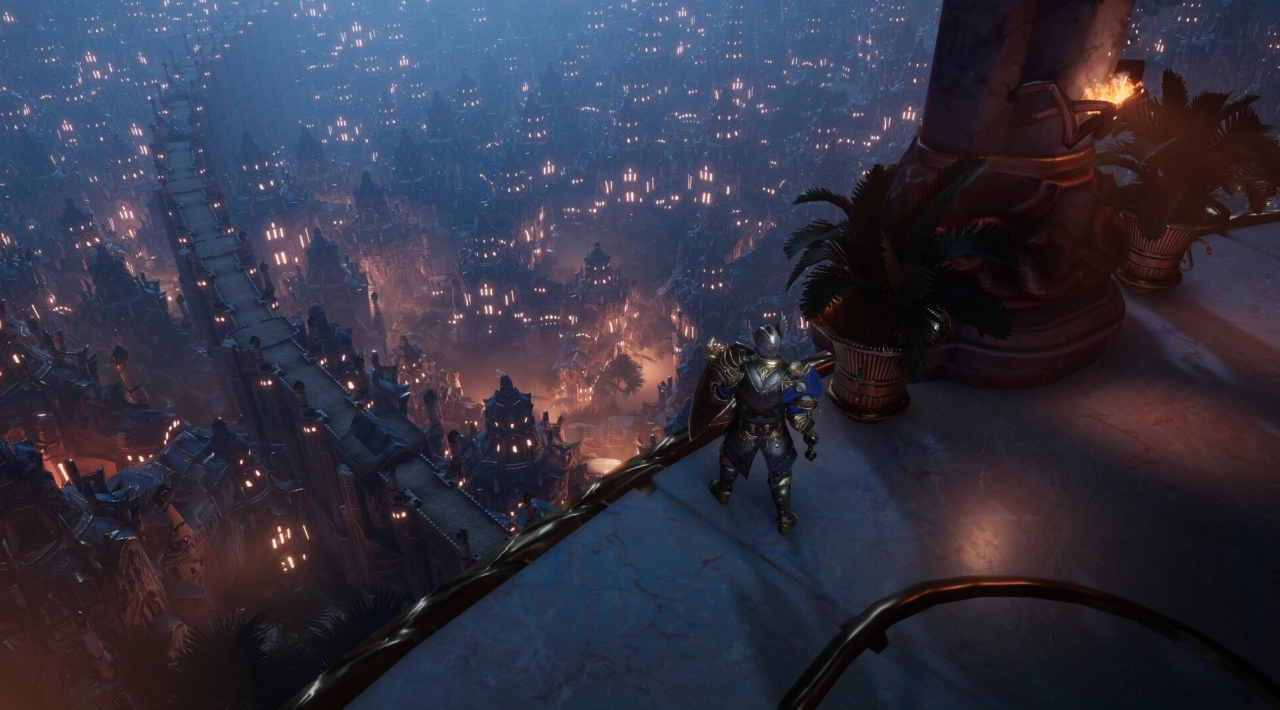
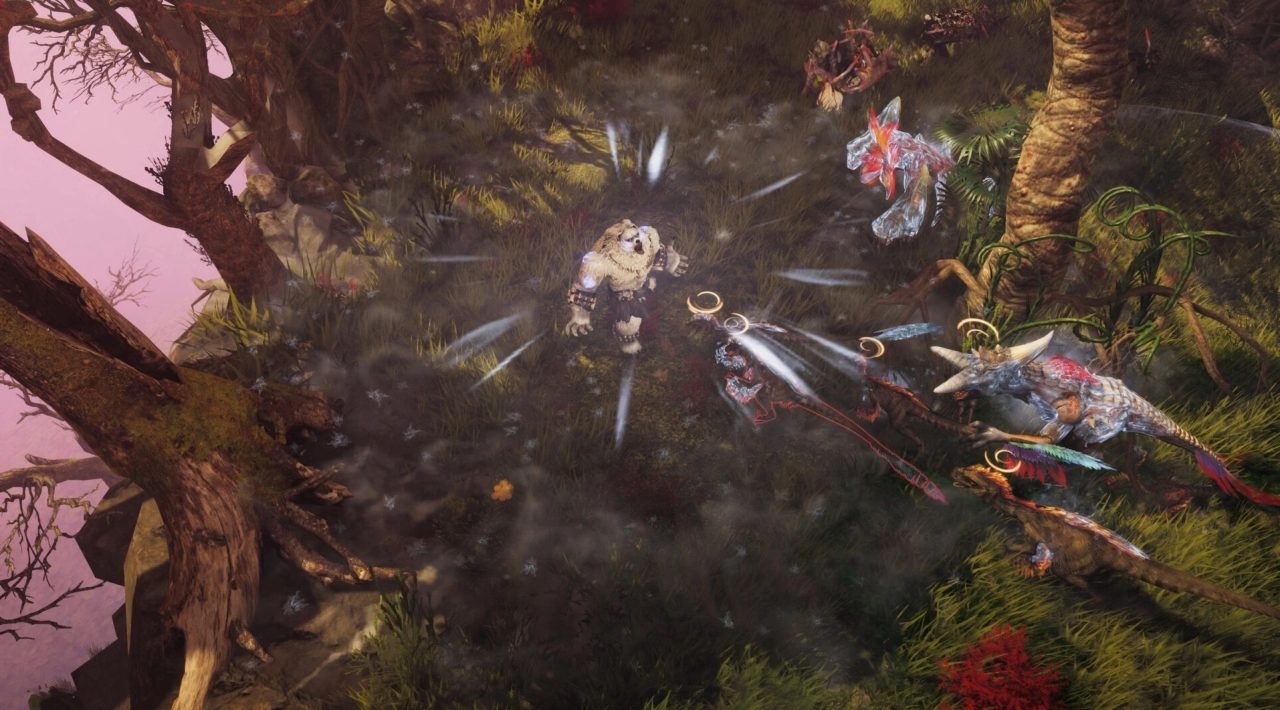
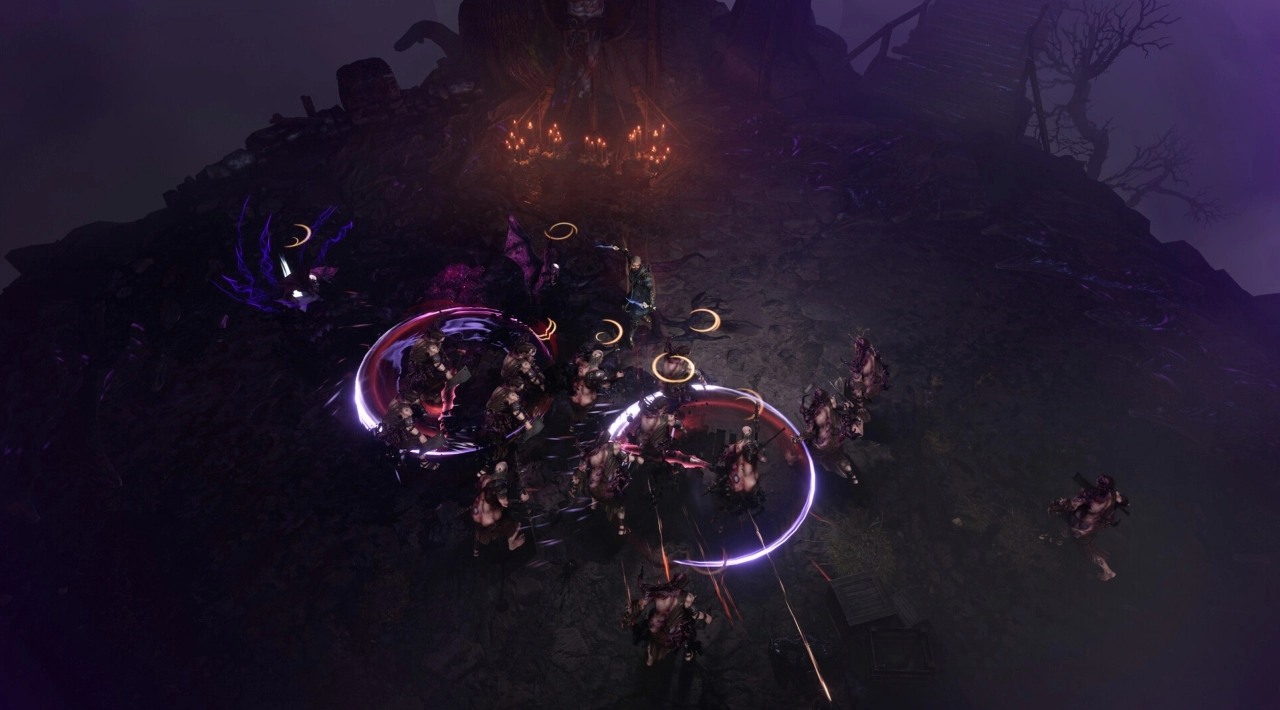
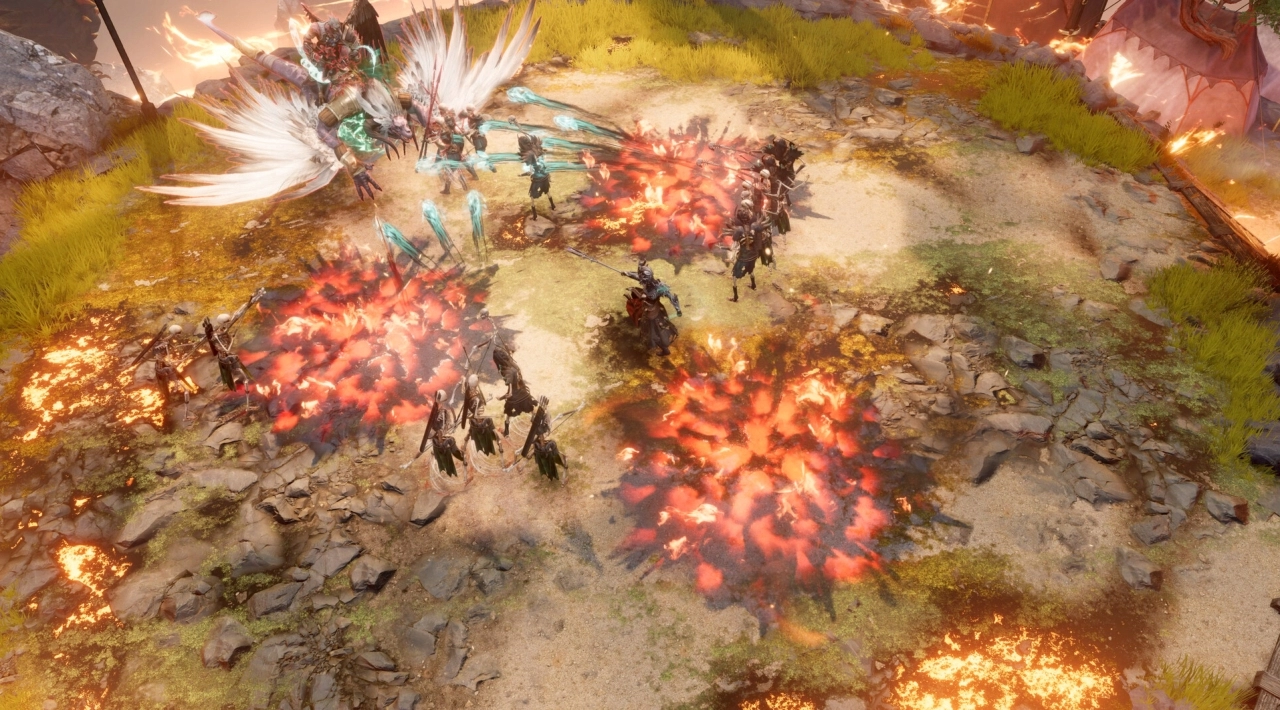
Combat takes place from an isometric top-down perspective. You move through Eterra, fight groups of enemies, collect equipment, complete quests, and travel between different eras of the world. The time-travel setting is more than a visual theme: changing timelines provides the structure for the campaign and connects ancient, ruined, and altered versions of the same world.
Last Epoch starts with one of five base classes: Acolyte, Mage, Primalist, Rogue, or Sentinel. Each class develops into one of three specialized Mastery Classes, creating a total of 15 distinct class paths. Choosing a Mastery shapes the character's identity while leaving room for hybrid gear, skill choices, and defensive planning.
The basic loop is familiar to ARPG players: enter a zone, defeat enemies, avoid dangerous attacks, gather loot, improve your equipment, and push into harder content. The difference is how much of the build is controlled through skill specialization instead of being decided only by random drops.
Players who enjoy the classic isometric dungeon crawling and class experimentation of dark-fantasy hack-and-slash RPGs such as Diablo II: Resurrected will recognize the foundation, but Last Epoch places more emphasis on build editing and item crafting.
Skills, passives, and build identity
More than 120 skills have their own specialization trees. These trees let you alter how an ability behaves rather than simply increasing its damage. A lightning spell can gain chaining properties, a minion can change its role, and a movement skill can become part of a damage or defense setup.
This skill specialization system is the central build-making tool. You normally select a limited group of active abilities, then invest points into each skill's tree to define its function. Respecializing is accessible enough to support experimentation, although changing a skill means rebuilding its specialization over time.
Character development also combines a class passive tree, Mastery progression, skill trees, equipment affixes, idols, and defensive layers. The result is a system that rewards understanding how mechanics interact. A strong build is not simply the one with the highest damage number; it must also manage health, protections, resistances, resource costs, mobility, and recovery.
The game is approachable for newcomers because its in-game explanations are unusually detailed for an ARPG. Veteran players still have plenty to analyze, especially when combining skill conversions, conditional bonuses, class passives, and unique item effects.
Crafting and item progression
Last Epoch's deterministic crafting is one of its clearest differences from more purely random loot systems. Items can be upgraded with specific affix shards and crafting materials, allowing you to target useful improvements instead of waiting for a perfect drop.
Crafting is limited by Forging Potential, so every item has a finite amount of modification capacity. Successful upgrades can improve a promising item, while failed attempts can consume more of its remaining potential. This creates meaningful decisions without making every improvement depend on an opaque recipe system.
Loot includes normal equipment, magic and rare items, exalted items, unique items, set items, and idols. Unique items can introduce build-defining effects, while exalted items provide powerful affixes that are valuable both as equipment and as crafting ingredients.
Endgame gear can be pushed further through Legendary Potential. In the Temporal Sanctum dungeon, the Eternity Cache can combine a qualifying unique item with an exalted item to create a Legendary item. The process transfers selected affixes, with the unique item's Legendary Potential determining how many can be added.
Campaign, Monoliths, and endgame activities
The campaign follows the struggle to protect Eterra from the Void while moving through different points in its history. Its structure mixes conventional questing with the unusual ability to explore alternate versions of places and events.
After the campaign, the main progression system is the Monolith of Fate. Each Timeline contains a network of Echoes with randomized layouts, enemies, modifiers, and rewards. You choose routes through the Echo web, build Timeline Stability, complete Quest Echoes, and eventually challenge the Timeline boss.
Defeating a Timeline boss can provide a choice of Blessings, permanent bonuses that influence character power or item hunting. Empowered Timelines add a more demanding version of this progression for players who want to raise Corruption and pursue stronger rewards.
Last Epoch also includes repeatable Dungeons with their own mechanics, bosses, keys, tiered difficulty, and specialized rewards. The Arena takes a different approach, sending players against endless waves of enemies while tracking performance through leaderboards.
The endgame is therefore more than a single map-like activity. Monoliths provide the main farming and progression loop, Dungeons offer targeted mechanics and unique rewards, and Arena runs focus on endurance and competitive scoring.
Factions, cycles, and play modes
Online characters can align with one of two Item Factions after reaching the appropriate point in the campaign. The Merchant's Guild supports player trading through the Bazaar, while the Circle of Fortune improves self-found item hunting through enhanced drops and Prophecies.
Faction choice changes how you pursue gear rather than simply adding a reputation track. Merchant's Guild characters work toward access to better trades, while Circle of Fortune characters gain tools for finding and targeting their own upgrades. You can change alignment, but faction restrictions still affect how certain items are obtained and equipped.
Characters can be created as Normal or Hardcore. A Hardcore character becomes Normal if it dies, while the two modes maintain separate stashes. Seasonal Cycle characters provide a fresh progression environment, while Legacy characters remain outside the active Cycle structure.
There are also Solo Self-Found-style challenges for players who want a more controlled progression experience. These options matter because Last Epoch supports both a trade-driven online economy and a self-directed loot hunt without forcing every player into the same relationship with other players.
PC features, multiplayer, and accessibility
Last Epoch supports full controller input across the game, alongside traditional mouse-and-keyboard controls. Controller play includes a radial menu, skill management, contextual item actions, and controller-oriented tooltips, although players who spend a lot of time sorting gear may still prefer a mouse.
Online play supports parties of up to four players. Online characters can complete the campaign and endgame content together, but online and offline characters are separate. An online character cannot be transferred into true Offline Mode, and an offline character cannot be moved into the online ecosystem.
The game also offers a genuine Offline Mode through Steam launch options. This is useful for players who want a standalone solo experience, but offline characters do not access online parties, online trading, or online leaderboards.
Steam lists a required third-party Last Epoch account that can be linked to a Steam account, plus Steam Cloud support for the storefront version. The listed interface languages are English, French, German, Korean, Polish, Brazilian Portuguese, Russian, Simplified Chinese, Spanish, and Japanese; English is the listed full-audio language.
Business model and editions
Last Epoch is a paid base game rather than a free-to-play download. The standard purchase includes the full game, while Deluxe and Ultimate editions add cosmetic items, Epoch Points, and soundtrack content.
The storefront currently lists eight cosmetic supporter packs across themed tiers. These packs contain cosmetics, pets, armor sets, portals, effects, titles, and Epoch Points rather than direct combat advantages.
The developer's stated model is zero pay-to-win. The paid extras are aimed at customization and support, while class progression, combat power, crafting, and endgame access are part of the game itself.
Who should play Last Epoch?
Last Epoch is a strong fit for players who want deep build customization without the extreme entry barrier of the most systems-heavy ARPGs. It suits solo players, theorycrafters, seasonal characters, loot hunters, and groups looking for structured online co-op.
It is especially appealing if you enjoy making your own gear, changing the behavior of individual abilities, and targeting specific rewards through endgame systems. The Circle of Fortune also gives self-found players a defined progression path instead of treating solo play as a weaker version of trading.
Players who prefer a tightly authored action game, a short campaign with a fixed ending, or fast competitive multiplayer should look elsewhere. Last Epoch is built around repetition, refinement, and gradual build improvement rather than a single completed run.
Similar games on PC
Last Epoch shares its basic combat language with Diablo-style action RPGs, but its closest identity comes from the combination of class specialization, crafting, and repeatable endgame farming.
Isometric co-op action RPGs such as Dragonkin: The Banished are a natural comparison for players who want fantasy combat, loot, class development, and multiplayer progression. Last Epoch is more focused on individual skill trees and item systems, while Dragonkin emphasizes hero abilities alongside its Ancestral Grid and city progression.
For a slower, more exploratory experience, players may prefer an ARPG with heavier world simulation and longer-form character planning. Last Epoch remains the better match for those who want the action to lead directly into build testing, crafting, and endgame farming.
Last Epoch FAQ
Has Last Epoch been renamed or rebranded?
No current rebrand was identified. The Steam storefront, official website, and publisher support pages continue to list the game as Last Epoch. Deluxe and Ultimate are editions of the same game, not replacement titles.
Is Last Epoch online-only on PC?
No. The PC version includes true Offline Mode. Offline characters are permanently separated from online characters, so they cannot use online co-op, online trading, or online leaderboards.
Can you play Last Epoch with friends?
Yes. Online co-op supports parties of up to four players, including the person who creates the party. Multiplayer characters must use the same online environment and cannot be mixed with Offline Mode characters.
Does Last Epoch support controllers?
Yes. Full controller support covers combat, menus, skill management, item interactions, and the game's radial interface. Mouse and keyboard remain useful for inventory management, but a controller can be used throughout the PC game.
Is Last Epoch pay-to-win?
No. The commercial model includes the paid base game, edition upgrades, Epoch Points, and cosmetic supporter packs. These extras do not provide direct gameplay advantages, and the developer describes the game as zero pay-to-win.
System Requirements
|
Minimum:
|
Recomended:
|
| Processor: Intel Core i5 2500 or AMD FX-4350 Graphics: nVidia GTX 1060 / AMD RX 580 with 6GB of VRAM Memory: 8 GB RAM Disk space: 22 GB available space Operating system: Windows 7 |
Processor: Intel Core i5 6500 or AMD Ryzen 3 1200 Graphics: nVidia GTX 3060 or AMD RX 6600-XT with 6GB+ GB of VRAM Memory: 16 GB RAM Disk space: 22 GB available space Operating system: Windows 10 |
Screenshots
Trailer/Gameplay
Last Epoch is an isometric PC action RPG about time travel, class mastery, skill-tree customization, deterministic crafting, and repeatable endgame loot hunts. Build one of 15 Mastery Classes, shape individual abilities, then farm Monoliths, Dungeons, and Arena challenges. It suits solo theorycrafters, seasonal players, and co-op groups who want deep progression without a free-to-play model.
Download
Last Epoch (2024), 16.00GB
ElAmigos release, game is already cracked after installation (crack by Codex/Rune).

Updated to version 1.5.0.0 (01.10.2026).

1. Extract files.
2. Burn or mount the image.
3. Install the game.
4. ElAmigos release, game is already cracked after installation.
5. Play the game. If you like this game, BUY IT!
Last Epoch Download
🔒 Premium access required
To see and use the download links, you must be logged in and have an active PREMIUM account.
* Unlock downloads via Torrent and TeraBox.
+ update 1.5.0.0 - 1.5.1.0 (02.10.2026) & crack (by Codex/Rune), 60MB
🔒 Premium access required
To see and use the download links, you must be logged in and have an active PREMIUM account.
* Unlock downloads via Torrent and TeraBox.
Torrent Download
The best torrent download speeds are with qBittorrent!