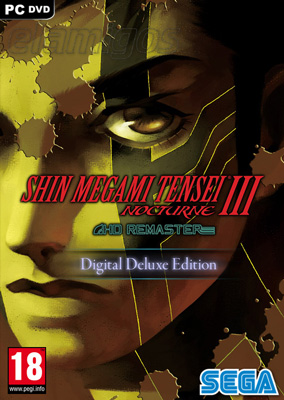
Shin Megami Tensei III Nocturne HD Remaster
- Category:
- Release date:
- Game Genre:RPG, TPP, Turn-based, Post-apocalypse, Remaster/remake, jRPG, Urban Fantasy, Singleplayer
- Developer:Atlus
- Release:ElAmigos
- Platform:PC
- Languages (subtitles):English, French, Italian, German, Spanish, Japanese, Korean, Traditional Chinese
- Dubbing/Audio:English, Japanese
- Crack:voices38/MrGoldberg
- Game size:6.69GB
Game Description
Shin Megami Tensei III Nocturne HD Remaster is a third-person, turn-based JRPG for PC built around demon recruitment, tactical weakness exploitation, and a post-apocalyptic Tokyo reshaped into the Vortex World. The current Steam listing still uses this exact name; there is no verified storefront rebrand replacing it with a definitive or newly renamed edition. Published by SEGA and developed by ATLUS, it is a single-player RPG for players who want demanding combat, unusual mythology, and multiple philosophical paths rather than a relationship simulator.
The remaster modernizes the presentation while preserving the deliberate structure and sharp difficulty of the original game. Its biggest appeal is not constant spectacle, but the way every battle, demon fusion, skill choice, and story decision contributes to a larger mastery loop.
Press Turn combat and the Vortex World
Nocturne uses the series-defining Press Turn system. Your party receives action icons at the start of a round, and accurate play can stretch those actions further. Striking an enemy weakness, landing a critical hit, or passing an action can preserve momentum, while missing, getting blocked, or using an attack the target absorbs can waste multiple opportunities.
The same rules apply to enemies, which makes defensive knowledge just as important as offensive planning. A party with uncovered elemental weaknesses can collapse quickly, especially when a boss gains extra actions or punishes careless buffs. This creates a combat rhythm based on scouting, preparation, and exploiting information rather than simply selecting the strongest attack.
Exploration takes place from a third-person perspective across ruined districts, labyrinthine facilities, and surreal supernatural spaces. The player navigates the Vortex World, searches for routes and treasure, negotiates with demons, and returns to safe locations to heal, fuse allies, and adjust the party for the next area.
There is no calendar-based school-life structure here. Players coming from calendar-driven turn-based JRPGs like Persona 5 Royal should expect a more focused loop of dungeon exploration, demon management, boss preparation, and story choices.
Demons, Magatama, and character builds
The Demi-fiend is not supported by a fixed party. Instead, you recruit demons through negotiation and build a flexible team around their skills, resistances, and inherited abilities. Demon fusion lets you combine allies into new forms, turning the Compendium and fusion interface into a central progression tool rather than an optional side feature.
Each demon brings a different balance of elemental attacks, physical abilities, healing, buffs, debuffs, and status effects. A high-level demon is not automatically the correct choice. A lower-level ally with the right resistance or support skill can be more valuable against a specific boss, while fusion can preserve useful abilities and cover gaps in the party.
The protagonist is customized through Magatama, parasitic essences that alter attributes, resistances, and the skills he can learn. Changing Magatama changes how the Demi-fiend approaches combat, so a physical build, magical build, or resistance-focused setup can feel substantially different over the course of a playthrough.
Skill selection matters because the Demi-fiend has limited room for learned abilities. Replacing an old skill can solve an immediate problem but may remove a useful option for later fights. This makes skill inheritance, party coverage, and long-term build planning important even when the game does not explain every consequence in detail.
Choices also influence the game’s ideological direction. Conversations and decisions contribute to Reason alignments, which shape important story outcomes and help determine which ending becomes available. The system is not a conventional morality meter; it presents competing visions for the future of a world with humanity nearly erased.
Modes, endings, and optional content
The main campaign supports multiple endings and optional challenges, so the real structure is closer to a mastery-driven dungeon RPG than a short linear adventure. Exploration, fusion experimentation, boss rematches, alignment decisions, and optional areas provide reasons to revisit the game with a different party philosophy.
The PC version also separates several additions into downloadable content. The base storefront package is accompanied by Merciful Difficulty, the Chronicle Pack, the Maniax Pack, a Shin Megami Tensei music pack, and the Mercy and Expectation Map Pack. The exact availability and inclusion of free content can vary by storefront region and edition, so buyers should check which entries are attached to the product they are purchasing.
Merciful Difficulty is designed for players who want to progress through the story with less pressure. It does not replace the normal tactical identity of Nocturne for players seeking the intended challenge, but it gives newcomers a way to focus on the setting, characters, and endings without treating every difficult encounter as a progression wall.
The free Chronicle Pack adds the Chronicle route featuring Raidou Kuzunoha in supported regions. The paid Maniax Pack provides an alternate New Game mode in which Dante from Devil May Cry replaces Raidou in the scenes where that guest character appears. These are not cosmetic character skins; they are edition-sensitive route options connected to the game’s expanded content structure.
The music and map packs are more limited additions. The BGM content changes selected field and battle themes, while the map content provides dedicated areas for earning experience and currency. Neither replaces the core demon-fusion and Press Turn loop.
Who should play Nocturne on PC?
Nocturne is a strong fit for players who enjoy hard turn-based combat, demon collection, party optimization, dark urban fantasy, and story decisions built around competing ideologies. It rewards players who study resistances, use buffs and debuffs, accept occasional setbacks, and treat fusion as part of the strategy rather than a menu to ignore.
It is less suitable for players expecting a large social system, romance routes, constant party banter, or a forgiving introduction. The narrative is atmospheric and symbolic, while the combat carries much of the game’s dramatic weight. Compared with character-focused supernatural JRPGs such as Persona 4 Golden, Nocturne spends far less time on everyday life and far more time on survival, ideology, and combat preparation.
The game’s difficulty is part of its identity, but it is not simply difficult for its own sake. The systems are designed to reward attention. Learning what an enemy resists, bringing the right Magatama, and building demons with complementary abilities can turn a dangerous encounter into a controlled exchange.
Players who prefer one permanent party may find the roster management demanding. Players who enjoy rebuilding a team for every region will find considerable depth in the combination of negotiation, fusion, inherited skills, and resistance coverage.
PC features, controls, and localization
On PC, the remaster is distributed through Steam and includes single-player support, Steam Achievements, Steam Cloud, Steam Trading Cards, and Family Sharing. The storefront also lists controller support, making a gamepad a natural option for players who prefer console-style navigation and menu control.
The PC edition uses Denuvo Anti-tamper as third-party DRM and requires agreement to a third-party EULA. It is not a multiplayer game, and there is no co-op, competitive mode, or split-screen component to plan around.
Voice audio is available in English and Japanese. Interface and subtitle support covers English, Japanese, Traditional Chinese, French, Italian, German, Spanish from Spain, and Korean. Audio and text availability are not identical across every language, so players should distinguish between full voice options and subtitle or interface localization.
The remaster’s notable upgrades are presentation and accessibility additions rather than a new gameplay engine. It includes remastered visuals, voiced scenes, suspend saving, additional difficulty options, and the expanded route content delivered through the Chronicle and Maniax options.
Shin Megami Tensei III Nocturne HD Remaster FAQ
Is Shin Megami Tensei III Nocturne HD Remaster the current PC name?
Yes. The current Steam product remains listed as Shin Megami Tensei III Nocturne HD Remaster. The PC storefront also offers a Digital Deluxe Edition, but that package does not replace the game with a newly branded title.
Is Nocturne HD Remaster a Persona-style game?
It shares demon-related systems and turn-based combat DNA with Persona, but it is not built around school life, Social Links, romance, or a daily calendar. Its core loop is dungeon exploration, Press Turn combat, demon negotiation, fusion, and philosophical story decisions.
Does the PC version include multiplayer or co-op?
No. Shin Megami Tensei III Nocturne HD Remaster is a single-player RPG. Steam features such as Cloud support and Family Sharing do not add online multiplayer, co-op, or local split-screen play.
What is the difference between Chronicle and Maniax?
Chronicle adds the Raidou Kuzunoha route where supported, while Maniax adds a New Game option that replaces Raidou with Dante from Devil May Cry. Both relate to the game’s expanded route structure, and the available DLC can depend on the region and storefront edition.
Does Nocturne HD Remaster have an easier mode?
Yes. The free Merciful difficulty is intended for players who want a more forgiving path through the story. Normal and Hard remain the better choices for players who want the full pressure of enemy weaknesses, resource management, and boss preparation.
How does progression work without a traditional equipment system?
The Demi-fiend’s main build decisions come from Magatama, while demons are recruited, fused, and customized through inherited skills. Progression is therefore centered on resistances, learned abilities, fusion results, and party composition rather than a conventional gear ladder.
System Requirements
Minimum: | Recommended: |
| Processor: Intel Core 2 Duo E8400 / AMD Phenom II X2 545 Graphics: NVIDIA GeForce GTS 450 1 GB / AMD Radeon HD 5750 1 GB / Intel HD Graphics 530 Memory: 4 GB RAM Disk space: 14 GB available space Operating system: Windows 8.1 (64-bit) | Processor: Intel Core i3-550 / AMD Phenom II X2 560 Graphics: NVIDIA GeForce GTS 450 1 GB / AMD Radeon HD 5770 1 GB Memory: 4 GB RAM Disk space: 14 GB available space Operating system: Windows 10 (64-bit) |
Screenshots
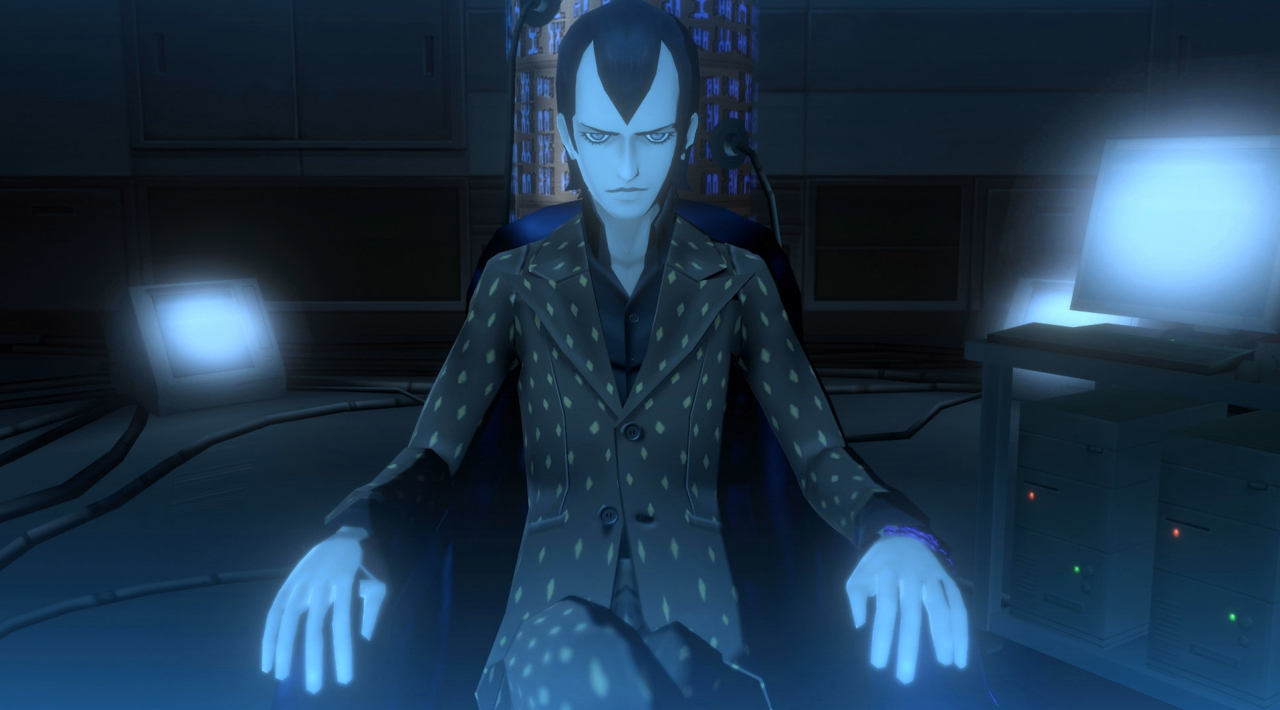
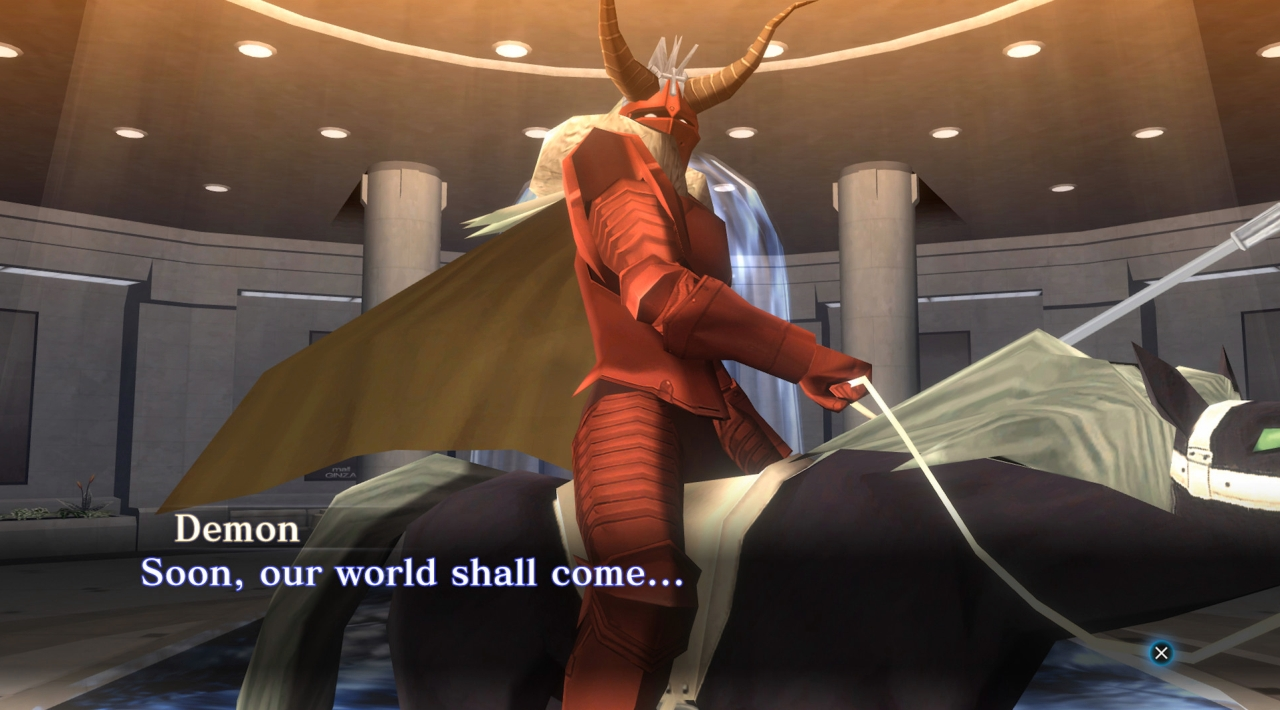
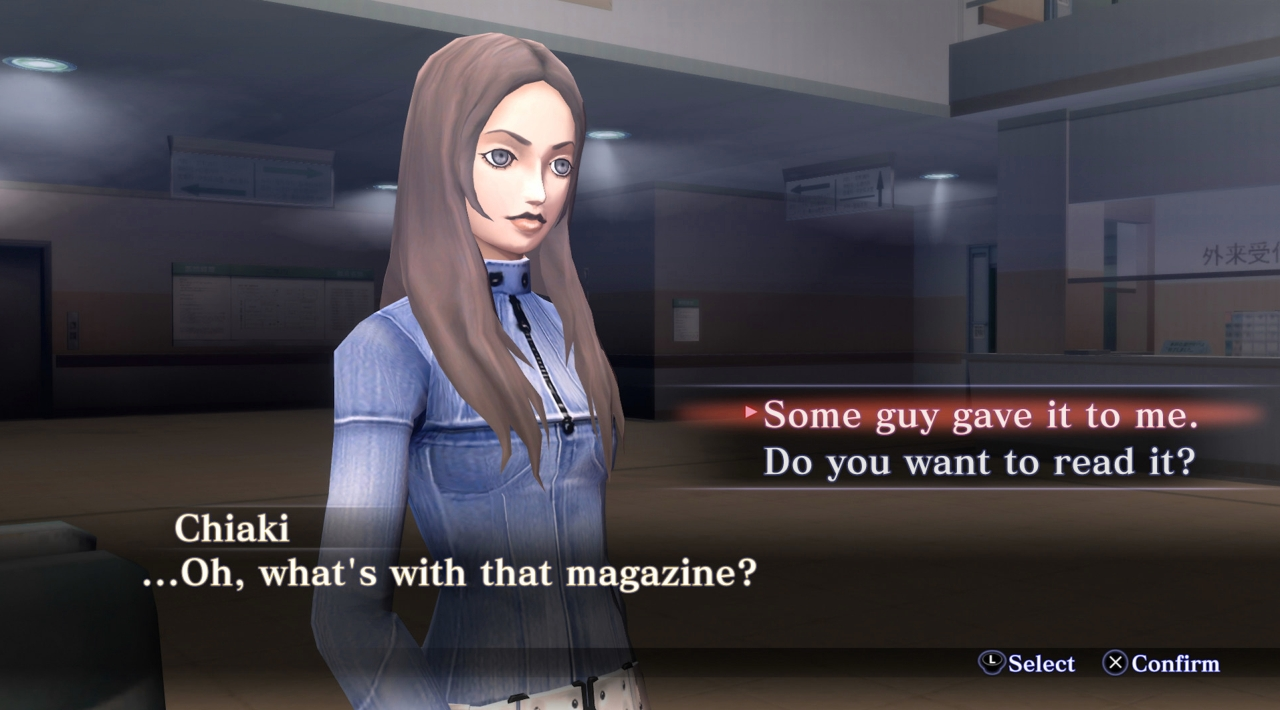
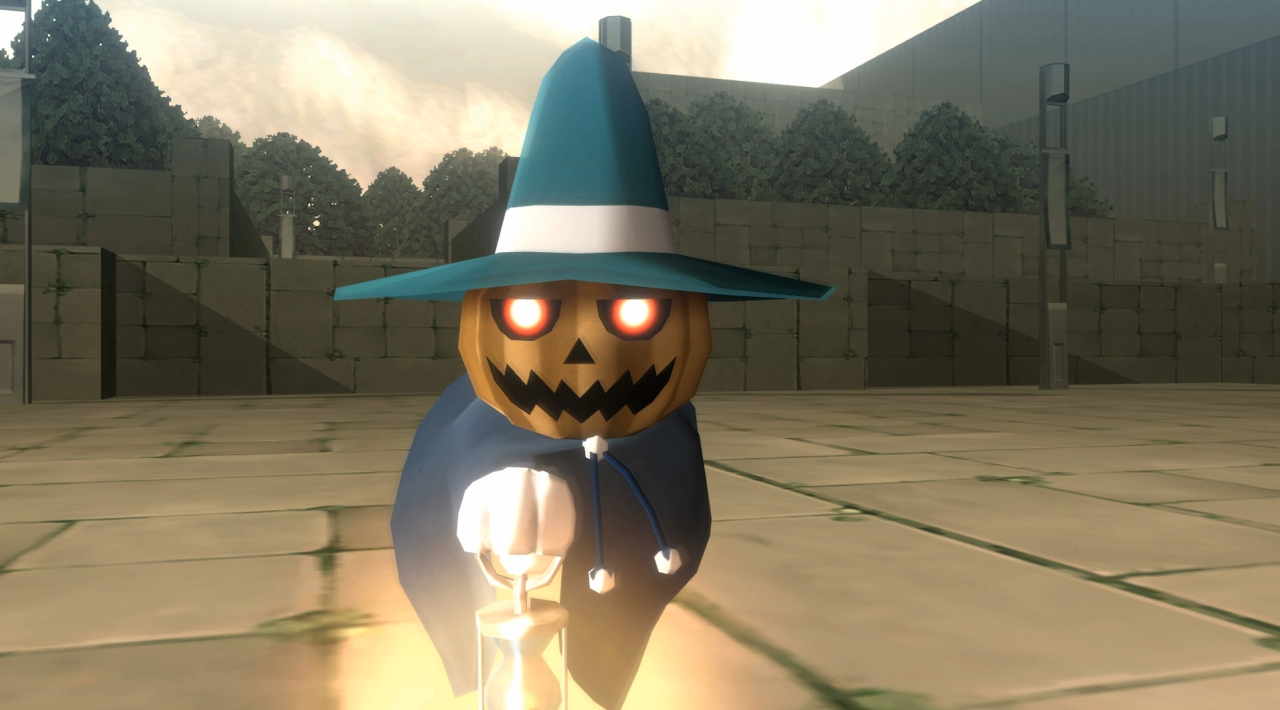
Trailer/Gameplay
Download
Shin Megami Tensei III Nocturne HD Remaster Deluxe Edition (2021), 6.69GB
ElAmigos release, game is already cracked after installation (crack by voices38/MrGoldberg).

Updated to version 1.0.4 (04.11.2025);
5 DLC are included.

1. Extract files.
2. Burn or mount the image.
3. Install the game.
4. ElAmigos release, game is already cracked after installation.
5. Play the game. If you like this game, BUY IT!
Shin Megami Tensei III Nocturne HD Remaster Deluxe Edition Download
🔒 Premium access required
To see and use the download links, you must be logged in and have an active PREMIUM account.
* Unlock downloads via Torrent and TeraBox.
Torrent Download
The best torrent download speeds are with qBittorrent!