Paper Cut Mansion
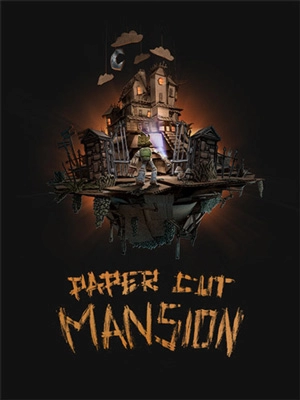
- Category:
- Release date:
- Game Genre:Action, roguelike, RPG elements, indie games, action adventure
- Developer:Space Lizard Studio, Publisher: Thunderful Publishing
- Release:FitGirl
- Platform:PC
- Languages (subtitles):English, French, Italian, German, Simplified Chinese
- Dubbing/Audio:English
- Crack:FAiRLiGHT
- Game size:0.57GB
Game Description
Paper Cut Mansion is a PC roguelite horror adventure with puzzle-solving, top-down combat, procedural mansion floors, and a distinctly handmade cardboard world. The game remains listed under the same name on Steam, with no verified rebrand or replacement edition identified. You play as Toby, a police detective investigating a strange mansion while collecting evidence, completing quests, and trying to survive its shifting realities.
The strongest reason to look beyond the usual roguelite description is the way Paper Cut Mansion combines several different activities inside one run. Exploration, combat, environmental riddles, character requests, equipment choices, and story decisions all compete for your attention. It is less about building one perfect character and more about learning how the mansion behaves from attempt to attempt.
A roguelite built around investigation
Each run takes Toby through the mansion floor by floor. The layouts are procedurally generated, so room placement, clues, enemies, loot, and objectives can change between attempts. The central goal is to open the route forward while finding enough useful information to understand what happened inside the house.
Death resets the current run, making permadeath part of the structure rather than a side option. However, failure is also a source of progress. You learn how enemies move, where puzzles tend to hide their clues, which equipment combinations fit your approach, and how the mansion's dimensions influence one another.
Toby can be shaped toward different combat preferences. Equipment and unlockable abilities let you emphasize close-range attacks, ranged weapons, or a more careful approach built around positioning and traps. The game does not reduce every decision to damage upgrades; the purpose of a run is also to gather evidence, solve requests, and preserve enough resources to reach the next floor.
Players looking for a pure shooting roguelite should note the difference. Paper Cut Mansion includes combat, but its identity comes from the friction between fighting, searching, and investigating. The mansion constantly asks whether a room should be cleared immediately, searched for a clue, revisited through another dimension, or left behind before danger escalates.
Three dimensions, three types of pressure
The mansion is divided into connected dimensions that change how its rooms function. The Neo Cortex dimension focuses on logical puzzles and investigation. The Reptilian Complex is the combat-heavy space, where monsters and hostile encounters create the most direct pressure.
The Limbic System adds a survival layer. Its cold environment forces Toby to stay near heat sources while searching for hidden items and clues. That makes movement itself part of the challenge: exploration is no longer simply a matter of checking every room, because time, positioning, and environmental danger can determine whether a search is worthwhile.
Portals let you move between these versions of the mansion. A puzzle solution in one dimension may help you progress elsewhere, while an item or objective can require careful movement between realities. This dimension-hopping structure is the game's clearest mechanical distinction from more conventional top-down roguelites.
Enemy behavior also contributes to the uncertainty. Different enemy types use their own patterns and unexpected behaviors, so memorizing one universal response is not enough. Reading the room, keeping escape routes open, and choosing when to fight are more reliable than treating every encounter as a damage race.
Evidence, quests, and multiple endings
Toby's investigation is tracked through an Evidence Board. Each run can reveal another piece of the larger mystery, giving failed attempts a narrative purpose even when the immediate objective is lost. The board helps connect the mansion's characters, locations, and strange events without turning the game into a conventional linear detective story.
NPCs can assign quests that send you searching for objects, defeating particular enemies, or completing specific tasks. These requests are important because they can provide run-based benefits while also revealing more about the mansion's inhabitants. The result is a loop where optional objectives are often worth pursuing, but can also expose Toby to additional risk.
Decisions made during a run influence the story's outcome. The storefront description identifies 27 possible endings, so the narrative is designed for repeat investigation rather than a single straight route. Reaching every conclusion requires more than simply getting farther; it means experimenting with choices, quests, evidence, and the systems hidden inside each dimension.
Short musical interludes appear between levels and advance the story. They break up the action and reinforce the game's theatrical cardboard presentation, while also giving the investigation a clearer sense of progression than a purely score-based roguelite.
Art direction and atmosphere
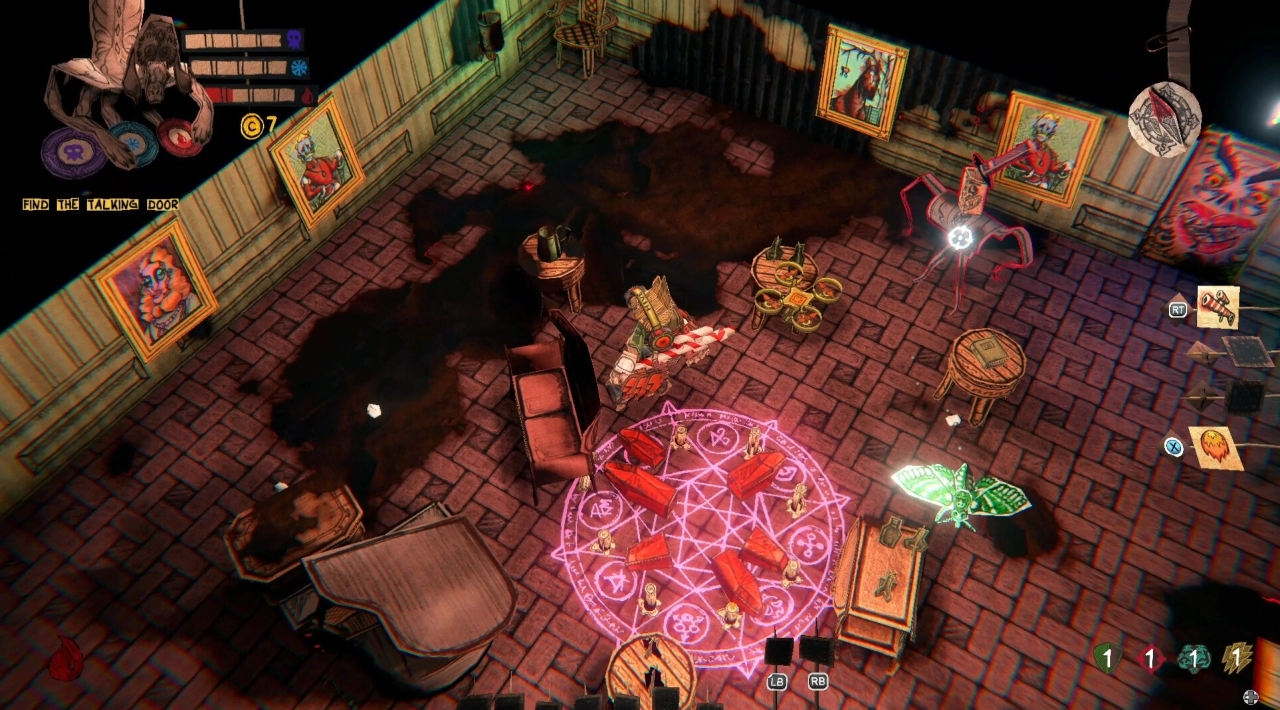
Everything in the mansion follows the papercraft concept. Characters, furniture, rooms, and enemies are presented as folded or cut cardboard models, giving the game a handcrafted visual identity without relying on conventional realistic horror.
The tone sits between mystery, dark fantasy, and stylized horror. The presentation can look whimsical from a distance, but the survival systems and hostile inhabitants give the mansion a threatening edge. This contrast is central to the experience: the setting is visually playful while the run structure keeps asking you to make costly decisions.
The visual style is also useful for players who want horror without a relentlessly grim presentation. Paper Cut Mansion is strange and unsettling rather than focused on graphic violence. Its strongest atmosphere comes from the combination of empty rooms, unusual characters, environmental hazards, and the question of what each piece of furniture may conceal.
Content model and PC edition
The verified PC listing presents Paper Cut Mansion as a standalone paid game from Space Lizard Studio, published by Thunderful Publishing. No verified renamed edition, season pass, or named gameplay DLC was identified in the current storefront information.
A demo is listed alongside the main PC version, giving players a way to test the exploration, puzzle, and combat mix before committing to the full game. The core content is built around repeated runs, unlockable abilities, equipment customization, quests, evidence collection, and the different possible story outcomes.
Steam lists the game as single-player. The verified feature list includes Steam Cloud, Steam Achievements, and Family Sharing. It does not present a co-op mode, split-screen mode, or conventional online multiplayer feature.
Interface and subtitle support are listed for English, French, Italian, German, and Simplified Chinese. English is the only language listed with full audio. That distinction matters for players comparing localization options, because translated text is available more widely than dubbed dialogue.
Who should play Paper Cut Mansion?
Paper Cut Mansion is a good fit for players who enjoy procedural exploration, unusual horror settings, and games where a failed attempt teaches you how the world works. It suits players who want a mystery to piece together alongside combat, rather than a combat system surrounded by a thin story.
It is also aimed at players comfortable with repetition. The mansion changes between runs, but the overall structure remains recognizable: explore, solve, fight, complete requests, collect evidence, and push toward the next floor. If repeating objectives or revisiting similar puzzle ideas is frustrating, the roguelite framework may feel more like friction than progression.
Players searching for co-op, a long conventional campaign, or a competitive score-attack shooter should look elsewhere. The game is deliberately focused on solo investigation, run-to-run learning, and narrative experimentation.
Comparable PC games
For players who want faster top-down shooting and a stronger bullet-hell emphasis, procedural twin-stick roguelites such as Enter the Gungeon offer a useful contrast. Enter the Gungeon is more focused on weapon variety, dodge timing, and combat mastery, while Paper Cut Mansion gives puzzles, quests, and investigation a larger role.
Those who prefer a slower dungeon-crawling loop with permanent upgrades may also enjoy top-down exploration roguelites like UnderMine. The comparison is mechanical rather than thematic: both games use shifting runs, resource gathering, combat, and repeated attempts, but Paper Cut Mansion replaces mining and treasure hunting with mansion mysteries and dimension-based objectives.
Paper Cut Mansion is the more puzzle-oriented option of the group. Its strongest appeal is not a huge arsenal or elaborate character-class system, but the unusual decision-making created by several different versions of the same haunted location.
Paper Cut Mansion FAQ
Is Paper Cut Mansion still the current PC name?
Yes. The current Steam listing uses Paper Cut Mansion, and no verified rebrand or replacement storefront edition was identified.
What type of game is Paper Cut Mansion?
It is a single-player roguelite horror adventure combining procedural exploration, top-down combat, logical puzzles, quests, evidence collection, and multiple story outcomes.
Does Paper Cut Mansion have co-op or multiplayer?
No verified co-op, split-screen, or online multiplayer mode is listed. The PC version is presented as a single-player game.
How does progression work between runs?
Each run resets when Toby dies, but players retain knowledge of the mansion's systems and can unlock new abilities, equipment, and evidence that support later attempts. The long-term objective is both mechanical mastery and uncovering the story.
How many endings does Paper Cut Mansion have?
The official game description identifies 27 possible endings. Reaching different outcomes depends on the decisions, quests, evidence, and performance accumulated across the investigation.
What languages are supported on PC?
English, French, Italian, German, and Simplified Chinese are supported for interface and subtitles. English is listed for full audio.
System Requirements
Minimum: |
Processor: Core i5 2.8GHz Graphics: Intel(R) HD Graphics 630 Memory: 8 GB RAM Disk space: 5 GB available space Operating system: Windows 10 |
Screenshots
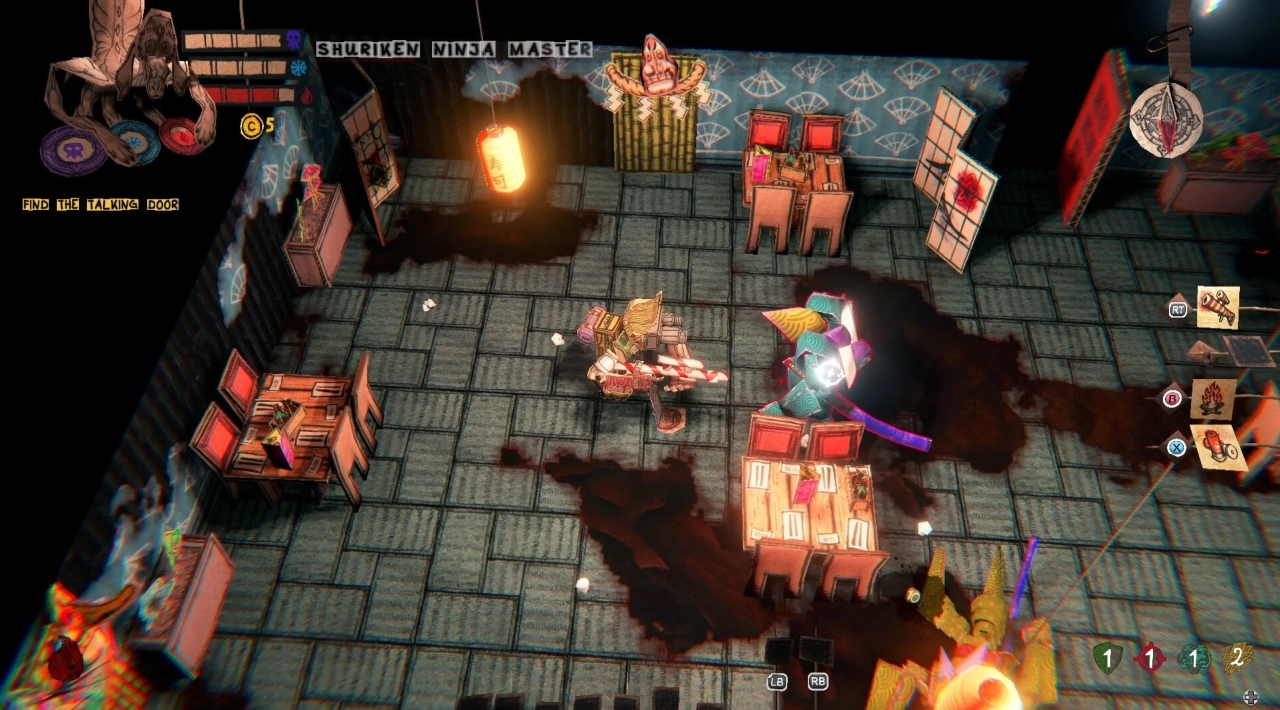
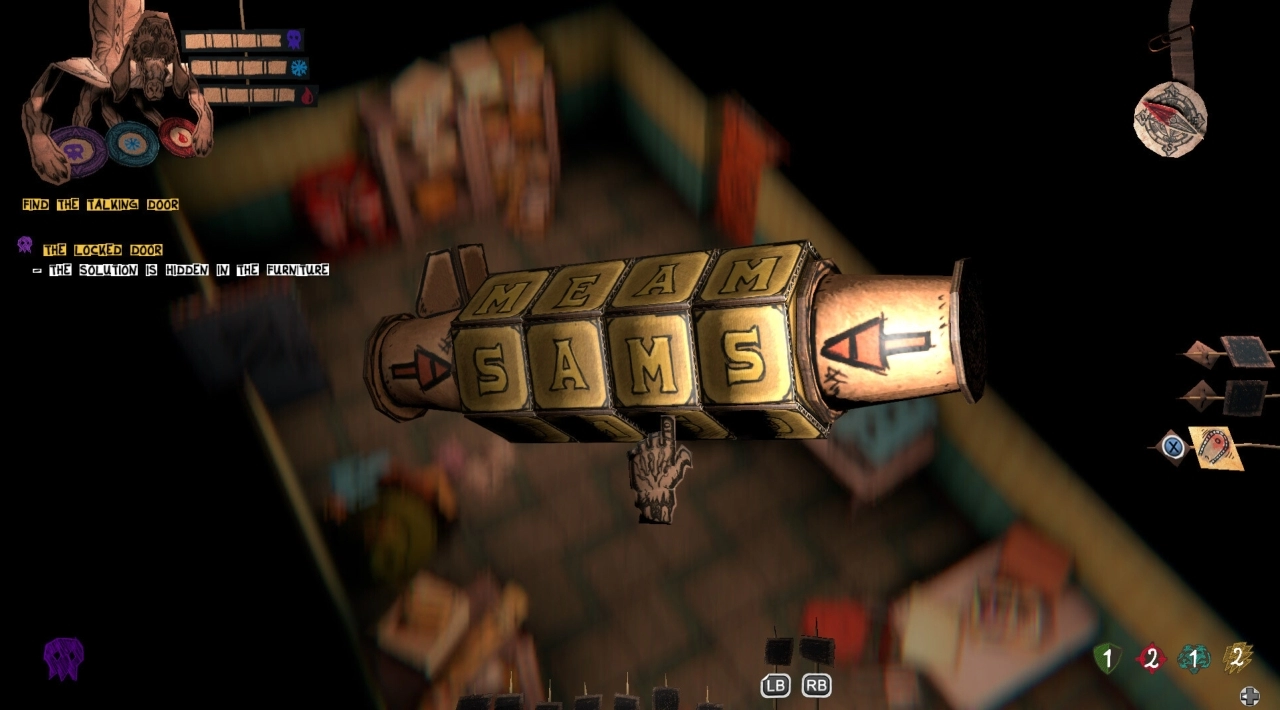
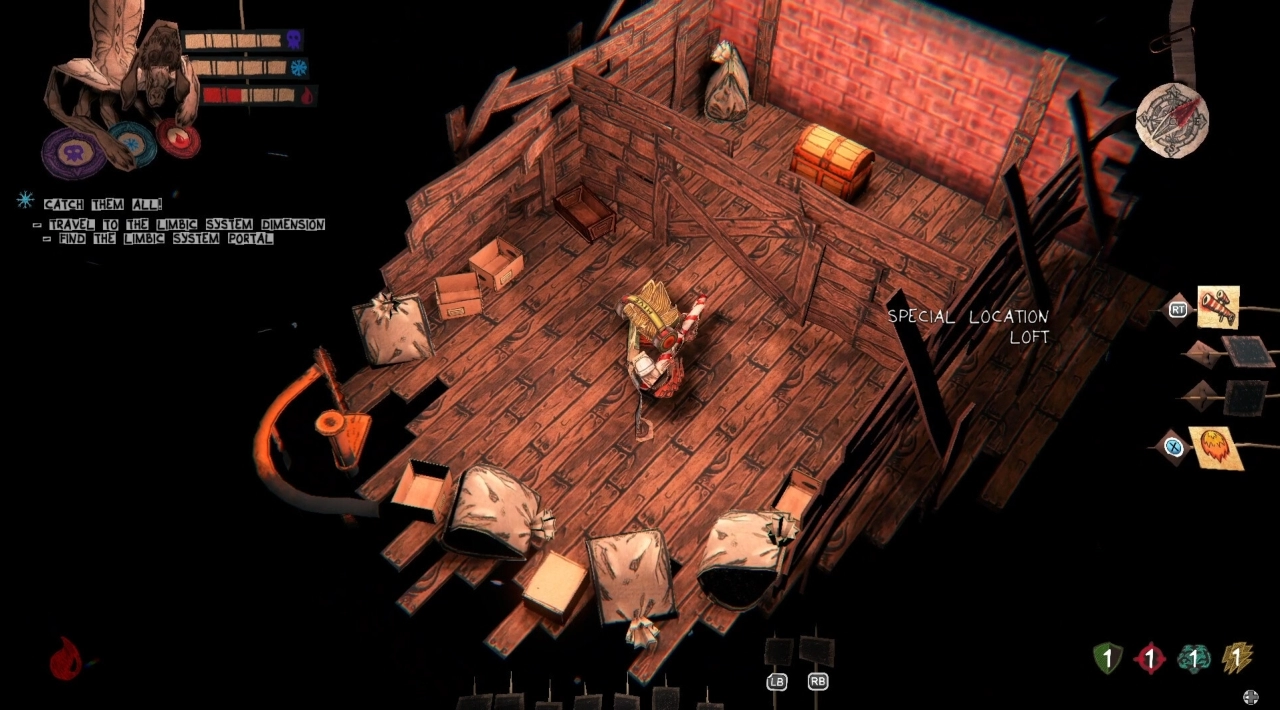
Trailer/Gameplay
Download
Paper Cut Mansion (2022), 0.57GB

Version: v1.3/Build 9853523
Languages: ENG/MULTI5
Original Size: 3.3 GB
Repack Size: 573 MB

1. Extract files.
2. Install the game.
3. Play the game. If you like this game, BUY IT!
Paper Cut Mansion Download
🔒 Premium access required
To see and use the download links, you must be logged in and have an active PREMIUM account.
* Unlock downloads via Torrent and TeraBox.
- Based on Steam BuildID 9853523 release: 3.3 GB, thanks to Haoose!
- Game version: v1.3
- FAiRLiGHT crack/emu applied over, thanks to Communistgator!
- 100% Lossless & MD5 Perfect: all files are identical to originals after installation
- NOTHING ripped, NOTHING re-encoded
- Significantly smaller archive size (compressed from 3.3 GB to 573 MB)
- Installation takes one minute
- After-install integrity check so you could make sure that everything installed properly
- HDD space after installation: 3.3 GB
- Language can be changed in game settings
- At least 2 GB of free RAM (inc. virtual) required for installing this repack
Torrent Download
The best torrent download speeds are with qBittorrent!