Might and Magic X Legacy
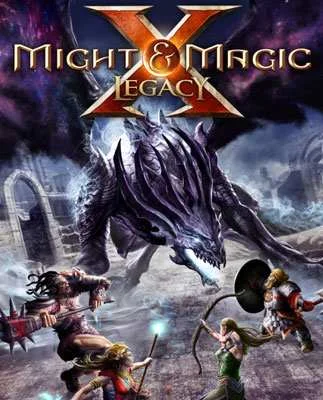
- Category:
- Release date:
- Game Genre:RPG, FPP, fantasy, turn-based, dungeon-crawler, classic RPG
- Developer:Limbic Entertainment Publisher: Ubisoft
- Release:ElAmigos
- Platform:PC
- Languages (subtitles):English, French, Italian, German, Spanish, Polish, Czech, Hungarian, Russian, Portuguese (Brazil), Chinese, Japanese, Korean, Romanian
- Dubbing/Audio:English
- Crack:Reloaded
- Game size:3.56GB
Game Description
Might & Magic X - Legacy on PC is a first-person, grid-based fantasy RPG built around a four-person adventuring party, turn-based combat, character development, and dungeon exploration. The current Steam listing retains the official name “Might & Magic X - Legacy”; no verified rebrand to a different current edition was found. It remains a single-player game, and the storefront still lists a legacy Uplay third-party account requirement.
A first-person RPG with deliberate movement
Might & Magic X - Legacy returns to the classic first-person party RPG format rather than using the real-time action systems associated with many modern fantasy games. You view the world through the eyes of your party, move across a square grid, inspect locations, interact with objects, and choose when to commit to dangerous encounters.
Movement is not merely visual. Each step advances the game world, so positioning, retreat routes, and the order in which you approach enemies matter. Outdoor areas provide a sense of open exploration, while towns, ruins, caves, and crypts turn the grid into a tighter tactical space where ambushes and environmental hazards can punish careless decisions.
Combat is turn-based, but it is not a separate tactical battle screen. Enemies and the party occupy the same first-person environment, creating a steady rhythm of exploration, confrontation, spell selection, equipment management, and recovery. The strongest encounters reward preparation more than reflexes.
Party building and class progression
The game lets you create a party of four adventurers from 12 playable classes and four races. Each character develops through attributes, equipment, spells, and a broad collection of skills. The important decision is not simply which class looks strongest, but how the group covers combat roles, magical schools, healing, utility, and resistance management.
Characters can specialize in different skill families, allowing a martial hero to focus on weapon expertise while another party member develops elemental magic, support abilities, or defensive techniques. Skill investment is consequential because the party cannot master everything at once. Poorly distributed points can leave the group unprepared for enemies that demand a particular damage type or defensive answer.
Class advancement also includes promotion quests. These quests provide a stronger sense of identity than a simple level-up screen because an advanced class is tied to an in-world challenge. Choosing when to pursue those objectives becomes part of the wider party-building loop.
Enemy knowledge matters as well. The game includes a bestiary that records information about encountered creatures, helping you recognize patterns in their statistics, immunities, vulnerabilities, and preferred attacks. That information turns repeated battles into practical research rather than pure repetition.
Exploration, quests, and combat pressure
The story places the party in and around Karthal, a city affected by political conflict and competing factions. The setting belongs to Ubisoft’s Ashan continuity, but prior knowledge of the wider Might & Magic universe is not required to understand the central journey.
The structure combines an open-world map with gated routes, quest objectives, hirelings, monuments, shops, and multiple settlements. The game advertises three towns and one major city, alongside more than 20 dungeons. Exploration therefore alternates between broad travel and concentrated spaces where every corridor can become a resource drain.
Quests are generally tied to local characters, faction disputes, dungeon objectives, or the party’s progression through the Agyn Peninsula. The writing is functional rather than the primary attraction. The stronger hook is the way quests direct you into areas with distinct enemy groups, locked paths, puzzles, and combat requirements.
Combat pressure is persistent. Healing, spell points, consumables, equipment durability, and elemental defenses all affect whether the party can continue pushing forward. A battle that looks manageable can become expensive if you enter it with depleted resources or without the right magical response.
Players who enjoy older role-playing structures but prefer real-time faction pressure may find a useful contrast in classic open-world fantasy RPGs such as Gothic. The two games approach combat differently, but both expect players to learn local danger, choose routes carefully, and accept that the world will not always scale itself to the party.
Content model and additional adventures
The standard game presents a four-act solo campaign, party development across multiple classes, three towns, one city, more than 20 dungeons, and a bestiary containing over 60 creatures and six unique bosses. This is a structured campaign with a clear main path, not an endlessly generated role-playing sandbox.
The Steam listing also identifies a Digital Deluxe Edition. Its listed extras include Might & Magic VI, the Dream Shard dungeon, The Falcon and the Unicorn content, and the digital soundtrack. Because the storefront’s legacy online-service notice affects online features, buyers should distinguish between the core offline campaign and older account-linked extras.
The Falcon and the Unicorn is the notable additional story content associated with the game. It adds a separate quest-driven area and further encounters for established parties rather than changing the basic ruleset or turning the game into a multiplayer product.
There is also a modding kit designed for custom maps and modifications. That toolset gives the PC version a longer tail than the campaign alone suggests, particularly for players interested in community-made scenarios and experimenting with the game’s Unity-based content structure.
PC features and practical platform details
The current Steam entry lists single-player support, Steam achievements, Family Sharing, and a third-party Uplay account requirement. It also states that online features are no longer available for the product. The core campaign is therefore best understood as an offline solo RPG rather than a connected service.
Native controller support is not advertised in the current storefront feature list, and the game is generally built around keyboard-and-mouse input. Players choosing a living-room setup should treat controller play as a remapping project rather than an officially supported console-style experience.
Localization is broader than the audio offering. The interface and subtitles are listed for English, German, French, Italian, Spanish, Russian, Polish, Hungarian, Czech, Brazilian Portuguese, Romanian, Japanese, Simplified Chinese, and Korean. English is the only language listed with full audio.
The PC version’s most distinctive feature is not a display mode or competitive tool. It is the combination of custom map creation, community mod support, a traditional party RPG ruleset, and an interface designed around deliberate keyboard-and-mouse control.
Who should play Might & Magic X - Legacy?
This is a good fit for players who want a classic first-person dungeon crawler with a full party, meaningful skill allocation, dense enemy encounters, and a campaign that expects preparation. Fans of old-school CRPGs will likely appreciate the emphasis on route planning, resistance checks, equipment choices, and learning through failure.
It is less suitable for players looking for cinematic storytelling, fluid real-time exploration, co-op adventuring, or a forgiving build system. The grid movement can feel restrictive if you expect unrestricted first-person navigation, while the combat system can be unforgiving when party roles and skill investments do not complement one another.
The game also rewards players who enjoy keeping notes or consulting the information they have gathered. Quest directions, enemy weaknesses, locked areas, and class objectives are part of the intended challenge, not background details that can always be solved by following a waypoint.
Similar PC role-playing experiences
The closest comparisons are older first-person or party-based RPGs rather than modern action RPGs. Grid movement, simultaneous party management, turn-based encounters, class specialization, and dungeon sequencing define the experience more strongly than its fantasy setting alone.
Players seeking a different perspective but a similarly demanding fantasy RPG structure can also consider exploration-heavy role-playing games like ELEX 2. It uses real-time combat and a much more open presentation, so the comparison is about player-directed exploration and build choices rather than identical mechanics.
For a more direct turn-based contrast, tactical fantasy RPGs such as Inkbound offer ability combinations and deliberate decision-making, although its run-based structure and co-op focus make it a very different type of PC RPG.
Might & Magic X - Legacy FAQ
What is the current official name of the game?
The current Steam listing uses Might & Magic X - Legacy, with an ampersand and a hyphen. “Might and Magic X Legacy” remains a common search variation, but no verified rebrand to another official title was found.
Is Might & Magic X - Legacy multiplayer or co-op?
No. The game is presented as a single-player party RPG. You control the entire group of four adventurers, and there is no listed co-op, competitive multiplayer, or split-screen mode.
What does the party system include?
You build a four-person party from 12 classes and four races, then develop characters through skills, spells, equipment, and class promotion quests. The key loop is balancing damage, defense, healing, magical coverage, and utility across the full group.
Does the PC version support mods?
Yes. The game includes a modding kit for creating custom maps and modifications. That is one of the strongest reasons to choose the PC version over treating the campaign as a single completed playthrough.
Which languages are supported?
The storefront lists 14 interface and subtitle languages. English is the only listed option with full audio; the other supported languages provide interface and subtitle localization.
Does the game require an online connection?
The current Steam listing identifies a legacy Uplay third-party account requirement and states that online features are unavailable. The safest expectation is a solo campaign with older account-linked services no longer forming part of the active gameplay experience.
System Requirements
Minimum: |
Processor: Quad Core i5 2.4 GHz Graphics: 1 GB VRAM Memory: 6 GB RAM Disk space: 4 GB HDD Operating system: Windows Vista (SP2)/7(SP1)/8 |
Screenshots
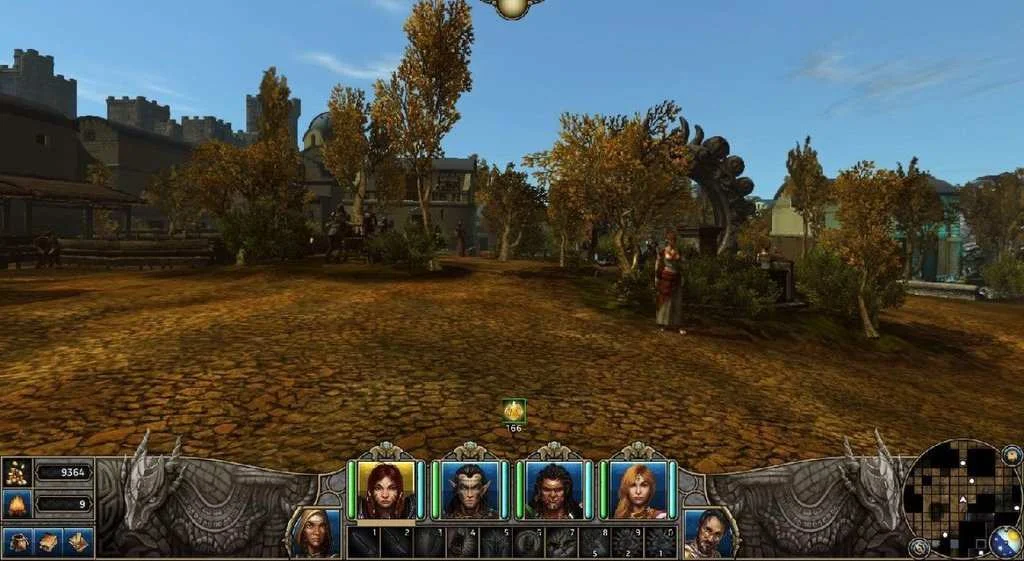
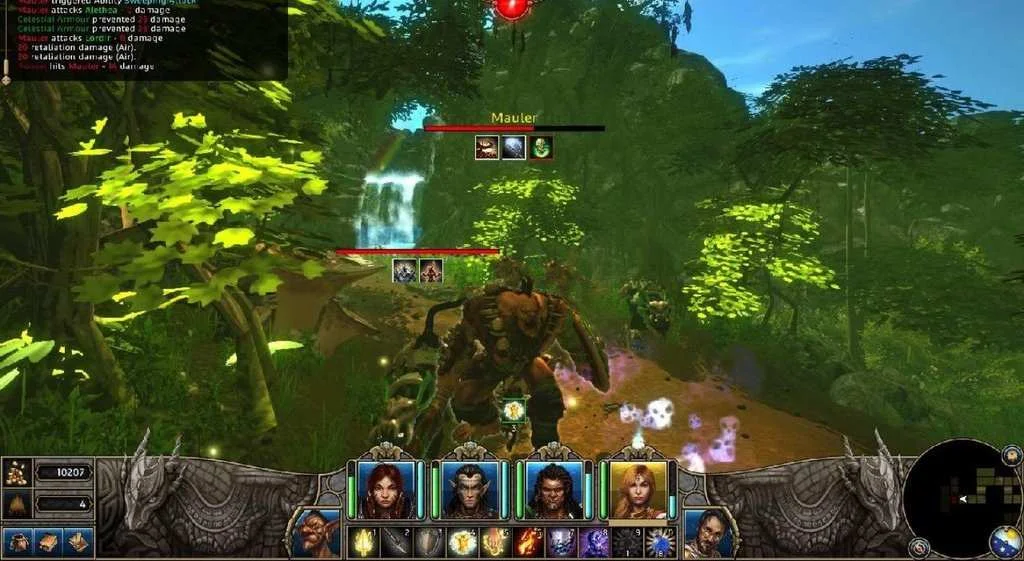
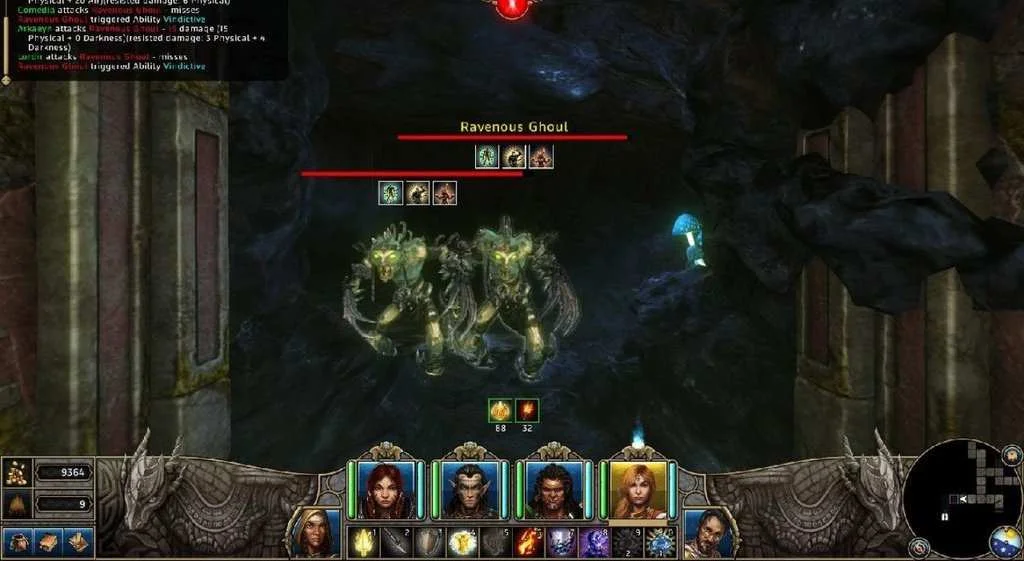

Trailer/Gameplay
Download
Might and Magic X Legacy (2014), 3.56GB
ElAmigos release, game is already cracked after installation (crack by Reloaded).

Updated to version 1.5 (27.03.2014)

1. Extract files.
2. Burn or mount the image.
3. Install the game.
4. ElAmigos release, game is already cracked after installation.
5. Play the game. If you like this game, BUY IT!
Might & Magic X: Legacy Download
🔒 Premium access required
To see and use the download links, you must be logged in and have an active PREMIUM account.
* Unlock downloads via Torrent and TeraBox.
DLC: The Falcon and The Unicorn.
Torrent Download
The best torrent download speeds are with qBittorrent!