Vikings: Wolves of Midgard
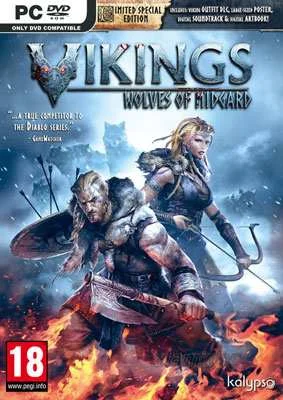
- Category:
- Release date:
- Game Genre:RPG, hack'and'slash, Isometric view, Norse mythology, co-op, the Vikings, action RPG
- Developer:Games Farm Publisher: Kalypso Media
- Release:ElAmigos
- Platform:PC
- Languages (subtitles):English, French, Italian, German, Spanish, Polish, Russian, Chinese Simplified, Chinese Traditional
- Dubbing/Audio:English, German
- Crack:Codex
- Game size:2.89GB
Game Description
Vikings: Wolves of Midgard is an isometric PC action RPG built around Norse mythology, fast hack-and-slash combat, character specialization, and equipment-driven progression. The current Steam storefront styles the title as Vikings - Wolves of Midgard; this is a punctuation variation rather than a verified rebrand or renamed edition. Games Farm developed the game, while Kalypso Media Digital published it.
You lead the Ulfung clan after its home is destroyed, fighting through a fantasy version of Midgard as the Jotan, fire giants, frost giants, undead, and other forces threaten the Norse realms. The structure is closer to a focused loot-based campaign than an open-world RPG, with story missions, optional hunts, repeatable challenges, and character mastery carrying the experience.
Isometric combat with weapon-based builds
Combat takes place from an isometric perspective, using direct movement, attacks, dodges, weapon abilities, and defensive timing rather than turn-based commands. The rhythm is straightforward at first: enter a combat space, identify dangerous targets, manage crowds, collect rewards, and spend resources to strengthen your Viking.
Your character is not locked into a traditional class selection screen. Instead, progression is organized around weapon styles connected to the Norse gods. Thor favors hammer abilities, Odin represents the staff, Tyr governs sword-and-shield techniques, Loki supports dual blades, and Skadi is associated with the bow.
The system encourages experimentation because you can carry and switch between two weapon sets. A melee setup can handle close-range pressure, while a bow or staff gives you options against enemies that punish standing nearby. The most effective approach depends on the weapon gifts, equipment bonuses, and enemy composition you bring into a mission.
Players who enjoy the classic loot, skill, and boss loop of isometric action RPGs such as Diablo II Resurrected will recognize the basic structure, although Vikings: Wolves of Midgard places more emphasis on active movement, environmental hazards, and short-term combat decisions.
Gifts of the Gods and blood-powered progression
Enemies provide more than equipment and experience. Fallen foes also yield blood, which can be offered at altars to generate resources for improving your character. This creates a second progression track alongside normal loot collection and gives combat a clear purpose beyond simply clearing the next group.
Blood helps unlock Gifts of the Gods, the game’s ability and upgrade system. Gifts are tied to weapon specializations, so choosing where to invest affects how your Viking handles damage, defense, crowd control, ranged attacks, and utility.
Rage mode is another important combat tool. Activating it turns a full rage meter into a temporary power spike, improving combat effectiveness and enabling stronger offensive momentum. Rage can also be upgraded with additional effects, making it useful for both regular encounters and difficult boss phases.
The game’s itemization is functional rather than endlessly complex. Weapons and armor support different builds, while runes and equipment bonuses help refine a preferred combat style. The strongest reason to replay missions is therefore build improvement and mastery of the available weapon paths, not a constantly changing procedural world.
Exposure makes the environment part of the fight
Cold, heat, poisonous conditions, and other hazards are integrated into the level design through the Exposure system. In dangerous regions, an exposure meter rises as you remain in the affected environment. If it reaches its limit, the character begins taking damage or suffering other penalties.
Safe zones such as campfires provide a way to manage exposure. This changes how you approach exploration: charging into every encounter can leave you weakened before the next fire, while a more deliberate route preserves health and combat resources.
Exposure is particularly relevant in snowy areas and other hostile regions where the environment creates pressure between battles. It is not a standalone survival game, but the system gives missions a stronger sense of route planning than a standard corridor-based dungeon crawl.
Boss encounters also demand more than constant attacking. Large enemies combine heavy damage, area attacks, and movement checks, so dodging, weapon switching, rage timing, and awareness of environmental danger all matter. Players looking for a purely passive loot treadmill may find the combat more active than expected.
Campaign, hunts, and repeatable challenges
The main content is a story-driven campaign that moves the Ulfung clan through different parts of the Norse-inspired setting. Missions combine combat, traversal, objectives, elite enemies, and boss fights, with optional exploration rewarding players who search beyond the most direct route.
Completed areas can support additional hunt missions with objectives focused on defeating particular enemy types. These activities provide another way to collect blood, gear, and upgrade resources after the main story has opened a region.
Trials of the Gods offer a separate challenge structure built around waves of monsters and bosses. Success can award equipment and runes, making the mode useful for players who want to test a build or improve their character after completing story missions.
After the campaign, New Game Plus lets you continue developing the same character while pursuing additional weapon mastery and stronger equipment. The game’s long-term loop is therefore based on replaying content with a more capable build, increasing difficulty, and completing the available progression paths.
Difficulty and Valhalla mode
Several standard difficulty levels are available, allowing the game to work for players who want a more accessible action RPG as well as those looking for harsher combat. Difficulty changes the pressure placed on positioning, resource use, and enemy damage rather than transforming the underlying campaign structure.
The standout challenge option is Valhalla mode, a permadeath ruleset. A fatal mistake can end that character’s run, so the mode changes the value of defensive play, route planning, and conservative use of risky abilities.
Valhalla is best treated as an optional mastery challenge rather than the default way to experience the story. New players should learn the weapon systems, exposure rules, and boss patterns before committing a valuable character to a one-life run.
PC features, co-op, and localization
The PC version is distributed through Steam and includes single-player, online co-op, shared/split-screen support, Steam Cloud, achievements, trading cards, Family Sharing, and Steam Remote Play Together. Steam also lists full controller support, allowing players to use a gamepad through the menus and combat.
The multiplayer design is centered on two-player co-op. Playing with a partner makes complementary weapon choices more valuable: one player can draw attention with a durable melee build while the other uses ranged attacks, crowd control, or support-oriented Gifts.
Because the store page lists shared/split-screen functionality alongside online co-op, couch play is supported on PC with compatible controllers. The practical experience is still built around two players rather than a large party, so this is a better fit for a duo than for a full group of friends.
Steam lists English and German full audio, with interface and subtitle support for English, French, Italian, German, Spanish, Russian, Polish, and Simplified Chinese. Korean and Traditional Chinese are listed for interface support on the current storefront data. There is no official mod support prominently listed for the PC version.
The Steam listing also shows the base game as a paid release with a separate soundtrack item. It does not present a large season-pass structure or a collection of gameplay expansions, so buyers should approach Vikings: Wolves of Midgard as a compact standalone action RPG rather than an ongoing service game.
Who should play Vikings: Wolves of Midgard?
This is a good match for players who want shorter mission-based action RPG sessions, Norse mythology, direct combat, and a manageable selection of weapon paths. The ability to switch weapon sets keeps the combat flexible without requiring the sprawling class management found in larger loot-focused games.
It also suits players who enjoy building a character around a specific god and then testing that build against tougher missions, Trials of the Gods, and New Game Plus. Co-op partners can make the progression loop more enjoyable, especially when each Viking covers a different combat role.
Players seeking a huge open world, deep crafting economy, competitive multiplayer, or a broad roster of conventional classes should look elsewhere. For a more combat-heavy alternative with a different perspective and a post-apocalyptic setting, hack-and-slash RPG shooting in Hellgate: London provides a contrasting take on the same loot-driven tradition.
Vikings: Wolves of Midgard FAQ
Is Vikings: Wolves of Midgard rebranded on Steam?
The current Steam listing uses Vikings - Wolves of Midgard with a hyphen instead of the colon used in the commonly written title Vikings: Wolves of Midgard. This appears to be a storefront punctuation variation, not a verified renamed edition or remaster.
Does the PC version support co-op?
Yes. The PC version supports two-player co-op, including online play and shared/split-screen functionality listed on Steam. Steam Remote Play Together is also available for supported play sessions.
What is the Exposure system?
Exposure is an environmental hazard mechanic. In areas affected by cold, heat, poison, or similar conditions, the meter rises over time. Reaching a critical level causes damage or penalties, so players must use safe areas such as campfires to recover control of the route.
How does character progression work?
Progression combines equipment, blood collected from defeated enemies, weapon specializations, and Gifts of the Gods. Each god is associated with a weapon style, while the two-weapon-set system lets players change approaches during missions.
Does Vikings: Wolves of Midgard have permadeath?
Yes, the optional Valhalla mode applies permadeath rules. It is separate from the normal difficulty options and is intended for players who want a high-risk challenge after learning the game’s combat and environmental systems.
Is there New Game Plus?
Yes. New Game Plus allows a developed character to replay the campaign while continuing to improve equipment, Gifts, and weapon mastery. Trials of the Gods add another repeatable challenge path for players pursuing stronger rewards.
System Requirements
Minimum: | Recomended: |
| Processor: Intel Core 2 Duo 2.1 GHz Graphics: 2 GB GeForce GTX 460 Memory: 4 GB RAM Disk space: 3 GB HDD Operating system: Windows 7/8/10 64-bit | Processor: Intel Core i7 4.0 GHz Graphics: 4 GB GeForce GTX 970 Memory: 8 GB RAM Disk space: 3 GB HDD Operating system: Windows 7/8/10 64-bit |
Screenshots
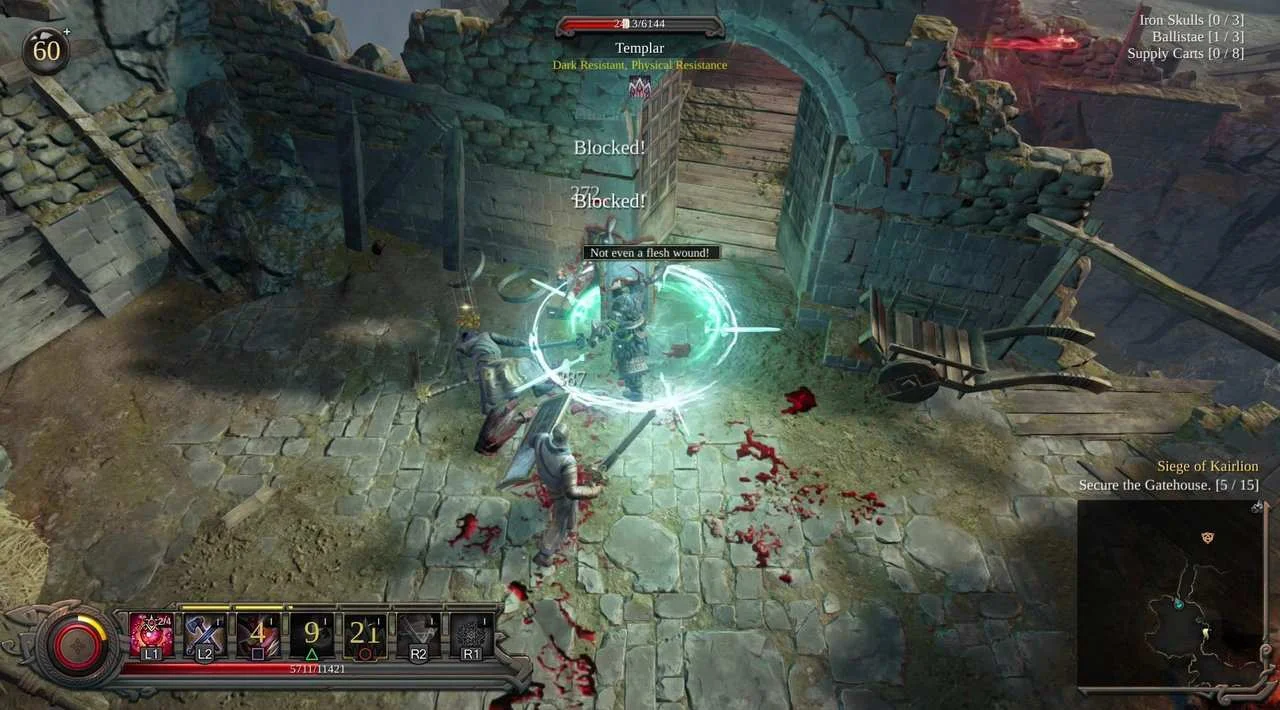
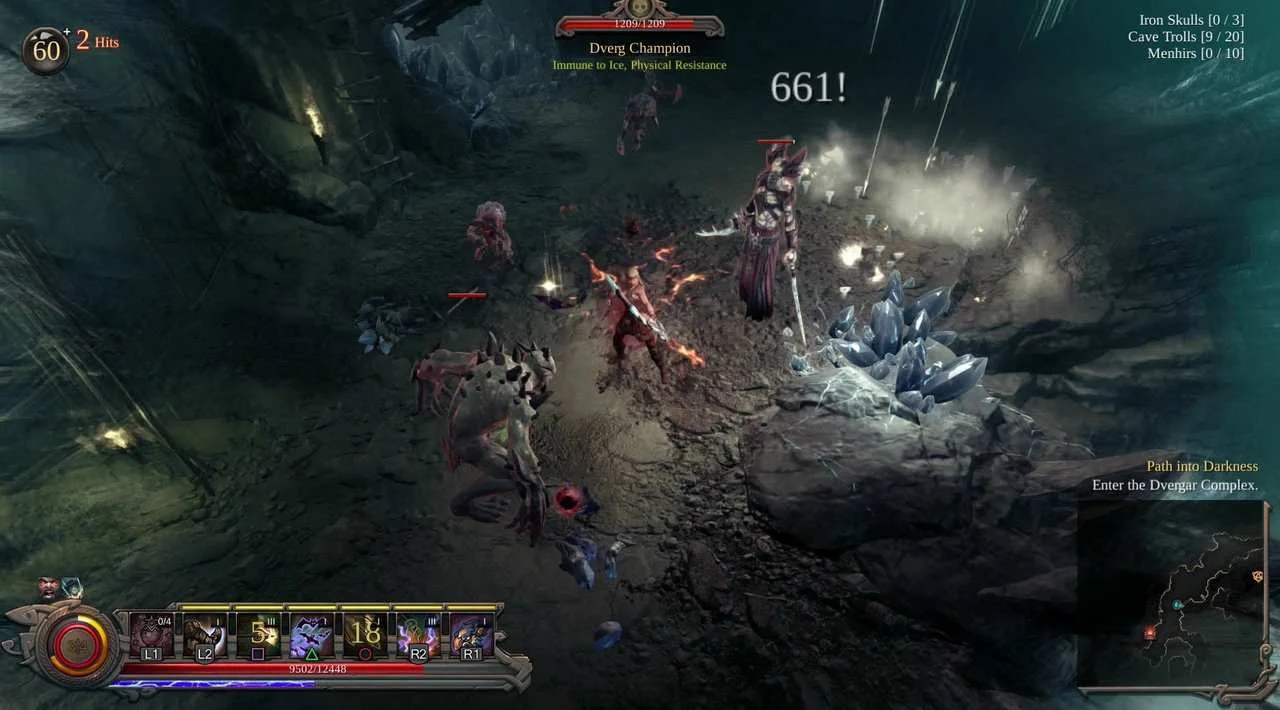

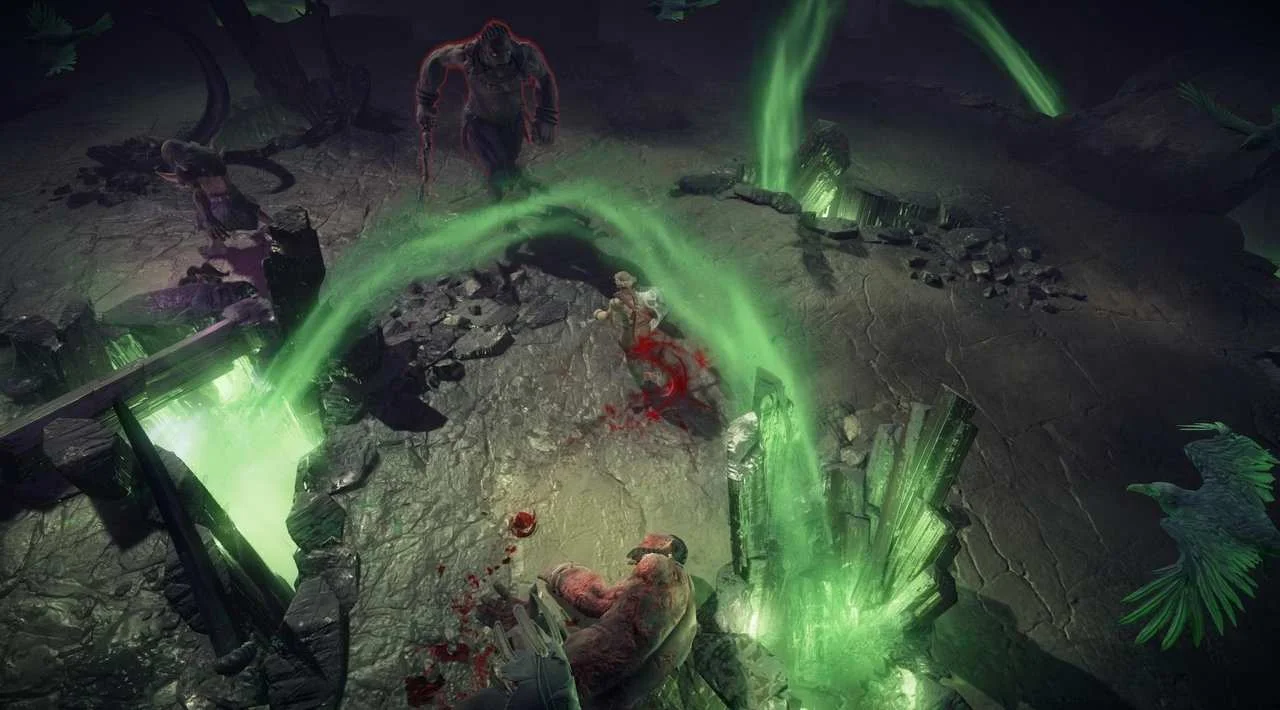
Trailer/Gameplay
Download
Vikings: Wolves of Midgard (2017), 2.89GB
ElAmigos release, game is already cracked after installation (crack by Codex).

Updated to version 2.1 (17.12.2018)

1. Extract files.
2. Burn or mount the image.
3. Install the game.
4. ElAmigos release, game is already cracked after installation.
5. Play the game. If you like this game, BUY IT!
Vikings: Wolves of Midgard Download
🔒 Premium access required
To see and use the download links, you must be logged in and have an active PREMIUM account.
* Unlock downloads via Torrent and TeraBox.
DLC: Pre-Purchase, Soundtrack (mp3), Artbook.
Torrent Download
The best torrent download speeds are with qBittorrent!