Flower
Edit date: 8-12-2022, 16:14
Reason: Updated till 24.01.2020
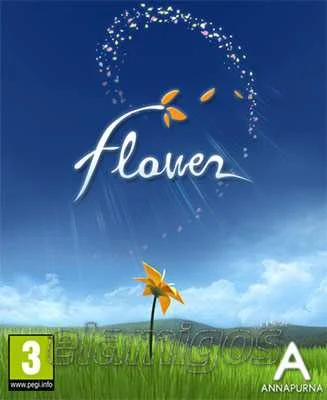
- Category:
- Release date:
- Game Genre:Arcade, logical elements, experimental/art
- Developer:thatgamecompany Publisher: Annapurna Interactive
- Release:ElAmigos
- Platform:PC
- Languages (subtitles):English, French, Italian, German, Spanish, Spanish (Mexico), Polish, Russian, Portuguese-Brazil, Turkish, Dutch, Swedish, Arabic, Japanese, Chinese Simplified, Chinese Traditional, Thai
- Dubbing/Audio:English
- Crack:not necessary
- Game size:0.73GB
Game Description
Flower on PC is a meditative exploration adventure from thatgamecompany, published by Annapurna Interactive. The PC edition keeps the same name across Steam, GOG, and Epic Games Store; no verified rebrand or replacement edition currently supersedes it. You guide the wind through open 3D landscapes, gather petals, and transform quiet spaces into living environments.
How Flower plays on PC
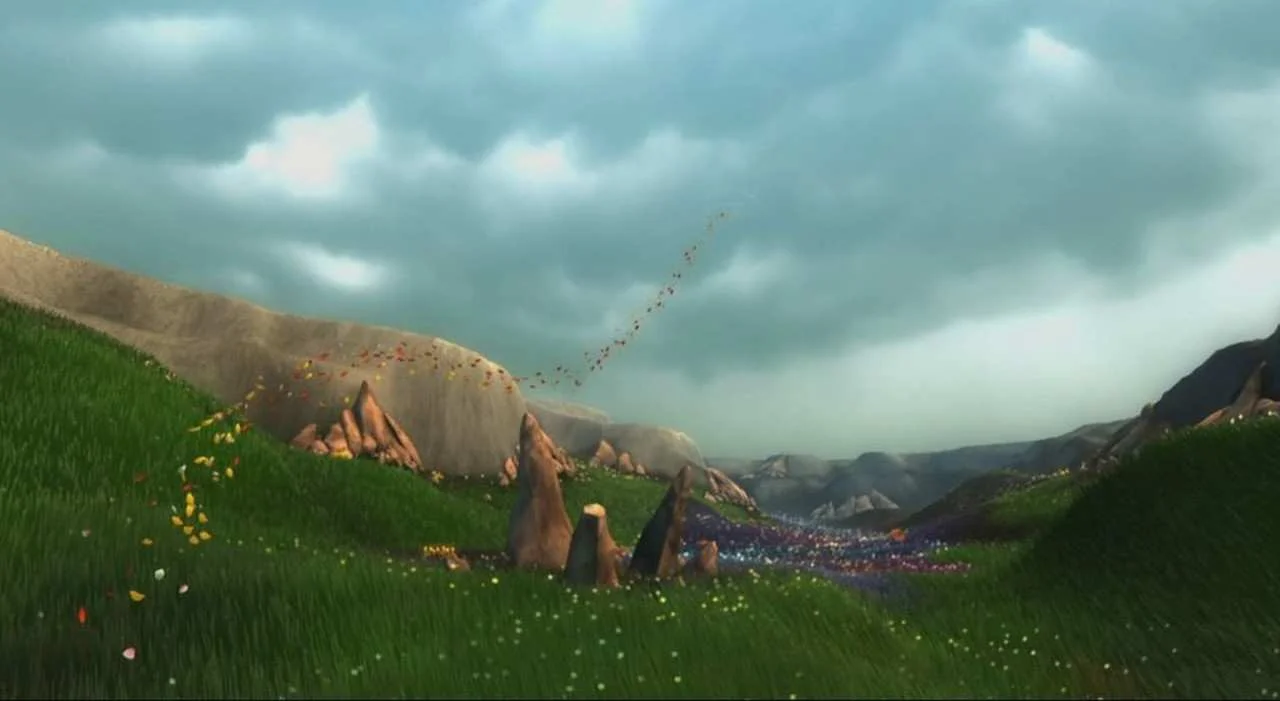
There is no conventional hero to walk, fight, or equip. Instead, you steer a moving current of air that carries a growing trail of petals through fields, hills, ruins, and urban spaces. The control idea is deliberately narrow: movement, direction, and momentum do most of the work.
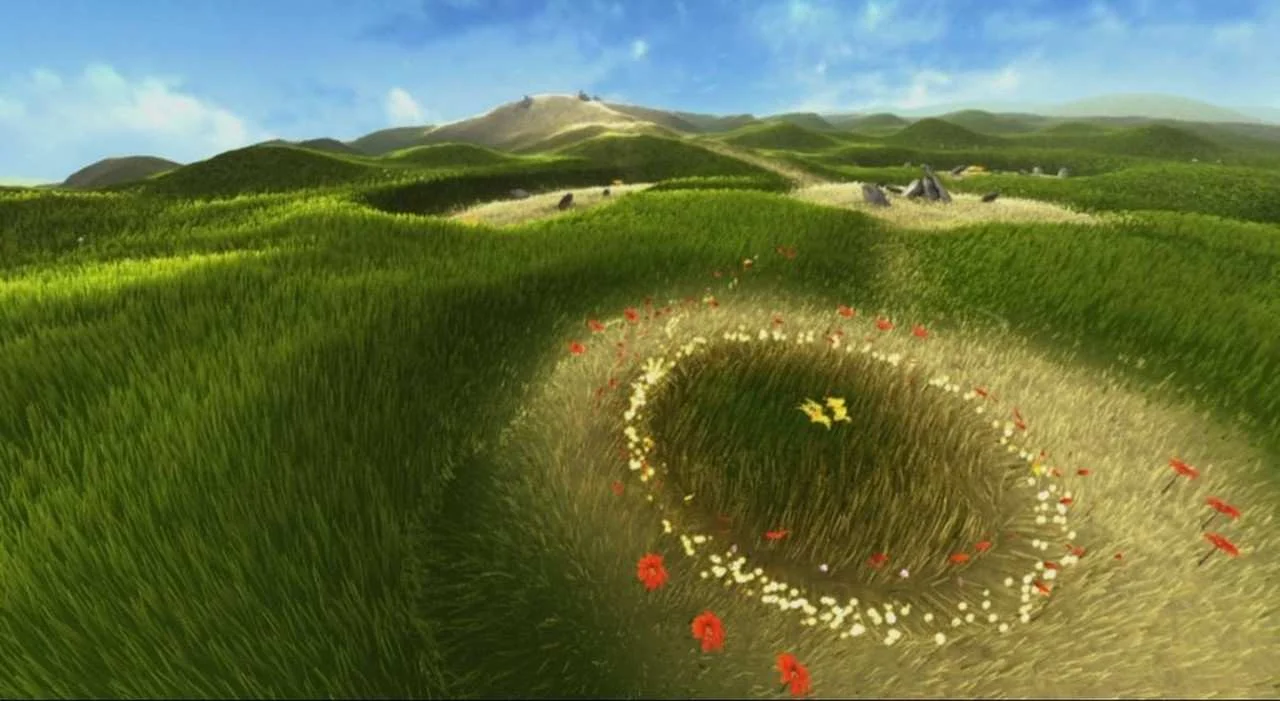
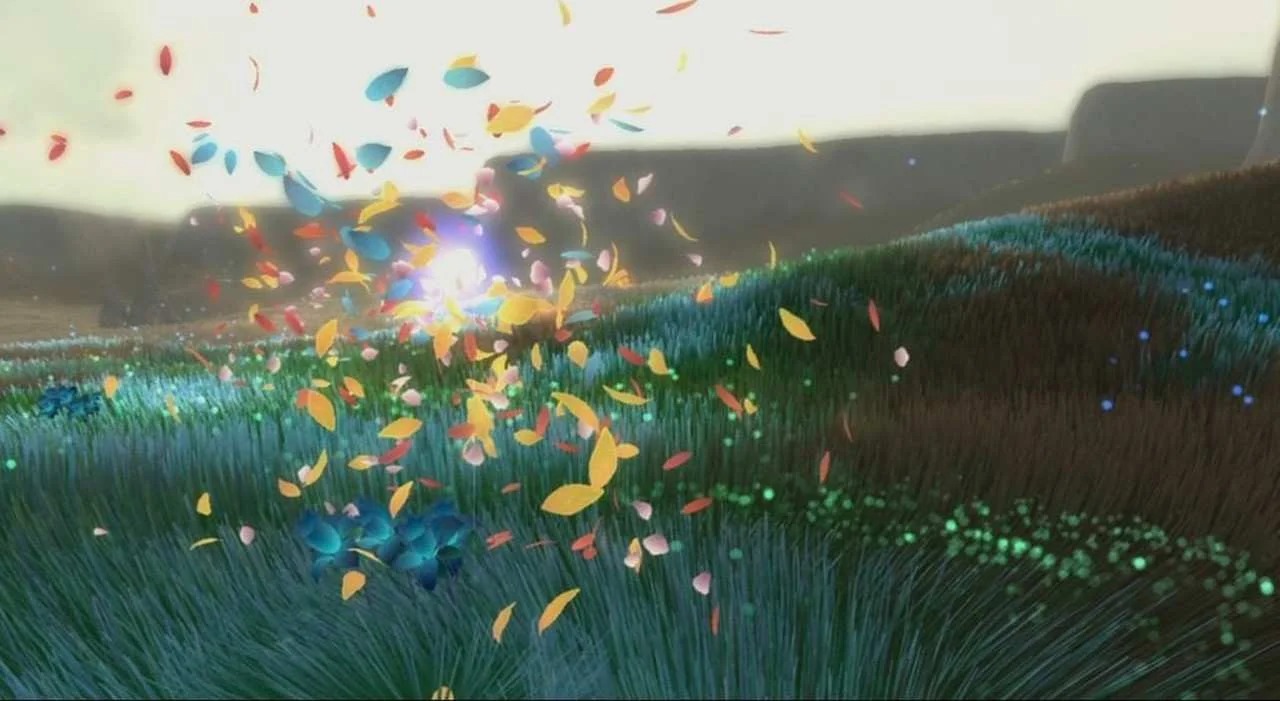
Each stage begins with a small objective, usually involving nearby flowers. Passing through them causes petals to join the trail, while blooming clusters can alter the surrounding landscape. The result is a clear exploration loop: find flowers, shape the route, awaken the environment, and follow the level toward its conclusion.
Flower is best understood as an interactive landscape experience rather than a conventional puzzle or action game. There is no combat system, character death loop, equipment screen, or score-chasing structure at its center. The satisfaction comes from movement, discovery, environmental change, and the way sound responds to your path.
Movement, atmosphere, and environmental change
The wind trail has a light, flowing feel, but it is not completely passive. You need to read the terrain, control your approach to flower groups, and adjust your movement when the landscape opens into wider spaces or narrows around obstacles. Momentum gives the simple controls more texture than the minimalist interface suggests.
Flowers are not merely collectibles. They act as the game’s navigation language and progression signals. A group may guide you toward the next area, reveal a hidden route, or help restore color and motion to a previously lifeless section of the world.
The visual progression is closely tied to the emotional arc. Color restoration, swaying grass, drifting petals, and changing scenery communicate the game’s themes without relying on traditional exposition. The camera follows the airborne trail through broad spaces, keeping attention on the relationship between movement and the environment.
A quiet structure with meaningful secrets
Flower is divided into self-contained stages rather than a large persistent world. The levels are easy to enter and replay, but their calm surface hides optional discoveries. Secret flowers, alternate paths, and stage-specific interactions give completion-focused players more to notice after a first pass.
The game’s structure rewards observation instead of grinding. There are no character builds or upgrade trees to optimize. Progress comes from understanding each environment and noticing how the space reacts when you reach the right flowers or interact with particular objects.
That design also explains why Flower appeals to players who normally avoid difficult games. Its low-pressure progression removes many conventional failure states, while the optional discoveries provide a modest layer of mastery for anyone who wants to explore more carefully.
PC edition, platforms, and ownership model
The PC version is a paid single-player game rather than a free-to-play service. Current storefront listings present the complete core experience as one product, with no verified season pass, table-style content model, or major DLC program attached to the PC edition.
Steam lists Steam Achievements, Steam Cloud, Family Sharing, and Remote Play on TV. Epic Games Store lists cloud saves and controller support. GOG offers the most flexible ownership option for players who prefer a launcher-independent installation: its listing identifies the game as DRM-free and playable without an online connection.
There is no competitive multiplayer or co-op campaign. Flower is designed as a solo experience, and its pacing works best when played without pressure to coordinate with another player or chase a leaderboard.
Controls, language support, and PC fit
Controller play is the safest fit for Flower’s movement design. The PC storefront ecosystem confirms controller support, while the game’s simple steering model translates naturally to an analog stick or comparable gamepad input. Keyboard-and-mouse play is available on PC, but the experience is built around smooth directional control rather than precision cursor work.
Motion control is part of Flower’s identity on supported versions, although PC players should treat it as a platform-specific option rather than assume every controller exposes the same sensors. The practical PC choice is a standard gamepad, especially for players who want the most direct connection to the original movement concept.
The storefront listings provide interface localization in 17 languages, including English, French, Italian, German, Spanish, Arabic, Dutch, Japanese, Polish, Brazilian Portuguese, Russian, Simplified Chinese, Latin American Spanish, Swedish, Thai, Traditional Chinese, and Turkish. The presentation is largely word-light, so localization matters less than it would in a dialogue-heavy adventure.
Who should play Flower?
Flower suits players looking for a short, atmospheric PC game that emphasizes movement and mood over combat, inventory management, or complex systems. It is a strong choice for fans of experimental art games, environmental storytelling, relaxing exploration, and games that communicate through sound and visual change.
It is less suitable for anyone expecting a traditional campaign with extensive dialogue, enemy encounters, character progression, or repeatable challenge modes. Flower asks you to slow down and pay attention. Its appeal depends on whether that deliberate pace feels inviting rather than too slight.
Players who enjoy reflective journeys with minimal interface friction may also appreciate stylized exploration adventures like GRIS, although Flower is more open in movement and much less focused on platforming abilities or conventional puzzles.
Related atmospheric adventures on PC
The closest comparison is not based on identical mechanics but on design philosophy. Open-world atmospheric adventures such as The Pathless also make movement, landscape, and a largely word-light presentation central to the experience, but The Pathless adds archery, traversal challenges, environmental puzzles, and boss encounters.
For a more direct thatgamecompany connection, Journey shares Flower’s emphasis on visual storytelling, music, anonymity, and emotional pacing, while adding desert traversal and optional anonymous online interaction. Flower remains the quieter and more abstract of the two, with its environmental transformation serving as the main form of narrative progression.
Flower FAQ
Is Flower still called Flower on PC?
Yes. The current Steam, GOG, and Epic Games Store listings use the name Flower. No verified PC rebrand or successor storefront name replaces it.
What genre is Flower?
Storefront classifications place it in adventure, casual, exploration, and simulation categories. In practical terms, it is a third-person 3D environmental exploration game with experimental-art and relaxing-game qualities.
Does Flower have combat or enemies?
No conventional combat system is present. The core play is about guiding wind, gathering petals, interacting with flowers, and changing the environment rather than defeating enemies.
Is Flower multiplayer or co-op on PC?
No. The PC version is a single-player experience. Steam’s Remote Play on TV feature does not turn Flower into a co-op game.
Does Flower support controllers on PC?
Yes. Controller support is listed for the PC storefront versions, and a gamepad is the most natural way to handle the game’s directional movement. Motion-control behavior can vary by controller and platform.
Is Flower DRM-free?
The GOG edition is listed as DRM-free and does not require an online connection to play. Steam and Epic versions use their respective storefront ecosystems.
What is the real gameplay loop in Flower?
You guide a wind current through each stage, collect petals from flowers, discover optional routes or secrets, and restore life to the surrounding environment. The progression is based on exploration and observation, not combat, loot, or character leveling.
System Requirements
Minimum: | Recomended: |
| Processor: Intel Core i3-2125 3.3 GHz / AMD A8-5600K 3.6 GHz Graphics: 1 GB GeForce GTX 650 / Radeon R7 260 Memory: 4 GB RAM Disk space: 1 GB HDD Operating system: Windows 7 SP1 64-bit | Processor: Intel Core i7-3770 3.4 GHz / AMD FX-8350 4.0 GHz Graphics: 2 GB GeForce GTX 750 Ti / Radeon R9 270 Memory: 4 GB RAM Disk space: 1 GB HDD Operating system: Windows 10 64-bit |
Screenshots
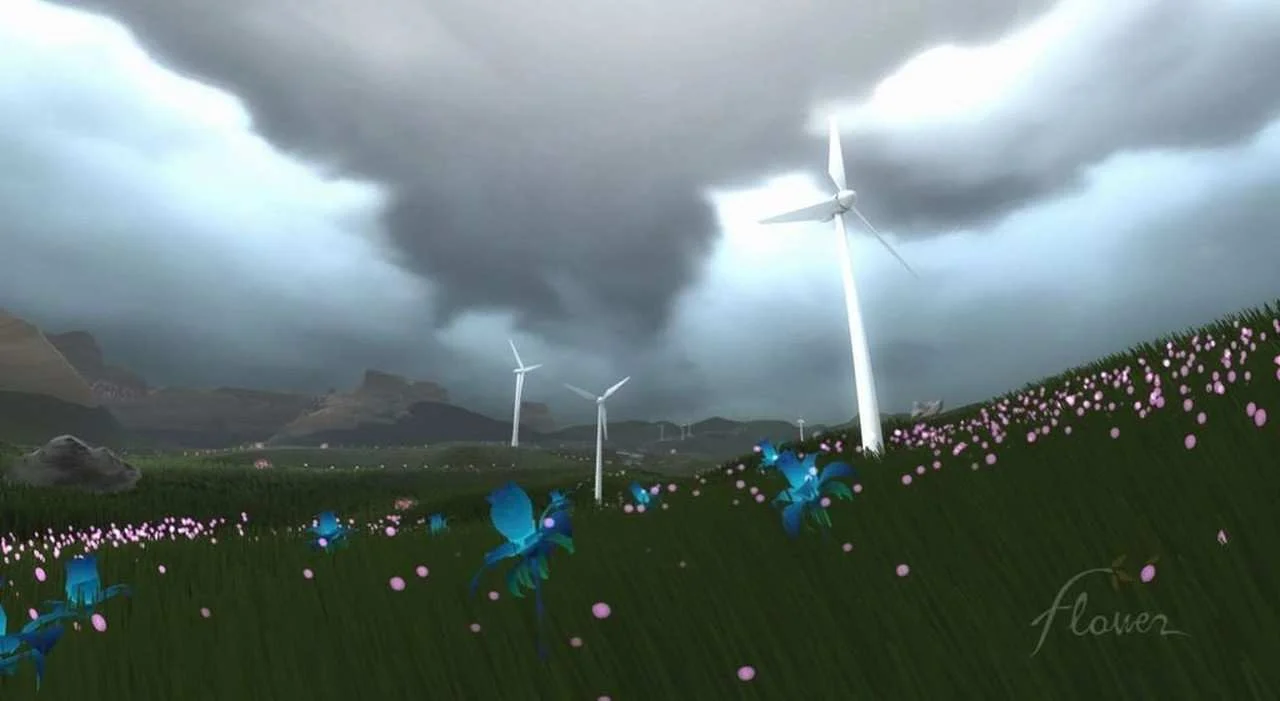
Trailer/Gameplay
Download
Flower (2019), 0.73GB
ElAmigos release, unprotected game (crack is not necessary).

Updated till 24.01.2020.

1. Extract files.
2. Burn or mount the image.
3. Install the game.
4. ElAmigos release, game is already cracked after installation.
5. Play the game. If you like this game, BUY IT!
Flower Download
🔒 Premium access required
To see and use the download links, you must be logged in and have an active PREMIUM account.
* Unlock downloads via Torrent and TeraBox.
Torrent Download
The best torrent download speeds are with qBittorrent!