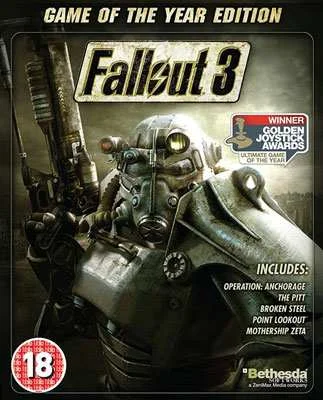
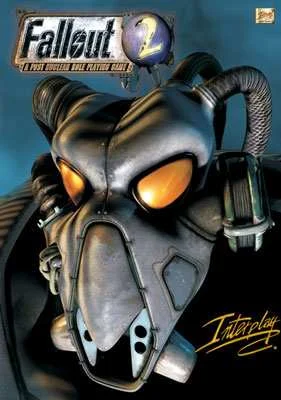
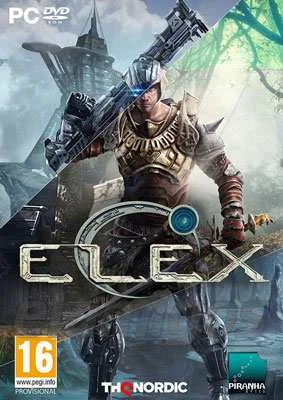
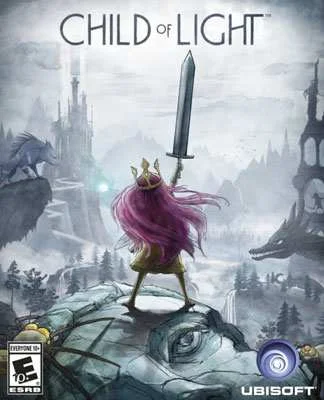
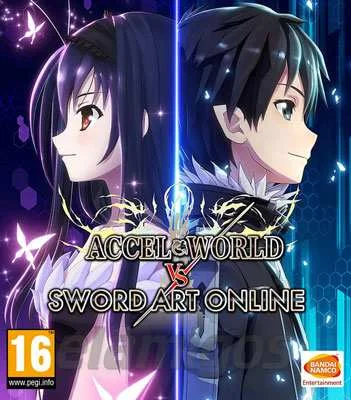
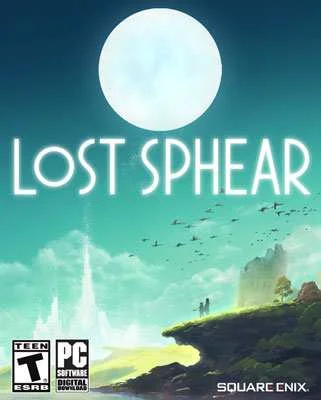
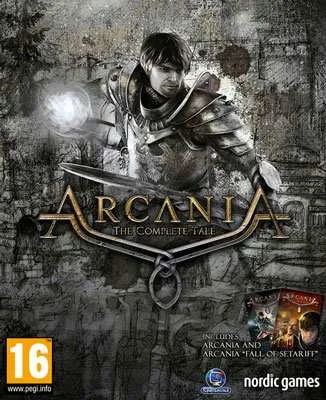
RPG Games Download for PC
RPG Games Download is the category for players who want more than quick matches or simple levels. Here, the fun usually comes from character progression, story choices, quests, loot, builds, exploration, party members, moral decisions, and that dangerous thought: “I will only finish one more side quest.” Famous last words.
On elamigosedition.com, this section is made for PC players looking for downloadable RPG games with different styles: open-world RPGs, action RPGs, classic role-playing games, JRPG-inspired titles, tactical RPGs, dungeon crawlers, fantasy adventures, sci-fi stories, survival RPGs, and games where your inventory becomes a second job.
The best RPGs are not always the biggest ones. Some win with deep writing. Some with combat. Some with freedom. Some with one strange village, ten suspicious NPCs, and a quest that starts with missing potatoes but somehow ends with a dead king. RPG logic. It works.
What Makes a Good RPG Game on PC?
A good role-playing game gives you a reason to care about your character. That can mean leveling up, choosing skills, shaping a story, building a party, collecting better gear, exploring a world, or making decisions that change what happens later.
Most RPG games for PC include systems that let the player grow stronger over time. Experience points, attributes, classes, perks, spells, weapons, armor, crafting, companions, reputation, dialogue choices, and quest outcomes are all common parts of the genre.
What matters most is the feeling of progress. You start weak, confused, broke, and probably wearing terrible boots. A few hours later, you have a plan, a build, a favorite weapon, and a strong opinion about which NPC deserves trust. That is when an RPG starts working.
Core Elements of RPG Games
Not every RPG uses every feature, but most good ones include several of these mechanics. The mix depends on the subgenre.
- Character creation with classes, races, appearance options, or starting backgrounds.
- Skill trees, perks, abilities, spells, talents, or class upgrades.
- Quest systems with main missions, side quests, contracts, tasks, and hidden objectives.
- Loot and equipment, including weapons, armor, accessories, crafting items, and rare gear.
- Dialogue choices that can affect relationships, rewards, reputation, or story paths.
- World exploration with towns, dungeons, maps, secrets, factions, and dangerous areas.
- Combat systems based on real-time action, turn-based tactics, party control, or hybrid mechanics.
- Progression that makes your character, team, or build feel stronger over time.
How to Choose the Right RPG Game to Download
RPGs can demand a lot of time, so choosing the right one matters. A shooter may show its style in ten minutes, but a role-playing game sometimes needs a few hours before it fully opens up. That is part of the charm, but also a reason to check details before downloading.
Start with the type of experience you want. Do you prefer open-world exploration, strong story, tactical combat, loot grinding, fantasy worlds, sci-fi settings, party-based adventures, or fast action? A player who loves dialogue-heavy RPGs may not enjoy a pure dungeon crawler. A player who wants combat may get tired of reading long conversations.
Also think about your patience level. Some RPGs explain everything clearly. Others throw you into a massive world with twelve menus, seven factions, and a journal full of names you do not remember. Honestly? Sometimes that is fun. Sometimes you need coffee.
Quick Checklist Before Downloading
Use this checklist before starting a larger RPG download. It can save storage space, time, and that small panic when a game refuses to run well.
- Check the system requirements, especially CPU, RAM, GPU, VRAM, and storage.
- Look at the archive size and final installation size.
- Check whether the RPG is single-player, co-op, online-focused, or offline-friendly.
- Read whether the release includes DLC, expansions, updates, bonus content, or language packs.
- Check the combat style: action, turn-based, tactical, real-time with pause, or party-based.
- See whether the game supports keyboard and mouse, controller, or both.
- Make sure the available languages match what you need for story-heavy gameplay.
Popular Types of RPG Games for PC
The RPG category is wide, and that is exactly why it stays popular. Some players want fantasy role-playing games with swords, magic, dragons, and ancient prophecies. Others prefer sci-fi RPGs with guns, implants, spaceships, robots, and questionable corporate decisions.
There are also players who care less about setting and more about mechanics. They want builds, loot, numbers, bosses, classes, stats, and a reason to keep improving. Fair enough. A good skill tree can steal an entire evening.
Open-World RPGs
Open-world RPGs are built around freedom. You can follow the main quest, explore random locations, clear dungeons, talk to strangers, collect rare gear, join factions, or ignore destiny because a cave looked interesting.
These games are usually large, so check disk space and system requirements before downloading. Big maps, detailed cities, voice acting, textures, and expansions can take a lot of storage.
Open-world RPGs are best for players who enjoy exploration and long playthroughs. They are not always fast, but they give you room to breathe, wander, and create your own rhythm.
Action RPGs
Action RPGs mix character progression with real-time combat. You dodge, attack, cast spells, shoot, block, parry, or use special abilities while still leveling up and improving your build.
This subgenre is good if you want RPG depth without slow combat. You still get loot, skills, stats, upgrades, and story, but the moment-to-moment gameplay feels more direct.
Before downloading, check whether the game is better with a controller or keyboard and mouse. Some action RPGs feel amazing on a pad. Others are clearly designed for precise mouse control.
Classic and Party-Based RPGs
Classic RPGs often focus on dialogue, quests, tactical choices, party members, inventory management, and detailed character builds. They may use turn-based combat, real-time with pause, or tactical battle systems.
If you enjoy deep role-playing, these games can be extremely rewarding. They often give you more control over story decisions, companion relationships, moral choices, and quest solutions.
The slower pace is not a weakness. It is the point. You read, plan, compare stats, prepare spells, and then still get destroyed because you walked into the wrong cave at level three. Happens.
JRPG and Anime-Style RPGs
JRPG-inspired games usually focus on strong characters, dramatic stories, party progression, turn-based or hybrid combat, colorful worlds, emotional music, and long campaigns.
Many of them use fixed protagonists rather than full character creation. That can be a good thing if you prefer a tighter story and a defined cast instead of building everything from scratch.
Check language support carefully in these games. Story, subtitles, interface, and voice options matter a lot when the game is dialogue-heavy.
Dungeon Crawlers and Loot RPGs
Dungeon crawlers focus on combat, loot, builds, enemies, bosses, and repeated runs through dangerous locations. The story may be lighter, but progression is usually strong.
If you enjoy rare items, class builds, damage numbers, skill combinations, and gear upgrades, this type of RPG can be dangerously addictive. One more dungeon. One more chest. One more legendary drop. Sure.
RPG Subgenres Compared
Choosing an RPG is easier when you match the subgenre to your mood. Not every role-playing game is about slow dialogue and giant maps. Some are fast, some are tactical, some are story-heavy, and some are mostly about loot.
| RPG Type |
Best For |
What to Expect |
| Open-world RPG |
Exploration and long playthroughs |
Large maps, quests, factions, side activities, secrets, freedom |
| Action RPG |
Players who want fast combat |
Real-time battles, skills, dodging, loot, upgrades, builds |
| Turn-based RPG |
Tactical and patient players |
Planning, party roles, abilities, positioning, thoughtful combat |
| JRPG |
Story, characters, and long campaigns |
Party members, dramatic plots, progression, bosses, emotional scenes |
| Dungeon crawler |
Loot and build experimentation |
Dungeons, enemies, rare gear, classes, repeated runs, boss fights |
| Tactical RPG |
Strategy fans |
Grid-based battles, team planning, positioning, classes, careful moves |
What to Look for in a Downloadable RPG
A good RPG page should tell you enough before you download. The genre often includes large files, many updates, expansions, optional content, and important language details. Skipping the information can lead to problems later.
For story-heavy games, language support is especially important. A racing game can be playable with limited text. A complex RPG with quests, dialogue, lore books, skill descriptions, and branching choices is much harder if the language is wrong.
Also check whether the edition includes expansions or DLC. In RPGs, extra content is often not just cosmetic. It can add new quests, areas, classes, companions, bosses, endings, gear, or entire storylines.
Important Details on an RPG Game Page
Before downloading an RPG, look for these practical details. They make the difference between a smooth install and a wasted evening.
- Version or build number, especially for games with many patches.
- Included DLC, expansions, bonus missions, classes, characters, or story content.
- Download size and required free space after extraction and installation.
- System requirements for CPU, RAM, GPU, VRAM, operating system, and storage.
- Language options for interface, subtitles, voice, and text-heavy content.
- Save system, if mentioned, especially for difficult RPGs or roguelike RPGs.
- Installation notes for multi-part archives, updates, or required components.
Downloading RPG Games from elamigosedition.com
Elamigosedition.com is organized around downloadable PC games, including many role-playing titles and related game types. When browsing for RPGs, focus on the specific game page rather than only the title. RPG releases can vary heavily by edition, version, DLC content, and installed size.
A useful general starting point is the ElAmigos games page, especially if you want to understand the site structure and browse downloadable PC games in a clear way. From there, individual game pages usually provide the details you need before downloading.
For RPGs, do not rush. Read the notes, check the requirements, look at language support, and confirm what content is included. A role-playing game can take dozens or even hundreds of hours, so choosing the right release matters more than it does in shorter genres.
How to Prepare Before Installing
RPGs often include large archives and many files. Keep things organized from the start. Create a separate folder for downloaded archives and another for installed games.
Make sure there is enough free space for extraction and installation. Some RPGs need much more temporary space than the archive size suggests. That surprise is never fun, especially when your drive is already begging for mercy.
- Download all parts before extracting.
- Check that the archive is complete and not interrupted.
- Install required components such as DirectX, Visual C++, or .NET if included.
- Use a simple installation path without strange symbols.
- Check graphics, language, audio, and control settings before starting a long campaign.
System Requirements for PC RPG Games
RPGs vary a lot in hardware demand. A classic isometric RPG may run on modest PCs, while a modern open-world RPG can require a strong GPU, plenty of RAM, a fast CPU, and a large SSD.
Pay attention to RAM, VRAM, GPU, CPU, and storage type. Open-world RPGs often stream large maps, textures, NPCs, weather effects, and cities. An SSD can improve loading times and reduce stuttering in many modern titles.
Frame rate matters too, especially in action RPGs. If combat depends on dodging, aiming, parrying, or quick movement, unstable FPS can make the game feel worse than it should.
Minimum vs Recommended Requirements
Minimum requirements usually mean the game can run at low settings. They do not guarantee smooth performance, fast loading, or stable combat. Recommended requirements are a better target if you want a more comfortable experience.
If your PC is closer to minimum specs, lower shadows, texture quality, draw distance, reflections, ambient occlusion, crowd density, and post-processing first. In open-world RPGs, these settings can have a big impact on performance.
For older computers, classic RPGs, indie RPGs, turn-based games, and isometric titles are usually better choices than massive modern open-world games.
Controller, Keyboard, or Mouse for RPG Games?
RPG controls depend heavily on the subgenre. Many classic RPGs feel better with keyboard and mouse because you manage inventories, dialogue choices, maps, party members, tooltips, and hotbars.
Action RPGs, third-person RPGs, and some open-world role-playing games often feel great with a controller. Analog movement, camera control, and comfortable combat make longer sessions easier.
The best option is the one that fits the game. Do not force a controller into a menu-heavy tactical RPG unless it was clearly designed for it. Do not force keyboard steering into a third-person action RPG if the combat feels better on a pad. Use what works.
Best Input by RPG Type
| RPG Type |
Recommended Input |
Why It Helps |
| Classic isometric RPG |
Keyboard and mouse |
Better for menus, party control, inventories, tooltips, and maps |
| Action RPG |
Controller or keyboard and mouse |
Depends on combat style, camera, aiming, and hotkeys |
| Turn-based RPG |
Keyboard and mouse |
Comfortable for tactical choices, menus, and positioning |
| Open-world RPG |
Controller or keyboard and mouse |
Controller is comfortable, mouse is better for aiming and menus |
| Dungeon crawler |
Keyboard and mouse |
Useful for fast looting, skill bars, inventory, and targeting |
RPG Game Features Worth Checking
The best RPGs usually have more than one strong feature. A game can win with story, combat, world design, progression, companions, loot, quests, choices, or atmosphere. Ideally, it has several of them working together.
Before downloading, think about what you personally value. Some players want deep character builds. Others want story decisions. Some want exploration. Some just want loot explosions and bigger damage numbers. No shame. Numbers are powerful.
Character Builds and Classes
Builds are one of the main pleasures of RPG games. Warrior, mage, rogue, healer, sniper, necromancer, engineer, paladin, assassin, summoner, or hybrid builds can change how the game plays.
A good build system gives you meaningful choices. It should make you ask: do I want more damage, better defense, stronger spells, faster movement, stealth, crafting, persuasion, or better companions?
Strong class progression makes each level feel useful. Weak progression makes leveling feel like homework. Big difference.
Quests and Dialogue Choices
Quests are the backbone of many RPGs. Good quests give you reasons to explore, talk, fight, investigate, negotiate, sneak, or make choices with consequences.
Dialogue choices can make a game feel more personal. You may solve a problem peacefully, lie, intimidate someone, ask for a reward, betray a faction, save a village, or accidentally start a disaster. That last one is common.
Loot, Crafting, and Equipment
RPG players love gear for a reason. Weapons, armor, rings, implants, relics, potions, runes, mods, crafting materials, and legendary items give constant motivation to explore and fight.
Good loot systems reward curiosity. A locked chest, hidden cave, optional boss, or difficult quest should feel worth the effort. If the reward is another rusty spoon, we have a problem.
Companions and Party Management
Party-based RPGs become stronger when companions have personalities, skills, opinions, and stories. A good companion is not just a walking damage number. They argue, help, react, and sometimes judge your decisions very loudly.
Party management adds strategy. You need tanks, healers, damage dealers, support skills, crowd control, ranged attacks, or utility abilities depending on the game.
Single-Player, Co-op, and Online RPGs
Most players looking for downloadable RPG games on PC want to know whether the game works well offline, alone, or with friends. This is important because RPGs can be built around very different play models.
Single-player RPGs usually offer the strongest story control and the most complete offline experience. Co-op RPGs let you share quests, loot, and combat with friends. Online RPGs focus more on social play, events, raids, guilds, trading, and live progression.
Before downloading, check what the game actually supports. Some titles look like classic RPGs but depend heavily on online systems. Others are fully offline and great for long solo campaigns.
Which Mode Should You Choose?
Pick single-player if you want story, choices, and full control over pacing. Pick co-op if you want shared exploration and combat. Pick online-focused RPGs if you enjoy community systems, repeated events, and long-term progression.
For many PC players, offline single-player RPGs are the safest choice because they remain playable without servers or accounts. That matters for long campaigns.
Best RPGs for Long Campaigns and Short Sessions
RPGs have a reputation for being huge, but not all of them need one hundred hours. Some are compact story experiences. Others are giant worlds that will casually consume your month.
If you have limited time, look for mission-based RPGs, shorter indie RPGs, dungeon crawlers, roguelite RPGs, or games with clear chapters. If you want a long journey, open-world RPGs, party-based classics, and large fantasy or sci-fi campaigns are better.
Good RPGs for Shorter Sessions
Short-session RPGs usually give you quick goals: one quest, one dungeon, one fight, one level, one boss, one upgrade. They are easier to fit into busy days.
- Dungeon crawlers with clear runs and fast loot.
- Turn-based RPGs with save-anywhere systems.
- Action RPGs with short missions or zones.
- Indie RPGs with focused stories and smaller worlds.
Good RPGs for Long Playthroughs
Long RPGs are best when you want to settle in. They give you factions, choices, companions, large maps, deep progression, side quests, crafting, and multiple endings.
Just be honest with yourself before starting. If the game says “massive open world,” it is not joking. Your quest log will grow. Your inventory will suffer. You will pick flowers for no reason. It is part of the ritual.
Practical Installation Tips for RPG Games
RPGs often include more files than smaller genres: voice packs, language data, DLC folders, configuration tools, optional updates, save folders, and sometimes separate launch options. Install them carefully.
Keep your downloaded archives separate from installed games. This helps if you need to reinstall later or free up space. Large RPGs can take a lot of room, especially after extraction.
After installation, open the settings menu before starting a serious campaign. Check language, resolution, display mode, subtitles, difficulty, autosave frequency, controller layout, camera sensitivity, and graphics quality.
Setup Habits That Help
These steps are simple, but they prevent many common problems with PC RPG downloads.
- Extract all archive parts before running the installer.
- Install required software components if included with the release.
- Use a simple folder path without special characters.
- Check available disk space before and after installation.
- Update GPU drivers for newer open-world or action RPGs.
- Start a test save before committing to a long campaign.
- Adjust autosave and difficulty settings early.
Frequently Asked Questions About RPG Games Download
RPG players usually ask practical questions before downloading because the genre can be large, complex, and time-consuming. That is sensible. A role-playing game is not just a quick install. It can become your main game for weeks.
What are the best RPG games to download for PC?
The best choice depends on your preferred style. Choose open-world RPGs for exploration, action RPGs for faster combat, classic RPGs for deep quests, JRPGs for story and party progression, and dungeon crawlers for loot-focused gameplay.
Can RPG games run on low-end PCs?
Yes, but choose carefully. Older RPGs, classic isometric RPGs, indie RPGs, turn-based games, and lightweight dungeon crawlers usually run better on weaker PCs. Large modern open-world RPGs often need stronger hardware.
Are RPG games better with keyboard and mouse or controller?
Classic and tactical RPGs usually feel better with keyboard and mouse. Action RPGs and third-person open-world RPGs often feel comfortable with a controller. The best option depends on combat, menus, camera control, and inventory management.
How much disk space do PC RPG games need?
Small indie RPGs may need only a few gigabytes. Large modern RPGs with open worlds, voice acting, high-resolution textures, and DLC can require much more after installation. Always check both download size and final installed size.
What should I check before installing an RPG game?
Check system requirements, version number, included DLC, language options, installation notes, controller support, and available game modes. For story-heavy RPGs, language support is especially important.
Which RPG subgenre is best for beginners?
Action RPGs and modern open-world RPGs are usually easier to start because they use familiar controls and clear objectives. Classic party-based RPGs can be deeper, but they often require more reading, planning, and patience.
Final Thoughts on RPG Games Download
RPG Games Download is one of the strongest categories for PC players because it offers depth, choice, progression, story, exploration, combat, and long-term motivation. You can build a hero, lead a party, shape a world, hunt for rare loot, join factions, craft gear, or spend twenty minutes deciding which boots give the best stats. Important business.
Use elamigosedition.com as a practical place to browse downloadable RPG games for PC, but choose with a clear idea of what you want. Check requirements, read release notes, confirm language options, and match the subgenre to your play style.
A good RPG should make progress feel personal. Not just bigger numbers, but better choices, stronger builds, memorable quests, and stories that stay with you after the game is closed.